Understanding Coordination Skills in Kids
Coordination skills are the ability to use different parts of the body together smoothly and efficiently. For children, these skills are essential as they form the foundation for almost all physical activities. Coordination involves integrating motor skills such as balance, timing, and spatial awareness, enabling kids to perform tasks like running, jumping, throwing, and catching with ease.
During early childhood, the development of coordination skills is a vital part of children development. As kids grow, their brains and muscles become more connected, improving their control and precision over movements. This progression supports other areas of learning including cognitive and social development, as physical competence boosts confidence and encourages active participation in group play and sports.
Kids coordination starts with basic motor skills which gradually become more complex. Infants begin by developing gross motor skills like head control and sitting up, progressing to fine motor skills such as grasping and manipulating objects. These fundamental movements set the stage for more refined coordination abilities as children explore and interact with their environment. As they practice and repeat movements, neural pathways strengthen, enhancing their overall coordination skills.
Encouraging children to engage in a variety of physical activities helps stimulate their motor skills and coordination development. Activities like climbing, balancing on one foot, or playing catch contribute to refining their motor control and coordination skills. The development of these skills is critical because they not only support physical health and fitness but also influence academic performance and everyday functional abilities.
In summary, understanding and supporting the development of coordination skills in early childhood is crucial for a child’s overall growth. These skills enable kids to move efficiently and confidently, laying a strong foundation for healthy physical, cognitive, and social development throughout their lives.
Types of Coordination
Coordination is a critical skill for children as it enables them to perform daily activities smoothly and efficiently. There are several types of coordination that are important in child development, including motor coordination, hand-eye coordination, gross motor skills, and fine motor skills.
Motor coordination involves the ability to use different parts of the body together smoothly and efficiently. For example, when a child learns to ride a bicycle, they are developing motor coordination by synchronizing their legs to pedal while steering the handlebars with their hands.
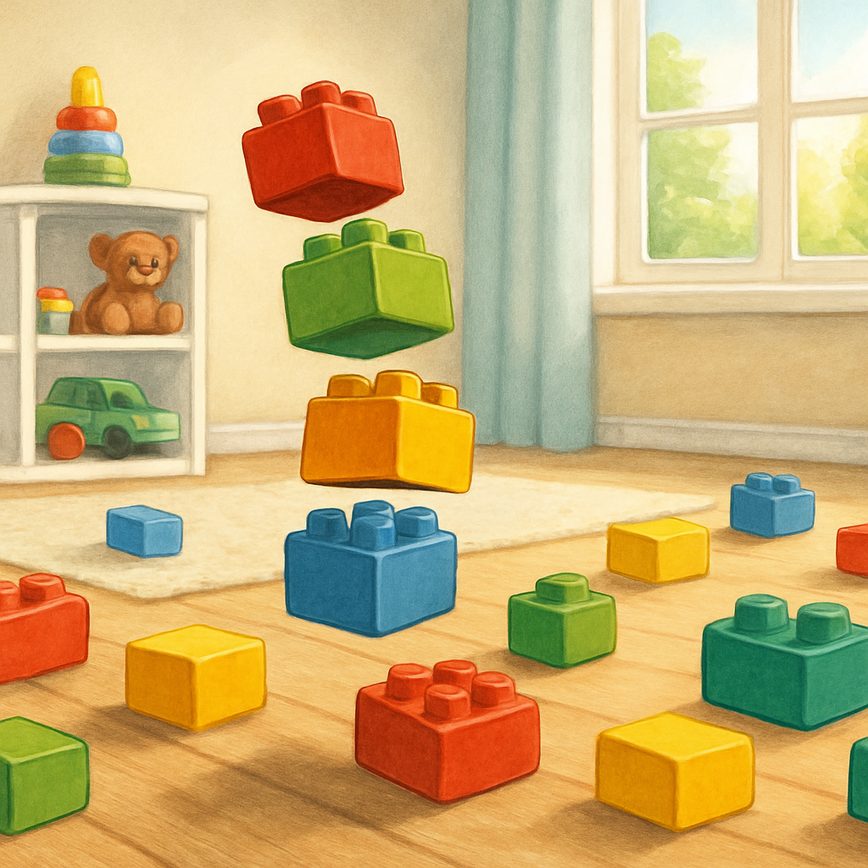
Hand-eye coordination is the skill of using the eyes to guide the hands in performing tasks. This type of coordination is essential when children engage in activities like catching a ball, drawing, or building with blocks. These activities help them improve the connection between visual input and hand movements.
Gross motor skills refer to the coordination of large muscle groups used in activities such as running, jumping, and climbing. These skills are fundamental for children’s physical development and help promote balance and strength.
Fine motor skills involve the coordination of small muscles, primarily in the hands and fingers, to perform precise tasks like writing, buttoning a shirt, or manipulating small objects. Developing fine motor skills is crucial for a child’s academic and self-care abilities.
By engaging children in activities that challenge these various types of coordination, parents and educators can support well-rounded physical and cognitive development.
Benefits of Coordination Drills
Coordination drills offer numerous benefits for a child’s overall development. Physically, these exercises help enhance a child’s motor skills, balance, and agility, all of which contribute significantly to their physical development. Improved coordination allows children to perform daily activities more efficiently and reduces the risk of injuries during play or sports. Besides the obvious physical advantages, coordination drills also stimulate cognitive growth. These activities require children to focus, process information quickly, and adapt their movements, which sharpens their mental skills and boosts concentration levels.
Mental skills developed through coordination drills often translate into better academic performance and problem-solving abilities. Moreover, the emotional benefits should not be overlooked. Regular practice can boost a child’s confidence and self-esteem as they master new movements and overcome challenges. This sense of achievement encourages perseverance and fosters a positive attitude toward learning and physical activity. In summary, coordination drills are a holistic approach to child growth, enhancing physical capabilities, supporting cognitive development, and nurturing emotional resilience. The coordination benefits gained through these drills lay a strong foundation for a healthy, active, and well-rounded child.
Effective Coordination Drills for Kids
- Ball Toss and Catch: Start with a soft ball and have kids stand a few feet apart. Toss the ball back and forth, encouraging them to track the ball with their eyes and use both hands to catch. Increase the distance gradually. This drill enhances hand-eye coordination and is suitable for younger children. Tip: Use different sizes of balls to add variety and challenge.
- Balance Beam Walk: Use a low beam or a straight line on the floor. Kids walk heel to toe slowly along the beam, arms outstretched for balance. To increase coordination training, ask them to carry a small object or perform gentle arm movements. This drill improves balance and body control, ideal for all age groups. Tip: Make it fun by pretending the beam is a tightrope over a river.
- Jump Rope Rhythms: Teach kids to jump rope, starting with simple jumps. Encourage them to find a rhythm, timing their jumps to the rope’s swing. For older kids, try double jumps or alternating feet. Jump rope is a fantastic physical activity for children that boosts timing, rhythm, and overall coordination. Tip: Start with shorter sessions to build confidence and stamina.
- Obstacle Course Navigation: Set up an obstacle course with cones, tunnels, and hurdles. Have kids run, crawl, jump, and weave through the course. This dynamic drill promotes full-body coordination and agility. Tip: Change the course layout regularly to keep the challenge fresh and engaging.
- Footwork Ladder Drills: Use a speed ladder or tape to create a ladder on the floor. Kids perform various footwork patterns such as single steps, lateral moves, or hops through the rungs. This is a great coordination exercise that also enhances speed and agility. Tip: Demonstrate each pattern slowly before increasing speed.
- Simon Says with Movements: Play a game of Simon Says with coordination-focused commands like “touch your toes,” “spin around,” or “hop on one foot.” This interactive drill improves listening skills along with motor coordination. Tip: Make the commands progressively more challenging as kids improve.
- Hand Clapping Sequences: Teach kids rhythmic hand clapping patterns with a partner or group. Start simple and gradually increase complexity. This drill sharpens timing, rhythm, and bilateral coordination. Tip: Incorporate fun songs or chants to keep kids motivated.
Balance and Agility Drills
Incorporating balance exercises and agility drills into child agility training is essential for enhancing overall coordination. These drills focus on improving a child’s ability to maintain stability while performing dynamic movements, which is crucial for sports and everyday activities. Stability exercises such as standing on one leg or using balance boards help children develop core strength and control, laying a foundation for better balance.
Agility drills often involve quick changes in direction, speed, and body position, which train the child’s reflexes and muscle coordination. Ladder drills, cone drills, and shuttle runs are excellent examples that encourage children to think quickly and move efficiently. By combining balance and agility training, children improve their proprioception — the sense of body awareness — which directly supports better coordination.
Regularly practicing these stability exercises and agility drills will not only enhance motor skills but also boost confidence and reduce the risk of injury. Child agility training designed around these principles promotes a well-rounded athletic development, enabling children to excel in various physical activities with greater ease and safety. These drills can be adapted to different skill levels, making them versatile tools in any coordination development program.
Hand-Eye Coordination Activities
Improving hand-eye coordination in kids can be fun and engaging with the right activities. These hand-eye drills help enhance reaction time and eye coordination, making them perfect for kids activities that promote development and play. Below are some enjoyable games and step-by-step guides to get started.
- Ball Toss Challenge: Have your child stand about 6 feet from a wall. Toss a small ball underhand toward the wall and have them catch it on the rebound. This activity develops quick reaction time and improves hand-eye coordination. Start slow, then increase speed as your child improves.
- Bubble Pop Game: Blow bubbles and encourage your child to pop them with their fingers or a small paddle. This fun game sharpens eye tracking and timing, essential parts of hand-eye drills. Vary the bubble size and speed to add difficulty.
- Target Toss: Set up a series of small containers or hoops at varying distances. Give your child bean bags or small balls to toss into these targets. This helps train precision, coordination, and motor skills with an exciting competitive twist.
- Ping Pong Bounce: Using a ping pong ball and paddle, guide your child to bounce the ball on the paddle repeatedly. This builds steady eye coordination and sharpens reaction time considerably.
- Reaction Ball Drop: Hold a reaction ball above your child’s hands and drop it suddenly. They must catch it before it bounces away. This simple game improves hand-eye drills and builds sharp reflexes quickly.
Regular practice with these activities keeps kids engaged while naturally developing essential hand-eye coordination skills. They also boost confidence and provide endless fun.
Fine Motor Skill Exercises
Developing fine motor skills is crucial for kids as it lays the foundation for dexterity exercises and finger coordination necessary for everyday tasks and academic activities. These exercises focus on small muscle movements in the hands and fingers, enabling kids to perform precise actions with confidence and ease.
One effective exercise is the “Finger Taps,” where children tap each finger to their thumb in sequence. This activity enhances finger dexterity and helps improve independent finger movements. Another fun exercise is threading beads or pasta onto a string, which requires careful finger coordination and concentration.
Using tweezers to pick up small objects such as cotton balls or buttons can significantly aid in kids motor development by strengthening the muscles responsible for fine motor control. Additionally, practicing cutting shapes with child-safe scissors supports hand-eye coordination and precision.
Overall, incorporating a variety of these dexterity exercises into daily playtime encourages the natural development of fine motor skills and finger coordination, setting the stage for children to excel in writing, drawing, and other intricate tasks.
Tips for Parents and Educators
Supporting children in developing coordination through drills requires a thoughtful approach from both parents and educators. To foster effective progress while ensuring safety, it’s important to create an encouraging and structured environment. Start by selecting age-appropriate activities that match the child’s developmental stage, gradually increasing complexity as their skills improve. This approach helps maintain motivation and reduces frustration.
Parents should actively engage with their children during drills, offering positive reinforcement and celebrating small achievements. This not only boosts confidence but also strengthens the parent-child bond. Educators can supplement this by providing clear, simple instructions and demonstrating drills step-by-step, allowing children to observe and imitate movements accurately.
Ensuring safety is paramount in any coordination activity. Always check the environment to eliminate potential hazards like uneven surfaces or sharp objects. Use appropriate equipment and attire, such as non-slip shoes and comfortable clothing, to prevent injuries. Regularly remind children to listen to their bodies and rest if they feel tired or uncomfortable.
Communication between parents and educators is key for a consistent approach to child coordination support. Share observations about the child’s progress and any difficulties encountered to tailor activities that best suit the child’s needs. Encourage children to express their feelings about the drills, which can provide valuable insights into their experience and enthusiasm.
Lastly, incorporate fun into every session. Coordination drills should not feel like a chore; instead, they should be engaging activities that kids look forward to. Use games, challenges, or group activities to keep children excited and eager to participate. By blending structured guidance with enjoyable experiences, parents and educators can effectively nurture children’s physical development and overall well-being.
Creating a Safe Environment
Setting up a safe and encouraging environment for kids to practice coordination drills is essential to ensure their well-being and promote effective learning. One of the first safety tips is to create child-friendly spaces that are free from hazards such as sharp objects, uneven surfaces, or obstacles that could cause trips and falls. Soft flooring materials like foam mats or rubber tiles can help cushion falls and reduce the risk of injury during active play.
Risk prevention plays a key role in creating these safe play areas. Regularly inspect the practice zone for potential dangers and remove any items that might cause harm. Establish clear boundaries so children understand where they should stay during drills, minimizing accidental collisions or wandering into unsafe zones. Supervision by adults trained in first aid and child safety can greatly enhance the environment’s security.
Encouraging kids through positive reinforcement and a supportive atmosphere fosters confidence and willingness to participate in coordination drills. Provide age-appropriate equipment and ensure it is well-maintained to avoid malfunctions or injuries. Remind children of the importance of warming up before activities and cooling down after to prevent muscle strains. By thoughtfully combining these safety tips with creative space design, you can set up an environment that nurtures growth, learning, and safe play areas for all children.
Encouraging Consistency and Fun
Maintaining motivation is key to helping kids regularly practice coordination drills. One effective strategy is to incorporate engaging activities that capture their interest and make practice sessions feel like play rather than work. For example, turning drills into friendly competitions or themed games can spark enthusiasm and boost child participation.
Building a routine is another critical factor. Creating a consistent schedule helps children anticipate practice time as a natural part of their day. Parents and coaches can encourage routine building by setting achievable goals and celebrating small milestones, reinforcing a sense of progress and accomplishment.
Variety also plays a crucial role in sustaining motivation. Alternating different drills and introducing new challenges prevents monotony and keeps kids curious and excited to learn. This approach not only improves their coordination skills but also enhances their overall engagement with the activities.
Finally, offering positive reinforcement, such as praise and rewards, fosters a supportive environment where children feel encouraged to keep practicing. By combining motivation, engaging activities, routine building, and a focus on fun, kids are more likely to stay committed to their coordination drills and enjoy the journey of skill development.

I’ve been playing soccer since I was a kid and love breaking down drills to help players improve. When I’m not on the pitch, I enjoy analyzing games and sharing practical tips with fellow enthusiasts.