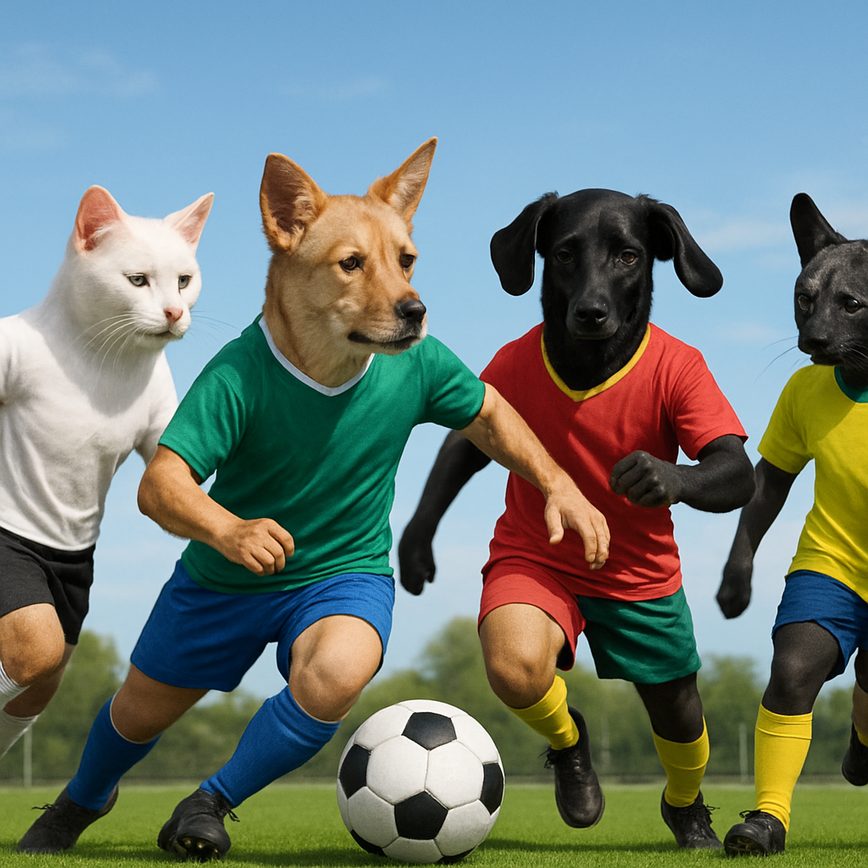
Importance of Teamwork in Soccer
Collaboration is fundamental to achieving success in soccer, serving a critical function that goes well beyond personal skills. In a game where the seamless flow relies heavily on shared effort, recognizing the significance of teamwork can boost a team’s performance to remarkable heights. In soccer, effective collaboration means that players function as one cohesive unit, utilizing their individual talents to reach shared objectives, which in turn enhances team dynamics and unity.
A crucial element of collaboration in soccer is player coordination. Team members’ capacity to foresee each other’s actions, place themselves wisely, and collectively make quick decisions can result in a smooth game flow. This coordination frequently determines the outcome of matches. By engaging in regular practice and maintaining open lines of communication, players cultivate an instinctive awareness, allowing them to pass the ball effectively, defend appropriately, and implement offensive tactics with accuracy.
Effective communication is perhaps the most vital element that drives successful collaboration within a team. On the field, ongoing and transparent communication guarantees that all members understand their roles and duties throughout various stages of the match. This encompasses spoken instructions, hand signs, and even body language that aid in sustaining concentration and structure. Robust communication lessens mistakes, curbs confusion, and elevates players’ confidence, fostering a nurturing atmosphere that improves both personal and collective performance.
Additionally, the significance of collaboration in soccer is evident in its influence on the success of the game as a whole. A cohesive team can adjust more efficiently to various opponents, handle high-pressure moments, and seize scoring chances. The synergy produced by working together enhances the capabilities of every player, rendering the team more robust in the face of adversity. Given that soccer is a vibrant and rapid sport, it requires all players to work together seamlessly, and it is through teamwork that this equilibrium is attained.
To sum up, grasping the significance of teamwork is crucial for any soccer team aspiring to achieve success. The combination of solid team dynamics, efficient player collaboration, and ongoing communication not only improves the game experience but also greatly boosts the likelihood of victory. Acknowledging the vital role of teamwork in soccer enables both players and coaches to concentrate on cultivating a cohesive group that can confront any challenge with assurance and expertise.
Benefits of Practicing Teamwork Drills
Teamwork exercises are essential for improving the collective dynamics of a soccer team, as they promote player coordination, trust, and decision-making during matches. In the course of soccer practice, these exercises simulate situations where players discover how to operate together as a cohesive group instead of as separate entities. This coordination is crucial for implementing tactical strategies, preserving formations, and swiftly adjusting to changing circumstances on the pitch.
A key advantage of teamwork is the cultivation of trust between players. As teammates regularly participate in exercises that involve passing, communication, and synchronized movement, they establish a dependable connection. This trust minimizes uncertainty and boosts confidence, allowing players to foresee each other’s actions and respond instinctively, which is crucial during intense moments in games.
In addition, teamwork exercises enhance decision-making during games by mimicking actual match situations that demand rapid thinking and cooperation. Athletes develop the ability to evaluate circumstances together, share information clearly, and make choices that serve the entire team. This shared understanding and synergy acquired from soccer training not only advance individual player growth but also improve the team’s overall effectiveness in competitions.
Challenges in Building Teamwork
Cultivating strong team chemistry in soccer presents several obstacles. Frequent challenges in teamwork encompass breakdowns in communication, clashing personalities, and insufficient trust among teammates. Such problems can result in miscommunications during matches, diminished collaboration, and ultimately, subpar team performance. Issues within soccer teams often emerge when players prioritize personal abilities over shared objectives, undermining the unity essential for effective play.
A significant challenge is the varying levels of effort and commitment among players. When certain team members are not fully engaged, it can lead to frustration and discord within the group. Moreover, discrepancies in playing styles and tactical comprehension can make it even more difficult to foster strong teamwork. Coaches need to identify these barriers in order to tackle them successfully.
Teamwork drills serve as vital resources to tackle these obstacles. Organized activities enhance communication, build mutual respect, and stimulate teamwork among players. Through consistent practice of these drills, athletes become adept at predicting one another’s actions, leading to improved coordination on the field. Additionally, exercises that replicate match situations reinforce trust and responsibility, both of which are key in addressing challenges within a soccer team.
In conclusion, although obstacles in teamwork can be considerable, consistently incorporating focused exercises into practice sessions is an established method to improve team dynamics and build a more unified, efficient soccer squad.
Effective Teamwork Drills for Soccer Training
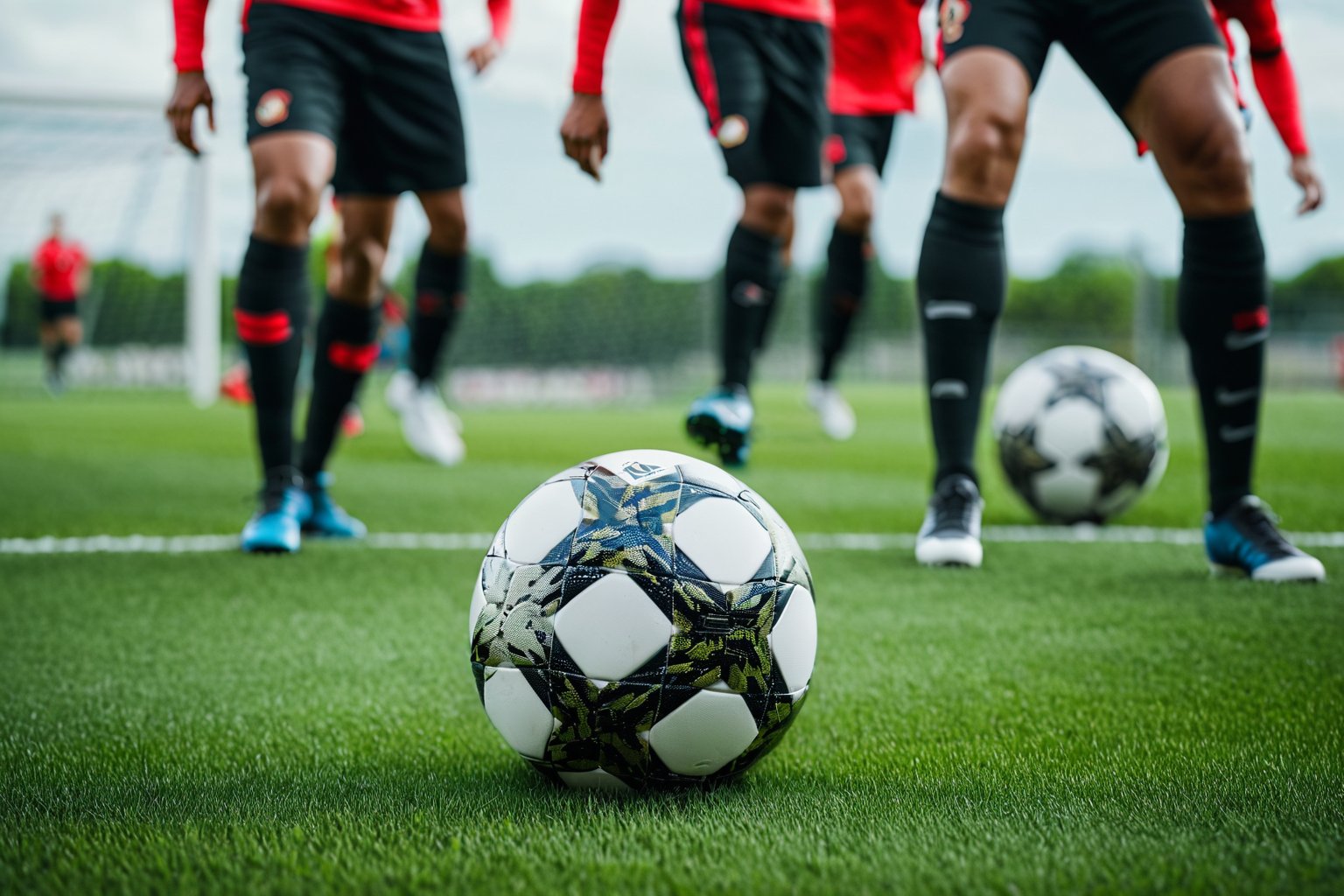
Developing robust teamwork abilities is crucial for any soccer squad striving for peak performance. Integrating teamwork exercises into your soccer training sessions helps players improve their communication, coordination, and comprehension on the field. Here are a number of impactful teamwork drills tailored to boost these essential skills during training sessions.
A useful exercise is the “Passing Triangle,” in which players form a triangle and quickly exchange the ball while on the move. This activity promotes strong communication among players and underscores the significance of accurate passing and positioning. By concentrating on small group interactions, players become adept at predicting their teammates’ actions and making faster choices, abilities that are vital in real game scenarios.
An additional effective practice activity is the “Small-Sided Games” drill. By limiting the number of players on each team, this drill encourages increased engagement among teammates and necessitates that all players participate in both offensive and defensive roles. It highlights the importance of spatial awareness, collaboration, and tactical gameplay, enabling the team to build rapport and confidence through ongoing practice.
The “Give and Go” drill plays a crucial role in fostering teamwork. Participants collaborate in pairs or small groups to execute one-two passes while advancing. This exercise enhances timing, accuracy, and mutual trust among teammates. By perfecting the give and go method, players can generate additional scoring chances and improve the overall smoothness of the team’s passing strategies.
Finally, the “Communication Relay” exercise boosts both verbal and non-verbal interactions among players. Teams take part in a relay in which every member must shout instructions to their teammates to either receive or pass the ball. This activity enhances players’ listening skills and quick responses, which are crucial for effective teamwork during high-speed games.
Incorporating these teamwork exercises into your soccer training can greatly enhance a team’s coordination, trust, and comprehension during play. Regularly practicing these drills will enable players to cultivate essential collaborative skills necessary for success as a unit, ultimately strengthening the team and boosting competitiveness.
Passing and Communication Drills
To improve teamwork in soccer, it is crucial to incorporate passing drills along with communication activities. These exercises enable players to hone their passing accuracy while also promoting effective verbal and non-verbal communication, which is vital for successful teamwork during games.
An efficient exercise is the “Triangle Passing with Call-Outs.” Participants create a triangle and circulate the ball, but prior to making a pass, the player must announce the name of the teammate who will receive it. This promotes verbal interaction and guarantees that all players are attentive and synchronized. Additionally, it enhances passing precision as players concentrate on timing and accurate ball positioning.
Non-verbal communication skills can be developed through the “Silent Pass” drill. In this activity, participants pair up or form small groups and are prohibited from speaking throughout the exercise. They need to depend on eye contact, hand signals, and body movements to manage their passes. This enhances their instinctive comprehension and helps them predict their teammates’ moves, which is crucial in intense game situations.
Another exercise consists of establishing a “Passing Lane” where participants need to maneuver the ball through a tight space formed by cones or defenders. Players are required to communicate swiftly using vocal cues or gestures to safeguard the passing lanes and execute accurate passes while facing pressure. This drill effectively mimics game scenarios and enhances immediate communication and decision-making skills.
Incorporating these passing drills and communication activities into routine training can greatly improve a team’s soccer collaboration. Precise passing paired with effective communication results in more fluid plays, improved positioning, and ultimately, a higher chance of winning matches.
Positioning and Movement Drills
Efficient positioning exercises are crucial for enhancing players’ spatial awareness on the soccer field. One example of such an exercise is arranging several cones in different configurations to mimic game situations. Players navigate between the cones while keeping their positions in relation to teammates and opponents, which improves their grasp of positioning drills in actual gameplay scenarios.
An additional beneficial activity emphasizes coordination of movement. In this exercise, players collaborate in small teams to practice synchronized actions, like offensive runs paired with defensive withdrawals. This enhances communication and timing, which are essential elements of effective soccer strategies.
Regularly integrating these drills enhances the link between positioning and movement coordination. Athletes become adept at predicting the actions of both teammates and adversaries, fostering a smooth and dynamic style of play. This insight significantly influences their capacity to implement soccer strategies more efficiently in games.
In summary, drills focused on positioning and movement are crucial for developing a unified team. They guarantee that every player understands their spatial duties and can coordinate their movements with teammates, establishing a strong basis for more complex tactical strategies.
Small-Sided Games to Enhance Teamwork
Small-sided games serve as an effective training resource in soccer, mirroring the intensity and dynamics of actual match scenarios but in a condensed format. With fewer players on each team, these games create a concentrated setting that allows participants to interact more often with the ball and one another. This ongoing engagement enhances soccer teamwork, as players are required to communicate, coordinate, and better anticipate each other’s movements compared to full-sized games.
A major advantage of small-sided games is that they promote faster decision-making. With a smaller playing field and fewer teammates and opponents, each player encounters more immediate challenges that demand quick tactical responses. This enhances their grasp of positioning, passing lanes, and timing—fundamental elements that directly apply to actual matches. Training in this format also enables players to perceive the game as a unified group, recognizing opportunities and threats collectively instead of solely as individuals.
Integrating small-sided practice matches into training sessions is a powerful method to improve team chemistry and tactical understanding. These matches replicate the dynamic nature of full games, enabling coaches to emphasize particular aspects of teamwork, including spacing, pressure, and supporting runs. In the end, small-sided games foster soccer collaboration by placing players in situations that require teamwork and swift, group decision-making.
Tips for Coaches to Maximize Teamwork Drill Effectiveness

Successful execution of teamwork drills demands not just meticulous planning but also tactical implementation. As a coach, your main objective is to foster an atmosphere where players grasp the importance of collaboration and communication during the game. Begin by articulating the goals of each drill clearly, making certain that every player recognizes how the activity aids in the team’s overall success.
Integrating diverse soccer coaching techniques can make drills more stimulating and encourage players to refine their teamwork abilities in various situations. Alternate roles during practices to give players the chance to see things from different angles — such as exchanging defenders with attackers or midfielders. This helps them appreciate the significance of each position and fosters understanding among team members.
A further coaching suggestion is to highlight the significance of communication during the drills. Motivate players to announce their positions, provide helpful feedback, and verbally support one another. This approach directly enhances on-field teamwork in games, as players cultivate the routine of remaining engaged and making swift decisions collectively.
To encourage ongoing enhancement, deliver prompt and detailed feedback both during and after practice sessions. Emphasize instances of effective collaboration and tactfully address errors with constructive suggestions. Acknowledging and reinforcing favorable actions inspires players to emulate those successful behaviors in upcoming drills and games.
Fostering a supportive and inclusive atmosphere is essential for reaping the rewards of teamwork exercises. Motivate players to acknowledge one another’s achievements and contributions, cultivating a culture rooted in respect and trust. This sense of psychological safety allows players to embrace risks and engage in open communication, both of which are crucial for successful collaboration.
Incorporating regular teamwork exercises into your training regimen guarantees the ongoing enhancement of collaborative abilities. Repeated practice allows players to assimilate the principles, transforming teamwork into an instinctive element of their play instead of a sporadic emphasis. By weaving these coaching strategies into your schedule, you will notice significant advancements in team unity and overall effectiveness.
Creating a Supportive Team Culture
The coach plays a crucial role in establishing a team culture that promotes trust and positivity among its members. A coach’s leadership influences the way players engage and collaborate, both during practice and in post-drill discussions. By prioritizing respect, encouragement, and transparent communication, coaches can cultivate a space where players feel appreciated and inspired to give their all. This nurturing atmosphere not only boosts individual self-esteem but also fortifies the collective team spirit.
Successful coaching leadership requires ongoing encouragement of positive actions and feedback aimed at improvement instead of blame. When athletes see that their coach genuinely cares about their progress and welfare, it fosters a sense of trust that enhances team dynamics on the field. This trust empowers players to back each other up, embrace smart risks, and work together more efficiently in both training sessions and competitions.
Additionally, the coach’s emphasis on fostering a team culture centered around unity and respect inspires players to reflect these values in their interactions. This establishes a positive cycle that impacts not only their performance in practice but also the relationships that extend into game scenarios. In the end, a robust and nurturing team culture, guided by purposeful coaching leadership, is crucial for developing teamwork that results in lasting success.
Adapting Drills for Different Skill Levels
Effective coaching hinges on the capacity to adjust drills to suit the varying skill levels and ages of team members. By customizing drills based on the players’ abilities, coaches can create a welcoming atmosphere that promotes growth and benefits for all athletes. For younger or less seasoned players, drills can be made easier by lowering their complexity and emphasizing fundamental skills. For instance, reducing the number of required passes or shrinking the playing field can assist newcomers in gaining confidence without becoming intimidated.
Conversely, experienced players gain from heightened drill intensity or the inclusion of more intricate tactical situations that test their decision-making and technical abilities. Modifying the tempo, introducing competitive aspects, or implementing limitations such as reduced touches promotes skill enhancement and game awareness. Successful coaching strategies involve closely monitoring players, offering personalized feedback, and progressively elevating drill difficulty to align with skill development.
The primary objective is to establish a well-rounded practice atmosphere where drills are flexible and varied. This fosters participation among all skill levels, maintains player enthusiasm, and encourages ongoing advancement. Through intentional adjustments to drills, coaches can enhance team performance and support players’ growth throughout their soccer experience.

I’ve been playing soccer since I was a kid and love breaking down drills to help players improve. When I’m not on the pitch, I enjoy analyzing games and sharing practical tips with fellow enthusiasts.