Coaches often struggle to bridge the gap between static positional training and the dynamic, fluid movement required in open play. Off the ball, players must constantly adjust their spacing, timing, and body orientation without the security of touching the ball. Shadowing exercises provide a direct method for drilling these cognitive and physical habits under pressure. By focusing on shadowing drills for soccer movement, you can build a team that anticipates space before it exists. This approach moves beyond simple shape work and forces athletes to process game information in real time.
Preparing the Session: Setting Up the Right Environment
Before introducing complex movement patterns, ensure your players understand the spatial parameters of the drill area. Mark a rectangular zone roughly 30 by 40 yards, as this size allows for realistic passing lanes while maintaining enough room to create and exploit gaps. Place two or three stationary cones or bibs in the center to simulate opponents without the variable of their actual movement speed. This setup isolates the decision-making process of the players in possession and those moving off the ball. You want a controlled environment where errors are visible and can be corrected immediately by the coaching staff.
Select a group of four to six players for each small-sided unit to ensure adequate space for individual development. Assign specific roles within the group, such as two defenders and three attackers, to create realistic numerical imbalances. The attackers must start with their backs to the ball, which forces them to rely on peripheral vision and auditory cues rather than constantly looking at the play. This initial setup mirrors the chaotic nature of a real match, where players rarely have a clear view of the entire field at all times. Clear role assignment prevents confusion and allows you to focus on specific movement principles rather than general chaos.
Equip each player with a small bib or vest that is distinct from the others to help track individual trajectories. This visual aid helps both the players and the coach identify when someone is occupying the same space as a teammate, a common error in early stages of development. Ensure the surface is even and free of debris, as sudden stops and changes of direction place significant stress on the ankles and knees. Proper footing is essential for executing sharp cuts and accelerations safely. A well-prepared environment reduces the risk of injury and keeps the focus on technical refinement.
Executing the Shadow Principle: Mirroring Opponent Actions
The core concept of shadowing involves one player mimicking the movements of another to maintain optimal positioning relative to the ball. In a soccer context, this means the player off the ball must constantly adjust their angle to keep the opponent between them and the goal. If the defender steps forward, the attacker moves laterally to open up a passing lane behind them. This reactive movement trains the body to respond to visual cues without conscious thought. Over time, these micro-adjustments become automatic, freeing up mental bandwidth for higher-level decision-making.
Instruct your players to use their shoulders as reference points when mirroring an opponent’s stance. If the defender’s shoulder rotates toward the goal, the attacker should step out to the side, creating a diagonal running path. This technique is particularly effective in midfield areas where space is limited and angles are tight. By focusing on the opponent’s body shape rather than just their feet, players develop a more accurate reading of intent. You will notice that players who master this skill can predict passes and intercepts with greater accuracy.
Encourage players to keep their heads up and use peripheral vision to track multiple opponents simultaneously. Many young athletes tend to focus solely on the ball or a single defender, which leaves them vulnerable to being isolated. A trained eye should be able to monitor the ball carrier, the nearest defender, and at least one teammate in a single glance. This skill is difficult to teach but becomes evident once players start practicing consistently. Use verbal cues during the drill to remind them to scan, and praise instances where they successfully track two or more players at once.
Integrating Timing with Off-the-Ball Runs
Movement without timing is ineffective, as arriving at a space too early or too late renders the pass impossible. Shadowing drills help players internalize the concept of delayed acceleration, where they hold their position until the last possible moment before exploding into space. This technique conserves energy and prevents defenders from stepping out to close down the runner prematurely. In practice, this means the player moves subtly with their feet, ready to launch, but does not commit fully until the ball carrier signals the pass.
On Football Coaching Lab, they cover effective drills for improving player movement – you can watch this helpful video on overlapping and underlapping right here.
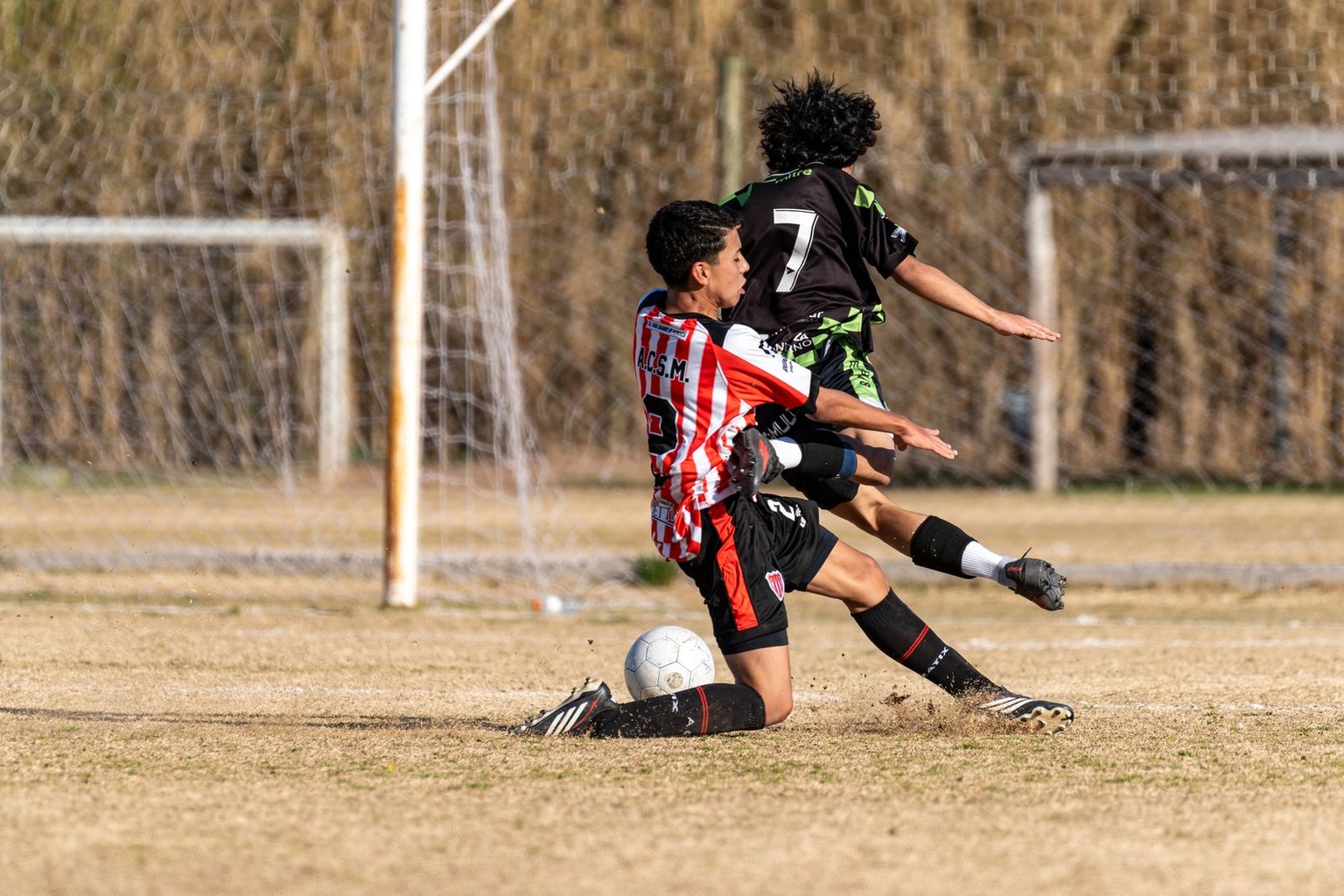
Create a scenario where the ball carrier must make a decision based on the movement of the off-ball player. If the attacker holds their position, the defender stays compact, and the pass is likely blocked. However, if the attacker makes a sharp cut into the space just as the ball is about to be played, the defender is forced to turn and lose the duel. This split-second decision-making is what separates good players from great ones. You should stop the drill frequently to discuss why a particular run succeeded or failed, helping players articulate their reasoning.
Use audio cues to trigger specific types of movement, such as “check” for a short turn and “go” for a full sprint into space. This adds a layer of complexity that simulates the unpredictable nature of a live match. Players must learn to distinguish between signals that require a quick reaction and those that call for a slower, more controlled adjustment. Over several sessions, you will see a marked improvement in their ability to read the game flow without explicit instructions. The key is consistency in applying these cues until they become second nature.
Building Cognitive Load with Visual and Auditory Cues
Real games are noisy and visually cluttered, so drills must account for distractions that affect focus. Introduce external noise sources, such as a coach shouting irrelevant instructions or teammates clapping, to simulate the pressure of a crowded stadium. Players must learn to filter out this noise and focus only on the specific cues related to their movement task. This cognitive training helps them stay composed under pressure and maintain technical quality even when their environment is chaotic. It is a critical skill for matches played in front of large or hostile crowds.
Assign each player a unique number or color that they must call out before making a specific move. This forces them to engage verbally and mentally with the drill, ensuring they are fully present in the exercise. For example, a player might need to say “left” before cutting to the left side of the zone. This simple addition increases the mental effort required and helps prevent autopilot mode. You will find that players who engage with these cues show higher levels of concentration and fewer positional errors.
Rotate the roles frequently so that every player gets a chance to be the ball carrier, the defender, and the off-ball mover. This variety ensures that athletes understand the perspective of all positions on the field. A midfielder who also plays as a defender in the drill will appreciate the challenges faced by those players. This empathy for other roles leads to better team coordination and more effective communication during actual matches. It builds a collective understanding of space that is hard to achieve through positional isolation alone.
Common Errors and How to Correct Them Efficiently
One frequent mistake is players moving in the same direction as their opponent, which closes off passing options. To correct this, emphasize the concept of opposite movement: if the defender steps in, you step out. Use a partner drill where one player moves randomly and the other must always mirror the opposite action. Stop the drill every time a player fails to create space, and have them explain their thought process. This immediate feedback loop helps them understand the cause and effect of their movements quickly.
Another common error is failing to maintain body shape after the initial run, leading to easy interception. Players often turn their heads toward the ball too early or too late, leaving their chest open to a defender. Drill the “shoulder check” technique where players must keep their shoulders square to the goal until the moment of release. This ensures they are facing the correct direction to receive a pass or shoot. Reinforce this habit by having them hold a pose for two seconds after each run to solidify the muscle memory.
Lack of communication is another significant issue that undermines the effectiveness of off-the-ball movement. Players who do not talk cannot coordinate their runs, leading to collisions or missed connections. Encourage constant verbalization, such as calling “ball” when you are open or “man” when you are covering an opponent. Make communication a requirement for scoring points in the drill. Over time, this habit will transfer to real matches, where clear dialogue is essential for fluid play and avoiding confusion.
Progressing from Static to Dynamic Game Situations
Once players master the basic shadowing principles in a controlled setting, introduce moving defenders to increase realism. Start with one defender who is allowed to move freely but must remain within a limited area. This adds unpredictability and forces attackers to adjust their timing based on the defender’s speed and direction. The transition from static to dynamic elements is critical for applying skills under pressure. Monitor how players adapt their movement to the changing defensive shape, and provide feedback on their ability to read cues.
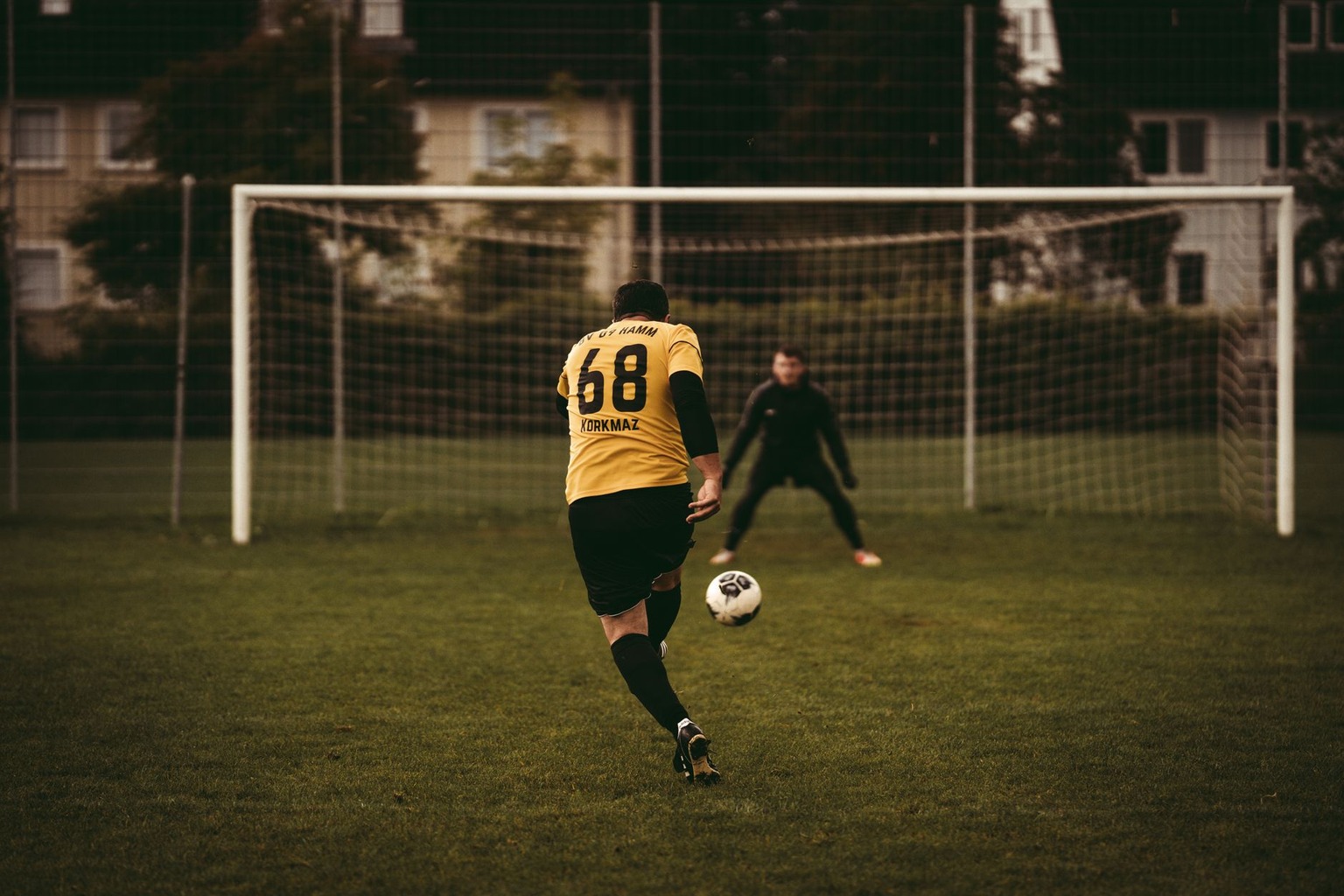
Incorporate small-sided games where the rules restrict touches or require specific passing sequences. For example, limit each player to two touches and require a pass before they can shoot again. These constraints force players to rely heavily on off-the-ball movement to create opportunities. You will see them make more intelligent runs and better use of space to bypass the defensive block. This phase bridges the gap between isolated drills and full open play, ensuring skills are transferable.
End the session with a free-play scenario where all rules are removed except for the requirement to maintain off-ball movement principles. Observe how players integrate their new habits into natural play without explicit instructions. Look for spontaneous cuts, checks, and overlaps that reflect the training they have received. This final stage tests the depth of their understanding and their ability to self-regulate in a complex environment. It provides a clear indicator of which players need further individual attention.
Monitoring Progress Through Specific Performance Metrics
Quantitative tracking helps you measure the effectiveness of your shadowing training over time. Record video footage of key sessions and review specific moments where players executed off-the-ball runs. Count the number of successful entries into space versus those that were intercepted or late. This data provides an objective basis for assessing improvement and identifying persistent weaknesses. Use this information to adjust your training focus and individual coaching plans accordingly.
Set individual goals for each player based on their specific role in the team. A winger might focus on crossing accuracy after a run, while a midfielder might focus on receiving in tight spaces. Break down these goals into measurable components, such as reaction time or distance covered off the ball. Track these metrics across several weeks to see trends and adjust your approach. This personalized feedback loop keeps players motivated and engaged in their development.
Invite players to self-assess their performance using a simple rating scale after each session. Ask them to rate their focus, timing, and communication on a scale of one to ten. This reflection process encourages ownership of their progress and helps them identify areas for improvement independently. Discuss these ratings in team meetings to foster a culture of continuous learning and mutual support. It transforms the drill from a task into a personal development journey.

I’ve been playing soccer since I was a kid and love breaking down drills to help players improve. When I’m not on the pitch, I enjoy analyzing games and sharing practical tips with fellow enthusiasts.