

The modern game of soccer demands more than just technical skill, it requires creativity, adaptability, and the ability to think under pressure. For young players, the best way to develop these qualities isn’t through endless repetition of the same drills but through structured play in small-sided soccer games for creativity. These formats force players to make split-second decisions, communicate under fatigue, and explore solutions without the crutch of predictable patterns. Research from the Frontiers in Sports and Exercise Medicine editorial on football training confirms that small-sided games (SSGs) significantly enhance cognitive engagement and tactical awareness, making them a cornerstone of youth development. The key, however, lies in how these games are designed, not just in their size, but in the constraints, objectives, and player roles you embed within them. Without intentional structure, even the most reduced pitch can become a chaotic exercise in frustration rather than a crucible for creativity.
Start with the Right Field Dimensions and Player Numbers
Not all small-sided games are created equal, and the dimensions of the playing area directly influence the type of creativity you’ll stimulate. For players under 12, a standard 3v3 or 4v4 game on a pitch roughly 20×30 yards (18×27 meters) creates enough space for fluid movement while maintaining intensity. The smaller the field, the more touches per minute players will accumulate, which is excellent for decision-making, but too little space can stifle creativity by forcing players into predictable passing lanes. The American Youth Soccer Organization (AYSO) recommends using a 4v4 format for U10-U12 players as a balance, it’s compact enough to demand quick thinking but spacious enough to allow for improvisation. If you’re working with older age groups (U13 and up), consider scaling up to 5v5 or 6v6 on a 30×40-yard (27×36-meter) pitch to introduce more positional variety without losing the tactical density. The goal isn’t just to reduce the field size but to adjust the constraints so players feel compelled to solve problems rather than default to familiar patterns.
Player numbers also dictate the nature of the game. With fewer players on the field, each individual’s impact becomes more pronounced, which is why 3v3 is often hailed as the gold standard for creativity. In this format, every pass, dribble, and defensive challenge carries weight because there’s no safety in numbers. However, 3v3 can feel overwhelming for younger players still developing their spatial awareness, so a 4v4 setup often serves as a gentler introduction. The critical factor is ensuring the ratio of players to space remains high, if the field is too large, players will drift into static positions, and creativity will suffer. The ideal ratio is roughly 1.5 to 2 players per 10 yards of width, giving them just enough room to maneuver without collapsing into a defensive block. This principle aligns with the principles outlined in the Nike Rip the Script initiative, which emphasizes that modern training must prioritize player autonomy and adaptability, not just technical repetition.
Define Clear but Flexible Objectives to Spark Problem-Solving
Young players thrive when they understand the “why” behind their actions, but rigid objectives can kill creativity by turning games into checklists. Instead of simply telling players to “score more goals,” frame the game with open-ended challenges that encourage experimentation. For example, in a 4v4 scrimmage, you might set a rule that every player must complete at least two progressive passes before scoring, forcing them to think about build-up play rather than relying on direct crosses. Alternatively, introduce a “creativity bonus”, if a player makes an unforced error but recovers with a clever save or interception, the team earns an extra point. These rules don’t just add structure; they create a feedback loop where players learn from their mistakes in real time.
The best objectives blend technical and tactical elements to deepen engagement. A common approach is to require players to use a specific skill, such as a first-time turn or a one-touch pass, before scoring. This isn’t about forcing a trick play; it’s about reinforcing that creativity isn’t about flashiness but about solving problems with the tools at hand. Research from the Frontiers editorial highlights that SSGs with embedded constraints (like limited touches or no back-passing) significantly improve players’ ability to adapt their decision-making under pressure. For instance, in a 3v3 game where players can only use their right foot, they’ll quickly develop a preference for using their weaker foot in other contexts, even if the constraint isn’t active. The key is to rotate these constraints so players don’t become reliant on any single solution.
Use Positional Constraints to Force Tactical Awareness
One of the most underutilized tools in small-sided games is positional play, even at the youngest ages. Most coaches assume that young players won’t understand positional roles until they’re in U14 or older, but the truth is that even 8-year-olds can grasp basic principles if the game is designed to reward them for it. In a 4v4 game, assign one player per team to act as a “playmaker” who must initiate at least two passes before scoring. This doesn’t mean they have to be a traditional midfielder, it could be a forward or defender who takes on that responsibility. The constraint forces other players to move into space, creating passing options and encouraging them to think about angles and support.
On KS Performance they explain effective pass & move drills for youth players — you can watch it right here.

The beauty of positional constraints is that they turn individual weaknesses into collective strengths. For example, if a player struggles with long-range passing, you can require them to stay in a specific zone (like the defensive third) and only pass forward when a teammate is in a certain area. This teaches them to recognize when to hold the ball and when to release it, a fundamental tactical skill. The CatchMark Sports analysis of youth soccer systems notes that traditional training often isolates skills without connecting them to game situations, which is why SSGs with positional rules are so effective. They force players to make trade-offs, do they hold the ball to wait for a better pass, or do they risk a turnover for a quick advance?, which is exactly how creativity is built.
Avoid Common Pitfalls That Stifle Creativity
The most common mistake in designing small-sided games is treating them like miniaturized versions of full-field play. If you set up a 3v3 game but keep the same defensive structure as a 11v11 match (e.g., a deep block), you’ve effectively canceled out the benefits of the smaller field. Players will default to the same defensive patterns they use in larger games, and the game becomes a test of endurance rather than creativity. The solution is to embrace chaos, intentionally break the rules of traditional soccer to force players to adapt. For example, allow offside in a 4v4 game (or define it differently, like “no player can be closer to the goal than the ball carrier’s last defender”) to encourage more direct play and spatial awareness.
Another trap is overemphasizing scoring goals as the sole objective. While goals are important, they’re not the only measure of success in a creativity-focused game. If every session ends with the same team winning 3-2, players will start to predict outcomes and disengage. Instead, introduce secondary objectives like maintaining possession for 30 seconds, completing a certain number of passes, or making three successful transitions from defense to attack. These metrics reward the process over the outcome, which is where creativity flourishes. The Nike Rip the Script philosophy emphasizes that modern training should prioritize player-driven discovery over coach-directed instruction, and this mindset shift is reflected in how you structure your games.
Rotate Roles and Constraints to Keep Players Challenged
Creativity atrophies when players fall into predictable roles. If the same two players always take on the playmaking responsibility in a 4v4 game, the others will stop trying to contribute. To combat this, rotate roles every 5-10 minutes so every player experiences different constraints. One session might require the center-back to be the only player allowed to dribble forward, while the next session could have the striker as the only player permitted to make long passes. This ensures no one becomes complacent and forces everyone to think about how their position affects the team’s dynamics. The Frontiers editorial underscores that variability in training is critical for long-term development, as it prevents players from developing rigid habits that limit their adaptability.
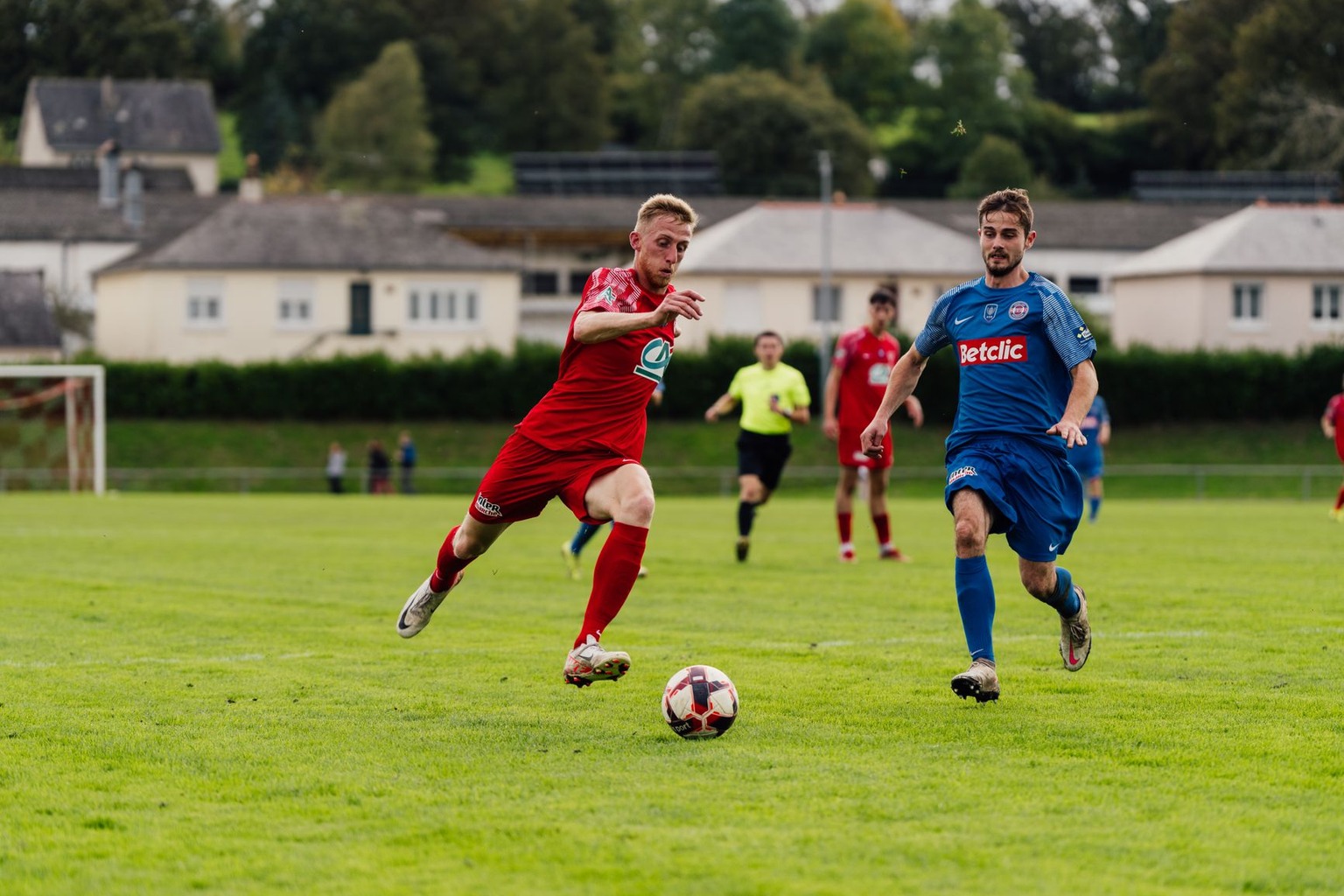
Rotation also extends to the constraints themselves. If you always use the same rule (e.g., no back-passing), players will learn to exploit it rather than think creatively around it. Mix it up by introducing new rules each session, perhaps one day players must use a specific type of pass (e.g., only one-touch or only through balls), while another day they’re limited to two touches. You can even let players suggest constraints, giving them ownership over the game’s rules. This not only keeps them engaged but also teaches them to think critically about the game’s mechanics. The goal isn’t to create a rigid system but to cultivate a mindset where players see every game as a puzzle to solve.
Leverage Fatigue and Pressure to Test Creativity Under Real Conditions
Creativity isn’t just about technical skill, it’s also about performing under pressure. Many small-sided games are played at a leisurely pace because coaches prioritize fun over intensity, but this misses a key opportunity to develop resilience. To simulate real-game conditions, introduce controlled fatigue by limiting rest periods or adding a “sudden death” overtime rule after the initial time expires. For example, in a 3v3 game, play two 10-minute halves with no breaks, then add a 5-minute overtime where the first team to score wins. This forces players to make decisions quickly and under duress, which is where their creativity will either shine or reveal gaps in their decision-making.
The pressure doesn’t have to come from time constraints alone. You can also introduce external factors, such as a “bonus point” for a player who makes a defensive challenge within 10 seconds of gaining possession or a penalty for holding the ball for more than three seconds. These rules create urgency and encourage players to think on their feet. The CatchMark Sports critique of traditional youth soccer highlights that many programs fail to replicate the intensity of competitive play, which is why SSGs with built-in pressure points are so valuable. They teach players that creativity isn’t just about having ideas, it’s about executing them when it matters most.

I’ve been playing soccer since I was a kid and love breaking down drills to help players improve. When I’m not on the pitch, I enjoy analyzing games and sharing practical tips with fellow enthusiasts.