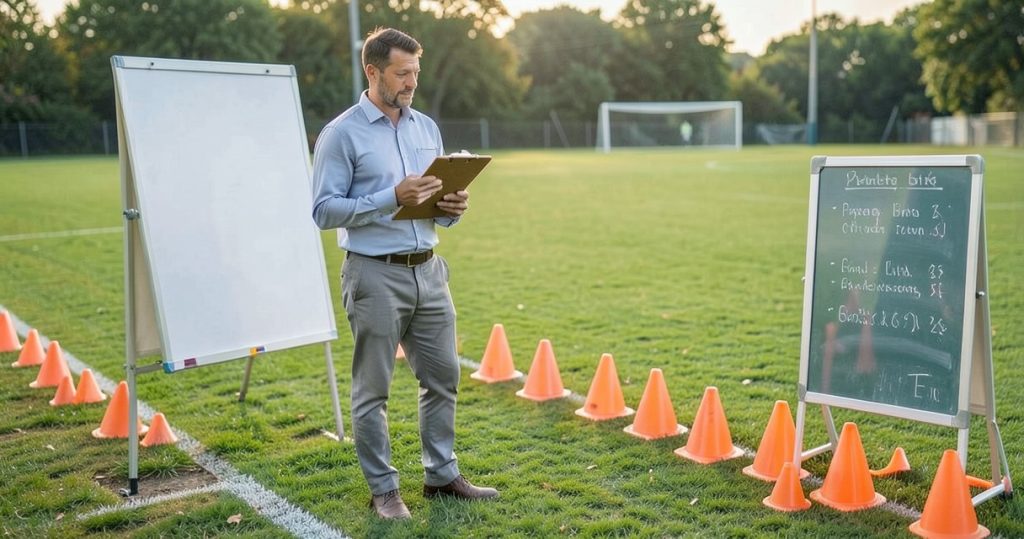
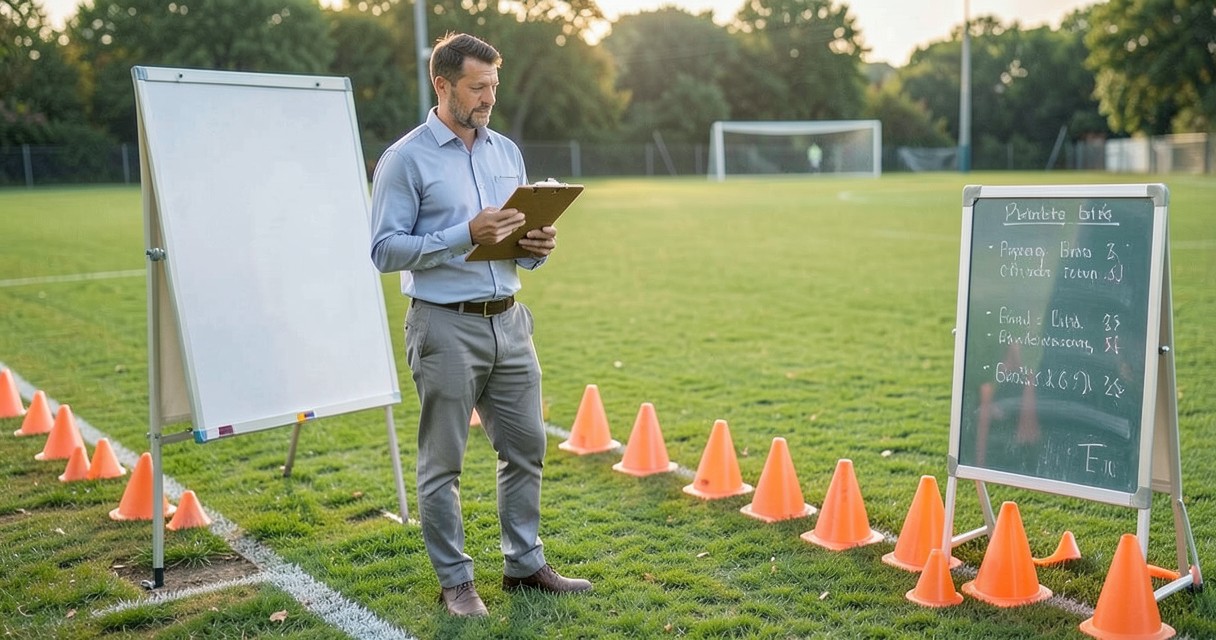
Planning a soccer practice session is essential for any coach looking to enhance their team’s skills, teamwork, and overall performance. A well-structured practice not only maximizes the use of time but also keeps players engaged and motivated. To achieve this, coaches must consider several factors, including the team’s age, skill level, and specific goals for each session. This article provides a comprehensive guide on how to effectively plan a soccer practice that caters to the needs of the players while ensuring a productive training environment.
Establish Clear Objectives for Each Practice
Before diving into the specifics of drills and exercises, it’s crucial to set clear objectives for each practice session. These goals should align with the team’s overall development plan and can range from improving technical skills to enhancing tactical understanding. For example, a practice focused on dribbling might include objectives such as increasing players’ confidence in one-on-one situations and developing their ability to change direction quickly. By defining these objectives, coaches can tailor drills and activities to meet the desired outcomes, ensuring that every minute spent on the field is purposeful.
Moreover, objectives should be specific, measurable, achievable, relevant, and time-bound (SMART). For instance, rather than stating a vague goal like “improve passing,” a SMART objective would be “increase the accuracy of short passes among players by 15% by the end of the session.” This level of specificity helps both coaches and players understand what success looks like and provides a clear target to work towards during practice.
Assess the Skill Level of Your Players
Understanding the skill level of your players is vital in planning effective practice sessions. Each group may have a diverse range of abilities, and recognizing this can help in designing drills that challenge all players without causing frustration. For younger or less experienced players, it is important to focus on fundamental skills such as dribbling, passing, and shooting. In contrast, advanced players might benefit from more complex tactical drills that emphasize decision-making and game awareness.
To gauge skill levels, coaches can conduct initial assessments during practices or games, observing how players perform various tasks. Additionally, regular feedback from players can provide insight into their comfort levels with specific skills. This knowledge allows coaches to modify drills on the fly, ensuring that each player remains engaged and challenged throughout the session.
Design a Balanced Practice Structure
A well-structured practice should include a variety of components that cater to different aspects of the game. A typical practice might consist of warm-ups, technical drills, tactical exercises, and small-sided games. Starting with a proper warm-up is essential, as it prepares players physically and mentally for the session ahead. This could involve light jogging, dynamic stretches, and mobility exercises to prevent injuries and improve performance.
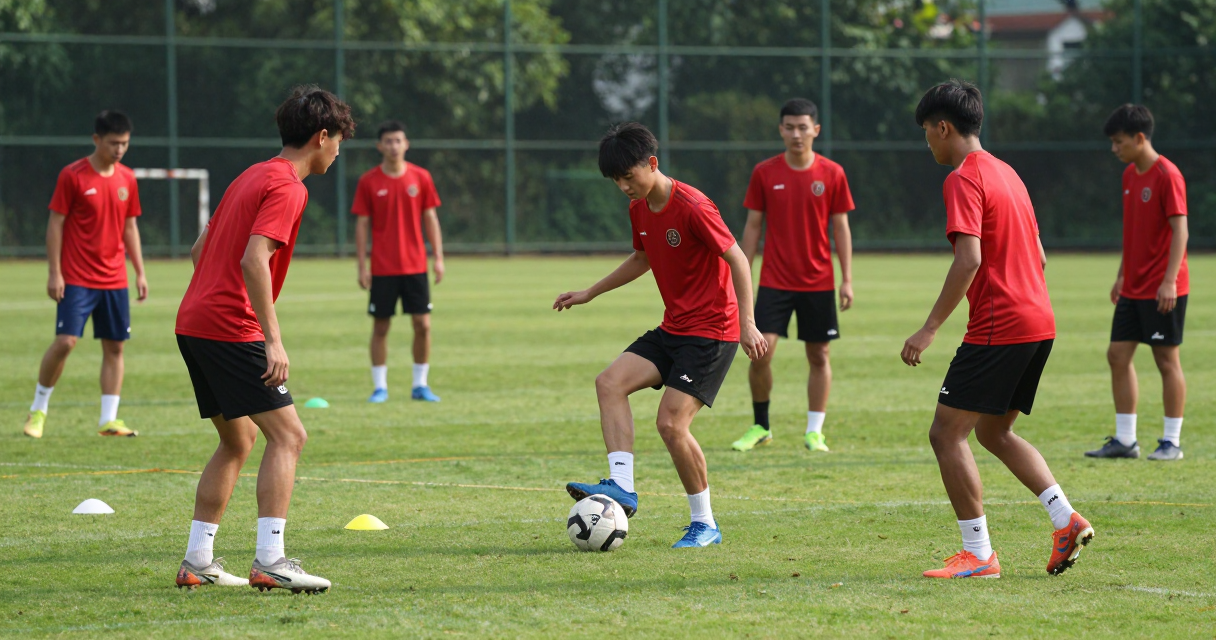
Following the warm-up, technical drills should focus on specific skills such as passing, shooting, or dribbling. Incorporating small-sided games can enhance tactical understanding while allowing players to apply the skills they have practiced in a game-like environment. Finally, concluding with a cool-down period helps players recover and reflects on the session, reinforcing what they learned and how they can improve in future practices.
Incorporate Varied Drills and Activities
To keep practices engaging and prevent monotony, coaches should incorporate a variety of drills and activities. Mixing technical drills with tactical exercises and fun games not only enhances skill development but also maintains players’ interest. For instance, alternating between individual skill drills and team-based exercises can create a dynamic environment that promotes learning and teamwork.
Additionally, consider incorporating challenges and competitions within drills. For example, setting up a passing relay race can encourage players to work on their passing accuracy while fostering a competitive spirit. Such variations not only improve skills but also help in building team camaraderie and a positive practice atmosphere.
Focus on Communication and Teamwork
Soccer is inherently a team sport, and effective communication is vital for success on the field. During practice, coaches should emphasize the importance of verbal and non-verbal communication among players. This can be integrated into drills where players must call for the ball, provide instructions, or signal movements. Encouraging players to communicate fosters a sense of responsibility and connection within the team.
Incorporating teamwork-focused drills can also enhance players’ ability to work together. Small-sided games, where players are forced to collaborate to achieve a common goal, can be particularly effective. Coaches should take the time to discuss the significance of teamwork and communication during practice, reinforcing the idea that these elements are just as critical as individual skills.
Evaluate and Adjust Your Practice Plans
After each practice session, coaches should take time to evaluate what worked well and what could be improved. Gathering feedback from players can provide valuable insights into their experiences and perceptions of the drills. Were the objectives clear? Did they find the drills engaging? This feedback is crucial for making necessary adjustments in future practices.
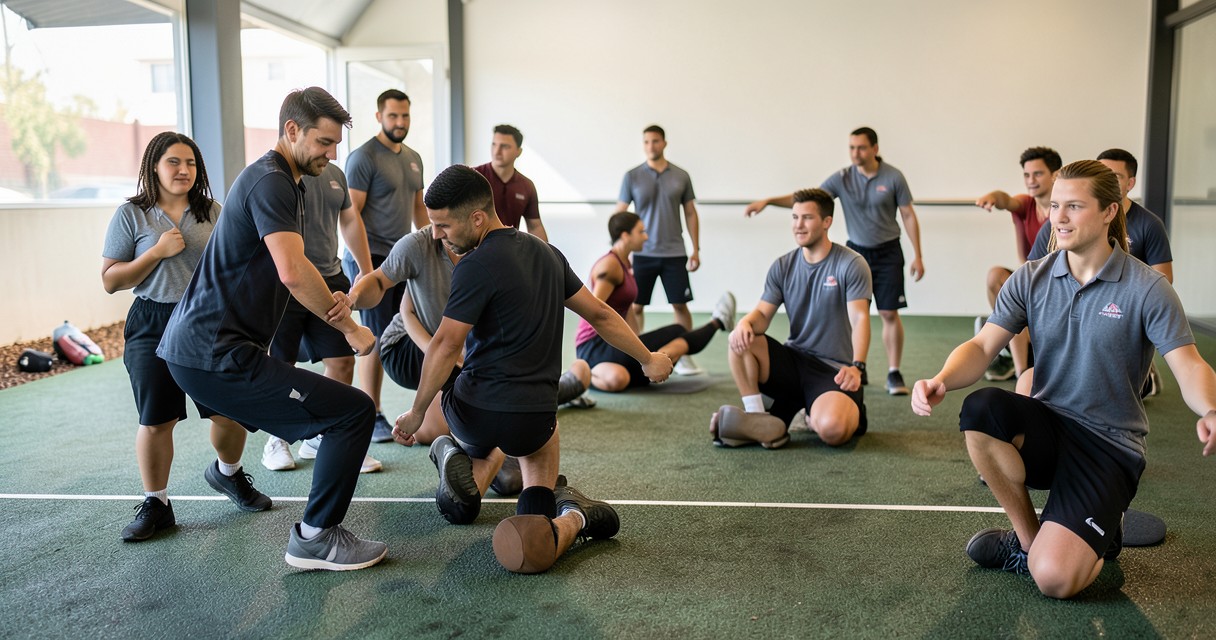
Moreover, keeping a log of practice sessions can help coaches track progress over time. Documenting the objectives, drills used, and player feedback can reveal patterns and trends that inform future planning. By continuously evaluating and adjusting practice plans, coaches can ensure they are meeting the evolving needs of their players and maximizing the effectiveness of each session.
Utilize Technology and Resources
In today’s digital age, coaches have access to a wealth of resources that can enhance practice planning. Various apps and software can help in organizing drills, tracking player progress, and even analyzing game footage. Utilizing these tools can save time and provide a more structured approach to practice planning.
Additionally, coaches can benefit from online platforms offering instructional videos and drill ideas. Engaging with these resources can spark creativity and introduce new techniques that may be beneficial for the team. By using technology effectively, coaches can enhance their practice sessions and provide players with a more comprehensive training experience.