Mastering the fundamentals as a goalkeeper starts with the right drills, and for beginners, focusing on core skills like reflexes, positioning, and footwork is essential. Unlike other positions on the field, goalkeepers spend most of their time in the penalty area, where split-second decisions can change the outcome of a game. The best goalkeeper drills for beginners prioritize repetition, technique, and building confidence under pressure, ensuring players develop muscle memory and adaptability early on. Whether you’re training alone or with a team, these drills will lay the foundation for your development, helping you transition from basic saves to more advanced techniques as your skills progress.
How to Choose the Right Goalkeeper Drills for Your Skill Level
When selecting drills, beginners should prioritize exercises that reinforce foundational skills without overwhelming them. The goal is to build consistency in footwork, reflexes, and distribution, all while keeping sessions engaging to maintain focus. Experts recommend starting with low-pressure drills that emphasize proper technique over speed or intensity. For example, a simple ball-tapping exercise can improve agility and control, while low-shot drills help refine reaction time. Avoid drills that require advanced techniques like long-distance kicks or complex sweeper moves until you’ve mastered the basics. The key is gradual progression, mastering the fundamentals first ensures that more advanced drills become easier to absorb later. Always align the difficulty with your current ability to prevent frustration and encourage steady improvement.
Another critical factor is the type of environment you’re training in. Indoor drills, such as those using weighted gloves or reaction balls, can be particularly effective for beginners because they simulate game-like conditions without the unpredictability of outdoor play. These controlled settings allow you to focus on footwork and reflexes without external distractions. Outdoor drills, on the other hand, should include basic shot-stopping exercises with teammates passing to you from different angles. The goal is to replicate game scenarios as closely as possible, even if the shots are controlled. For instance, starting with soft passes from 10 to 15 yards away helps build confidence before progressing to harder, faster shots. Tailoring drills to your training space and skill level ensures you’re always challenged but never discouraged.
Basic Reflex and Reaction Drills to Start With
Reflexes are one of the most critical skills for a goalkeeper, and developing them early can make a significant difference in your performance. A classic beginner drill involves using a reaction ball, a ball that bounces unpredictably, to sharpen your reflexes. Stand in your goal area and have a partner or coach throw the ball at you from varying distances and angles. The goal isn’t just to catch the ball but to react quickly and adjust your body position to control it. This drill forces your brain to process visual cues faster, improving your ability to anticipate shots in a real game. Experts suggest starting with 20 to 30 repetitions per session to build consistency without fatigue. Over time, you’ll notice your reaction time improving, allowing you to make saves that were once out of reach.
Another effective reflex drill is the “wall ball” exercise, where you stand a few feet away from a wall and have a teammate or coach throw the ball against it at different heights and speeds. Your job is to react and direct the ball back with your hands or feet. This drill not only sharpens your reflexes but also improves your ability to read the ball’s trajectory. Start with slower throws and gradually increase speed as your confidence grows. The key is to stay on your toes and maintain a balanced stance, ready to move in any direction. Many professional goalkeepers credit their quick reflexes to hours of repetition in drills like this, proving that consistency is just as important as intensity. For beginners, mastering this drill early will give you a competitive edge in game situations.
Footwork and Positioning Drills for Goalkeepers
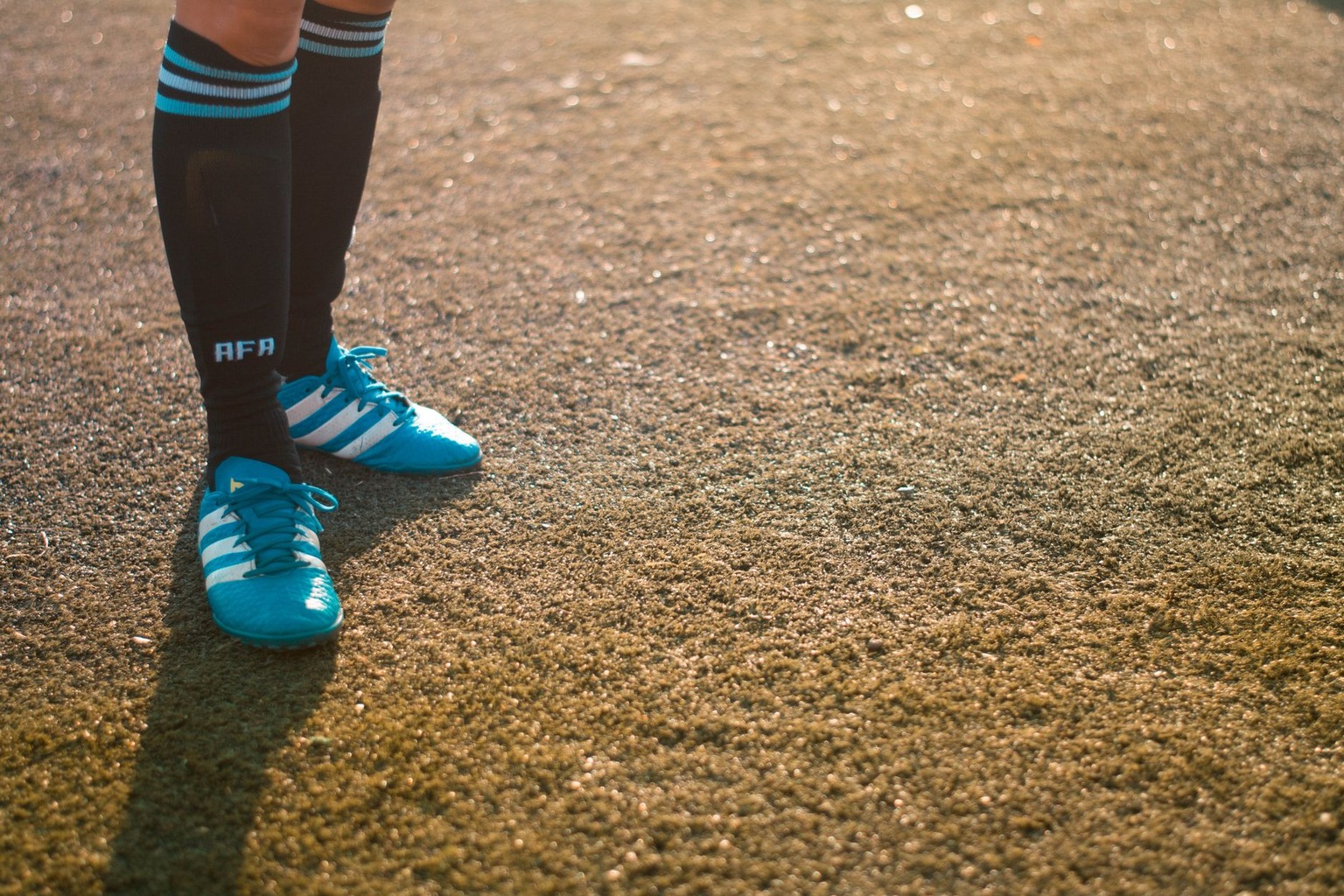
Footwork is often overlooked in beginner training, but it’s just as important as reflexes for a goalkeeper. Proper footwork allows you to cover more ground quickly, adjust to shots from any angle, and maintain balance during saves. One of the simplest yet most effective drills is the “ladder drill,” where you place cones or markers in a straight line and practice quick, controlled steps between them. Start with small steps and gradually increase speed as you become more comfortable. This drill not only improves agility but also teaches you to stay light on your feet, which is crucial for quick lateral movements in a game. Experts recommend doing this drill for at least 10 minutes per session to see noticeable improvements in your foot speed.
Positioning is another area where beginners often struggle, but it can be drastically improved with targeted drills. A common exercise involves setting up cones or markers at different angles around your goal area and having a teammate pass to you from each position. Your goal is to move efficiently to the ball while maintaining a balanced stance. Start by focusing on your starting position, typically centered between the posts, and practice sliding into position as the ball approaches. Over time, you’ll develop a habit of reading the play early and positioning yourself optimally. Many goalkeepers credit their ability to cover the goal effectively to hours spent perfecting this drill. For beginners, it’s essential to practice this regularly to build muscle memory for quick, instinctive movements.
Distribution and Throwing Drills for Beginners
Distribution is a skill that separates good goalkeepers from great ones, and it’s often underestimated by beginners. A strong throw can restart an attack, while a weak one can give the opposition an easy chance to score. Start with basic overhand throws, focusing on proper technique: grip the ball firmly with both hands, step forward with your dominant foot, and follow through with your arm. Practice throwing to a target, like a cone or a teammate, from different angles to build accuracy. Experts suggest starting with short-distance throws and gradually increasing the distance as your confidence grows. Many goalkeepers use a weighted ball for this drill to simulate the feel of a heavier, game-like throw. Consistency is key here, so aim for at least 20 successful throws per session before moving on to more advanced techniques.
Another useful distribution drill involves having a teammate pass to you and then quickly throw the ball back to them. This exercise forces you to react to the pass, position yourself correctly, and execute a clean throw, all in one motion. Start with slow passes and focus on accuracy before increasing the speed. The goal is to develop a smooth, rhythmic motion that allows you to distribute the ball confidently under pressure. Many goalkeepers also practice “one-touch” throws, where they catch the ball and immediately throw it back without pausing. This drill helps build reflexes and control, making you more adaptable in fast-paced game situations. For beginners, mastering these fundamentals will make more advanced distribution drills much easier to learn later.
Goalkeeper Drills That Improve Comfort in the Penalty Area
The penalty area is where goalkeepers spend most of their time, so it’s essential to feel comfortable and confident in this space. One effective drill is the “penalty shootout simulation,” where a teammate takes penalties from different angles while you practice diving, blocking, and positioning. Start with soft shots to build confidence before progressing to harder, faster ones. The goal is to get used to the pressure of a penalty kick and develop a consistent routine for diving and blocking. Experts recommend practicing this drill at least twice a week to improve your reaction time and decision-making under pressure. Many goalkeepers also use this drill to work on their mental toughness, as penalties can be mentally challenging even for experienced players.
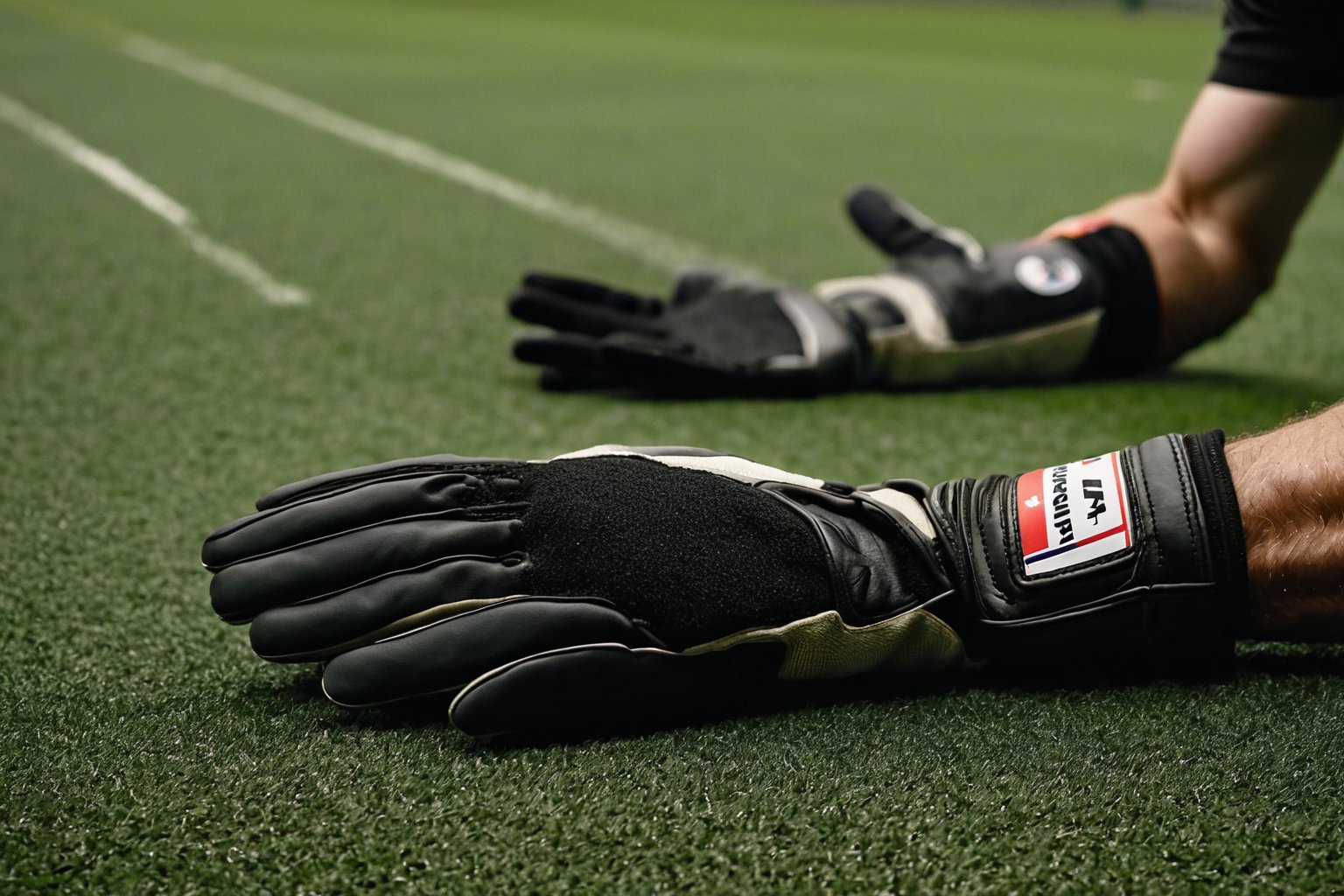
Another drill to improve comfort in the penalty area is the “shadow drill,” where you practice diving and blocking without a ball. Stand in your goal area and simulate diving saves by moving your body into different positions. This helps you get used to the physical sensation of diving and builds muscle memory for quick, explosive movements. Many goalkeepers also use this drill to work on their balance and body control, which are crucial for making saves in tight spaces. For beginners, this drill is particularly useful because it allows you to focus on technique without the added pressure of a live ball. Over time, you’ll develop a natural instinct for positioning and movement, making you a more effective goalkeeper in real-game situations.
How to Progress From Beginner to Intermediate Drills
As you become more comfortable with the basics, it’s time to introduce slightly more advanced drills to keep your training challenging and engaging. One step up from basic reflex drills is using a weighted ball for reaction training. These balls are heavier than standard training balls, forcing you to engage more muscles and improve your reflexes under added resistance. Start with light weights and gradually increase the load as your strength and control improve. Many goalkeepers use weighted gloves for this purpose, as they provide additional resistance while allowing you to maintain proper hand positioning. This drill not only sharpens your reflexes but also builds upper-body strength, which is essential for making powerful saves.
For footwork and positioning, intermediate drills often involve more complex movements, such as lateral shuffles and quick direction changes. One effective exercise is the “zigzag drill,” where you place cones in a zigzag pattern and practice quick, controlled movements between them. This drill improves your agility and helps you get used to changing direction rapidly, which is crucial for covering the goal effectively. Another advanced positioning drill involves having a teammate pass to you from different angles while you practice quick lateral movements. The goal is to stay balanced and cover the goal efficiently, even when the ball is coming from an unexpected direction. For beginners transitioning to intermediate training, these drills help bridge the gap between basic skills and more advanced techniques.

I’ve been playing soccer since I was a kid and love breaking down drills to help players improve. When I’m not on the pitch, I enjoy analyzing games and sharing practical tips with fellow enthusiasts.