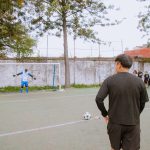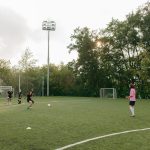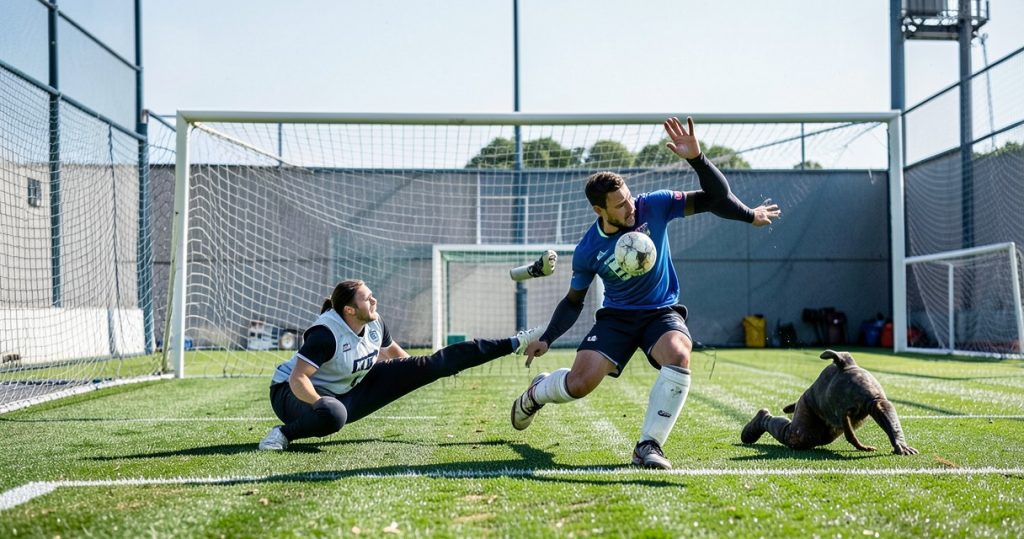
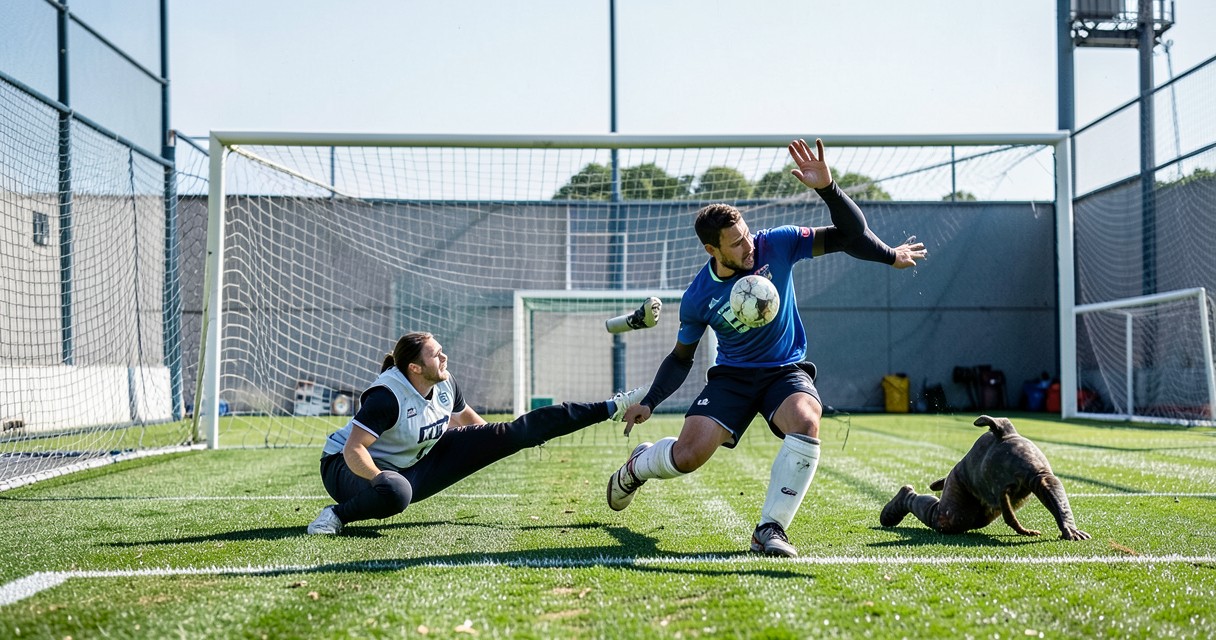
Footwork is an essential skill for goalkeepers, often determining their effectiveness in making saves, distributing the ball, and commanding their area. Unlike outfield players, goalkeepers must possess a unique blend of agility, balance, and quick reflexes, all of which are rooted in superior footwork. By honing these skills through targeted drills, young goalkeepers can enhance their performance on the pitch. This article explores a range of footwork drills specifically designed to develop and refine the footwork of goalkeepers.
Understanding the Importance of Footwork for Goalkeepers
Good footwork allows goalkeepers to position themselves optimally to make saves and respond to the dynamic nature of a game. It enhances their ability to move quickly across the goal line, adjust their body position, and maintain balance while preparing for a shot. When goalkeepers have strong footwork, they can also better anticipate the trajectory of the ball, which is crucial during fast-paced situations. Training in footwork should be a foundational aspect of a goalkeeper’s regimen, as it directly impacts their overall effectiveness during matches.
Moreover, effective footwork contributes to a goalkeeper’s confidence. When a keeper feels in control of their movements, they are more likely to make decisive plays, whether that involves stepping off the line to challenge an attacker or diving to make a critical save. As a result, incorporating footwork drills into training sessions can significantly improve a goalkeeper’s performance on match day.
Basic Footwork Drills to Build Foundation
For novice goalkeepers, basic footwork drills can help establish a solid foundation. One effective drill is the “ladder drill,” where goalkeepers use an agility ladder placed on the ground. They step in and out of the ladder squares, focusing on quick, precise movements. This drill improves foot speed and coordination, essential components for a goalkeeper’s agility. Coaches should encourage keepers to keep their heads up while performing this drill to develop spatial awareness.
Another foundational drill is the “shuffling drill,” where goalkeepers practice lateral movements by shuffling side to side along a specified distance. This drill helps improve lateral quickness, which is vital when moving to cover the goal’s width. Keepers should focus on maintaining a low center of gravity and using small, quick steps to enhance their balance and control during lateral movements.
Advanced Footwork Drills for Enhanced Agility
Once a goalkeeper has mastered the basics, they can progress to more advanced footwork drills. One such drill is the “cone drill,” which involves setting up cones in a zigzag pattern. The goalkeeper starts at one end and uses quick footwork to navigate through the cones, focusing on sharp cuts and changes in direction. This drill simulates the movements required during a game, where keepers must quickly adjust their positioning to respond to shots from various angles.
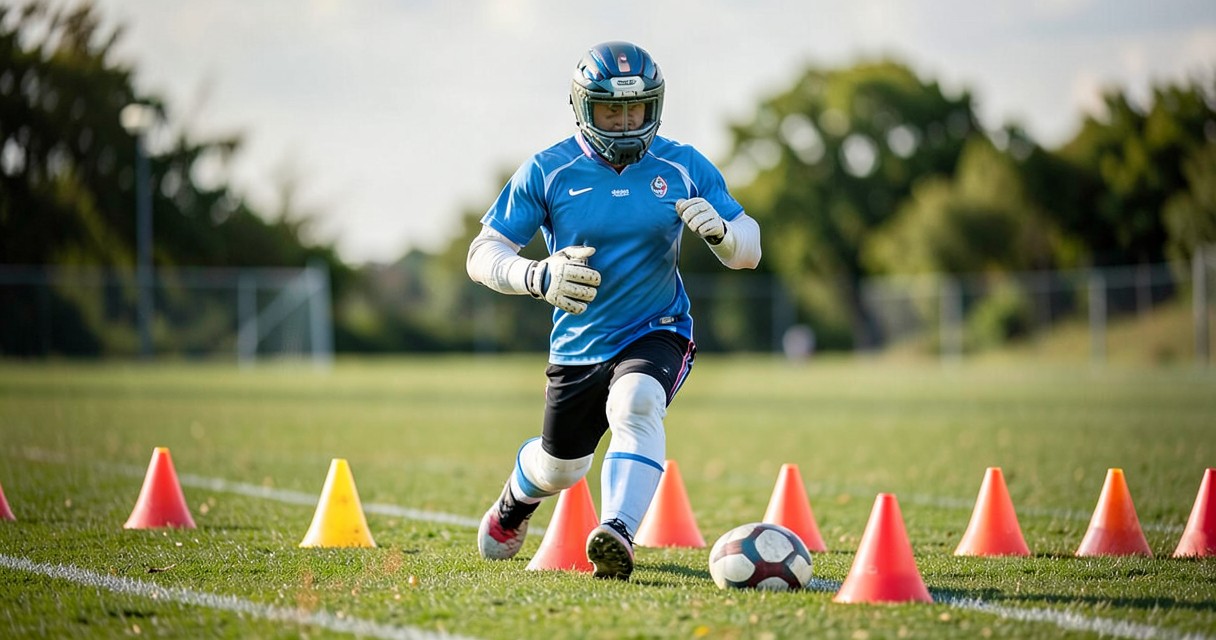
Another effective advanced drill is the “reaction drill.” In this exercise, a coach or assistant calls out commands that dictate the goalkeeper’s movements, such as “left,” “right,” or “forward.” The goalkeeper must react quickly and move in the corresponding direction. This drill not only enhances foot speed but also improves decision-making under pressure, a critical skill for goalkeepers during matches.
Incorporating Ball Work into Footwork Drills
Integrating ball work into footwork drills can significantly improve a goalkeeper’s overall game. One effective drill is the “passing and footwork drill,” where a goalkeeper stands in a set position while a coach or teammate passes the ball to them. As they receive the ball, they should focus on adjusting their footwork to maintain balance and prepare for a distribution. This drill helps goalkeepers develop the ability to move efficiently while controlling the ball, which is crucial for initiating counter-attacks.
Another valuable drill is the “shot-stopping with footwork drill.” In this exercise, goalkeepers start in the center of the goal and must move laterally to make saves from shots taken from various angles. Coaches can vary the shot types and angles to challenge the goalkeeper’s footwork and reaction time. This drill not only emphasizes footwork but also reinforces the importance of positioning when making saves.
Using Jump Rope for Footwork Development
Jump rope exercises are an excellent way to enhance footwork and overall agility for goalkeepers. Skipping rope improves coordination, foot speed, and cardiovascular fitness. A goalkeeper can start with basic jumps, focusing on maintaining a rhythm and light feet. Over time, they can progress to more complex patterns, such as alternating feet or double unders. These variations challenge the goalkeeper’s coordination and help develop their quick foot movements.
Incorporating jump rope into a training routine can also serve as a warm-up or conditioning tool. Goalkeepers can perform jump rope exercises for short intervals, followed by specific footwork drills to maximize their training efficiency. As they build endurance and agility through jumping rope, they will find themselves more capable of handling the physical demands of the game.
Footwork Drills for Game-Like Scenarios
Simulating game-like scenarios can significantly enhance a goalkeeper’s footwork skills. One effective drill is the “1v1 challenge,” where a goalkeeper faces an attacker in a one-on-one situation. The attacker must attempt to score, while the goalkeeper uses footwork to position themselves effectively and make the save. This drill emphasizes the importance of quick lateral movements and decision-making in real-time situations.
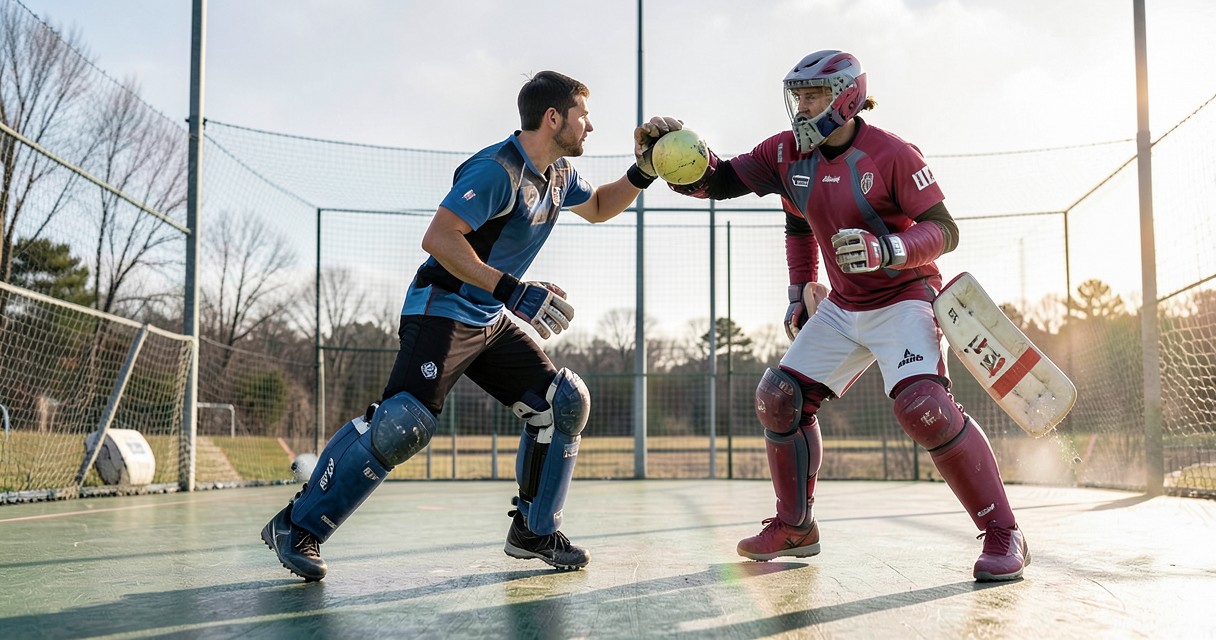
Another useful drill is the “crossing drill,” where coaches deliver crosses from various angles while the goalkeeper practices footwork to position themselves for the catch or punch. This drill helps keepers improve their timing and footwork when dealing with aerial balls, which are common in matches. By practicing these scenarios, goalkeepers can better prepare for the unpredictable nature of a game.
Feedback and Video Analysis for Improvement
Feedback is essential for any athlete looking to improve, and goalkeepers are no exception. Coaches should provide constructive feedback after footwork drills, highlighting areas of strength and opportunities for improvement. Regularly reviewing a goalkeeper’s performance can help identify specific footwork patterns that may need adjustment. This feedback loop encourages goalkeepers to focus on refining their skills continuously.
In addition to verbal feedback, video analysis can be a powerful tool for improvement. Recording training sessions allows goalkeepers to visually assess their footwork and make necessary adjustments. By watching themselves in action, they can identify any habits or inefficiencies in their movements. This self-analysis, combined with coaching feedback, fosters a deeper understanding of the importance of footwork in their overall performance.

I’ve been playing soccer since I was a kid and love breaking down drills to help players improve. When I’m not on the pitch, I enjoy analyzing games and sharing practical tips with fellow enthusiasts.