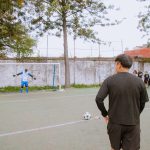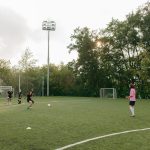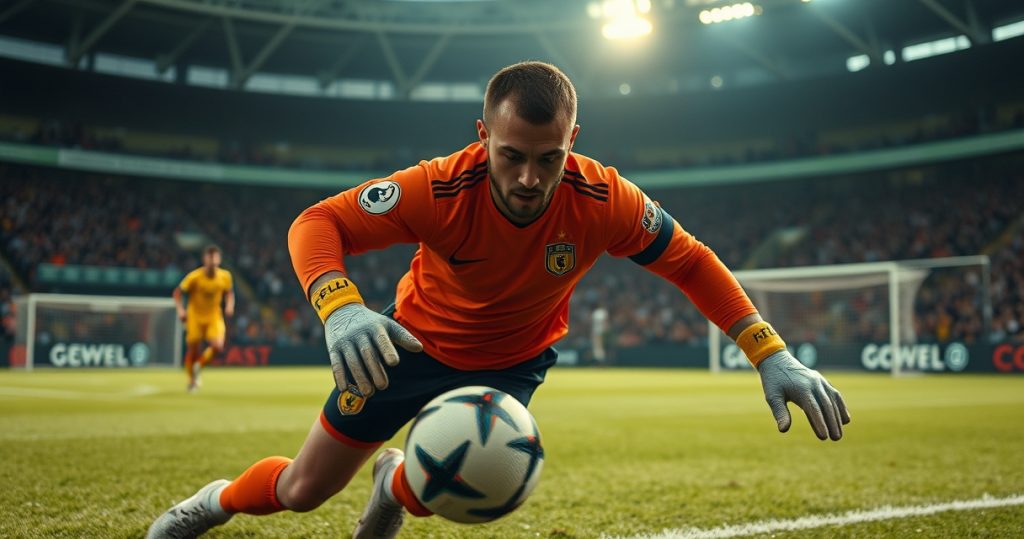
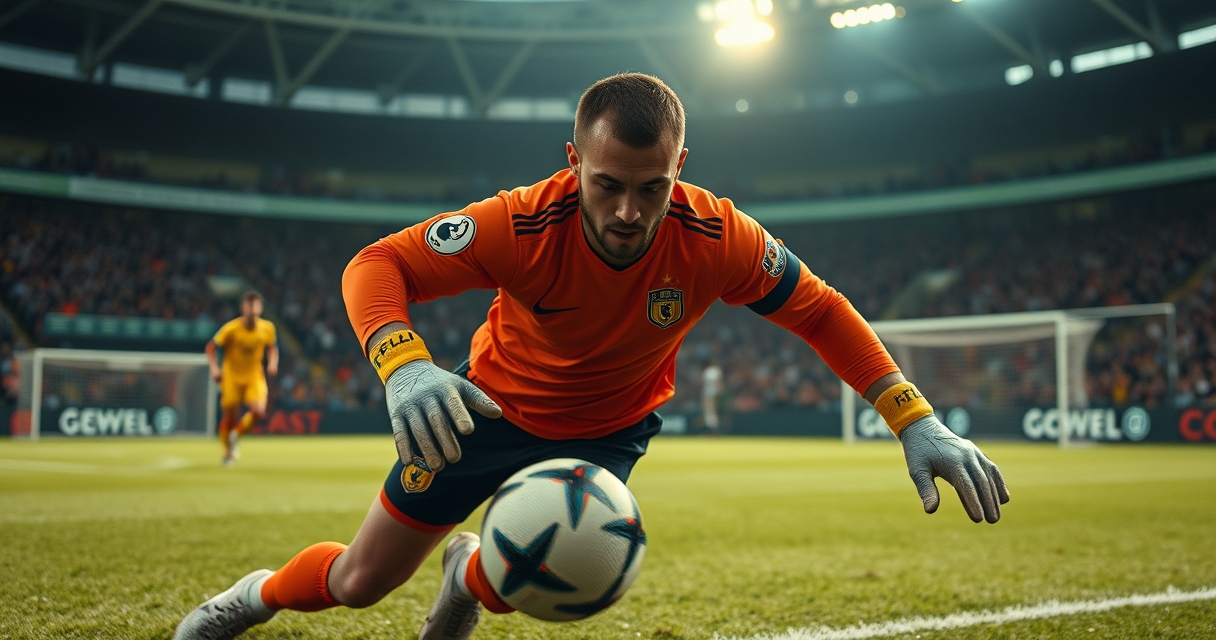
Modern goalkeepers are expected to perform skills beyond just stopping shots. They must also act as an extra playmaker, launching attacks with precise distribution. Coaches now treat distribution as a core skill, not an afterthought. A well-placed throw or driven pass can bypass midfield pressure and create scoring chances before the opponent even regroups. Youth goalkeepers who excel in Youth soccer training often gain a competitive edge, seeing more game time because they contribute to possession and transition. The best keepers read the game like a midfielder, choosing between a quick roll to a fullback or a lofted ball to a sprinting winger. Training these decisions under pressure separates average keepers from those who dictate tempo.
Why Distribution Drills Belong in Every Goalkeeper Session
Distribution drills should occupy at least 20 percent of every goalkeeper session. A typical 60-minute youth session might include 12 minutes dedicated to footwork, catching, and diving, with another 12 minutes reserved for distribution. This ratio reflects the modern game where goalkeepers touch the ball 30 to 40 times per match, often more than some outfield players. Coaches who skip distribution training risk producing keepers who panic under pressure, resorting to aimless punts that gift possession back to the opponent. The drills also build confidence; a 12-year-old who can consistently hit a 30-yard driven pass to a winger’s feet will be trusted by teammates and coaches alike.
Distribution drills also develop peripheral vision and spatial awareness. Goalkeepers must scan the field while the ball is still in their hands, identifying open teammates before the opponent can close them down. This scanning habit is trained through repetition in drills that simulate match scenarios. For example, a simple roll-out drill can evolve into a game where the keeper must choose between three passing options within three seconds. The pressure of time forces quick decision-making, mirroring the split-second choices required in a real match.
Short-Range Roll-Outs and Side-Volley Technique
Short-range roll-outs are the foundation of safe distribution. The keeper starts with the ball in both hands, steps forward with the non-kicking foot, and rolls the ball along the ground to a teammate’s feet. The key is accuracy over power; the ball should arrive at the teammate’s instep, not their toes or shins. Coaches should set up cones 10 to 15 yards away, creating a target zone the size of a hula hoop. Goalkeepers should complete 10 successful roll-outs in a row before moving to the next drill. If the ball bounces or rolls too fast, the keeper resets and tries again.
The side-volley technique is the next progression. The keeper holds the ball in one hand, drops it to waist height, and strikes it with the inside of the foot while it’s still in the air. This method is faster than a ground pass and harder for opponents to intercept. Coaches can add a defender who lightly pressures the keeper, forcing them to decide between a roll-out or a side-volley. A common mistake is striking the ball too high, so keepers should aim for a trajectory that stays below knee height. Practicing this 20 times per session builds muscle memory for quick, low passes in games.
Driven Passes and the Importance of Weighted Distribution
Driven passes are essential for bypassing midfield pressure. The keeper uses the laces to strike the ball with power, sending it 30 to 40 yards to a teammate’s feet or into space. The key is controlling the weight of the pass; too hard, and it skips past the receiver, too soft, and it’s easily intercepted. Coaches should set up a grid 40 yards long and 20 yards wide, with two keepers at one end and two outfield players at the other. The keepers take turns driving the ball to the outfield players, who must control it within two touches. If the pass is too strong or too weak, the keeper repeats the attempt until they find the right weight.
on Panagiotis Pomonis they explain distribution drills for goalkeepers – you can watch it right here
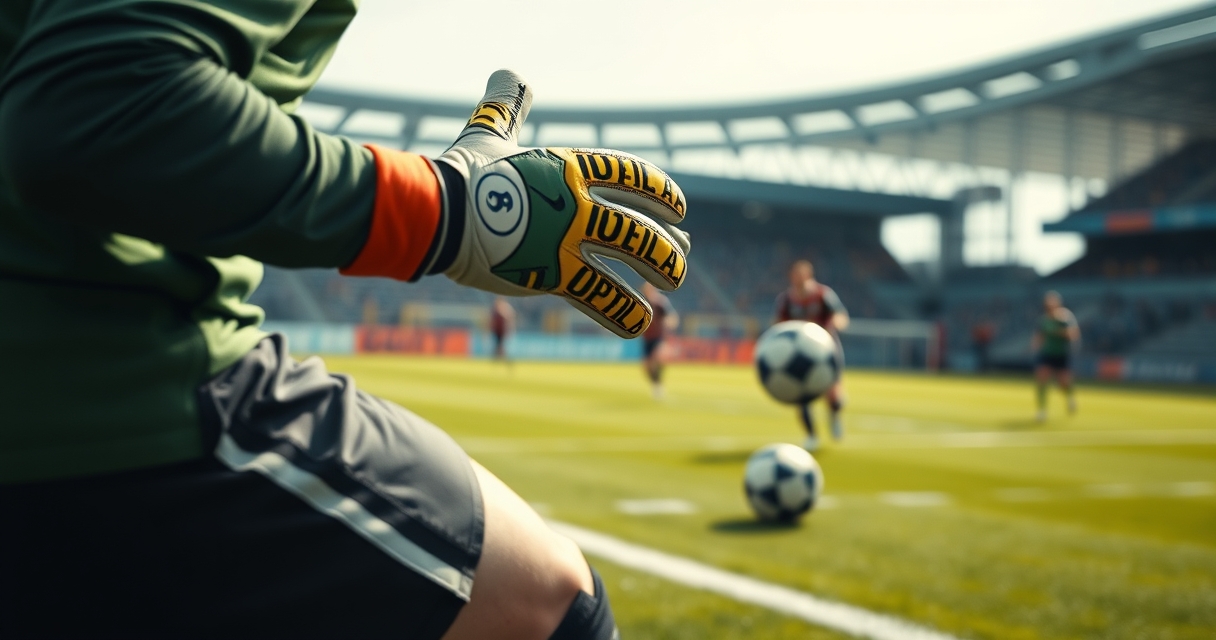
Weighted distribution also applies to long throws. Goalkeepers like Ederson and Alisson excel at throwing the ball 50 yards with pinpoint accuracy. This skill is trained by having the keeper stand on the edge of the 18-yard box and throw the ball to a teammate positioned near the halfway line. The throw should be underhand, with the ball released at the highest point of the arc. Coaches can add a defender who tries to block the throw, forcing the keeper to adjust their aim or power. Practicing this 15 times per session builds the arm strength and accuracy needed for game situations.
Lofted Passes and Switching Play
Lofted passes are used to switch play or find a teammate in space. The keeper strikes the ball with the instep, sending it high and deep to a winger or fullback. The technique requires a firm plant foot and a clean connection with the ball in the fundamentals of youth soccer. Coaches should set up a drill where the keeper must loft the ball over a 10-yard cone line to a teammate 40 yards away. The pass should land within a 5-yard radius of the target, forcing the keeper to focus on both height and distance. If the ball lands short or too far, the keeper repeats the attempt until they achieve consistency.
Switching play with a lofted pass is a high-risk, high-reward skill. Goalkeepers must read the game quickly, identifying when the opponent is overloaded on one side of the field. A well-timed lofted pass can catch the defense off guard, creating a 2v1 or 3v2 situation. Coaches can simulate this by setting up a small-sided game where the keeper must distribute to a teammate on the opposite side of the field within five seconds of receiving the ball. This pressure forces the keeper to scan the field and make quick decisions, just like in a real match.
Pressure Drills That Simulate Match Scenarios
Pressure drills are where distribution skills are truly tested. One effective drill is the “3v1 rondo with a keeper.” The keeper stands in the middle of a 10×10-yard grid with three teammates, while one defender tries to intercept passes. The keeper must distribute the ball to a teammate within three seconds, using any method they choose. If the defender intercepts the ball, the keeper switches places with them. This drill forces the keeper to make quick decisions under pressure, just like in a game where the opponent is pressing high.
Another pressure drill is the “counter-attack transition.” The keeper starts with the ball and must distribute it to one of two teammates sprinting up the field. A defender chases the receiver, forcing the keeper to choose between a short pass or a long ball into space. The drill replicates the chaos of a counter-attack, where the keeper must act quickly to exploit the opponent’s disorganization. Coaches should run this drill 10 times per session, with the keeper rotating between short and long distribution options.
Game-Like Distribution Drills for Youth Goalkeepers
Game-like drills bridge the gap between training and match performance. One effective drill is the “build-up from the back” exercise. The keeper starts with the ball and must distribute it to a teammate while the opponent presses with two forwards. The keeper has three options: a short pass to a center-back, a driven pass to a fullback, or a lofted pass to a winger. The drill forces the keeper to read the press and choose the safest option. Coaches should run this drill for 10 minutes, rotating keepers every two minutes to keep the intensity high.
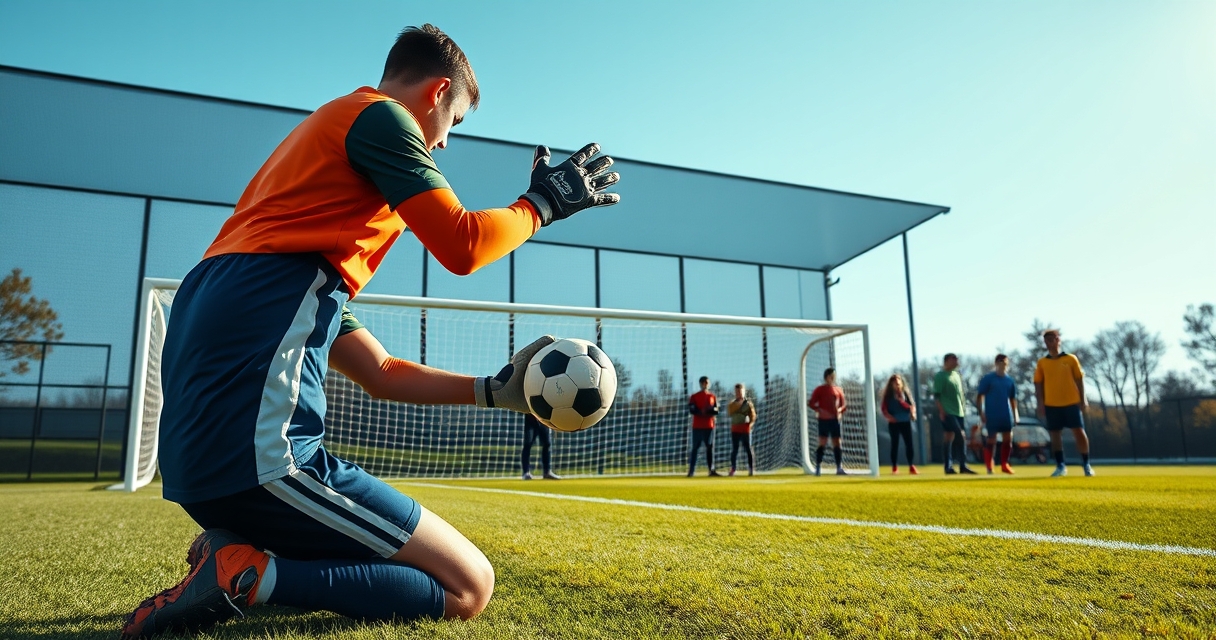
Another game-like drill is the “keeper as the 11th outfield player.” The keeper joins the outfield team in a 6v6 small-sided game, but they must stay within the defensive third. The keeper can distribute the ball using any method, but they cannot score. This drill teaches the keeper to think like an outfield player, making quick decisions and supporting possession. Coaches should encourage the keeper to scan the field constantly, looking for open teammates before receiving the ball. This habit translates directly to match situations, where the keeper must act as an extra playmaker.
Common Mistakes and How to Fix Them
One common mistake is telegraphing passes. Goalkeepers often look at their intended target before distributing, giving the opponent time to intercept. Coaches should train keepers to scan the field while the ball is still in their hands, then make a quick decision. A simple fix is the “no-look pass” drill, where the keeper must distribute the ball without looking at the receiver. This forces them to rely on peripheral vision and trust their instincts, just like in a game.
Another mistake is poor body positioning. Goalkeepers who stand flat-footed struggle to generate power or accuracy in their passes. Coaches should emphasize the importance of stepping into the pass, with the non-kicking foot planted next to the ball. A good cue is “step, plant, strike,” which helps keepers remember the proper sequence. Practicing this in slow motion first, then gradually increasing speed, builds muscle memory for clean distribution.
Finally, keepers often neglect their weaker foot. In a game, they may need to distribute quickly with either foot, so both should be trained equally. Coaches should set up drills where the keeper must use their weaker foot for at least 50 percent of the attempts. This builds confidence and ensures the keeper is comfortable distributing with either foot in match situations.

I’ve been playing soccer since I was a kid and love breaking down drills to help players improve. When I’m not on the pitch, I enjoy analyzing games and sharing practical tips with fellow enthusiasts.