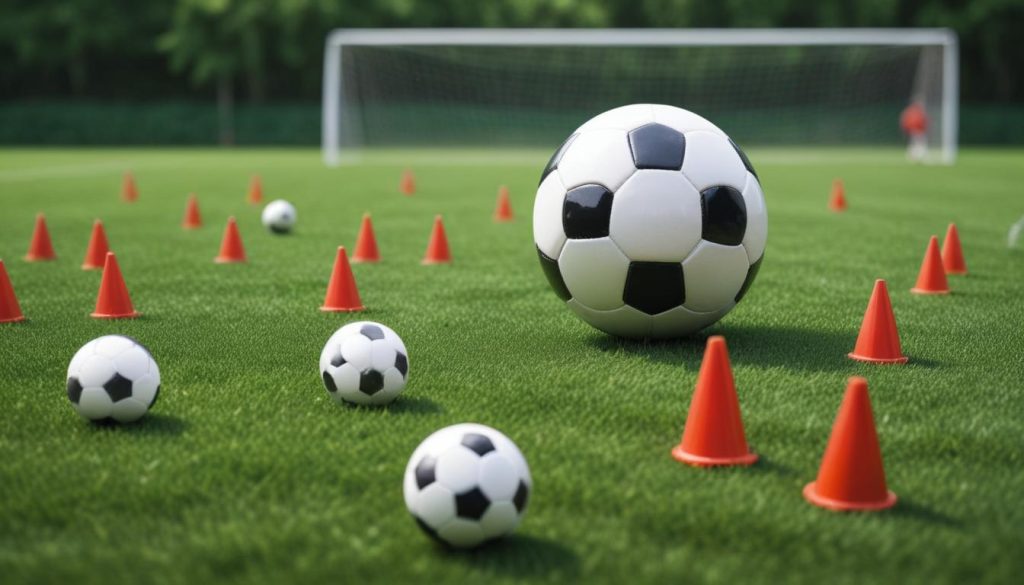

Introduction to Youth Soccer Drills
Youth soccer drills are fundamental to developing the essential skills young players need to succeed on the field. These drills provide a structured way for beginners to practice and improve their techniques, coordination, and understanding of the game. Whether it’s passing, dribbling, shooting, or positioning, each drill targets specific skills that contribute to overall soccer proficiency.
Soccer training basics start with consistent practice using drills that are age-appropriate and designed for beginners. These exercises help players build muscle memory and confidence, allowing them to execute movements more naturally during actual games. Youth soccer drills also encourage teamwork and communication, two critical components of effective soccer play.
Incorporating a variety of drills into practice sessions keeps young athletes engaged and motivated while addressing multiple aspects of soccer development. For example, simple passing drills teach accuracy and timing, while dribbling exercises enhance ball control under pressure. Beginner soccer practice should focus on mastering these fundamentals before progressing to more complex skills and tactics.
Additionally, youth soccer drills help coaches assess each player’s abilities and tailor training accordingly. Early skill development through thoughtfully designed drills lays a strong foundation for long-term improvement and enjoyment of the sport. By emphasizing soccer training basics, young players gain confidence and a passion for the game that can last a lifetime.
Benefits of Regular Practice
Regular practice of youth soccer drills brings numerous practice benefits that extend beyond just improving soccer skills. Physically, consistent practice enhances endurance, strength, and agility, critical attributes for young players learning to compete and perform on the field. These drills help in developing motor skills, coordination, and overall fitness, which are essential for long-term athletic development.
Mental benefits are equally significant. Engaging in regular drills helps young athletes build concentration, discipline, and problem-solving abilities. Practicing soccer routines repeatedly allows players to develop muscle memory and confidence, reducing game-time anxiety and improving decision-making under pressure. The structure and commitment required in frequent practice foster a strong work ethic and resilience that benefit players both on and off the field.
In addition to physical and mental growth, practicing youth soccer drills regularly promotes teamwork and social skills. Players learn to communicate better, cooperate with teammates, and understand collective strategies, which are crucial for effective team play. These social interactions support personal development, boost self-esteem, and create a sense of belonging among peers. In essence, the practice benefits span across skill development, teamwork, and holistic growth, making regular practice indispensable for young soccer players.
Age-Appropriate Drill Selection
Choosing age-appropriate drills is essential when working with youth soccer age groups to ensure both effective learning and player safety. Different age groups have varying physical abilities, attention spans, and skill levels, which must be considered during drill selection. For younger players, especially those under the age of 8, drills should focus on basic motor skills such as running, coordination, and simple ball handling. These age-appropriate drills help build confidence and foster a love for the game without overwhelming them with complex tasks.
As children grow older and move into the 9-12 age group, drills can incorporate more structured activities that emphasize teamwork, spatial awareness, and fundamental soccer techniques. This is the perfect stage to introduce drills that challenge their cognitive understanding of the game while still prioritizing safety by avoiding high-impact or overly competitive exercises. For teenagers and players above 13, drill selection should begin to simulate real-game scenarios, including tactical movements, positioning, and endurance training. These age-appropriate drills enhance their decision-making skills and physical stamina in a controlled environment.
When selecting drills, always evaluate the developmental needs and physical capabilities of the specific youth soccer age groups involved. Incorporate drill selection tips such as adjusting duration, intensity, and complexity according to age and skill level. By tailoring practices with age-appropriate drills, coaches can maximize learning outcomes while minimizing injury risks, ensuring a positive and productive soccer experience for all players.
Fundamental Youth Soccer Drills
When introducing young players to soccer, focusing on basic soccer drills is essential to build a strong foundation in the sport. These drills are designed to develop key skills such as dribbling, passing, and shooting, which are crucial for a player’s growth and confidence on the field.
Dribbling exercises help youth players gain better control over the ball and improve their agility and coordination. A simple yet effective drill is the cone dribble, where players weave in and out of a series of cones placed in a straight line. This drill encourages close ball control and quick footwork, important skills for maneuvering around defenders during a match.
Passing drills focus on accuracy, timing, and communication between players. One of the basic soccer drills for passing involves pairing players together to practice short passes back and forth, gradually increasing the distance. Encouraging the use of both feet helps young players become more versatile and confident passers. Additionally, small-sided games can be incorporated to simulate match situations and enhance teamwork and positioning.
Shooting practice is vital in teaching players how to finish scoring opportunities. Starting with stationary shooting drills, players learn proper foot positioning and striking technique. Progressively, shooting drills can incorporate movement and passing to simulate realistic scoring chances during a game. Using targets in the goal helps players focus on accuracy, while repetition builds muscle memory and confidence in front of goal.
Incorporating these basic soccer drills into regular training sessions ensures that youth players develop essential skills in a fun and structured environment. Consistent practice of dribbling exercises, passing drills, and shooting practice will not only improve their technical abilities but also foster a deeper love for the game and a sense of accomplishment.
Dribbling Drills
Effective dribbling drills are essential for young players looking to enhance their dribbling skills, ball control, and overall agility on the soccer field. These drills focus on improving footwork, coordination, and the ability to maneuver the ball tightly under pressure. One popular drill is the cone weave, where players dribble the ball through a set of cones spaced closely together. This drill encourages precise touches and helps develop quick directional changes, boosting both ball control and footwork skills.
Another great drill is the zigzag dribble, which involves players moving the ball diagonally between markers while maintaining close control. This not only improves agility but also simulates real-game situations where quick changes in direction are vital. Footwork drills like toe taps and step-overs also complement dribbling practice by increasing a player’s confidence in manipulating the ball with different parts of their feet.
To further develop ball control, coaches can incorporate one-on-one challenges where players must use their dribbling skills to evade defenders. This competitive element helps improve decision-making and enhances the ability to keep possession under pressure. Regular practice of these drills will build a solid foundation in dribbling skills, helping young players become more effective and confident on the field.
Passing and Receiving Drills
To develop accurate passing techniques and receiving skills, it is essential to focus on drills that emphasize precision and coordination among teammates. One effective drill is the “Triangle Passing Drill,” where three players form a triangle and practice passing the ball quickly and accurately to each other. This drill helps players improve their passing accuracy under pressure while enhancing their ability to receive the ball with control.
Another valuable drill is the “Give and Go,” which encourages dynamic movement and sharp passing. In this exercise, a player passes the ball to a teammate and immediately moves to receive a return pass. This drill improves players’ timing, awareness, and receiving skills, fostering better team coordination during real-game scenarios.
The “Passing Gate Drill” is also highly beneficial. Set up small gates using cones, and players must pass the ball through the gates to their teammates. This drill sharpens passing precision and decision-making, as players must aim carefully to keep possession and facilitate smooth play. Incorporating these drills regularly builds confidence and ensures that passing and receiving become second nature during games.
Shooting Drills
Developing shooting accuracy and power is essential for young players aiming to improve their goal scoring practice. One effective drill is the “Target Practice,” where players shoot at specific zones in the goal to refine their shooting techniques. Using cones or markers inside the goal area encourages precision and helps players focus on placement rather than just power.
Another valuable drill is the “One-Touch Finish,” which trains players to shoot quickly and accurately after receiving a pass. This drill improves their reaction time and ability to score under pressure, mimicking real-game scenarios. It also builds confidence in striking the ball with different parts of the foot, which enhances overall shooting techniques.
To build power alongside accuracy, the “Power Shots” drill is great for young players. They take shots from various distances, concentrating on striking the ball with the laces for maximum force. Coaches should emphasize proper body positioning and follow-through to avoid injury and increase shot effectiveness.
Incorporating these drills into regular practice sessions allows youth players to develop a balanced shooting skill set. Mastery of both accuracy and power in shooting drills will increase their confidence and success in scoring goals during matches.
Tips for Coaching Youth Soccer Drills
Effective coaching tips are essential for youth soccer training to ensure young players not only improve their skills but also stay motivated throughout their development. A key approach is to create a supportive and positive training environment where players feel safe to try new techniques and make mistakes. Encouraging effort and progress rather than just results helps build confidence and enthusiasm among young athletes.
One of the best coaching tips is to maintain clear and simple communication. Use age-appropriate language and demonstrate drills step-by-step to ensure all players understand the objectives. Visual aids and fun, engaging activities make training sessions more enjoyable and help reinforce learning. Repeating key points and providing immediate, constructive feedback also strengthens skill acquisition and keeps players focused.
Motivational coaching plays a significant role in youth soccer training. Celebrate small victories and encourage teamwork to foster a sense of belonging and shared purpose. Avoid harsh criticism; instead, use positive reinforcement to inspire players to keep trying and improving. Setting achievable goals tailored to each player’s abilities promotes individual growth and prevents frustration.
Another effective practice is to balance skill drills with fun games. Incorporate challenges and friendly competitions to maintain excitement and energy levels. This approach helps players apply skills learned in drills to real-game situations, enhancing their understanding and adaptability. Regularly rotating drills and activities also keeps training fresh and prevents monotony.
Lastly, being patient and adaptable as a coach is crucial. Every player learns at their own pace, and a flexible coaching style that adjusts to different learning needs can make a significant difference. Listen to players’ feedback, watch their progress closely, and modify drills accordingly to maximize learning outcomes. With thoughtful coaching tips and motivational coaching, youth soccer training becomes a rewarding experience that nurtures both skills and love for the game.
Engaging and Motivating Players
Keeping youth players engaged during soccer drills is essential for effective skill development. Player engagement can be significantly enhanced by incorporating motivation strategies that make each session enjoyable and rewarding. One of the most effective ways to sustain interest is by using fun drills tailored to the players’ skill levels and interests. These drills should encourage active participation while challenging the players in a positive way.
Motivation strategies include setting achievable goals, rewarding effort, and fostering a supportive team environment. Coaches can create mini-competitions within drills to inspire a healthy sense of competition, which often boosts excitement and dedication. Providing positive feedback consistently helps players feel valued and understood, reinforcing their enthusiasm to improve.
Another key approach to promoting player engagement is to involve the players in decision-making, such as choosing drills or setting personal goals. This involvement gives them a sense of ownership and responsibility towards their progress. Additionally, varying drills and introducing new challenges prevent boredom and keep the players eager to learn more each session.
Ultimately, combining motivational strategies with fun drills ensures that youth soccer sessions remain dynamic and enjoyable, fostering both skill development and a love for the game. Keeping players engaged through these methods builds confidence and encourages ongoing participation in youth soccer programs.
Ensuring Safety and Injury Prevention
When conducting youth soccer drills, adhering to safety tips is paramount to protecting players from injuries. Coaches should always start with a proper warm-up to prepare muscles and joints for physical activity, reducing the risk of strains or sprains. Ensuring that the playing surface is safe and free from hazards like holes or debris further minimizes potential accidents.
Another fundamental safety guideline is the use of appropriate equipment, including shin guards and properly fitted footwear, to safeguard players during drills. Clear instructions and demonstrations of safe drill practices help young athletes understand how to perform movements correctly and avoid dangerous collisions or falls. Supervision is essential to monitor player behavior and promptly address any unsafe actions.
Coaches should also recognize when players need rest and hydration breaks to prevent exhaustion and heat-related illnesses. In an injury prevention approach, drills should be age-appropriate and progress gradually in intensity to build skill without overwhelming young players. Lastly, having a well-equipped first aid kit and an emergency plan ensures quick response if injuries occur, prioritizing player safety at all times.

I’ve been playing soccer since I was a kid and love breaking down drills to help players improve. When I’m not on the pitch, I enjoy analyzing games and sharing practical tips with fellow enthusiasts.