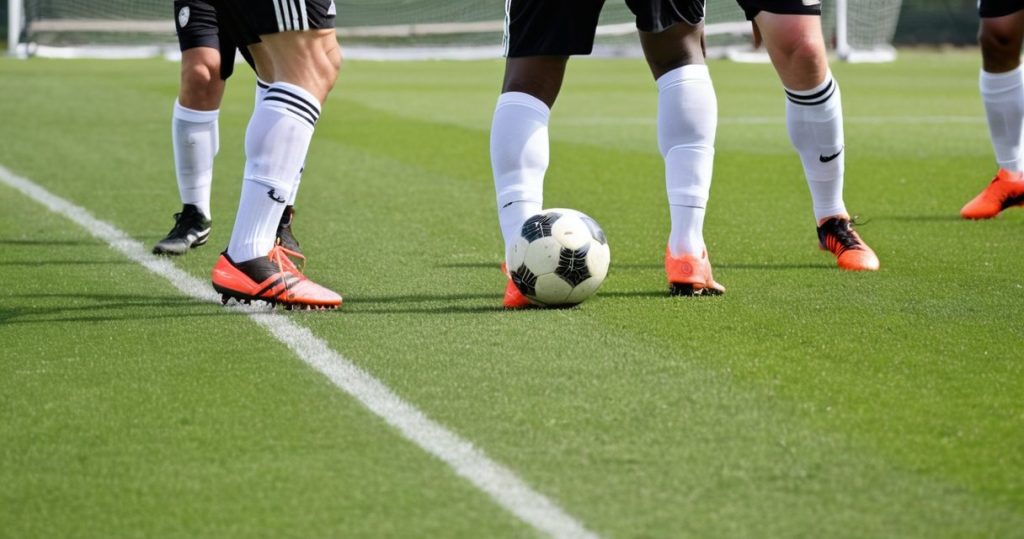
Why Spacing Matters in Soccer
Effective soccer spacing transforms how teams perform on the field by creating opportunities that crowded formations simply cannot achieve. When players maintain proper distances, they open passing lanes and reduce the risk of turnovers under pressure. This approach directly enhances ball movement, allowing midfielders to dictate the tempo while forwards stretch defenses.
Strong player positioning also bolsters defensive organization. Teams that master soccer spacing prevent opponents from exploiting gaps between lines, forcing attackers into low-percentage areas. Coaches emphasize this during training because it builds a cohesive unit that reacts quickly to transitions, turning potential threats into counterattacks.
In high-stakes matches, tactical awareness becomes the difference between victory and defeat. Players who understand team strategy through disciplined spacing can switch play seamlessly, pulling defenders out of position. For example, during the 2022 World Cup, Argentina frequently used wide spacing to create overloads on the flanks, leading to decisive crosses that overwhelmed tighter defenses.
Real-game scenarios highlight how soccer spacing boosts scoring chances. Consider Manchester City’s Premier League campaigns, where intricate player positioning allows wingers to receive the ball in space, drawing markers away and freeing central strikers for tap-ins. This calculated team strategy consistently generates high-quality chances by stretching compact backlines.
Ultimately, prioritizing spacing cultivates smarter decision-making across the squad. Athletes learn to scan for options earlier, anticipate movements, and maintain shape even under fatigue. The result is fluid ball movement, rock-solid defensive organization, and a steady rise in goal-scoring opportunities that define successful sides at every level.
Basic Soccer Drills for Spacing
Youth training programs benefit greatly from beginner soccer drills that emphasize proper positioning. These spacing exercises build awareness of distances between teammates and opponents, helping young athletes develop better decision-making on the field. Incorporating cone drills into sessions allows players to visualize and maintain optimal spacing during play.
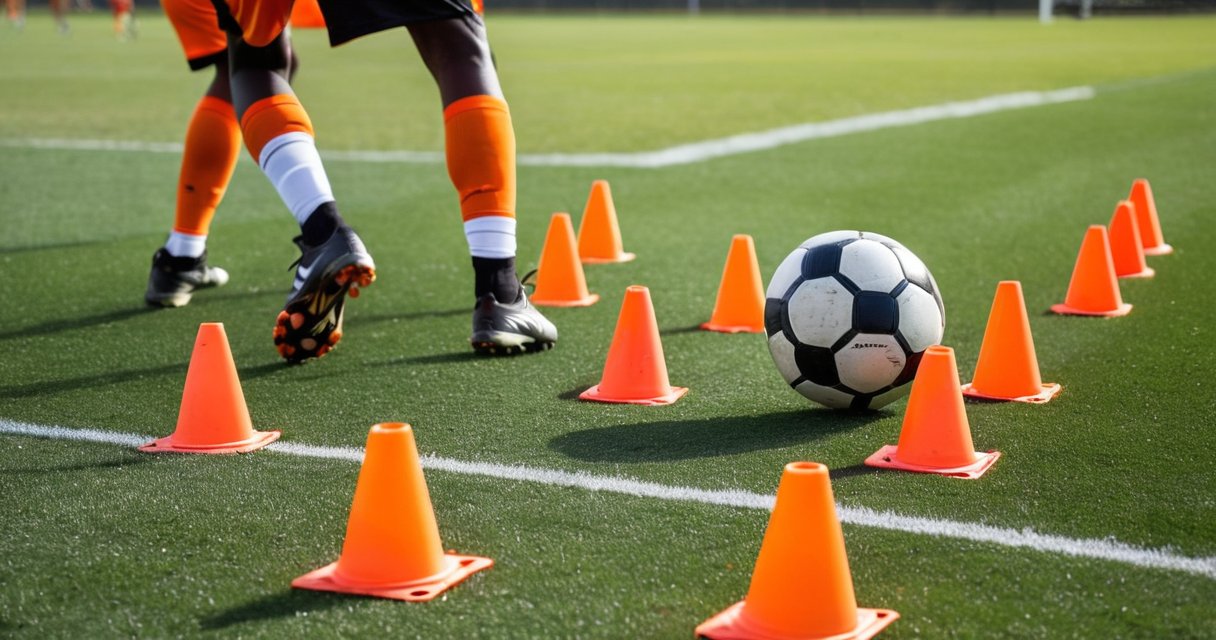
One effective beginner soccer drill starts with a simple cone grid setup. Place cones in a 10-by-10-yard square grid with each cone spaced five yards apart. Players begin by jogging through the grid while keeping at least five yards from teammates. Coaches call out changes in direction to reinforce awareness. This spacing exercise teaches athletes to adjust their runs based on nearby players and prepares them for game situations where maintaining distance prevents crowding.
Another valuable cone drill involves partner passing. Set two cones ten yards apart and have pairs stand beside each cone. Players pass the ball back and forth while taking small steps to preserve the ten-yard distance. Progress the drill by adding a passive defender who walks between the pairs, forcing players to shift sideways or backward to sustain proper spacing. These spacing exercises highlight the importance of communication and quick adjustments in youth training.
A third beginner soccer drill uses a triangular formation with cones at each point. Groups of three players position themselves at the cones and pass while rotating clockwise, always aiming to keep equal distances of about eight yards. Introduce movement by having one player dribble toward another cone, requiring teammates to reposition instantly. This cone drill builds instinctive understanding of triangles and open space during youth training sessions.
Finally, transition these spacing exercises into a 4v4 small-sided game with boundary cones marking a 20-by-20-yard area. Award extra points when teams demonstrate clear spacing by spreading out rather than clustering. Throughout all drills, coaches should pause play to discuss correct distances, ensuring players internalize the concepts. Regular practice of these beginner soccer drills leads to improved team shape and fewer turnovers caused by poor positioning.
Intermediate Spacing Drills for Teams
These intermediate soccer drills are designed to elevate team coordination by integrating passing patterns with dynamic movement. Players learn to create and exploit space effectively during build-up play and transitions, fostering better overall field awareness on the field. By focusing on both possession retention and quick switches, teams can develop a more cohesive approach to managing space.
One effective drill involves a 6v4 possession game in a confined area divided into zones. Teams must use short and medium passing patterns to maintain possession while constantly moving off the ball to open lanes and create numerical advantages in key areas. This setup encourages players to recognize and fill spaces intelligently, improving their ability to transition from defense to attack seamlessly with precise timing and positioning.
Another key exercise focuses on build-up from the back using a 4-3-3 formation structure. Defenders and midfielders practice triangular and diamond passing patterns to bypass pressing opponents, creating space for wingers and forwards to exploit on the flanks or through the middle. Coaches can add triggers like a completed pass sequence for immediate transitions, simulating game scenarios where quick decision-making and movement are essential for success in competitive environments.
Incorporating these drills into regular training sessions enhances team coordination significantly over time. As players become more attuned to each other’s positioning and movements, their field awareness sharpens dramatically, allowing for more fluid and effective play on the pitch during matches.
To maximize benefits, emphasize verbal and non-verbal communication along with perfect timing in all passing patterns. Regular practice of these intermediate soccer drills will lead to noticeable improvements in how teams manage and utilize space during crucial moments of the game, resulting in better overall performance and results.
Advanced Drills for Competitive Spacing
Advanced soccer drills are essential for teams aiming to excel in competitive environments by mastering dynamic spacing. These drills focus heavily on positional play, which is the foundation of organized and effective team movement. High level training incorporates a variety of exercises that challenge players to think ahead and maintain distances even as situations change rapidly. Game scenarios are used extensively to ensure that the skills learned are applicable in real matches where spacing mistakes can lead to goals conceded or missed opportunities.

One complex drill involves small-sided games with 4v4 plus two neutral players on a half pitch. The objective is to keep possession while adhering to spacing rules that prevent bunching. Players must constantly scan the field and communicate to adjust their positions, creating passing lanes and covering potential threats. This setup allows for high intensity work that builds both technical and tactical awareness, preparing athletes for the demands of full matches. Progressions include adding pressing triggers or limited touches to increase realism and force quicker decisions on when to expand or contract space.
In full team scenarios, drills like phase of play exercises from defense to attack in an 11v11 setting help solidify these concepts. Teams practice moving as a unit, with specific triggers for advancing or retreating to maintain the desired shape. High level training in these game scenarios often includes opposition to make it realistic, forcing players to react to live situations rather than static patterns. Midfield rotations and fullback overlaps are emphasized so that width and depth remain balanced throughout transitions.
The benefits of such advanced soccer drills extend beyond immediate improvements, leading to better overall performance in positional play during competitive play. Regular exposure to these formats builds resilience, ensuring spacing discipline holds even under fatigue in the final stages of matches.
Fixing Common Spacing Mistakes
One of the most frequent soccer mistakes involves players bunching together near the ball, resulting in limited passing options and increased pressure from opponents. Addressing these issues requires targeted overcrowding fixes that coaches implement through structured activities. For instance, drill corrections can involve dividing the field into grids and requiring players to occupy specific zones before advancing. This approach helps in visualizing and maintaining proper spacing throughout the game.
Coaching tips often emphasize communication among teammates to call out positions and adjust dynamically. Another error is neglecting width on the flanks, which allows defenses to compact centrally. Corrections here include wing-specific drills where fullbacks and wingers practice overlapping runs while staying wide. Coaches should monitor these sessions closely, offering real-time adjustments to ensure players understand the importance of spreading out.
Furthermore, teams sometimes ignore depth, with all players on the same line, making it easy for offside traps. To fix this, introduce drills that focus on staggered positioning and timed movements. By consistently applying these coaching tips and drill corrections, squads can overcome common soccer mistakes related to spacing. Regular practice of overcrowding fixes leads to better game awareness and fluid play. Patience and repetition are key, as players gradually internalize the value of space and how it creates opportunities for success.

I’ve been playing soccer since I was a kid and love breaking down drills to help players improve. When I’m not on the pitch, I enjoy analyzing games and sharing practical tips with fellow enthusiasts.