
What Is Off the Ball Movement in Soccer
Off the ball movement refers to the actions taken by soccer players to change their positions on the field while not in possession of the ball. Unlike on-ball actions like dribbling or passing, this involves subtle runs, drops, and shifts that go unnoticed by casual observers but are vital for team success. It requires high levels of awareness, fitness, and tactical understanding to execute properly during matches. Players must constantly scan the field and communicate to ensure their movements align with the team’s overall strategy.
In today’s modern soccer, characterized by intense pressing and sophisticated defensive setups, off the ball movement matters more than ever. Teams in top leagues rely on it to break lines and maintain possession under pressure. Without effective movement off the ball, even the most skilled ball handlers can find themselves isolated and unable to progress the play forward effectively against organized opponents.
Soccer positioning is directly enhanced through deliberate off the ball movement. Players learn to occupy half-spaces, make decoy runs, and rotate positions seamlessly. This not only confuses markers but also ensures that the team maintains width and depth, which are fundamental principles of attacking play in contemporary football.
Player movement drills are designed specifically to improve off the ball movement. Through repetitive exercises involving shadow play, small-sided games, and positional rondos, athletes develop the instincts needed to move at the right moments. These sessions focus on timing, angles, and decision-making under fatigue to mimic real match conditions.
By utilizing off the ball movement effectively, teams can create space and scoring opportunities. For instance, a striker’s timed run can pull defenders out of position, allowing a midfielder to exploit the gap created. This dynamic approach turns potential stalemates into dangerous attacks, leading to more goal-scoring chances and overall team dominance on the field.
Benefits of Off the Ball Movement Drills
Practicing off the ball movement drills regularly provides a multitude of benefits that can transform a soccer player’s abilities on the field. These drills emphasize positioning and movement without possession of the ball, leading to improvements in various aspects of the game for everyone involved.

On the physical side, engaging in these activities greatly enhances soccer fitness. Athletes experience increased cardiovascular endurance, better speed, and superior agility. The constant running, stopping, and changing directions help build muscle tone and overall stamina. This means players can sustain high performance levels for longer periods during matches, contributing to better results for their teams and reducing fatigue-related errors.
Tactically, the drills are invaluable for developing off ball awareness. Players become more adept at reading the game, anticipating where the ball will go, and moving into advantageous positions. This heightened sense of awareness allows for more effective plays, such as creating space for passes or setting up goal-scoring opportunities. Over time, this tactical acumen becomes a natural part of their playing style, leading to smarter decisions under pressure.
From a team perspective, off the ball movement drills improve team coordination significantly. Teammates learn to work in unison, understanding each other’s movements and intentions without the need for constant verbal cues. This leads to smoother transitions between defense and attack, as well as more organized defensive structures. Enhanced coordination fosters trust and synergy among players, which is crucial for success in competitive environments at any level of play.
These benefits apply to players at all levels, whether they are beginners learning the basics or advanced professionals looking to maintain their edge. Regular practice ensures continuous growth and adaptation, making these drills a staple in any comprehensive training regimen designed to build well-rounded soccer athletes.
Basic Off the Ball Movement Drills
These beginner soccer drills focus on essential movement patterns that build timing, angles, and basic off the ball runs. Players develop fundamental positioning by practicing simple sequences that translate directly to game situations.
Drill 1: Check and Explode. Set up two cones 10 yards apart with a passer at one end. The runner starts at the far cone, checks toward the ball to create separation, then explodes at an angle to receive a pass. Emphasize timing the run so the ball arrives as the player reaches the second cone. Repeat 10 times per side to reinforce fundamental positioning.
Drill 2: Diagonal Angle Runs. Place four cones in a diamond shape. The runner begins at the base and makes a sharp diagonal cut at 45 degrees to receive a pass from the top. Focus on body shape and eye contact with the passer to perfect movement patterns. Switch directions after 8 repetitions to develop both sides.
Drill 3: Timed Overlap Drill. Use a 20-yard channel with a passer and a stationary defender. The runner starts behind the ball and times an overlapping run around the defender to collect a through ball. Stress communication and acceleration at the right moment. Complete 12 runs before rotating roles.
Drill 4: Shadow Positioning Runs. Mark a 15-by-15 grid. Without a ball, players practice curved runs from the edge toward the center, stopping at optimal angles for a hypothetical pass. This beginner soccer drill hones awareness of space and timing. Run the pattern for 3 minutes, then add a passive defender.
These drills combine to create confident attackers who understand when and where to move. Consistent practice of these movement patterns leads to better fundamental positioning during matches.
Shadow Runs Drill
Shadow runs form a core element of off ball practice designed to sharpen player movement and awareness. For setup, mark a 25-by-15-yard grid with cones. Position two attackers at one end and two defenders opposite them, with a coach or passer in the center ready to serve balls when required.
Execution starts as attackers perform shadow runs by making angled sprints into space before checking back sharply. The emphasis lies on timing runs that match the rhythm of potential passes, helping players synchronize their runs with teammates while defenders track and close down options.
Coaching points highlight the need for constant visual scanning of teammates and opponents to boost decision making. Players must vary pace and direction during shadow runs, avoid signaling intentions early, and maintain balanced body position throughout each movement.
Progressions add a third attacker to create overloads or convert passive defenders into active tacklers. Once basic timing runs feel natural, introduce a ball for live passing sequences. These steps force athletes to adjust shadow runs on the fly and refine split-second choices in realistic game conditions.
Advanced Off the Ball Movement Drills
Advanced off the ball movement drills are essential for intermediate and advanced soccer players seeking to improve their performance in competitive environments. These drills incorporate elements of decision making under pressure, intricate player combinations, and realistic game scenarios to simulate match conditions effectively. Players at this level benefit from exercises that challenge their ability to think ahead and coordinate with others seamlessly while maintaining high levels of intensity throughout each session.
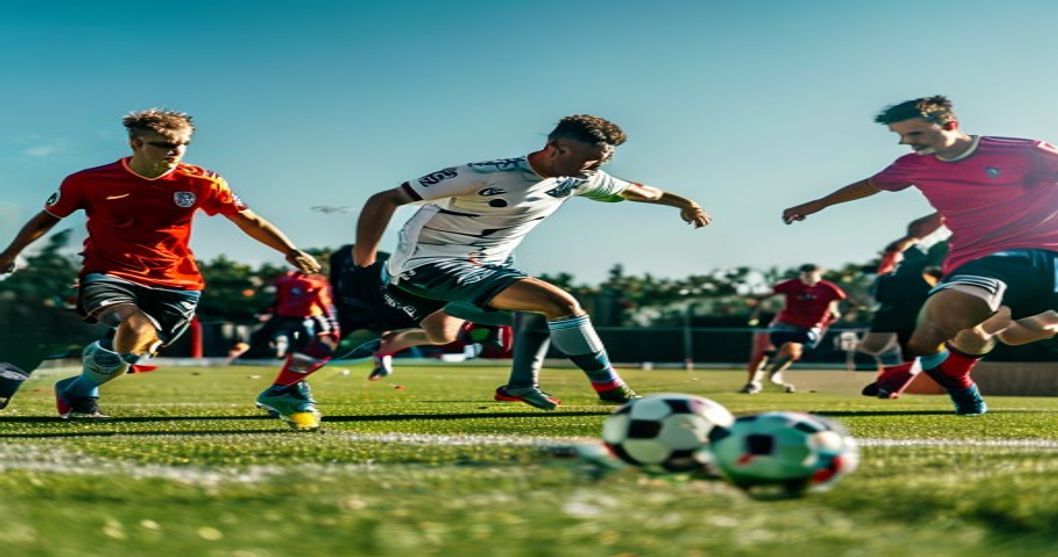
In one advanced soccer drills setup, players participate in a high-intensity rondo with added defenders who apply constant pressure. This forces participants to make rapid tactical movement choices, such as timing runs into space or dropping deep to receive the ball, all while under duress from opponents. The drill can be progressed by adding time constraints or requiring specific passing sequences before a goal attempt to further test focus and execution under fatigue.
Combinations play a key role in another drill where groups of four practice overlapping runs and wall passes in a confined area. The focus on tactical movement helps players understand how to create numerical advantages during game scenarios that involve quick transitions from defense to attack. Coaches observe and provide feedback on positioning to ensure optimal spacing and timing across multiple repetitions.
To add realism, coaches can introduce variables like fatigue or changing objectives, encouraging adaptability. Players learn to read cues from teammates and adjust their off-the-ball positioning accordingly in these dynamic situations. Such practices prepare athletes for the unpredictability of actual matches by replicating the physical and mental demands they will face during competition.
By mastering such exercises, athletes develop superior game intelligence and the ability to execute under various game scenarios, ultimately contributing to team success on the field. Regular implementation of these drills leads to noticeable improvements in match performance and individual player development over time.

I’ve been playing soccer since I was a kid and love breaking down drills to help players improve. When I’m not on the pitch, I enjoy analyzing games and sharing practical tips with fellow enthusiasts.