Understanding Defensive Shape
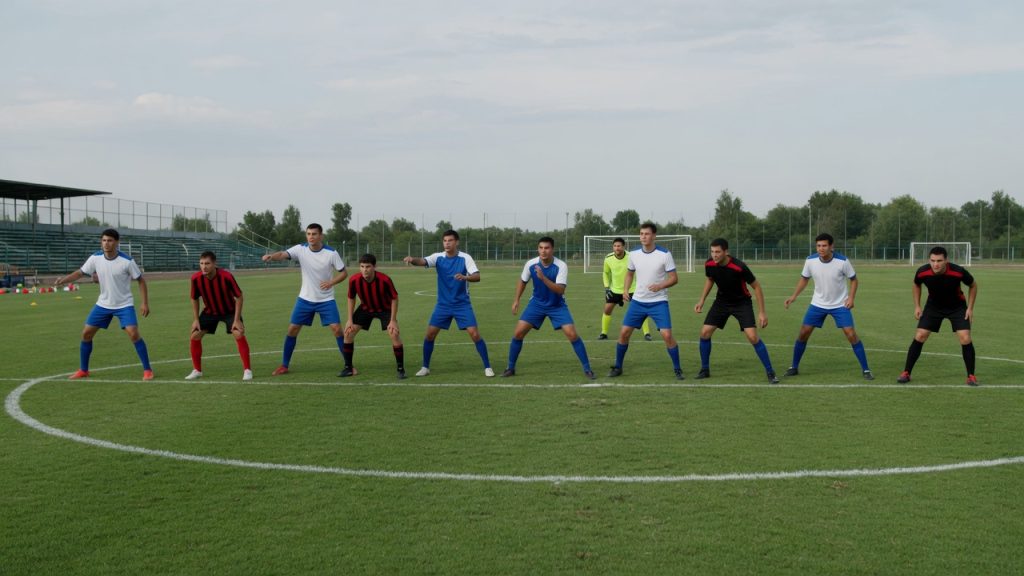
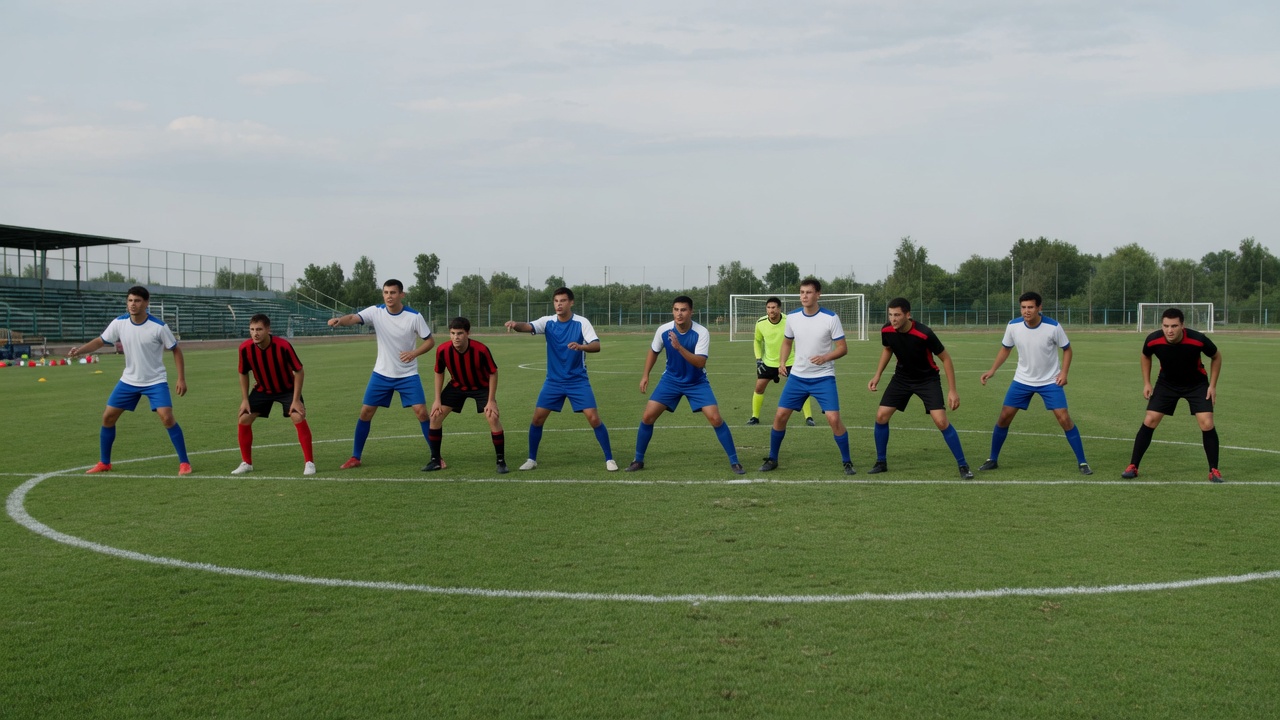
Defensive shape is a fundamental concept in team sports, particularly in soccer, where maintaining a solid defense is crucial to preventing opponents from creating scoring opportunities. It refers to the organized positioning and formation of players on the field when the team is out of possession, ensuring that gaps are minimized and defensive responsibilities are clear. An effective defensive shape is the backbone of team defense, allowing players to work cohesively to protect their goal.
The essence of defensive shape lies in spatial awareness and communication. Each player must understand their role in relation to teammates and the opposing attackers, maintaining compactness and covering critical areas on the field. This positioning not only disrupts the attacking flow of the opponent but also creates barriers that force attackers into less dangerous zones. Soccer positioning within defensive tactics prioritizes depth and width, ensuring that the team remains balanced and ready to respond to various attacking threats.
A well-organized defensive shape helps the team apply pressure collectively rather than leaving individuals exposed. By staying connected, players can support each other through timely cover and balance, reducing the chances of one-on-one situations that favor attackers. This team defense approach makes it harder for the opposition to penetrate through dribbling, passes, or shots, as defenders can quickly shift and close down spaces effectively.
Moreover, defensive shape provides a foundation for quick transitions once possession is regained. When players maintain their positions and follow defensive tactics consistently, they can more efficiently counter-attack, catching opponents off guard. Coaches emphasize training drills focused on defensive shape to build disciplined teams capable of sustaining pressure and minimizing mistakes.
In summary, mastering defensive shape means understanding the importance of collective positioning and teamwork in defense. It is vital for any team aiming to reduce scoring chances for opponents while maintaining control over the defensive phase of the game. By honing defensive shape through practice and strategic play, teams can strengthen their overall soccer positioning and defensive tactics, leading to more resilient and competitive performances on the field.
Importance of Defensive Shape in Soccer
Maintaining a strong defensive shape through proper soccer conditioning is fundamental to any effective soccer defense. By organizing players in a cohesive structure, teams can better anticipate and respond to opponents’ movements, drastically reducing the chances of conceding goals. A well-disciplined defensive organization allows the team to control the game by limiting the space and opportunities available to the opposition, forcing them into making mistakes or taking low-percentage shots.
Soccer defense is much more than individual effort; it is a collective strategy that requires constant communication and coordination among players. When a team maintains its defensive shape, it is easier to apply pressure strategically, cover vulnerable areas, and close passing lanes. This teamwork ensures that every player understands their role, creating a solid barrier that is difficult for opponents to break through.
Moreover, defensive shape is essential for game control because it allows teams to dictate the tempo and flow. With proper organization, defenders can effectively funnel the attacking team into less dangerous zones, enabling their midfielders and forwards to recover possession quickly and launch counterattacks. In this way, defensive shape is not only about preventing goals but also about building a foundation for successful team strategy throughout the match.
Key Principles of Defensive Shape
Maintaining an effective defensive shape requires players to adhere to several fundamental defensive principles, primarily focusing on spacing, pressure, and cover. Proper spacing between players is critical to ensure that each defender can cover their zone efficiently without leaving gaps that opponents can exploit. When players maintain the right distance, they prevent the attacking team from easily penetrating the defensive line.
Pressure is another vital element in defensive shape. Players must apply timely and coordinated pressure on the ball carrier to limit their options and force turnovers. This often involves stepping up quickly to challenge the opponent, disrupting their rhythm and forcing mistakes. However, pressure should be balanced and supported by teammates to avoid being bypassed by quick passes or dribbling.
Cover works hand-in-hand with pressure. While one player pressures the ball, others must provide cover behind them to intercept passes or tackle if the opponent beats the initial defender. This layered defensive approach ensures that even if the first line of defense is breached, the team can still recover and regain control. Together, these principles help create a compact, resilient defensive unit capable of minimizing scoring chances for the opposition.
Effective Defensive Shape Drills
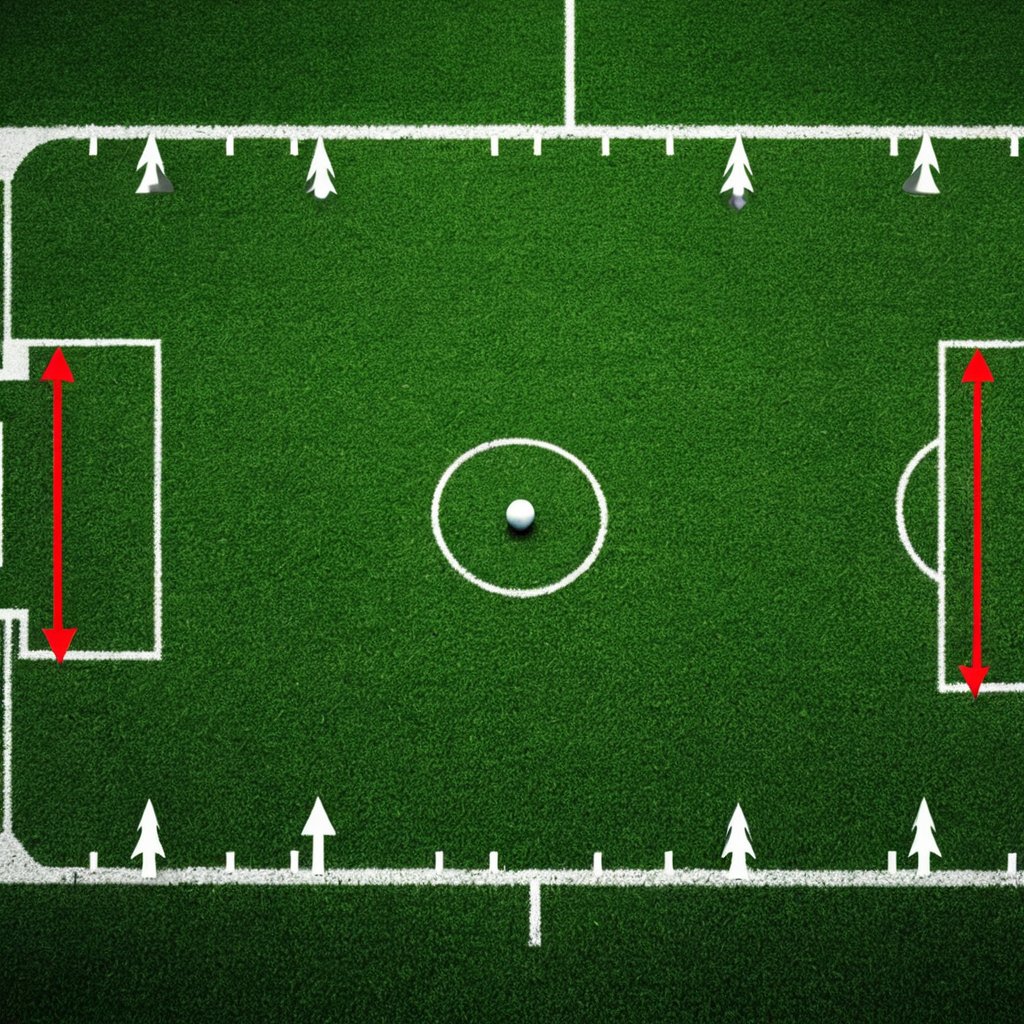
Building a solid defensive shape is essential for any soccer team looking to improve its defensive performance. Incorporating dedicated defensive drills into your soccer practice can significantly enhance players’ understanding of positioning, spacing, and teamwork. Shape training drills help players learn how to maintain compactness, cover passing lanes, and support each other, creating a resilient defensive unit that is difficult for opponents to break down.
One effective drill focuses on the team’s ability to shift as a unit. Set up a small playing area and assign defensive roles, then simulate attacking runs that force the defenders to move laterally while maintaining their shape. Players should communicate constantly and adjust their positions to ensure there are no gaps for attackers to exploit. This drill sharpens spatial awareness and coordination, essential skills for successful defensive shape execution.
Another valuable drill is the “zone defense challenge,” where players work on defending specific zones rather than individual opponents. Defenders must work together to pass responsibility smoothly as the ball moves across the field. This exercise enhances communication and helps players understand the importance of maintaining their shape over individual tackles, fostering a cohesive defensive mindset.
Integrating drills that simulate game-like pressure situations can further deepen players’ defensive skills. For example, a “press and cover” drill encourages defenders to apply pressure on the ball carrier while teammates provide cover behind. This not only trains players to recognize when to press and when to hold shape, but it also improves their timing and decision-making under pressure.
Regularly incorporating these team drills into practice sessions builds a strong defensive foundation. Players develop a natural understanding of how to support each other, maintain compactness, and effectively manage space on the field. These defensive drills, when practiced consistently, make a noticeable difference in match performance by creating a disciplined and organized defensive unit.
1v1 and 2v2 Shape Drills
To strengthen defensive positioning and encourage solid shape maintenance, specific 1v1 and 2v2 drills are highly effective. In 1v1 drills, the focus is on individual defensive skills such as shadowing the opponent, maintaining quick footwork, and anticipating movements to deny space. These drills help defenders hone their man-to-man defense capabilities, ensuring they stay close to their assigned attackers and reduce opportunities for penetration.
Progressing to 2v2 drills introduces the complexity of small group defensive coordination. Players learn to communicate effectively, cover for each other, and switch marks smoothly when required. This drill emphasizes maintaining the overall defensive shape by keeping the defensive lines compact and balanced even while confronting multiple attackers. It encourages defenders to understand spatial relationships and make collective decisions that preserve shape integrity.
In both types of drills, coaches should stress the importance of staying goal-side, body orientation, and timing tackles or interceptions correctly. The drills should replicate game-like pressure where defenders react to the offensive moves while positioning themselves to block passing lanes and contain the ball carrier. Regular practice of these 1v1 and 2v2 drills not only sharpens individual defensive instincts but also builds a resilient defensive unit adept at maintaining a cohesive shape against varied attacking threats.
Zonal Defensive Shape Drills
Zonal defense requires players to understand their specific areas of responsibility and maintain positional discipline to prevent opponents from exploiting spaces. To enhance this skill, coaches can implement zonal defensive shape drills that focus on spatial awareness and team coordination. One effective drill involves dividing the defensive area into clear zones, with players assigned to cover each section. The drill challenges players to anticipate ball movement and adjust their positions collectively, ensuring continuous coverage without leaving gaps.
Another key drill is the positional rotation exercise, where defenders rotate their zones based on ball location and movement patterns. This encourages understanding of neighboring zones and fosters seamless communication among teammates. The players practice shifting together as a unit, reinforcing the concept that zonal defense is a collective effort rather than individual marking. Through such exercises, the team develops synchronized defensive movements, improving their ability to intercept passes and contain attacks effectively.
Building spatial awareness is crucial in zonal defense. Coaches often use small-sided games where players must maintain their zonal assignments under pressure, which sharpens decision-making and positioning. These drills not only improve individual understanding of defensive zones but also enhance overall team coordination, making the defensive structure more resilient. Consistent practice of these positional drills creates a fluid defensive shape that adapts quickly to game situations, minimizing risks and maximizing defensive solidity.
Tips for Coaching Defensive Shape Drills
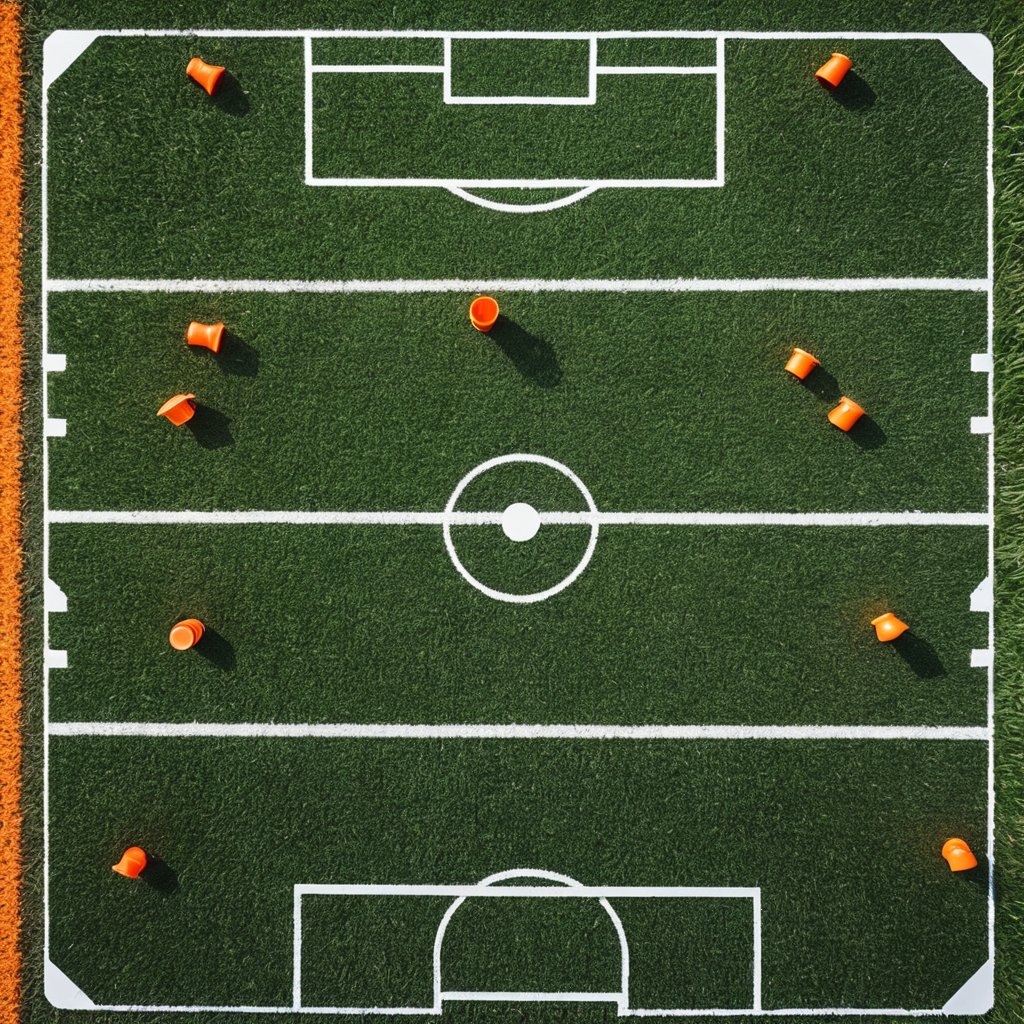
Effective coaching of defensive shape drills requires a blend of clear communication, structured training methods, and consistent defensive feedback. One of the foundational coaching tips is to emphasize the importance of positioning and spatial awareness. Players need to understand their roles within the team’s defensive structure and how their position impacts the overall shape. Reinforcing this concept through repetitive drills ensures players internalize these principles and execute them instinctively during game situations.
Training methods should be dynamic and adaptable to the skill levels of the players. Introducing drills that progressively increase in complexity helps maintain engagement and encourages development. Starting with simple shapes, such as compact lines or zonal marks, coaches can gradually add elements like pressing triggers or covering angles. This step-by-step approach allows players to develop confidence and adaptability in different defensive scenarios, making the learning curve smoother across all levels.
Providing tailored defensive feedback is crucial for player development. Constructive, specific, and timely feedback helps players understand what they did well and where adjustments are necessary. Using video analysis or live demonstrations can enhance comprehension, allowing players to visualize optimal positioning and movement. Encouraging self-assessment and peer feedback during sessions also fosters a deeper understanding and ownership of defensive responsibilities.
Another essential coaching tip is to foster communication and teamwork within defensive units. Effective defensive shape relies heavily on players’ ability to coordinate movements and maintain awareness of teammates and opponents. Drills that include communication cues and defensive rotations can improve these skills significantly. Encouraging vocal leadership among players promotes a cohesive defensive mindset and builds resilience against attacking pressures.
Lastly, integrating game-like scenarios in training enables players to apply defensive shape concepts under realistic conditions. Small-sided games or controlled scrimmages that focus on defending as a unit simulate the pressures and decisions faced during matches. This immersive training method strengthens player development by linking technical knowledge with match experience, ensuring defensive shape drills translate effectively to real game performance.
Analyzing Player Positions and Movements
Coaches play a critical role in analyzing player positioning and movement patterns during defensive shape drills. By carefully observing each player’s location relative to the ball, teammates, and opponents, coaches can identify strengths and areas for improvement in real time. This player analysis allows coaches to offer precise positioning feedback that helps players understand how to maintain an effective defensive line and close down space strategically. Reviewing movement patterns during drills is equally important to assess how players adjust their positioning dynamically in response to attacking threats.
During performance review sessions, coaches can use video analysis and direct observation to highlight specific moments where players excelled or deviated from the ideal defensive shape. Constructive feedback should focus on reinforcing positive behaviors, such as maintaining compactness and spatial awareness, while correcting tendencies that leave gaps or expose teammates. By emphasizing continuous learning through drills, players develop a better understanding of how their movements impact the overall defensive structure, leading to improved coordination and collective defensive resilience. This cyclical process of player analysis and targeted feedback is essential to cultivating a disciplined and responsive defensive unit on the field.
Adapting Drills for Different Skill Levels
Tailoring defensive shape drills to match varying skill levels is essential to maximize learning outcomes and keep players engaged. For beginners, drill modification should focus on foundational movements and positioning basics. Simplifying drills by reducing complexity and emphasizing clear instructions helps novices grasp defensive concepts without feeling overwhelmed. This stage prioritizes skill level adaptation by focusing on core defensive stances and communication.
Intermediate players can handle drills with increased complexity and intensity. Progressive training techniques come into play here, adding layers such as dynamic footwork, spatial awareness, and coordinated team shape adjustments. Drills can be modified to introduce situational scenarios, encouraging players to read the game and react accordingly. Coaching should balance challenge and support to foster confidence and refinement of skills.
Advanced players require highly customized practice scenarios that simulate real-match pressures and advanced tactical demands. Drill modification for this group involves fast-paced exercises emphasizing seamless defensive shifts, communication under pressure, and strategic anticipation. Custom practice tailored to their strong technical base ensures continuous development and tactical maturity. Overall, adapting drills according to skill level ensures every player benefits optimally from training sessions.

I’ve been playing soccer since I was a kid and love breaking down drills to help players improve. When I’m not on the pitch, I enjoy analyzing games and sharing practical tips with fellow enthusiasts.