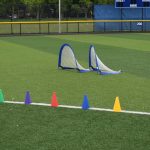

Introduction to Beginner Soccer Practice Plans
Structured practice plans are essential for beginner soccer players to develop their skills effectively and build a solid foundation in the sport. Without a clear plan, training sessions can become disorganized, which may lead to frustration and slower progress. Beginner soccer practice plans provide a roadmap that helps coaches and players focus on key soccer training basics such as ball control, passing, dribbling, and teamwork.
One of the biggest benefits of using beginner soccer practice plans is that they ensure consistent skill development. Each session is designed to target specific areas, allowing players to learn and improve in a gradual and systematic way. This structured approach helps beginners gain confidence on the field while mastering fundamental techniques crucial for game situations.
This article will guide you through the essential components of beginner soccer practice plans. We will cover the importance of warm-ups, drills focused on technical skills, small-sided games to enhance decision-making, and cool-down routines to prevent injuries. By following these practice plans, coaches can create engaging and effective training sessions that keep players motivated and focused on continuous improvement.
Whether you are a new coach or a parent looking to help your child get started in soccer, understanding the basics of structured practice plans is crucial. This guide will equip you with the knowledge to organize productive sessions that emphasize beginner soccer fundamentals. Embrace these practice plans to foster a positive learning environment that sets the stage for long-term success in soccer training.
Essential Components of Beginner Soccer Practice Plans
Creating effective beginner soccer practice plans involves incorporating several key training components that help young players develop their skills while enjoying the game. The foundation of any successful practice includes well-structured warm-ups, targeted soccer drills, opportunities to understand the game better, and proper cool-downs. These practice essentials not only enhance players’ physical capabilities but also build their confidence and love for soccer.
Warm-ups are the first crucial component of any soccer practice plan. They prepare the muscles and joints for physical activity, reduce the risk of injury, and mentally ready players for the session ahead. A good warm-up typically includes light jogging, dynamic stretches, and mobility exercises that target key muscle groups used in soccer. Incorporating fun and engaging activities during warm-ups also helps in capturing the attention of beginners and setting a positive tone for the training.
After warm-ups, practice should transition into skill drills designed specifically for beginners. These drills focus on fundamental techniques such as dribbling, passing, shooting, and ball control. It’s important these soccer drills are simple, repetitive, and progressively challenging to build players’ competence and confidence. Skill drills form the backbone of training components and allow players to develop the technical abilities necessary for match situations.
Beyond individual skills, beginner practice plans should include elements that help players understand the game itself. This could involve small-sided games, basic tactical discussions, or positioning exercises that introduce players to teamwork, spacing, and decision-making on the field. Understanding game concepts at an early stage helps players apply their skills effectively during actual matches and encourages a deeper engagement with soccer.
Finally, ending practice sessions with cool-down exercises is essential. Cool-downs help reduce muscle soreness, improve flexibility, and promote recovery. Typical cool-down activities include light jogging, static stretching, and breathing exercises. This practice essential not only aids physical recovery but also gives coaches a moment to provide feedback and reinforce key learning points from the session.
In summary, incorporating warm-ups, skill-based soccer drills, game understanding, and cool-downs into beginner soccer practice plans ensures a well-rounded and effective training experience. By focusing on these training components, coaches create a structured environment that supports skill development, fosters a love for the game, and promotes overall athletic growth for beginners.
Warm-Up Exercises for Beginners
Effective warm-up exercises are essential for preparing beginner soccer players both physically and mentally for practice sessions. A proper warm-up helps increase blood flow to the muscles, enhances flexibility through stretching, and significantly reduces the risk of injury. Start with light jogging or brisk walking around the field for 5 to 10 minutes to gradually elevate the heart rate and warm the body.
Following the cardio warm-up, incorporate dynamic stretching exercises that target major muscle groups used in soccer, such as leg swings, high knees, butt kicks, and lunges. Dynamic stretching helps improve range of motion while maintaining muscle warmth, which is crucial for injury prevention. Avoid static stretching before exercise, as it can temporarily reduce muscle strength and performance.
Additionally, include sport-specific movements like controlled dribbling drills, passing in pairs, and light agility drills to engage the players mentally and prepare them for the intensity of the upcoming practice. These exercises enhance coordination, focus, and reaction time. A thorough warm-up routine primes both the body and mind, ensuring players are ready to engage effectively and safely in their soccer training.
Basic Skill Drills
For beginners looking to build a strong foundation in soccer, focusing on basic skill drills is essential. These drills emphasize ball control, passing drills, and shooting practice to develop confidence and technical ability on the field. Start with simple ball control exercises, such as dribbling through cones placed a few feet apart. This helps players improve their touch on the ball and maneuverability.
Next, incorporate passing drills that encourage accuracy and teamwork. Pair up players and have them practice short passes back and forth using the inside of their foot. Gradually increase the distance between partners to challenge their passing skills. This drill fosters communication and precision, vital for game situations.
Finally, shooting practice is crucial for beginners to develop their finishing skills. Set up a goal and have players take turns shooting from different angles and distances. Encourage proper technique by focusing on striking the ball with the laces for power and aiming for the corners of the goal. Repetition of these drills will help players gain confidence and improve their overall gameplay.
By regularly practicing these basic skill drills in a fun and engaging way, beginners will quickly enhance their ball control, passing, and shooting abilities, setting a strong foundation for future soccer development.
Cool-Down and Recovery
After a vigorous soccer practice, a proper cool-down routine is crucial for helping players transition from intense activity to rest while promoting muscle recovery. Incorporating cool-down exercises immediately following practice assists in gradually lowering the heart rate and helps prevent blood pooling in the legs, which can lead to dizziness or discomfort.
Stretching is a key element of the cool-down phase. It improves flexibility, reduces muscle stiffness, and can help in alleviating soreness that might develop after training. Players should focus on stretching major muscle groups used during the practice, such as the quadriceps, hamstrings, calves, and hip flexors. Holding each stretch for 15 to 30 seconds without bouncing is ideal for optimal muscle elongation and relaxation.
A suggested cool-down routine could begin with 5 to 10 minutes of light jogging or walking to lower the heart rate steadily. Following this, dynamic and static stretching exercises should be performed targeting the lower body muscles intensely involved in soccer movements. Incorporating breathing exercises can also aid in relaxation of the body and mind.
Consistent adherence to a cool-down and stretching routine accelerates muscle recovery, reduces the risk of injury, and prepares players for their next practice or game. Coaches and players alike should prioritize cool-down sessions as an essential part of every soccer training program.
Sample Weekly Practice Plan for Beginner Soccer Players
Creating a structured weekly practice plan is crucial for developing beginner soccer players effectively. This beginner schedule is designed to progressively build essential skills while keeping training engaging and manageable. Below is a detailed soccer training routine for the week, including daily objectives, drills, and progression tips tailored specifically for novice teams.
Monday: Ball Control and Dribbling
Objective: Improve basic ball handling and dribbling skills.
Drills: Cone zigzag dribbling, stationary ball control exercises, and close-foot dribbling around markers.
Progression tip: Gradually increase the speed of dribbling and introduce mild defensive pressure as confidence grows.
Tuesday: Passing and Receiving
Objective: Develop accurate passing and smooth ball reception.
Drills: Partner passing drills including short ground passes and controlled receptions, wall pass repetitions.
Progression tip: Encourage communication and use both feet for passing and receiving to build versatility.
Wednesday: Shooting Fundamentals
Objective: Teach proper shooting technique for better accuracy and power.
Drills: Basic shooting on goal from static positions, shooting after dribbling, and volley practice.
Progression tip: Focus on body positioning and striking the ball with different parts of the foot, increasing shooting distance gradually.
Thursday: Defensive Skills and Positioning
Objective: Introduce basic defensive concepts and improve tackling confidence.
Drills: Shadow defending, one-on-one tackling drills, and positioning games.
Progression tip: Emphasize anticipation and staying balanced, gradually implementing small-sided games to practice defense under pressure.
Friday: Small-Sided Games and Teamwork
Objective: Apply learned skills in a game setting and foster teamwork.
Drills: 3v3 or 4v4 small-sided games focusing on passing, positioning, and communication.
Progression tip: Rotate positions to develop all-around skills and reinforce the importance of teamwork and spatial awareness.
Saturday: Rest and Recovery
Objective: Allow physical recovery and mental reset.
Tip: Encourage light stretching or fun, non-soccer physical activities to maintain general fitness without strain.
Sunday: Review and Individual Skills
Objective: Review the week’s lessons and work on individual weak points.
Drills: Personalized skill drills based on player needs—dribbling, passing accuracy, or shooting.
Progression tip: Set small goals for the upcoming week to motivate continued improvement.
This weekly practice plan provides a balanced approach for beginner soccer teams, focusing on fundamental skills while promoting gradual progress. By following this routine, coaches can ensure players develop a solid soccer foundation while staying motivated and engaged throughout their training journey.
Day-to-Day Training Focus
To build a solid practice routine, it’s essential to break down the weekly training focus into daily objectives that balance skill development and fitness. Each day should emphasize specific training focus areas to ensure steady progress.
Start the week with foundational skills such as passing, dribbling, and ball control. Incorporate daily drills that enhance footwork and coordination, allowing players to sharpen their technical abilities early on. These drills should be repetitive yet engaging to build muscle memory.
Midweek sessions can focus more on tactical awareness and small-sided games. This helps players apply their skills in realistic scenarios and improves decision-making under pressure. Integrating conditioning exercises during this phase ensures players maintain endurance and agility throughout the practice routine.
End the week with more intensive fitness drills combined with shooting practice. Emphasize speed, strength, and stamina to prepare players for match-day demands. Daily drills at this stage should mimic game situations to build confidence and reinforce teamwork.
This structured day-to-day training focus keeps practices dynamic and purposeful, ensuring balanced skill growth and physical conditioning over the week. Consistency in following this approach helps beginner players improve steadily and enjoy their soccer journey.
Adjusting Practice Based on Player Progress
Coaches play a crucial role in continuously assessing player progress to ensure practice sessions remain effective and engaging for beginner soccer players. Skill assessment should be an ongoing process, incorporating both observation during drills and formal evaluations of individual abilities. By tracking key skills such as dribbling, passing, and positioning, coaches can identify areas where players excel and those that need improvement.
Practice adjustments based on these assessments are essential. When players demonstrate mastery of certain skills, coaches can introduce more advanced drills to challenge them and promote further growth. Conversely, if some players struggle, the practice plan should revisit foundational techniques or provide additional support tailored to their needs. This flexible approach ensures that all players develop at their own pace while maintaining group cohesion.
Feedback from players is another valuable tool in modifying practice plans. Encouraging open communication allows coaches to understand how players feel about the difficulty, pace, and enjoyment of sessions. Incorporating player feedback alongside skill assessments creates a dynamic learning environment where practices are both productive and motivating.
In summary, effectively adjusting practice plans through regular skill assessments and player feedback enables coaches to foster steady development. This method ensures beginner players remain engaged, confident, and prepared to advance their soccer skills progressively.

I’ve been playing soccer since I was a kid and love breaking down drills to help players improve. When I’m not on the pitch, I enjoy analyzing games and sharing practical tips with fellow enthusiasts.