Coaching youth soccer is a rewarding yet challenging endeavor that requires a blend of technical knowledge, effective communication, and an understanding of child development. As a coach, your influence can shape not only the skills of young players but also their love for the game. This article presents essential coaching tips that can enhance your approach to youth soccer, ensuring that practices are both educational and enjoyable for players.
Fostering a Positive Environment
Creating a positive and supportive environment is fundamental in youth soccer coaching. Young players thrive when they feel safe and encouraged. Emphasize the importance of effort over results, and celebrate small achievements to boost confidence. This can be as simple as acknowledging a well-executed pass or a great effort in practice. By focusing on individual progress, you help players develop a growth mindset, which is crucial for their long-term development in sports and beyond.
Moreover, establishing clear team values and expectations can foster camaraderie among players. Encourage teamwork and respect, not just for each other but also for opponents and referees. This nurturing atmosphere not only enhances the players’ enjoyment of the game but also promotes important life skills such as communication and empathy.
Emphasizing Skill Development
Skill development should be at the forefront of your coaching strategy. Focus on fundamental soccer skills such as dribbling, passing, shooting, and defending. Design drills that cater to varying skill levels within your team, ensuring that every player is challenged appropriately. For instance, use small-sided games to encourage ball control and decision-making in tight spaces, allowing players to practice skills in a game-like environment.
Additionally, break down complex skills into manageable parts. For example, when teaching shooting, start with stationary shots before progressing to shots on the move. This gradual approach helps players build confidence and mastery of each skill. Regularly assess individual progress and adjust your training plans accordingly to ensure that all players are engaged and improving.
Incorporating Fun into Training
One of the key elements of youth soccer is ensuring that training sessions are fun and engaging. Kids are more likely to stay motivated and eager to learn when they enjoy the practice environment. Incorporate games and challenges that make learning new skills enjoyable. For instance, use relay races to teach passing accuracy or create fun competitions where players can showcase their dribbling skills.
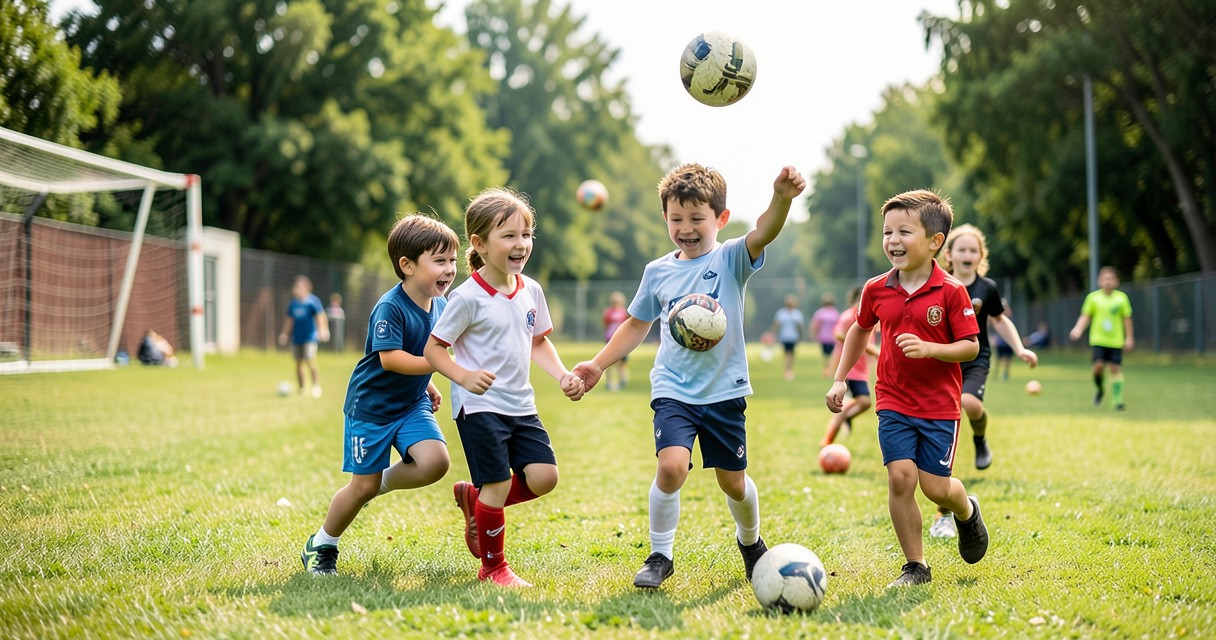
Moreover, consider varying your training sessions to prevent monotony. Introduce new drills and games regularly to keep players excited and interested. The element of surprise can enhance their engagement and willingness to participate. Remember, a fun training environment not only improves skills but also fosters a lifelong love for the game.
Encouraging Teamwork and Communication
Teamwork is essential in soccer, and as a coach, you should actively promote collaboration among players. Encourage them to communicate on the field, whether it’s calling for the ball or providing support to teammates. Implement drills that require players to work together, such as small-sided games that emphasize passing and movement off the ball.
Additionally, foster an environment where players feel comfortable sharing their thoughts and ideas. Regularly ask for feedback during practice and allow players to express themselves. This open communication can lead to improved team dynamics and a sense of ownership among players, making them more invested in their development and the success of the team.
Setting Realistic Goals
Setting achievable goals is crucial for the development of young soccer players. Work with each player to establish personal and team objectives that are specific, measurable, attainable, relevant, and time-bound (SMART). For example, a player might aim to improve their passing accuracy by a certain percentage over the season. By setting clear goals, you provide players with direction and motivation.
Regularly review these goals and celebrate milestones to keep players engaged and accountable. This practice not only helps players focus on their development but also instills a sense of achievement and pride when they reach their objectives. Encourage players to reflect on their progress and adjust their goals as needed, promoting self-awareness and personal growth.
Promoting Physical and Mental Well-being
As a youth soccer coach, it is essential to prioritize the physical and mental well-being of your players. Encourage a balanced approach to training that includes proper warm-ups, cool-downs, and rest periods to prevent injuries. Teach players about the importance of hydration and nutrition, equipping them with knowledge that extends beyond the field.
Moreover, be attentive to the mental aspects of the game. Young athletes can experience pressure and anxiety, especially in competitive situations. Create an open dialogue about mental health, allowing players to express their feelings and concerns. Incorporate mindfulness practices or relaxation techniques into your sessions to help players cope with stress and maintain focus during games.
Engaging with Parents and the Community
Building a strong relationship with parents and the community is vital for the success of your youth soccer program. Keep parents informed about practice schedules, game times, and any changes that may arise. Encourage their involvement by inviting them to help with team events or volunteer opportunities. This sense of community can strengthen support for the team and create a more enjoyable experience for everyone involved.
Moreover, consider organizing community events or fundraisers that allow players to connect outside of soccer. These activities can foster team spirit and create lasting friendships among players and their families. Engaging with the community not only enhances the experience for players but also helps promote the sport of soccer in your area.

I’ve been playing soccer since I was a kid and love breaking down drills to help players improve. When I’m not on the pitch, I enjoy analyzing games and sharing practical tips with fellow enthusiasts.