Coaching youth teams that lose possession in dangerous areas often means watching the ball hit the opponent’s goal before your defenders even turn around. The gap between winning the ball back and organizing your shape is where counterattacks are born, and closing that gap requires specific defensive soccer drills to stop fast breaks before they gain momentum. Most coaches rely on static possession work, but transitioning speed and communication patterns matter more than touch counts when a team is under pressure from behind. If you want to build a unit that recovers ground intelligently rather than chasing blindly, you need structured repetitions that mimic the chaos of a live match transition.
Defining Transition Speed and Recovery Zones
The first criterion for selecting the right drill is understanding where your team actually wins or loses the ball. In youth soccer, the midfield band between the penalty boxes is the most common turnover zone because players here are often isolated and under time pressure. When a loss happens in this area, the attacking team has only about six to eight seconds to reach goal if they commit three or four players forward. Your defensive drill must account for this window by forcing players to cover specific zones rather than just chasing individual opponents. Coaches should map out these high-risk zones on a chalkboard before introducing any physical activity to ensure everyone understands the spatial danger.
Recovery speed is not about running the fastest possible sprint; it is about accelerating efficiently toward the ball carrier while maintaining balance for a potential tackle or interception. A drill that emphasizes lateral shuffling will fail to teach vertical recovery, which is what stops a fast break dead in its tracks. Look for exercises that require players to change direction quickly after a full sprint, as this mimics the unpredictable nature of opponent passes. The physical component should be moderate enough to allow technical focus but intense enough to simulate match fatigue levels.
Many teams fail because they treat transition defense as a separate phase rather than an integrated part of possession play. The criteria for a good drill include immediate reaction time, meaning the player closest to the ball must make a split-second decision within two seconds of the turnover. If your players hesitate to decide between pressing or dropping back, the drill is not replicating the cognitive load of a real game. Focus on drills that reduce decision time by creating clear rules about who presses and who covers, ensuring that hesitation becomes a habit of action rather than indecision.
Pressing Triggers and Immediate Ball Pressure
One of the most effective options for stopping counters is teaching precise pressing triggers that force opponents into mistakes or slow their progression. Instead of random pressing, players need to know exactly when to attack the ball: when it touches grass, when it is played backward, or when it is near a sideline. A drill setup with two defenders and one attacker allows you to isolate these triggers and repeat them until the reaction becomes automatic. The defender closest to the ball must close down the angle while the second defender shadows the next receiving option, creating a double threat that suffocates the counterattack in its infancy.
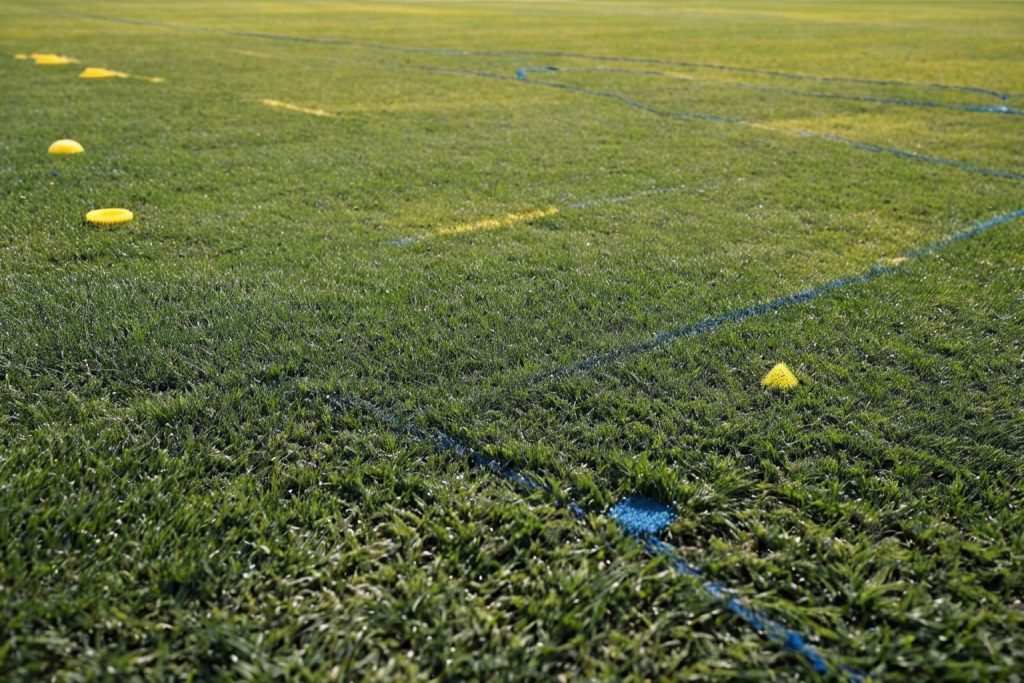
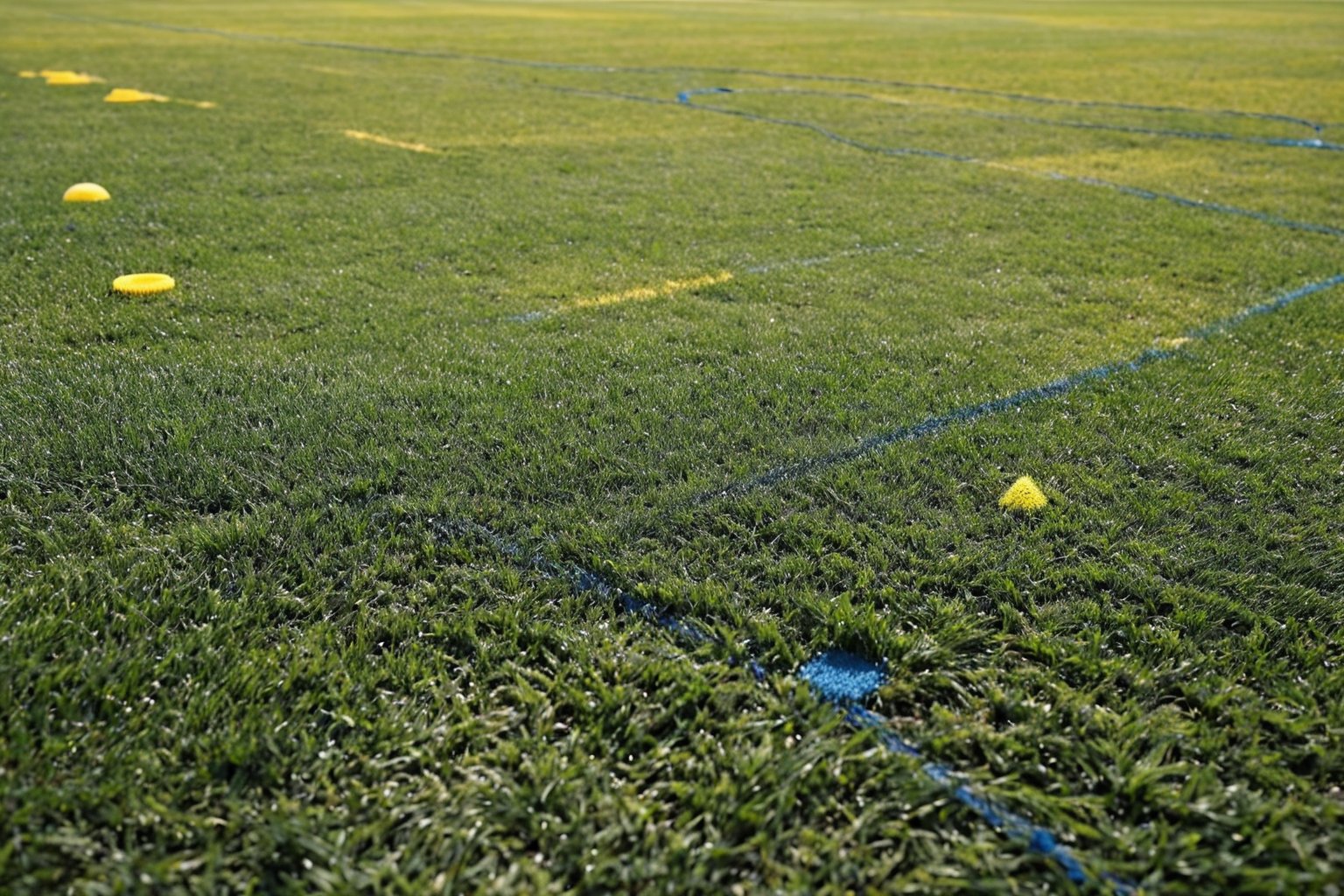
The specifics of this drill lie in the timing of the approach, where players learn to delay rather than dive into tackles that rarely succeed on the first attempt. A delayed press pushes the ball carrier toward a teammate who is already covered by the second defender, effectively neutralizing the break without risking a foul. You can add cones to mark boundaries that players must respect while pressing, ensuring they do not overcommit and leave space behind them. This method aligns with modern coaching consensus that intelligent delay is often more valuable than aggressive challenges in transition situations.
When choosing this option for your session, consider the age and technical level of your group, as younger players may struggle with the timing of delaying versus tackling. For older squads, you can increase the complexity by adding a third attacker who can receive the ball if the initial press fails, forcing the defenders to switch marks instantly. The key is consistency in the cues you give; if you shout “delay” one time and “tackle” the next, players will freeze and miss their cue. Stick to one or two clear commands per drill repetition to build neural pathways that work under pressure.
Compact Block Formation and Shape Maintenance
Another critical option is training the entire unit to collapse into a compact block immediately after losing possession, reducing the space between lines to a manageable distance. The goal is to keep the vertical gap between your highest defender and lowest midfielder to no more than twenty to thirty meters, preventing opponents from finding passing lanes through the middle. A drill using four defenders and three midfielders can simulate this collapse by having them retreat together as a single unit when the ball moves forward. This collective movement is harder to teach than individual recovery because it requires constant visual communication and positional awareness among teammates.

The difference between a good compact block and a poor one is the speed at which players reorient themselves toward the ball direction. In this drill, use flags or cones that the coach moves randomly to signal where the ball “is,” forcing the unit to slide left or right as a group without losing their shape. If the team stretches vertically even slightly, the opponent can play a through ball between the lines, rendering your compactness useless. Coaches should emphasize that compactness is not about crowding the ball carrier but about denying the space around them where a pass can be played.
Selecting this drill for your session depends on whether your team tends to lose shape when under pressure or maintains structure but lacks individual recovery speed. If your players stand in a solid line but get beaten by individual dribblers, focus more on pressing triggers instead. However, if your team breaks apart and leaves huge gaps between midfield and defense, this compact block exercise is the essential remedy. The physical demand is high because players must constantly adjust their positioning, so keep the duration of each repetition short to maintain technical quality and prevent fatigue-related errors.
Lateral Cover and Communication Cues
Communication is often the missing link in stopping fast breaks, as defenders who do not talk leave gaps that opponents exploit effortlessly. A specific drill for this involves three defenders who must verbally confirm their coverage of each other’s zones before moving into position. The phrase “got you” or “cover me” becomes a mandatory part of the exercise, with points deducted if a player moves without announcing it. This turns communication from a passive habit into an active skill that can be measured and improved during training sessions.
The mechanics of lateral cover require players to shift sideways as the ball moves, ensuring that no opponent is left unmarked on the flank where they could receive a cross or through ball. In this setup, use a wide area with cones marking the touchlines to force players to respect the width of the pitch while shifting. If one defender steps up to press, the others must automatically slide across to close the space he vacates, creating a sliding wall that blocks the counterattack path. This coordinated movement is what separates amateur youth teams from those playing organized, disciplined soccer at higher levels.
When implementing this option, start with slow-paced repetitions where players have time to think and talk, then gradually increase the speed of the ball movement to simulate match intensity. The specific cue for the drill is that no defender may cross the center line without verbalizing their intent to do so, which keeps everyone aware of who is moving where. Over time, these verbal cues become automatic and less frequent as trust builds within the group, but the habit of checking each other remains a vital defensive tool. Coaches should praise correct communication loudly to reinforce its importance over individual athletic feats.
Counter-Pressing Mechanics and Ball Win Timing
The counter-press is a proactive way to stop fast breaks by winning the ball back within five seconds of losing it, before the opponent can set up their attack. This drill focuses on the first two seconds after a turnover, where the nearest player must apply maximum pressure to force an error or regain possession immediately. Use a 3v2 scenario where the attackers have just “won” the ball, and the defenders must swarm the carrier with coordinated runs that cut off passing angles. The timing of the press is critical; if it comes too late, the attackers will have time to think and play a safe pass to a teammate.
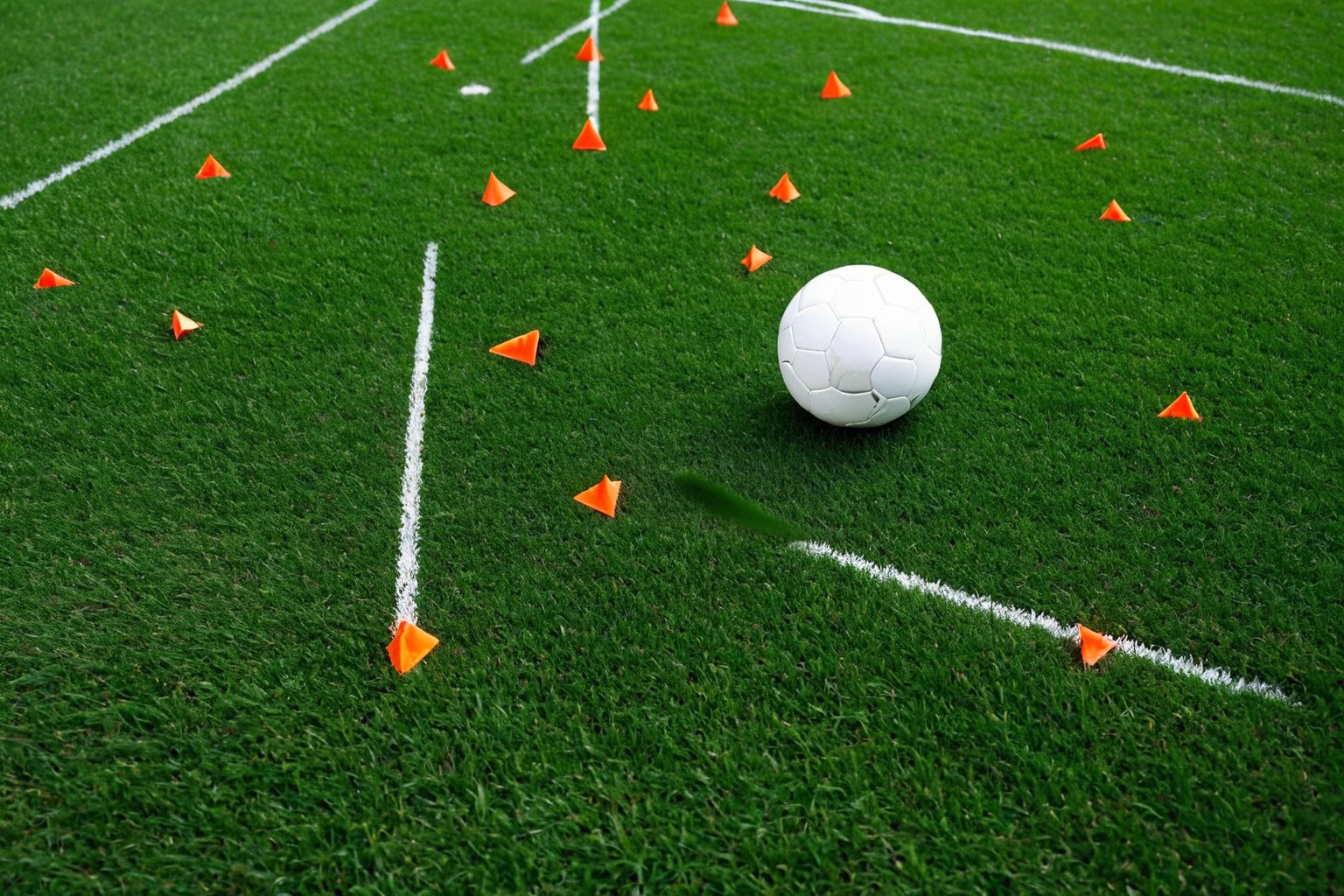
Specifics in this drill include teaching players to angle their bodies toward the goal rather than the ball carrier, which forces the opponent into less comfortable positions. The pressing player should never commit fully to a tackle unless they are certain of success, instead aiming to control the direction of play until help arrives. You can add a timer to each repetition to challenge players to win the ball back in under four seconds, creating a sense of urgency that mirrors real game situations. This approach aligns with high-performance coaching methods that value possession retention as a defensive metric.
Choose this drill when your team loses possession frequently in the final third and struggles to regain control before the opponent launches an attack. It is particularly useful for teams with fast forwards who can exploit any momentary lapse in concentration, as it trains the whole unit to react instantly rather than waiting for instructions. The mental aspect is as important as the physical here, as players must overcome the fear of making a bad tackle by understanding that good positioning prevents most mistakes. Consistency in practice will build the confidence needed to press aggressively without hesitation during actual matches.
Selecting Drills Based on Team Weaknesses
The final step in your planning is matching the specific drill to the documented weakness of your team, rather than running generic sessions that do not address real problems. If video analysis shows your team leaking goals from long balls played over the top, prioritize compact block and lateral cover drills to tighten the space behind your midfield line. Conversely, if your players get caught holding up play while the ball is in their feet, focus on pressing triggers and counter-pressing mechanics to free them up quickly. This targeted approach ensures that every minute of training time is spent improving the exact area where you are losing points.
Consider the age group and physical maturity of your players when making this selection, as younger teams may lack the strength to sustain high-intensity pressing for long periods. In these cases, break the drills into shorter bursts with adequate rest to maintain technical focus and prevent burnout. For older youth squads, you can combine elements from different options, such as adding a counter-press after a compact block retreat, to create more complex and realistic scenarios. The goal is to build a repertoire of tools that players can draw on depending on the opponent and the situation on the field.
Regularly review your progress by tracking the number of successful counterattacks stopped in friendly matches or controlled games, using this data to adjust your drill selection over time. If you notice that a particular drill is not translating into match performance, be willing to discard it and try a different angle or setup. Coaching is an iterative process, and the best drills are those that continue to challenge your players as they improve and evolve. By staying responsive to your team’s development, you ensure that your defensive training remains relevant and effective throughout the season.

I’ve been playing soccer since I was a kid and love breaking down drills to help players improve. When I’m not on the pitch, I enjoy analyzing games and sharing practical tips with fellow enthusiasts.