Running a practice that holds attention from the first whistle to the final cool-down is the goal of every youth coach. A well-structured youth soccer practice plan for 60 minutes transforms chaotic energy into focused skill development. The modern youth athlete has many distractions, so every minute on the field must count. Coaches must balance technical repetition with fun games to keep players coming back season after season. This guide offers a step-by-step approach to designing and executing a session that maximizes engagement while building fundamental abilities. From the warm-up circle to the scrimmage, the sequence matters as much as the drills themselves. By understanding the developmental needs of young players, a coach can create an environment where learning feels like play.
Set Clear Objectives and Gather Your Gear
Before the players arrive, a coach should have a written youth soccer practice plan for 60 minutes that outlines specific learning outcomes. Young players thrive on predictability; knowing what to expect reduces anxiety and increases focus. Objectives might include improving first touch, practicing passing accuracy, or working on defensive positioning. Writing these down ensures that the session has direction rather than drifting from one activity to the next. Gathering all equipment beforehand, cones, pinnies, balls, and portable goals, prevents awkward pauses that lose momentum. A coach who is prepared signals to the team that the time together is valuable and respected.
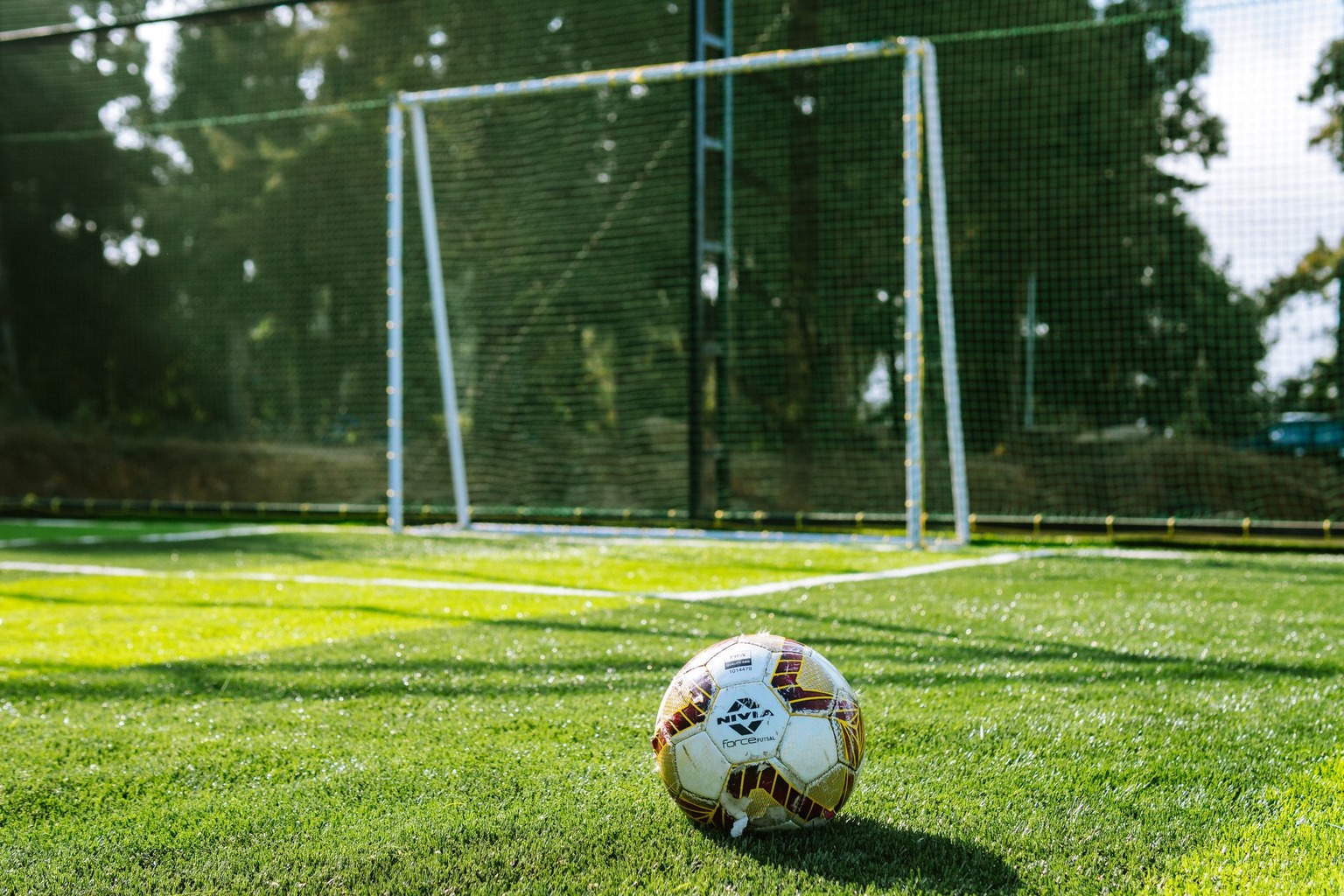
Equipment setup should be intuitive and quick to adjust. Cones can mark drill boundaries, while different colored pinnies help differentiate teams during small-sided games. Having a few extra balls on hand means less time spent retrieving them from fences or nearby streets. The field layout should be safe, with enough space for the number of players present. A quick checklist of gear ensures that the practice starts on time and maintains a professional tone from the outset.
Dynamic Warm-Up to Wake Up Bodies and Minds
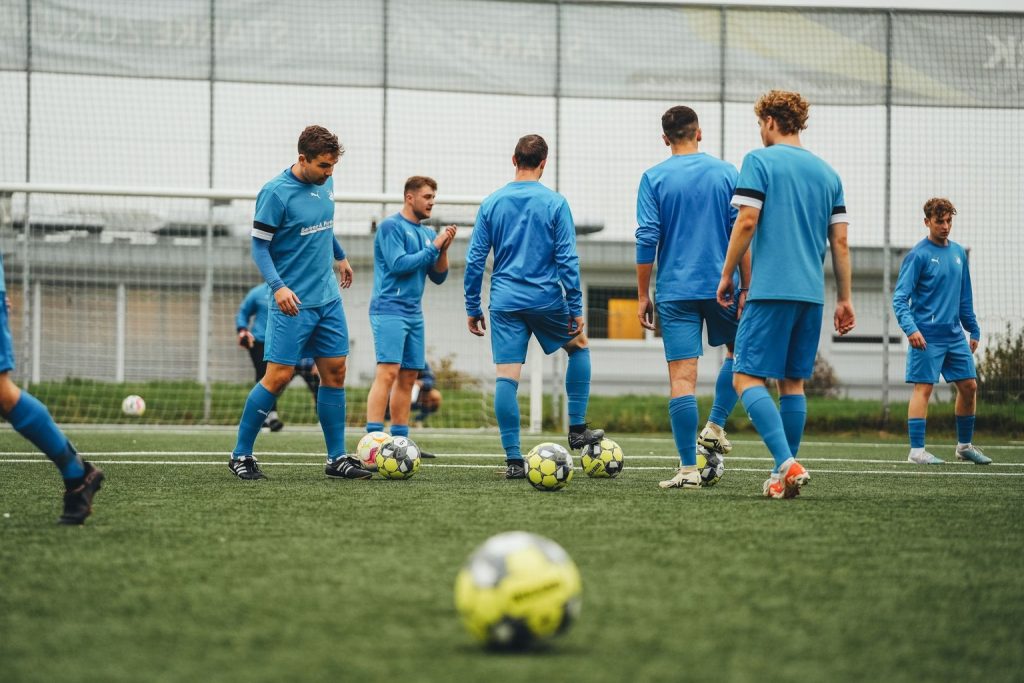
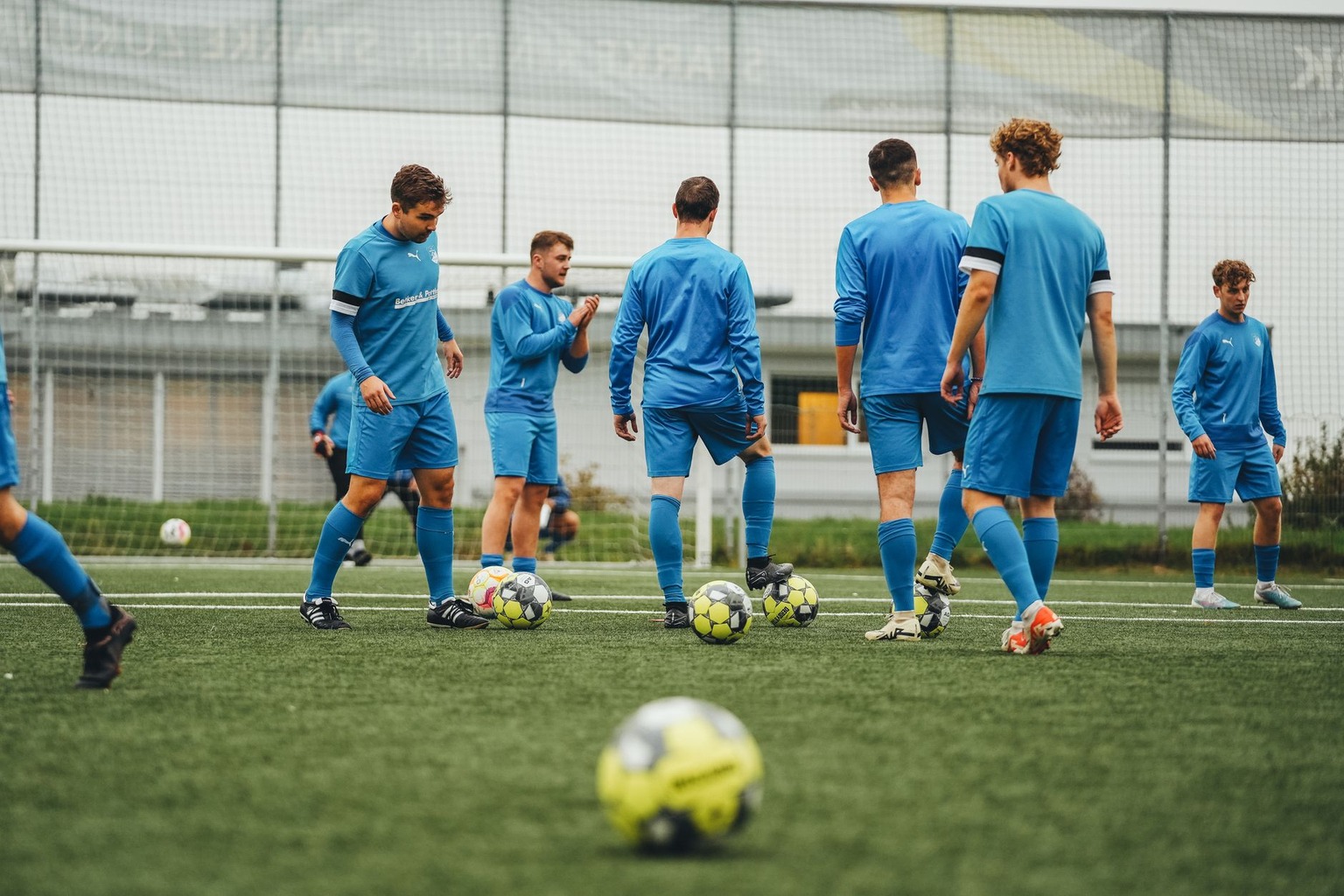
The first ten minutes of any session should awaken the players physically and mentally. A dynamic warm-up gets blood flowing and primes the nervous system for movement. Rather than static stretching, which can reduce power, incorporate movement-based activities like high knees, butt kicks, and lateral shuffles. These exercises can be turned into a simple game of “follow the leader” to increase enjoyment. The goal is to transition the players from their previous activity into the soccer mindset. A proper warm-up also reduces the risk of injury, keeping the squad healthy throughout the season.
Incorporating a ball into the warm-up touches on technical development immediately. Players can dribble slowly around a designated area, focusing on keeping the ball close. This touches on ball control while still raising the heart rate. Coaches should encourage creativity, allowing players to experiment with different surfaces of the foot. This early ball contact sets the tone for the rest of the youth soccer practice plan for 60 minutes, blending fitness with skill work seamlessly.
Technical Skill Circuit with High Repetition
After the warm-up, the core of the practice should focus on a technical skill circuit. This segment typically lasts 20 to 25 minutes and allows for high repetition of a specific movement. For example, a passing circuit might involve players pairing up and rotating through different distances and angles. Setting up multiple stations means players do not stand in line waiting for their turn, which is a common engagement killer. Each station should have a clear objective and a time limit to keep the energy high. The coach moves between stations, offering quick corrections and encouragement.
Coach Rory Soccer: Run the best youth soccer sessions ever!!!
Variation within the circuit prevents monotony and targets different muscle groups. One station might focus on receiving the ball with the inside of the foot, while another emphasizes striking with laces. Keeping the drills short and punchy maintains the players’ attention spans. Positive reinforcement for effort, not just outcome, fosters a growth mindset. By the end of this segment, players have touched the ball dozens of times, reinforcing the fundamentals essential for long-term development.
Small-Sided Games to Apply Skills in Play
The middle portion of the youth soccer practice plan for 60 minutes often features small-sided games, such as 3v3 or 4v4. These games reduce the field size to ensure each player touches the ball more frequently than in a full-sided match. The reduced player count increases involvement and decision-making speed. Coaches should set specific constraints, like requiring a certain number of passes before scoring, to focus on the technical theme of the day. These games mimic the chaos of real matches while keeping everyone active. The emphasis is on enjoyment and application, not rigid tactical perfection.
Small-sided games also serve as a social catalyst for young athletes. Players learn to communicate, find space, and support teammates in real time. The coach acts as a facilitator, perhaps calling out “freeze” moments to highlight a good run or a clever pass. This format allows for immediate feedback in a low-pressure environment. By embedding the day’s technical focus into a game scenario, players see the relevance of the drills they performed earlier. The transition from drill to game solidifies learning through contextual play.
Cool-Down and Reflection for Retention
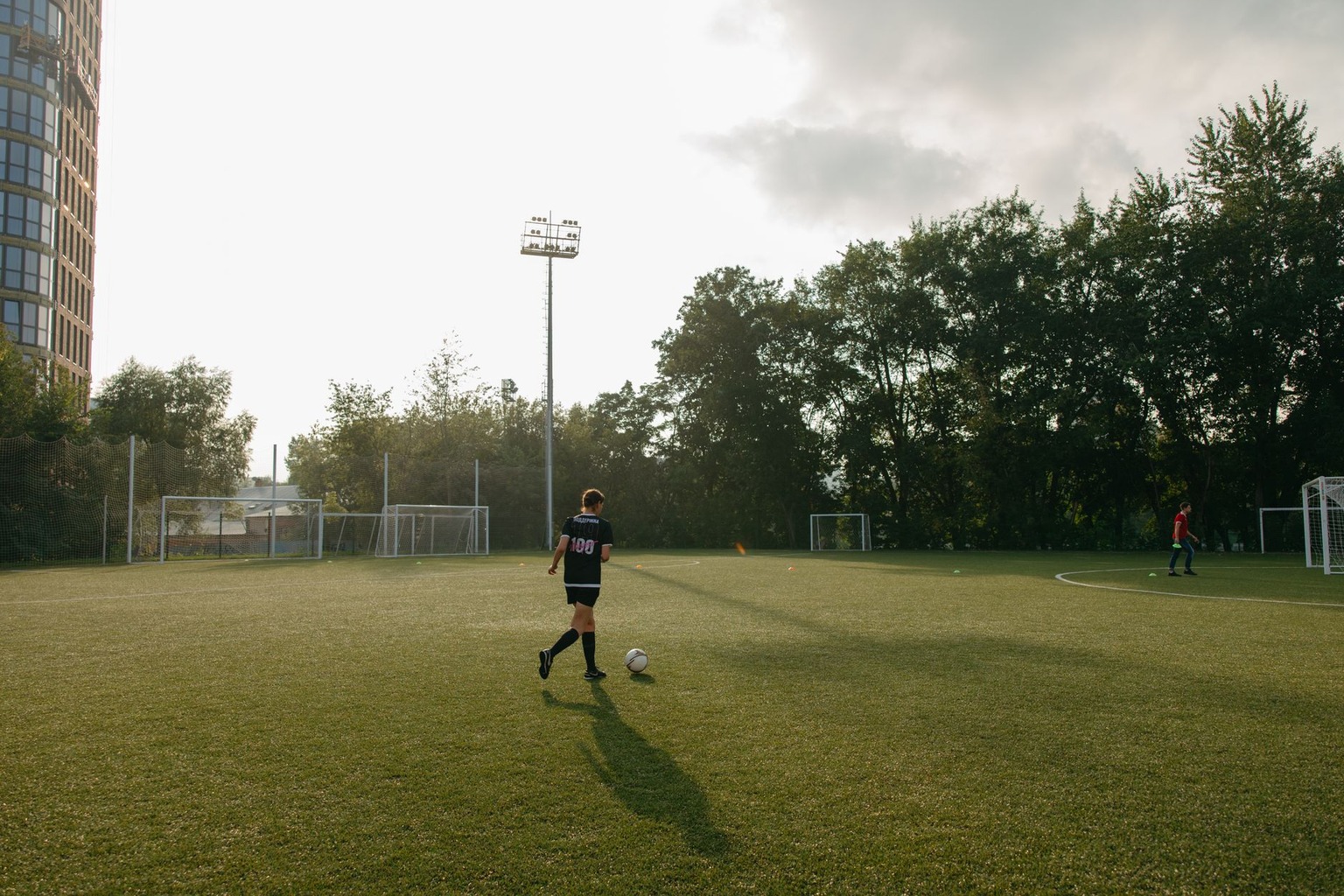
As the session winds down, a proper cool-down helps the body transition from high effort to rest. Light jogging or walking combined with gentle stretching reduces muscle soreness and aids recovery. This period is also an opportunity to address any minor nicks or blisters that may have occurred. A five-minute cool-down shows players that their well-being is a priority, not just their performance on the scoreboard. It is a professional habit that models self-care for young athletes developing their routines.
The final minutes can include a quick team huddle for reflection. The coach can ask players what they enjoyed or what felt challenging. This feedback loop is invaluable for future session planning and makes players feel heard. A simple “thank you” and high-five line wraps up the experience on a positive note. Ending on a high note ensures that players leave the field eager for the next session, reinforcing the habit of regular participation.

I’ve been playing soccer since I was a kid and love breaking down drills to help players improve. When I’m not on the pitch, I enjoy analyzing games and sharing practical tips with fellow enthusiasts.