The journey toward mastering the ball with both feet begins with a simple truth: most players have a natural preference for one side, but the gap between the dominant and the weaker side can be narrowed through deliberate practice. In the modern game, the ability to strike, pass, and control using the weaker limb is no longer a bonus, it is a baseline expectation for any serious athlete. Developing this capability requires more than just kicking a ball around; it demands structured repetition, an understanding of body mechanics, and a willingness to feel awkward at first. The process is gradual, but the payoff is a more unpredictable and complete skill set on the pitch.
Understanding the Mechanics of Ball Striking
The first step in any effective program is to break down what happens when a foot connects with a spherical object, soccer weak foot training drills. The ankle position, the point of contact on the foot, and the follow-through path all dictate the direction and power of the resulting pass or shot. When a player relies solely on the dominant side, the muscle memory becomes deeply ingrained, making the alternative feel unnatural. To shift this balance, one must start with slow, conscious movements, focusing on the shape of the foot rather than the speed of the strike. This initial phase is about rewiring the brain-body connection, ensuring that the weaker side can replicate the basic geometry of a successful strike.
Players often mistakenly believe that power comes solely from the leg muscles, but the kinetic chain involving the hips and core plays an equally vital role. Engaging the core stabilizes the torso, allowing the leg to swing freely without the body tipping over. For the weaker foot, this means practicing strikes while standing still, then gradually introducing movement. The goal is to achieve a consistent point of contact, whether using the laces for power or the inside of the foot for precision, without having to look down at the ball constantly. This mechanical awareness forms the foundation upon which all subsequent drills are built.
Static Foundation Drills for Beginners
Before moving into dynamic situations, beginners benefit immensely from static drills that isolate the movement. A common starting point is the stationary pass against a wall or against a rebounder. The player focuses solely on the placement of the non-dominant foot beside the ball and the swing of the weaker leg. By removing the variable of movement, the athlete can concentrate on the quality of the contact. This drill allows for a high volume of repetitions in a short period, which is essential for building the neural pathways required for proficiency.
Another effective static exercise involves target placement on a stationary ball. Using cones or markers placed at specific distances, the player attempts to strike the ball into designated zones. This adds a layer of cognitive load, forcing the brain to calculate angle and force while the body attempts to execute the unfamiliar motor pattern. The feedback is immediate: if the ball veers left or right, the player can adjust the foot angle or hip rotation. These drills are deceptively simple but provide the repetitive practice necessary to overcome the initial awkwardness of using the weaker side.
Progressive Movement Drills for Intermediate Players
Once the basic striking mechanics are somewhat comfortable, the next logical step is to introduce movement. Players should transition to drills that mimic game scenarios, such as moving forward or sideways while striking the ball. A useful drill involves dribbling slowly and then striking a stationary ball with the weaker foot after a few touches. This simulates the timing required during a match, where a player must often adjust their body position mid-stride to deliver a pass or shot. The key here is maintaining balance and posture while the body is in motion.
Unisport: HOW TO IMPROVE YOUR WEAK FOOT | Easy steps and training drills
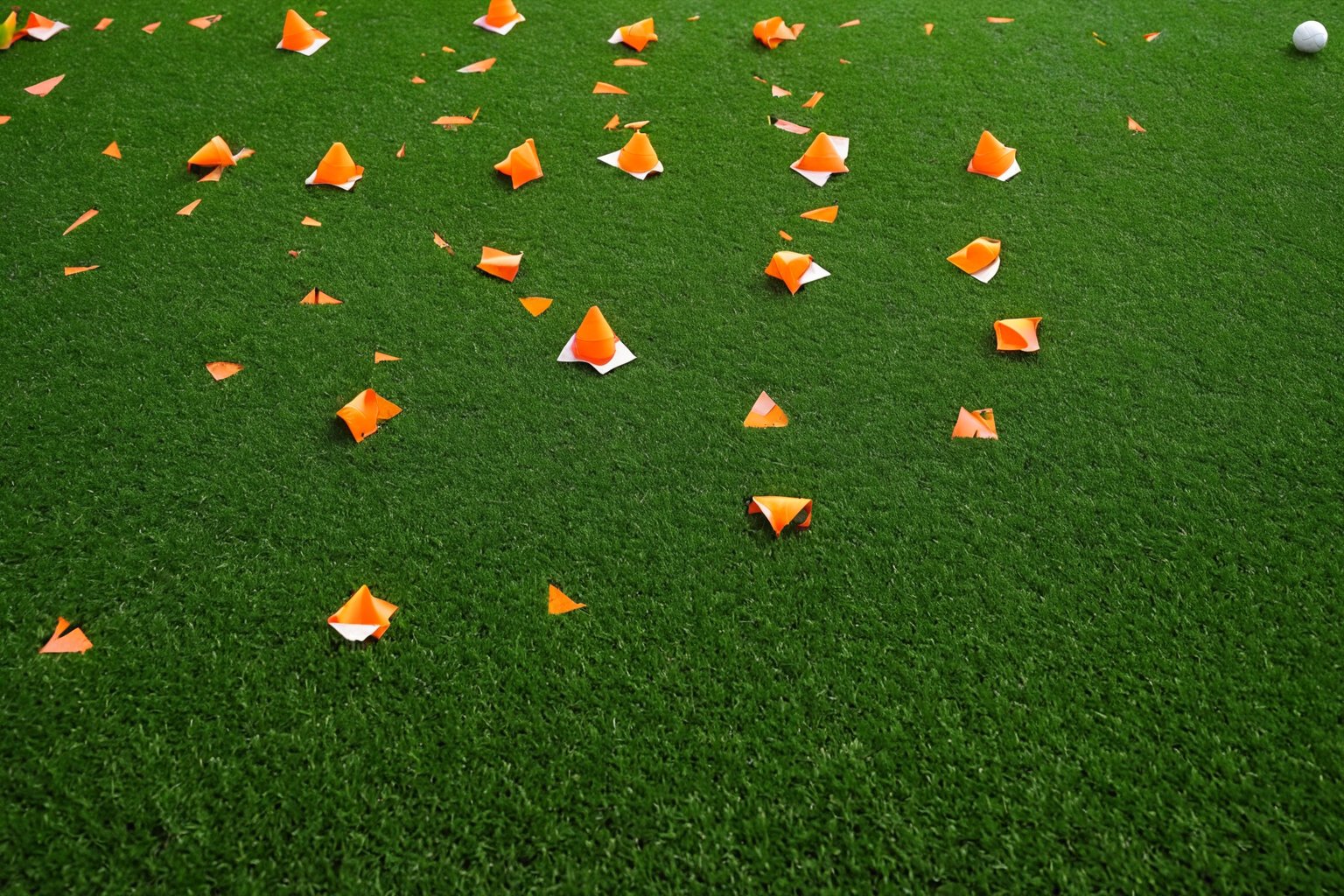
Cone weave drills are particularly effective for this stage. Setting up a line of cones, the player dribbles through them at a controlled pace, and at a designated cone, must stop and strike a ball placed nearby using the weaker foot. This forces the player to plant the dominant foot for balance and then swing the weaker leg through. It mirrors the real-game necessity of changing direction quickly and still delivering a technical action. As comfort increases, the speed of the dribble can be incrementally raised, challenging the player to maintain technique under pressure.
Game-Scenario Integration Drills
The ultimate test of a developed weaker foot is its functionality within the chaos of a actual match. Drills that integrate the weaker foot into small-sided games are invaluable. In a 3v3 or 4v4 setting, players are encouraged to use their weaker foot for at least one action per possession, whether it is a control, a pass, or a shot. This constraint pushes the athlete to make the unfamiliar familiar under defensive pressure. The presence of opponents adds a layer of decision-making that static drills cannot replicate.
Coaches can design specific rules to enforce weaker foot usage, such as awarding bonus points for goals scored or passes completed using the less preferred limb. This gamification motivates players to seek out the opportunity to use their weaker foot rather than defaulting to the comfort zone of the dominant side. Over time, these game-like repetitions reduce the hesitation that often plagues players when they are forced to use their weaker foot in a high-stakes moment. The goal is to make the weaker foot a viable option, not just a last resort.
Receiving and Trapping with the Weaker Side
Striking is only one half of the equation; the ability to receive and trap the ball with the weaker foot is equally critical for overall game balance. A player who can only pass with the weak side but traps poorly with it will still struggle to maintain possession. Drills focused on first touch using the weaker limb involve having a partner or coach play balls into the player’s path, requiring them to cushion the ball using the inside or sole of the weaker foot. The objective is to direct the ball into space or to the preferred foot for the next move.
This aspect of training requires a different type of feel. Unlike striking, where power and direction are primary, trapping is about absorption and orientation. Players must learn to give with the ball upon impact, absorbing the pace rather than fighting it. Practicing this skill involves varying the speed and angle of incoming passes. A soft touch might be needed for a slow rolling ball, while a firmer, more decisive touch is required for a driven pass. Mastery of the weaker foot’s trapping ability opens up the entire field for two-footed play.
As players embark on this development path, certain recurring mistakes can hinder progress. One of the most frequent errors is looking down at the ball during the strike, which shifts the body weight improperly and limits the range of motion. Players should be encouraged to keep their eyes up, focusing on the target area, and trusting the muscle memory they are building. This adjustment takes conscious effort at first, but it is essential for the weaker foot to develop the same fluidity as the dominant one.
Another common issue is the tendency to “chop” at the ball rather than swing through it. This often results in erratic trajectory and lack of power. The correction lies in the follow-through: the player must ensure that the leg continues its path toward the target after contact, almost as if kicking through the ball. Additionally, improper plant foot placement can cause the ball to sail wide. The plant foot should be positioned beside the ball, pointing in the desired direction of the strike, providing a stable reference point for the swinging leg.
Finally, impatience is a major barrier. Progress in weaker foot development is rarely linear; there will be days where the ball feels like an extension of the dominant foot, and other days where it feels clumsy. Players must resist the urge to abandon the weaker side after a few missed attempts. Consistency is key. Short, frequent practice sessions are far more effective than sporadic, lengthy ones. Embracing the awkward phase is part of the process, and the rewards of a truly two-footed game are well worth the initial struggle.

I’ve been playing soccer since I was a kid and love breaking down drills to help players improve. When I’m not on the pitch, I enjoy analyzing games and sharing practical tips with fellow enthusiasts.