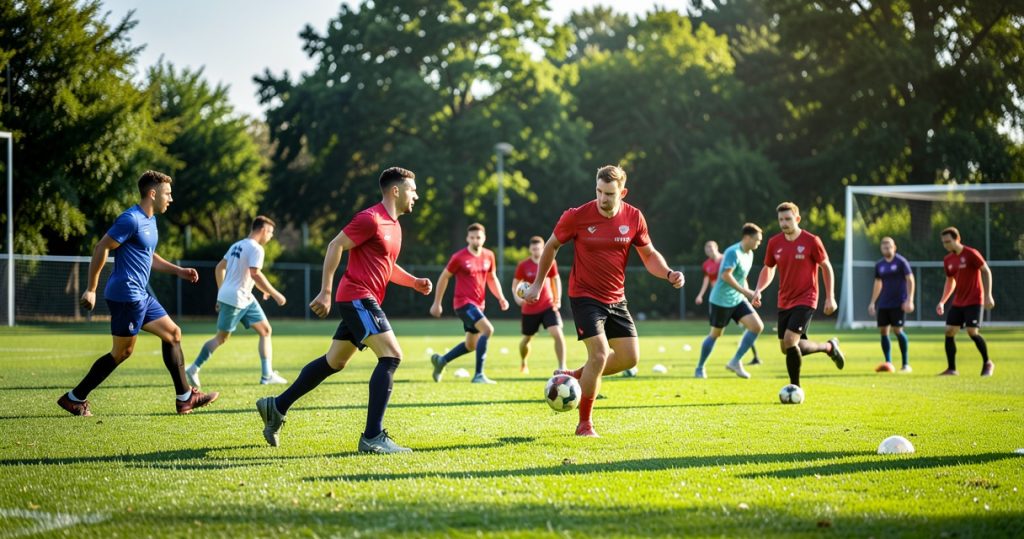
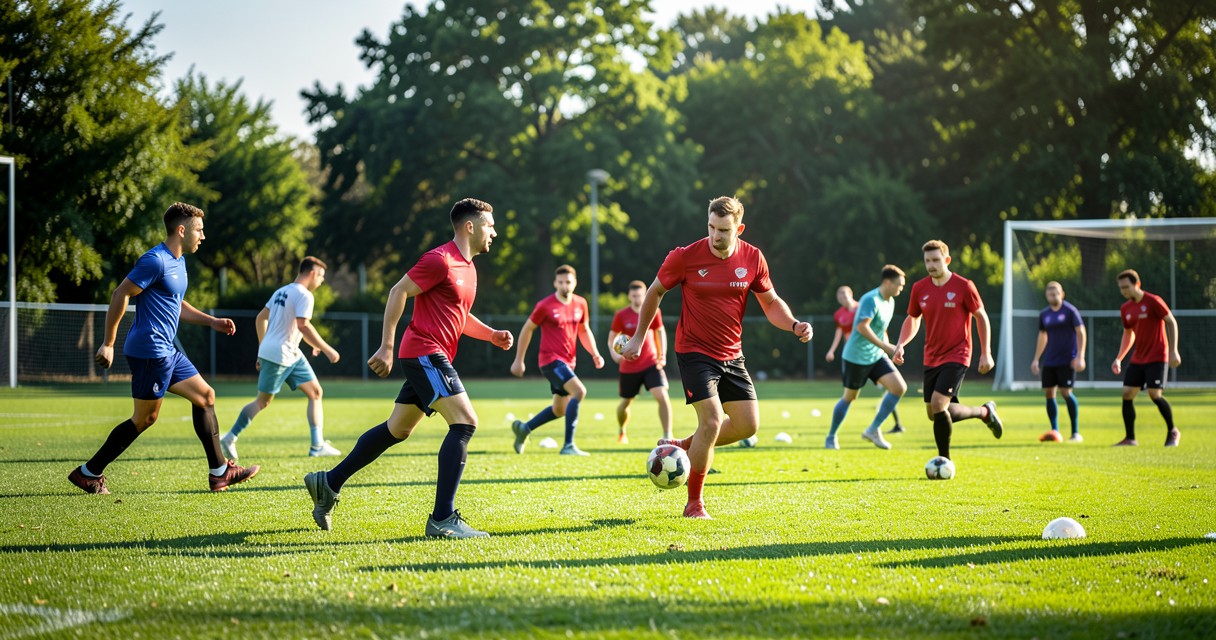
Structuring soccer practice is essential for developing players’ skills, stamina, and understanding of the game. A well-organized training session can transform a group of individuals into a cohesive team, enhancing both individual performance and overall team dynamics. Coaches need to implement a structured approach that balances skill development, tactical understanding, and physical conditioning. The following sections will delve into the critical components of a successful soccer practice structure, providing insights and practical examples for coaches at all levels.
Establishing Objectives for Each Practice
Before stepping onto the field, it’s crucial for coaches to define clear objectives for each practice session. These objectives should align with the team’s overall goals and specific areas that need improvement. For instance, if the team struggles with passing accuracy, the focus for that session could be on passing drills and small-sided games that emphasize this skill. Setting measurable goals, such as achieving a certain percentage of successful passes in a game scenario, allows players to understand their progress and areas for growth. Additionally, having specific objectives keeps the session focused and productive, ensuring that players leave with tangible skills to apply in matches.
Warm-Up: Preparing the Body and Mind
A comprehensive warm-up is vital for preventing injuries and preparing players for the intensity of practice. A typical warm-up should last about 15-20 minutes and include dynamic stretching, mobility exercises, and light ball work. Activities like jogging, high knees, and butt kicks can elevate heart rates and increase blood flow to muscles. Incorporating ball control exercises, such as dribbling or juggling, during the warm-up phase can also help players switch into a soccer mindset. This preparation not only enhances physical readiness but also fosters mental focus, setting the stage for an effective practice session.
Skill Development Drills
Skill development is at the heart of any soccer practice. Drills should be designed to target specific skills, such as dribbling, shooting, or defending, while also considering the age and skill level of the players. For younger players, simple drills like cone dribbling or passing in pairs can build foundational skills. As players advance, more complex drills, such as rondos or possession games, can be introduced to challenge their decision-making and technical abilities. Coaches should emphasize the importance of repetition in skill acquisition, encouraging players to practice until they feel confident executing the skills in game situations.
Tactical Training: Understanding the Game
Beyond technical skills, players need to develop a tactical understanding of soccer. Tactical training involves teaching players about positioning, movement off the ball, and team strategies. Coaches can incorporate small-sided games to simulate real match situations, allowing players to apply their tactical knowledge in a controlled environment. For example, setting up a 5v5 game can help players learn about spacing and creating opportunities. Discussing tactical concepts during breaks or after drills reinforces learning and helps players make connections between practice and actual games.
Physical Conditioning: Building Endurance and Strength
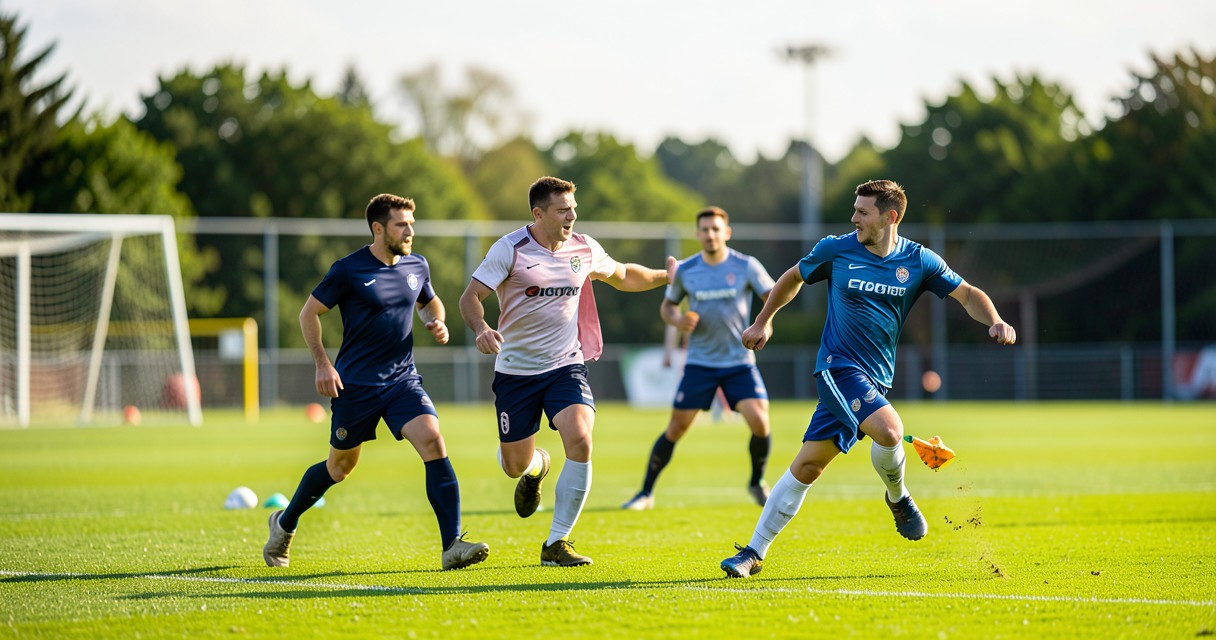
Physical conditioning is a crucial aspect of soccer practice, as it directly impacts players’ performance on the field. Incorporating conditioning exercises, such as sprints, agility drills, and strength training, should be integrated into practice sessions. Coaches might set up circuit training that includes shuttle runs, plyometrics, and core exercises to enhance overall fitness. It’s essential to tailor conditioning exercises to the specific demands of soccer, focusing on both aerobic and anaerobic capacities. Regular conditioning not only improves players’ endurance but also helps them recover faster during matches.
Game Simulation: Putting Skills into Practice
After skill development and tactical training, it’s vital to simulate game scenarios to allow players to apply what they have learned. Scrimmages or controlled games can be organized to replicate match conditions, giving players a platform to practice their skills under pressure. Coaches should set specific objectives for these simulations, such as focusing on maintaining possession or implementing a particular formation. This not only helps players understand their roles within the team but also enhances their decision-making abilities during high-pressure situations. Analyzing these scrimmages afterward can provide valuable feedback for both players and coaches.
Cool Down and Reflection
The final phase of practice often gets overlooked, but a proper cool-down is essential for recovery and reflection. A cool-down should include light jogging and static stretching to help muscles recover and prevent stiffness. Following the physical cool-down, taking time for team reflection can be incredibly beneficial. Coaches can engage players in discussions about what went well during practice and what areas need improvement. This reflection fosters a growth mindset and encourages players to take ownership of their development. By incorporating these elements into practice, coaches can create a holistic training environment that promotes both individual and team growth.
Conclusion: Creating a Balanced Practice Structure
Establishing an effective soccer practice structure is a multifaceted process that requires careful planning and execution. By incorporating clear objectives, comprehensive warm-ups, targeted skill development, tactical training, physical conditioning, game simulations, and reflective cool-downs, coaches can create a well-rounded training experience that fosters player growth and team cohesion. As players progress through these structured sessions, they will not only enhance their individual skills but also develop a deeper understanding of the game, ultimately leading to improved performance on the field.