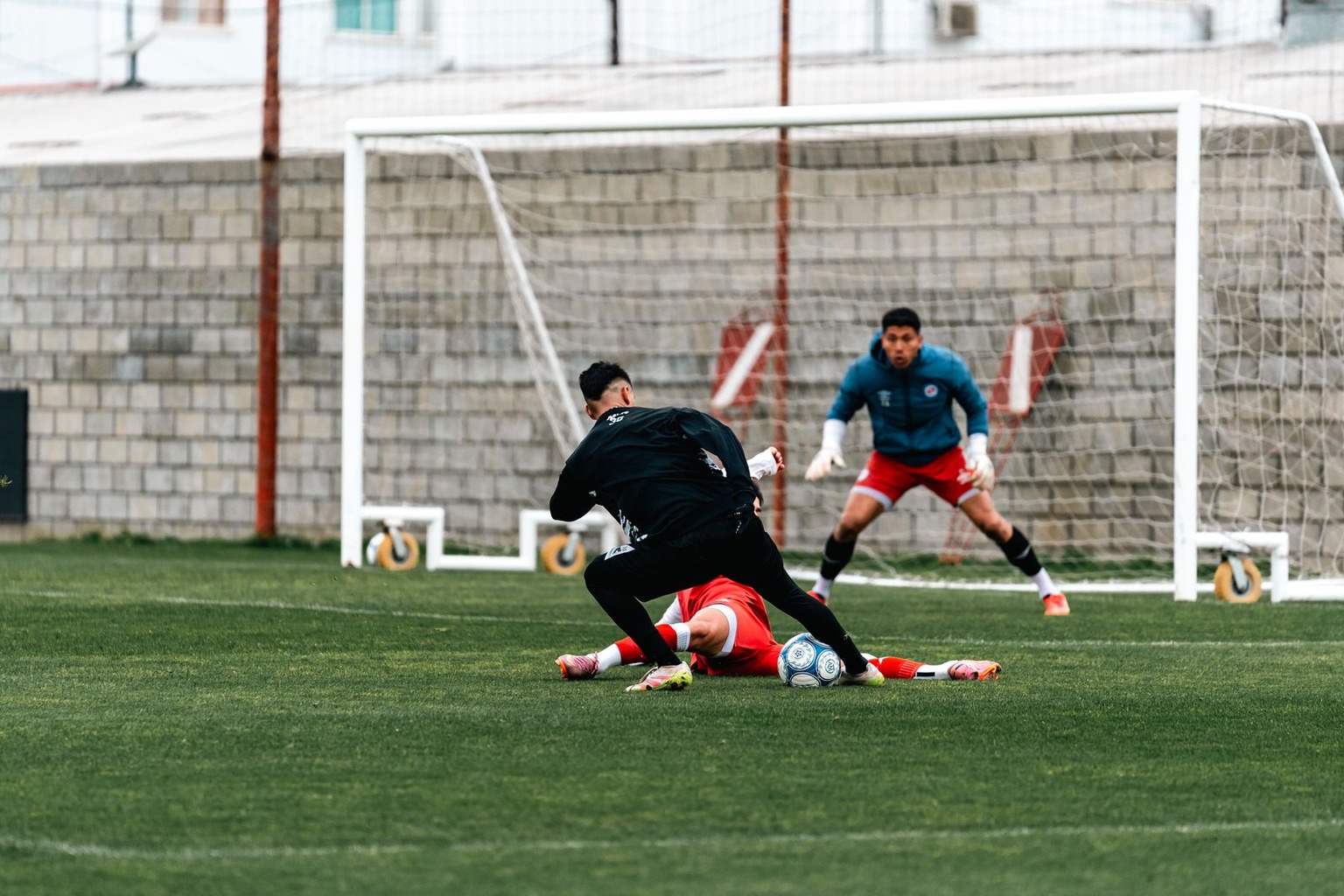
The art of stopping a puck or ball often comes down to split-second decisions and body positioning. For young keepers, mastering the fundamentals creates a foundation for years of success. This guide breaks down the essential components of a reliable stopping method, offering practical drills and tactical insights designed specifically for the training ground. Whether you are coaching a youth side or developing your own skills, the following sections provide a clear roadmap to improving consistency and confidence between the posts.
Body Alignment and Stance Fundamentals
Proper positioning starts with the feet and hips, block shot. A keeper should stand with feet shoulder-width apart, knees slightly bent, and weight balanced on the balls of the feet. This athletic posture allows for quick lateral movement and ensures the body can absorb impact without losing balance. The torso should lean forward slightly, keeping the eyes focused on the shooter’s hips or the incoming projectile. By maintaining a low center of gravity, the keeper is better equipped to explode sideways or forward when the shot is released. Consistency in this basic stance translates to more successful stops during high-pressure moments.
Hand placement is equally critical. Hands should be positioned in front of the body, slightly wider than the shoulders, with fingers spread to maximize surface area. When a shot comes, the hands move toward the ball or puck, absorbing the force by giving way slightly at the elbows. This “soft hands” technique reduces the rebound and keeps the possession in play. Young keepers often lock their arms straight, which can lead to rebounds or injuries. Coaches should emphasize a relaxed grip and the ability to pull the hands back into the chest after each stop.
Reading the Shooter and Anticipation
Anticipation separates good keepers from great ones. Before the shot is struck, the keeper must read the shooter’s body language. The position of the plant foot, the swing of the leg, and even the eyes can hint at the intended target. By watching these cues, the keeper can initiate a movement toward the likely side of the goal, reducing the distance they need to travel. This proactive approach often results in a cleaner stop, as the keeper is already in motion rather than reacting from a standstill.
Communication with the defense also plays a vital role. A well-organized backline can funnel attackers into less dangerous areas, giving the keeper a better angle to work with. Keepers should constantly direct their defenders, calling for adjustments in positioning or warning of incoming runs. This verbal coordination creates a cohesive unit that limits the number of high-quality scoring opportunities. When the defense executes their roles effectively, the keeper’s job becomes about fine-tuning rather than making miraculous saves from scratch.
The Extension and Recovery Phase
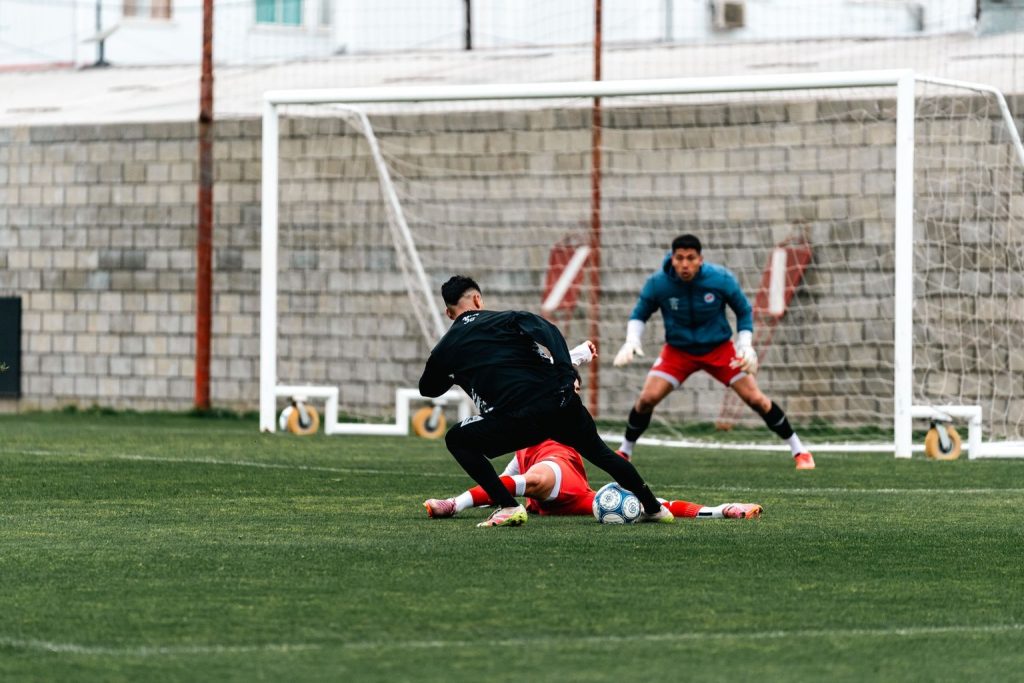
When a shot is directed toward the corners, the extension technique becomes essential. The keeper throws their weight toward the ball, fully extending one leg and the opposite arm to maximize reach. This stretch should be controlled; overextending can lead to loss of balance or missing the object entirely. The goal is to present the largest possible silhouette to the shooter while maintaining the ability to spring back into position for a potential rebound. Practicing this movement on both sides ensures the keeper can cover the entire net effectively.
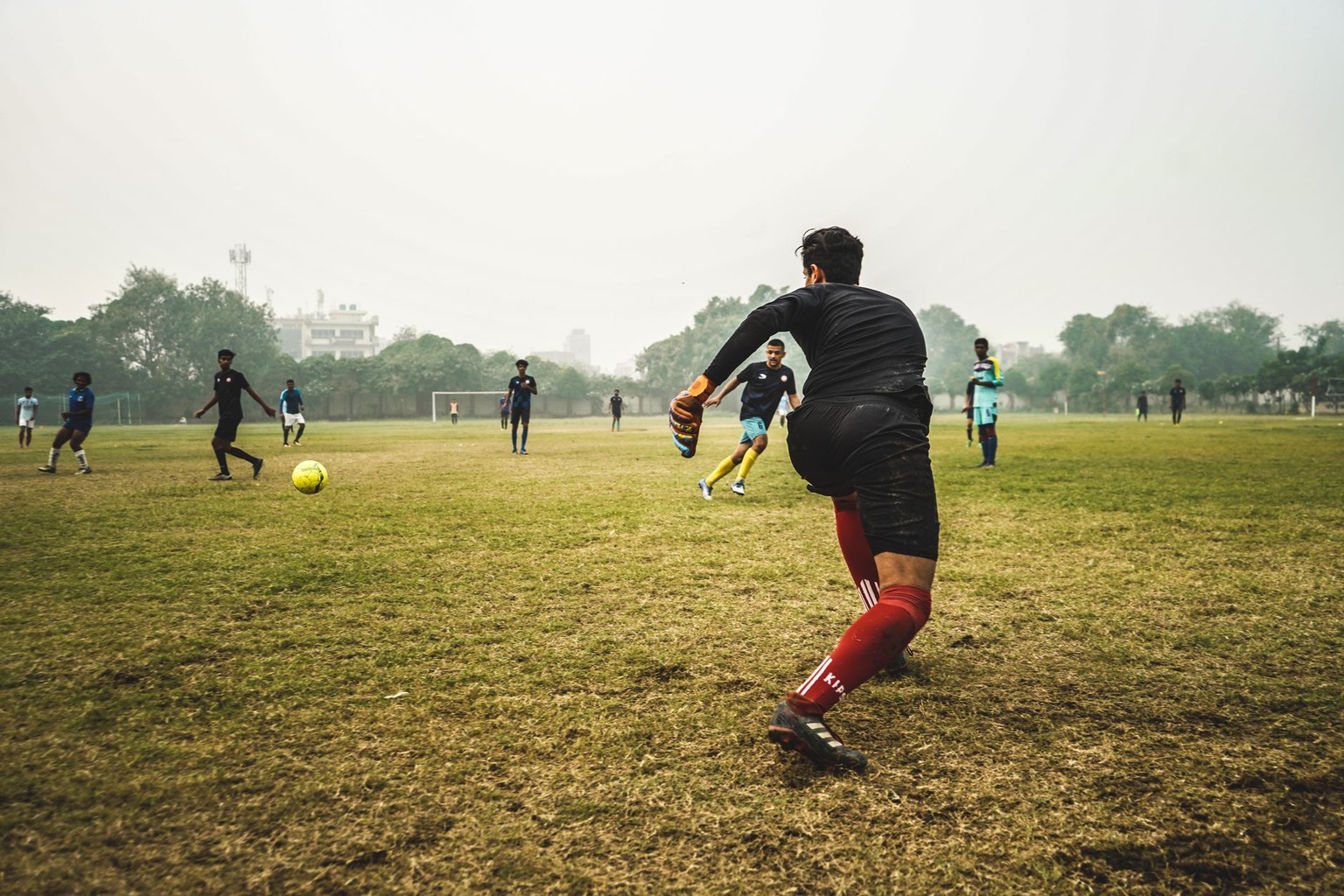
Recovery after the stop is often overlooked but is crucial for game flow. After making a save, the keeper must quickly regain their footing and get back into the ready position. This involves a quick push-off from the ground or a rapid crossover step, depending on the direction of the initial dive. Drills that focus on transitioning from a lying or extended position back to standing help build muscle memory. The faster the recovery, the sooner the team can launch a counter-attack or reset the defensive shape.
Handling High and Low Shots
High shots require a different set of technical adjustments. When facing a ball or puck coming at chest or head height, the keeper should look to catch or parry the object downward. Using the “W” hand shape for catches provides a secure grip, while a flat-palmed parry directs the energy downward away from the goal. Timing is everything; too early and the keeper misses the object, too late and it slips past. Repetition with varying heights helps the keeper develop the reflexes needed to adjust on the fly.
Low shots, often aimed at the feet or just above the turf, demand quick footwork and a low center of gravity. The keeper should stay on the balls of the feet, ready to drop into a kneeling or sitting position if necessary. The hands should sweep low, guiding the ball into the body or safely away from the goalmouth. Practicing low-angle shots from close range helps keepers overcome the instinct to stand tall and instead commit fully to the horizontal plane. This versatility makes the keeper a more complete shot-stopper.
Drills for Skill Reinforcement
Structured drills are the bridge between theory and match performance. A classic exercise involves having a partner fire shots from the penalty spot, forcing the keeper to adjust stance and hand position rapidly. Adding movement, such as shuffling side-to-side before each shot, simulates the chaos of a real game. Keepers should focus on maintaining balance and proper technique even as fatigue sets in. These repetitions build the confidence needed to execute under pressure.
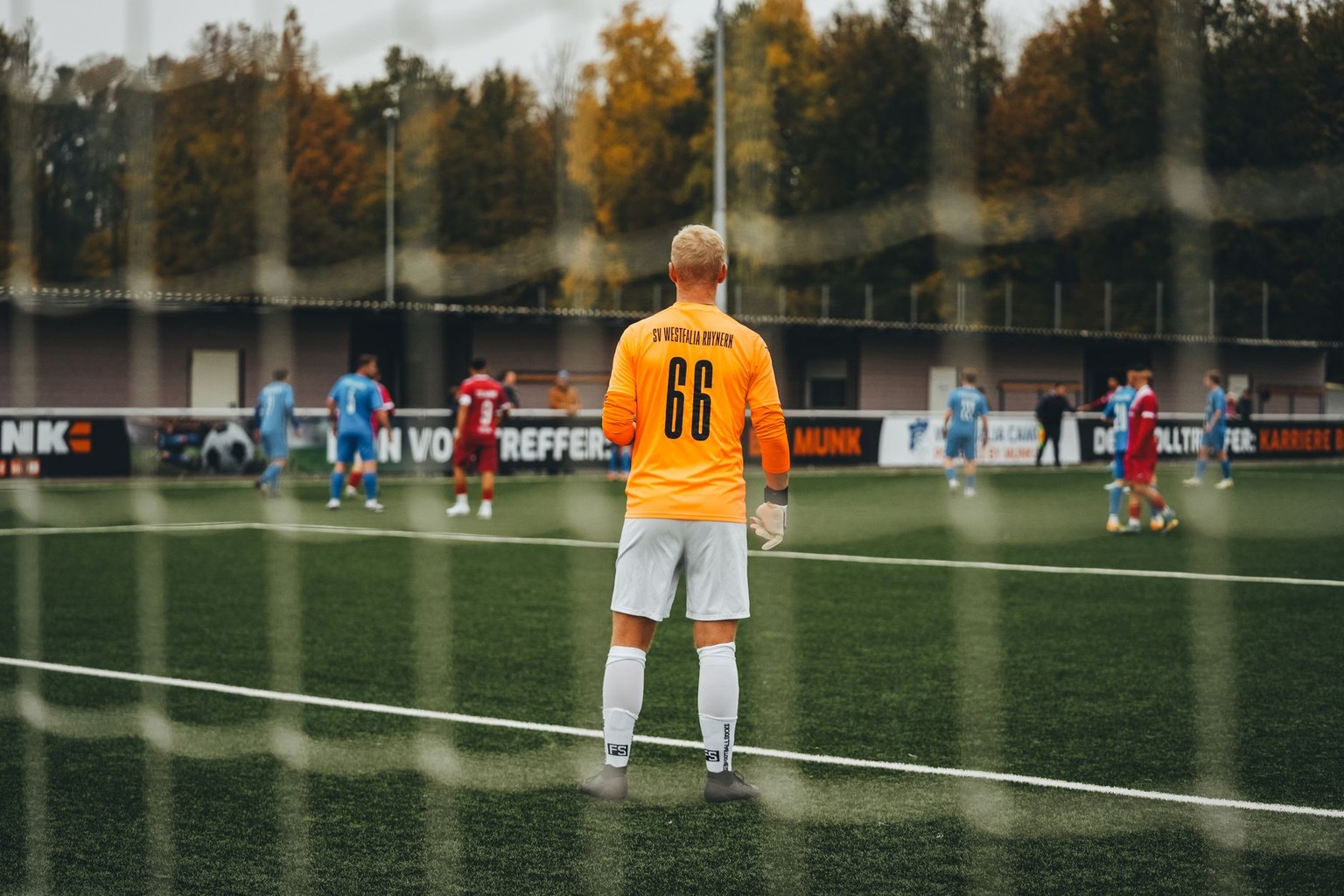
Another effective drill is the “reaction save” using a tennis ball or small ball. The coach or a teammate drops the ball from shoulder height without warning, requiring the keeper to react instantly. This drill sharpens hand-eye coordination and trains the brain to process visual information faster. Adding a visual cue, like a colored cone, can tell the keeper which direction to dive, further enhancing decision-making speed. Regular inclusion of these drills in weekly training sessions yields noticeable improvements in stopping percentage.
Equipment and Safety Considerations
Proper gear enhances performance and protects the keeper from injury. Gloves with adequate padding and a secure wrist strap provide the confidence to attack high shots without fear of hyperextension. Shin guards and padded shorts are essential for young keepers who are still developing their technique and may face frequent contact. Investing in well-fitting, high-quality equipment allows the keeper to focus on technique rather than discomfort or fear of pain.
Beyond the physical gear, the mental aspect of safety is paramount. A keeper who is afraid of getting hit will hesitate, leading to poor positioning. Coaches should create a training environment where mistakes are treated as learning opportunities, not failures. Encouraging keepers to face shots without hesitation, while providing constructive feedback, builds the resilience needed for the position. Over time, this confidence translates to more aggressive and effective shot-stopping.

I’ve been playing soccer since I was a kid and love breaking down drills to help players improve. When I’m not on the pitch, I enjoy analyzing games and sharing practical tips with fellow enthusiasts.