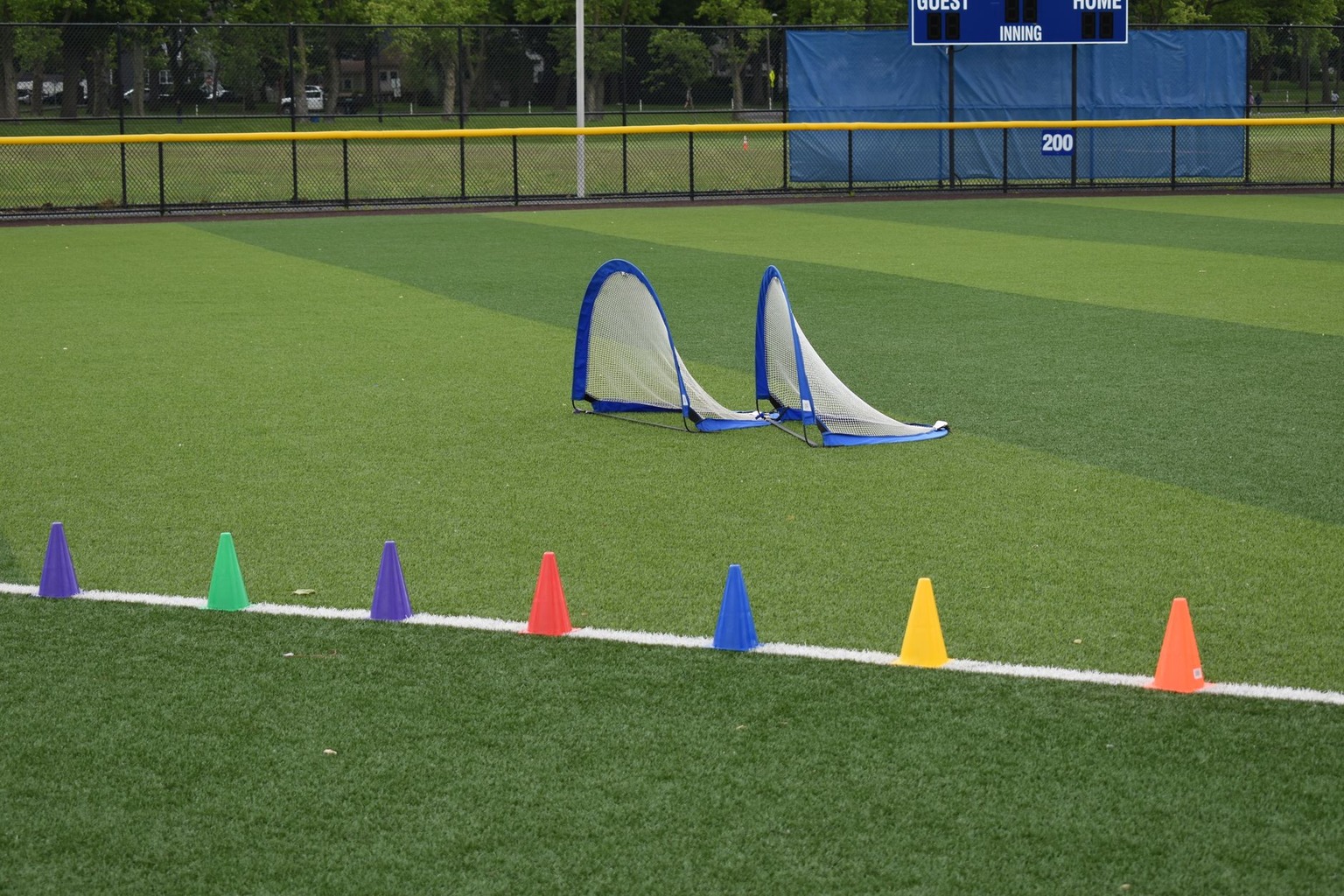
Coaches and parents often face the same frustrating choice: should they buy a single bag of cones or invest in a comprehensive training package that covers every technical aspect of youth development? The answer usually depends on the age group you coach and the specific gaps in your current curriculum. Before buying, check the full details of the ultimate soccer drill kit to ensure it matches your training needs. A well-structured kit saves time, reduces clutter on the field, and ensures that every session has the right tools for progressive skill building.
Equipment Quantity vs. Session Efficiency
Most basic kits contain between forty and sixty cones, which sounds like a lot until you start setting up multiple stations simultaneously. A comprehensive kit typically doubles that number, adding twenty to thirty additional markers to allow for complex small-sided games without constant resetting. This quantity matters because youth attention spans are short, and you cannot afford to pause drills every five minutes to gather scattered equipment. When cones are abundant, coaches can maintain momentum and keep players moving through varied tactical scenarios.
The impact of endurance becomes clear during a ninety-minute session with young players. If you only have thirty cones, you are forced to simplify drills or reduce the number of active stations at any given time. A larger kit allows for simultaneous technical work on one side of the field while tactical play happens on the other. This parallel processing keeps all players engaged and reduces idle time, which is the biggest enemy of effective youth training. The initial cost is higher, but the saved time in setup and cleanup pays for itself within a single season.
You must also consider the durability of the included markers against the volume of use they will receive. Cheap cones crack after two or three seasons of regular outdoor use, forcing you to buy replacements individually. Premium kits use heavier plastic that withstands being kicked, stepped on, and left in rain without losing shape. This longevity means you are not constantly replacing broken pieces, which keeps your training area organized and safe. It is a better investment to pay more upfront for equipment that lasts five years than to replace cheap items every year.
Age Group Specificity and Progression
One common mistake is assuming that a single kit works equally well for seven-year-olds and sixteen-year-olds. Younger players need smaller targets and simpler layouts, while older players require wider spacing and more complex decision-making structures. A truly versatile kit includes different sized markers or gates that can be adjusted to fit the physical development stage of your group. If the gear restricts progress skills, you’ll limit long-term player development.
The United States Soccer Federation guidelines emphasize age-appropriate field sizes and numbers, which directly impacts the gear you need. For under-9 groups, tight spaces work best to encourage ball familiarity, but this requires many small markers to define those areas clearly. As you move up to under-12 and beyond, the spacing opens up, and you need longer poles or heavier bases to keep gates stable during high-intensity play. A kit that only has small, light cones will struggle to support the more physical demands of older age groups effectively.
Consider how the kit supports longitudinal development over a full three-year cycle within an age bracket. You want equipment that allows you to start with basic control drills and end with competitive game-like scenarios without changing the core set of tools. This consistency helps players recognize patterns and build confidence in their abilities. If you have to buy new equipment for every major skill jump, you are fragmenting your training approach and increasing costs unnecessarily. Look for kits that explicitly state their compatibility with different age ranges and skill levels.
Material Durability and Weather Resistance
Outdoor training exposes gear to sun, rain, and uneven surfaces, so material quality is not a luxury but a necessity. UV exposure degrades standard plastic over time, causing it to become brittle and snap under normal handling. High-quality kits use UV-stabilized polymers that retain their flexibility even after months of direct sunlight. This matters because most youth sessions happen outdoors, and you cannot always control the weather conditions during practice.
On Paul Spacey’s channel they explain soccer coaching equipment essentials—you can watch it right here.
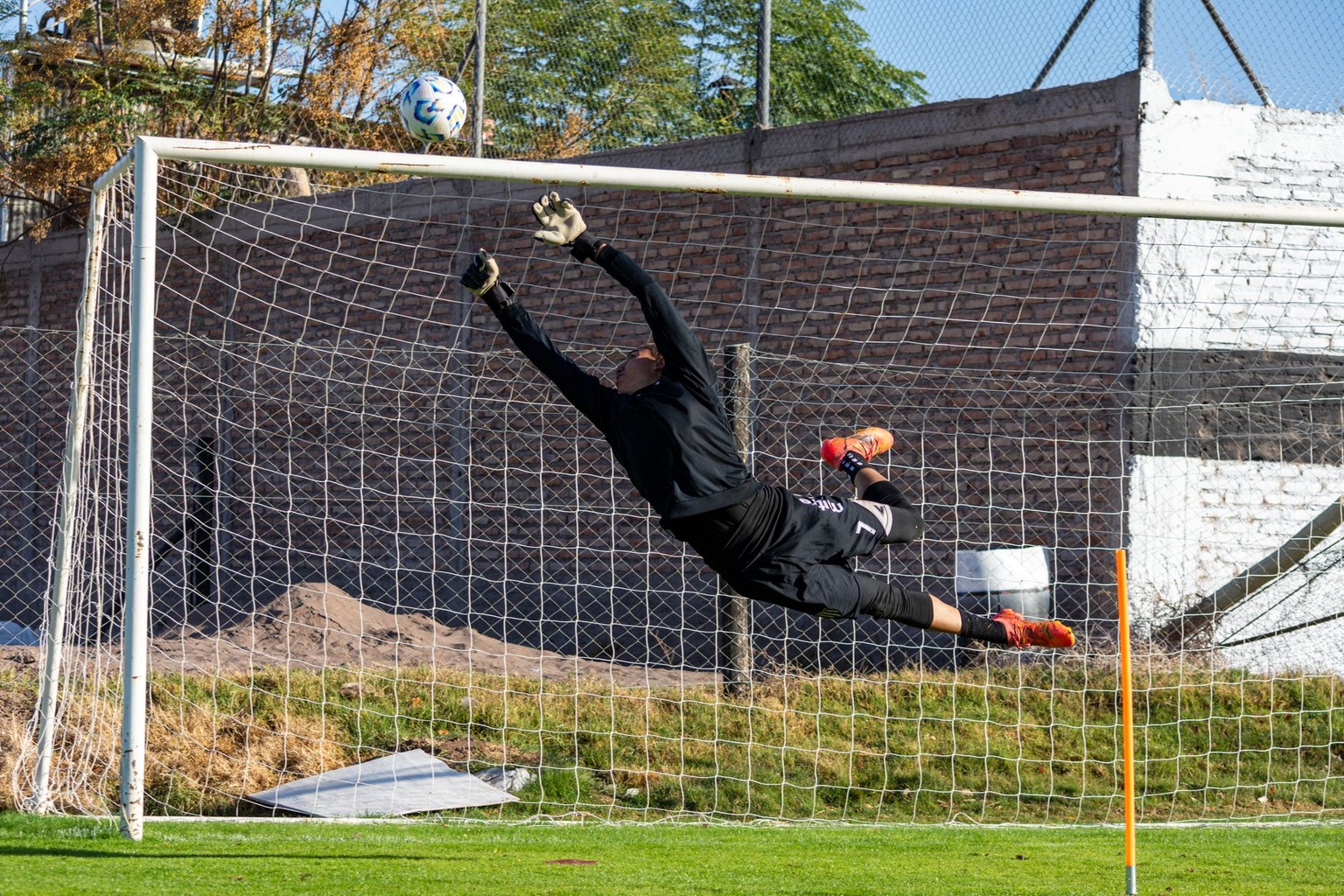
Weight is another critical factor that separates a functional kit from a frustrating one. Light cones are easy for young children to set up, but they blow away in any breeze and get kicked into the next yard during drills. Heavier bases add stability but require more effort for small players to move. The ideal balance depends on your primary age group, but most coaches find that medium-weight markers offer the best compromise between stability and ease of use.
Check the storage solution included with the kit, as this often determines how long the equipment stays organized. A flimsy net bag tangles quickly and makes it impossible to count pieces or find specific items without digging through a mess. Sturdy, zipped containers with internal dividers keep cones sorted by type and prevent them from rolling around in the trunk of your car. This organization saves time before practice starts and ensures that nothing gets lost or damaged in transit to the field.
Curriculum Alignment and Drill Variety
The value of a kit is directly tied to how well it supports a structured curriculum rather than random impromptu drills. Many generic kits lack the specific gate sizes needed for standard passing patterns or shooting zones used in modern youth academies. If your training plan calls for specific spatial dimensions, your equipment must be able to create those precise layouts on command. Without this alignment, you end up approximating drill setups with whatever cones you have, which reduces the technical precision of the session.
Look for kits that come with a digital library or printed guide of drills that use the exact equipment provided. This removes the guesswork for new coaches and ensures that the progression logic is sound. The drills should cover ball mastery, passing, shooting, defending, and game application in a logical order. If the included resources are generic or missing, you are left to design every single exercise from scratch, which takes time away from actual coaching.
Your local coaching association may have specific recommendations for equipment standards that align with national development programs. Aligning your kit with these standards ensures that your players are training in a way that is consistent with broader youth development pathways. This consistency helps when players transfer between clubs or attend camps, as they are already familiar with the types of drills and setups you use. It reduces the learning curve for new coaches joining your program and maintains a high standard of technical instruction.
Storage Logistics and Transport Weight
A heavy, bulky kit can become a burden that discourages frequent training if it is too difficult to move around. Check the total weight of the package and how it distributes in your vehicle or storage space. A well-designed kit packs down into a compact shape that fits easily into a standard car trunk or under a bed. If you have to fight with awkward shapes every week, you will find excuses to skip sessions or leave equipment at home.
The number of trips you need to make from the car to the field also impacts your energy levels before practice even starts. A kit that requires two large bags and three separate trips is exhausting compared to one that fits in a single rolling case. This efficiency matters because coaches are often managing multiple responsibilities, including driving, setting up, and supervizing. Reducing logistical friction allows you to focus more on the players and less on the equipment management.
Consider who else will be moving the equipment, as assistants or parents may help with setup and cleanup. If the kit is too heavy for a parent to carry alone, it creates a dependency that can disrupt your training schedule. Lightweight but durable materials solve this problem, allowing multiple people to share the load easily. This flexibility is crucial for community youth programs where volunteer availability can vary from week to week.
Total Cost of Ownership and Value
The sticker price is only part of the equation; you must calculate the total cost of ownership over a three to five year period. A cheap kit that breaks in one year costs more than a premium kit that lasts four years when you factor in replacement purchases. Add up the cost of individual cone replacements, storage bags, and time spent gathering lost equipment over several seasons. This holistic view often reveals that the higher upfront investment is actually the cheaper option in the long run.
Resale value is another factor to consider if you might upgrade or change programs in the future. Premium brands retain their value better on secondary markets because of their reputation for durability and completeness. If you outgrow a kit or switch clubs, being able to sell it for a reasonable amount offsets your initial investment significantly. Generic, no-name kits often have zero resale value because there is no brand recognition to support a buyer’s confidence.
Compare the cost per session rather than the cost per item to get a clearer picture of value. If you use a kit twice a week for forty weeks a year, that is eighty sessions per year. Divide the total cost by the number of sessions to see what each practice hour actually costs you. This metric helps you make an objective decision based on usage frequency rather than emotional attachment to specific brands or flashy packaging. It ensures your spending aligns with your actual training volume and needs.
Compatibility with Local Facilities
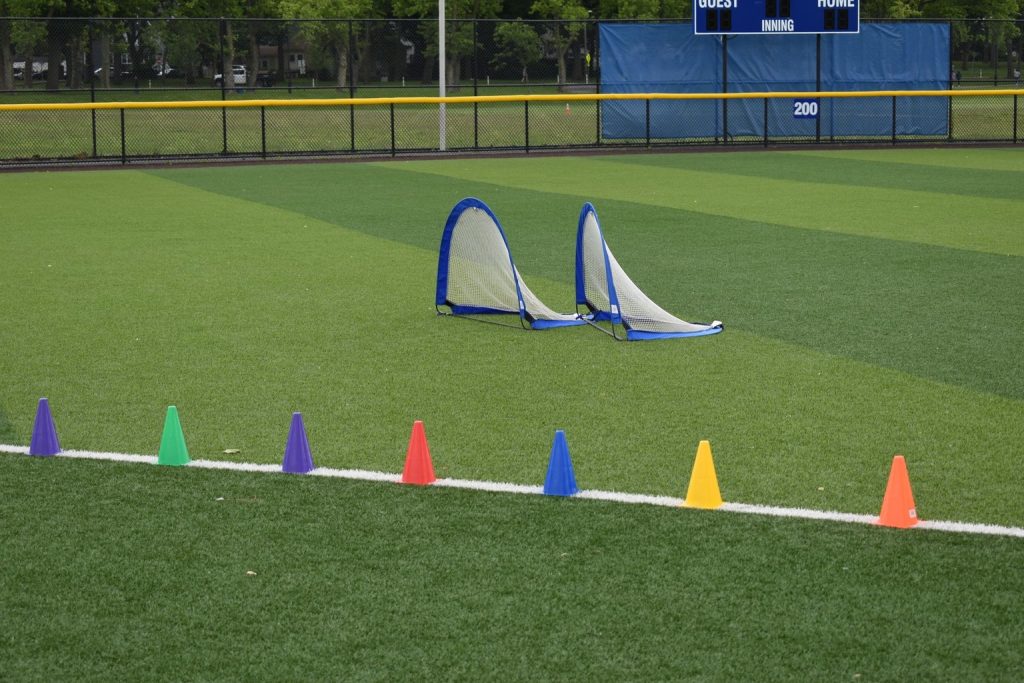
Your local field conditions should dictate certain features in the kit you choose. Artificial turf requires different grip considerations than natural grass, and the bases of your markers must not damage the surface. Some plastic cones have sharp edges that can tear artificial turf fibers over time, so check for rounded designs that are turf-friendly. If your primary training ground is artificial, this compatibility check is essential to avoid facility complaints or additional repair costs.
The size of your available field also limits the types of drills you can run with a large kit. In urban areas with small, crowded fields, having too much equipment can make the space feel cluttered and unsafe. A kit that includes modular components allows you to scale down the setup to fit tight spaces without sacrificing drill quality. This adaptability is crucial for coaches working in cities or shared facilities where space is always at a premium.
Local weather patterns also play a role, especially in regions with extreme heat or freezing temperatures. Materials that become too soft in high heat or too brittle in cold snaps are unreliable for year-round use. Check the temperature range specified by the manufacturer to ensure the kit can handle your local climate extremes. This practical consideration ensures that your equipment remains functional and safe throughout the entire competitive season, regardless of weather fluctuations.

I’ve been playing soccer since I was a kid and love breaking down drills to help players improve. When I’m not on the pitch, I enjoy analyzing games and sharing practical tips with fellow enthusiasts.