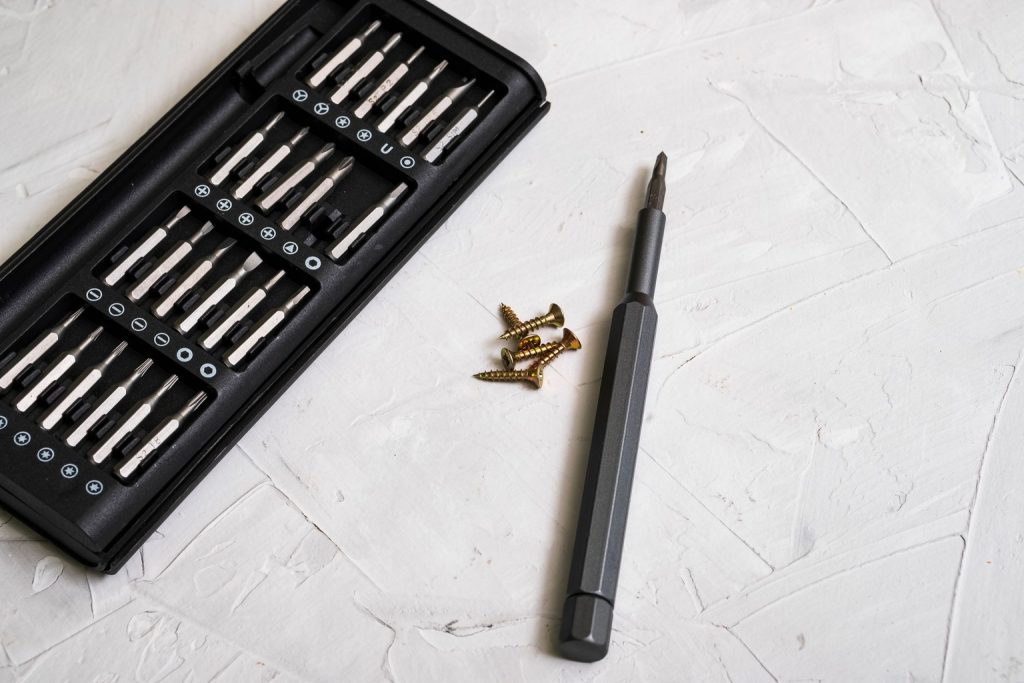
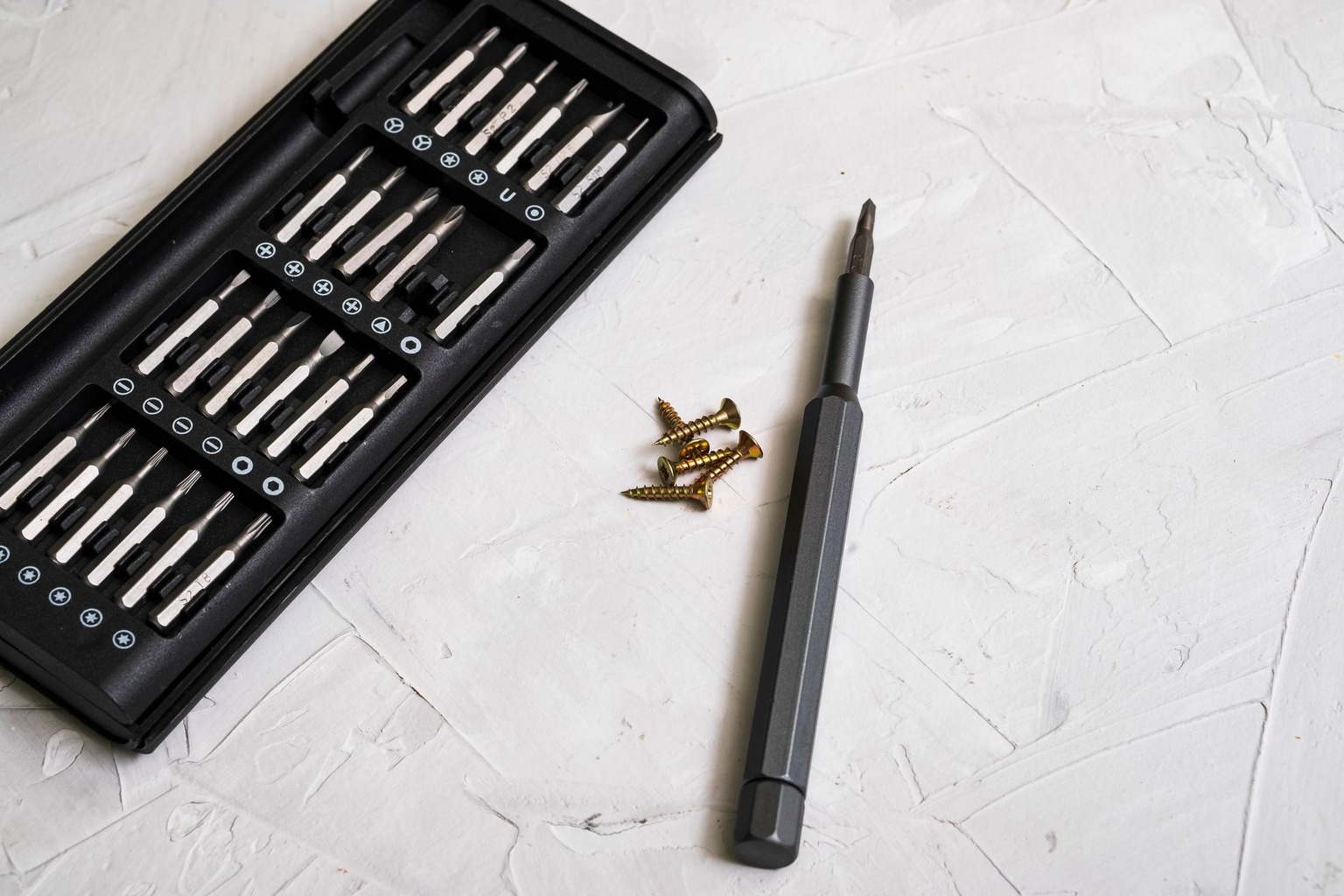
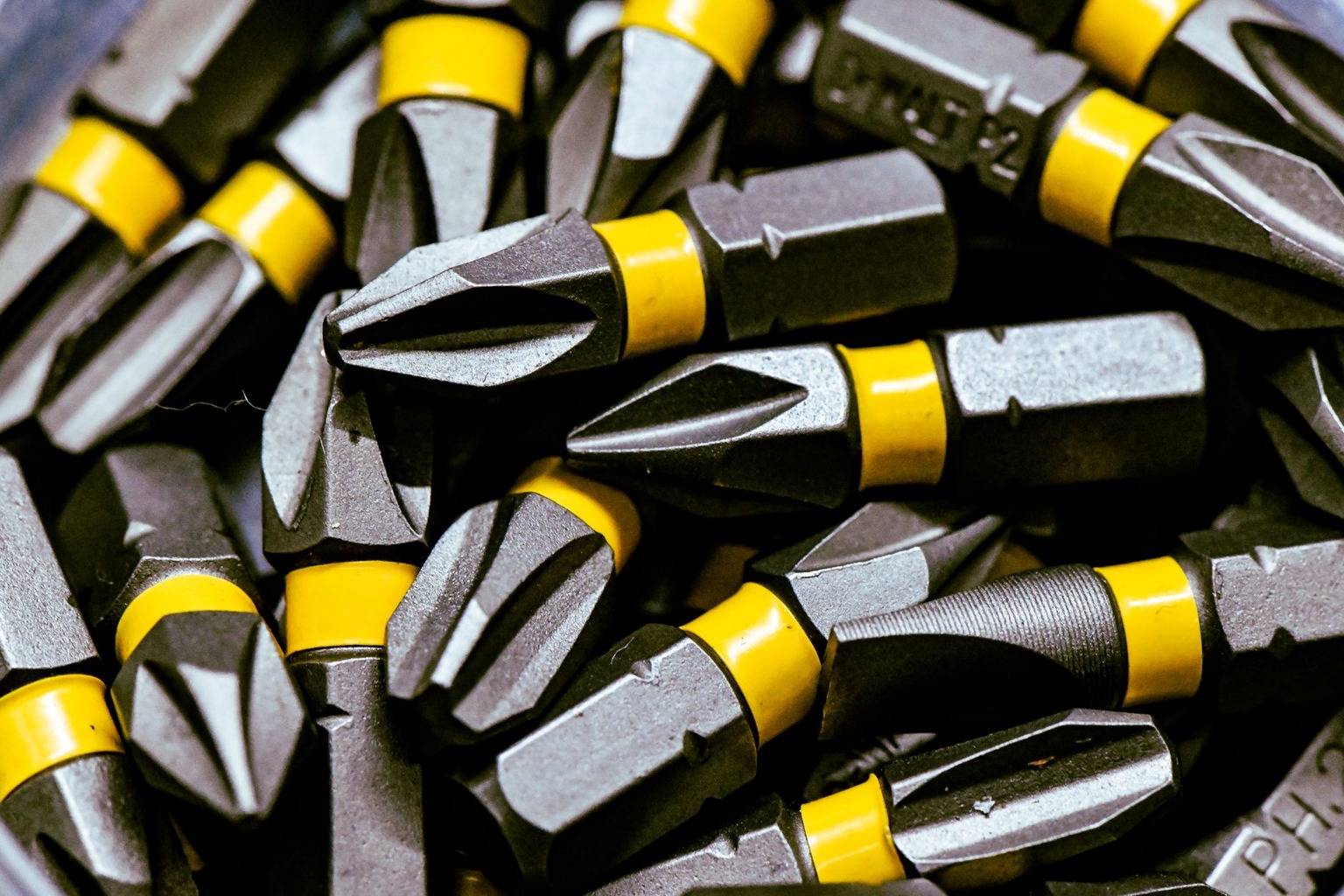
Strength training in youth soccer often gets misunderstood as a weight room exercise, but the most effective gains happen on the pitch through high-repetition, low-impact movements that build functional power without stressing growing joints. Coaches need tools that allow players to perform these motions with proper form and sufficient resistance, which is why a 3 piece power extension bit set for drills has become a staple in modern training kits. This specific setup allows for consistent loading across different drill stations, ensuring that every rep hits the target muscle groups with the right intensity for age-appropriate development. By integrating this equipment into your weekly routine, you create a structured environment where players can safely increase their output while maintaining the technical precision required for competitive play.
Understanding Functional Power in Youth Athletes
Power is the product of force and speed, meaning that a player needs to generate significant ground reaction forces quickly to accelerate through a turn or strike a ball with pace. For young athletes under sixteen, the focus must remain on technique and neural adaptation rather than maximal strength, as their skeletal systems are still maturing and prone to injury if loaded incorrectly. Research in sports science consistently shows that plyometric and resistance-based drills improve sprint times and change-of-direction speed more effectively than traditional heavy lifting for this age group. When you use a 3 piece power extension bit set for drills, you are essentially providing adjustable resistance that mimics the variable loads encountered during actual match play, such as pushing off a defender or absorbing impact after a tackle.
The key to effective power development lies in the velocity of movement; if the resistance is too high and slows the athlete down, they lose the specific neural pattern needed for explosive soccer actions. This is why coaches often pair resistance bands or weighted implements with speed-based drills rather than static holds. The three-piece configuration allows you to mix and match resistance levels for different body parts, targeting the glutes, hamstrings, and core muscles that drive most soccer-specific movements. You can start with lighter settings to ensure the player moves at high velocity, then gradually increase the load as their technique becomes more efficient and stable under fatigue.
Structural Benefits of the Three-Piece Configuration
The modular design of this equipment offers flexibility that single-unit resistance tools simply cannot match, allowing coaches to set up multiple stations simultaneously within a small training area. Each piece in the set serves a specific function, such as anchoring points, handles, or resistance attachments, which means you can adapt the setup for lower-body push patterns, upper-body stability work, or core anti-rotation exercises. This versatility is critical for youth programs where space and equipment budgets are often limited, as it replaces several single-purpose tools with one cohesive system. Coaches who have adopted this approach report that players engage more actively because they can see and touch the resistance components, making the abstract concept of “strength” tangible and measurable.
From a biomechanical perspective, the ability to adjust the angle and length of the extension pieces allows for a more natural range of motion compared to fixed machines. Soccer movements are multi-planar, involving forward, lateral, and rotational forces, so training equipment should reflect this complexity rather than isolating muscles in a single plane. The three-piece setup encourages compound movements that recruit multiple muscle groups simultaneously, which is exactly what happens when a player changes direction at full speed on a grass field. This functional transfer ensures that the strength gained in the drill session directly translates to better performance in competitive matches, reducing the gap between training and game day.
Age-Appropriate Load Management
Determining the right resistance level for young athletes requires a careful assessment of their current fitness level, age, and technical maturity, as one size does not fit all in youth development. The general consensus among sports medicine professionals is that children should start with very light loads, often just the weight of the equipment itself, before adding external resistance as their technique improves. Using a 3 piece power extension bit set for drills allows you to fine-tune this progression in small increments, avoiding the common mistake of jumping to heavy loads too quickly and causing form breakdowns or joint stress. This gradual approach protects long-term health while still providing enough stimulus to trigger positive adaptations in muscle tissue and bone density.
On the yougotmojo channel they cover proper dive mechanics so you can watch it right here.
Monitoring the player’s response during the session is just as important as setting the initial load, so coaches should watch for signs of fatigue, such as a drop in bar speed or a change in posture. If a player begins to compensate with their lower back or knees, it is a clear signal that the resistance is too high for their current capacity, and you should reduce the load immediately. The modularity of the set makes this adjustment quick and easy, allowing you to swap out a heavier piece for a lighter one without interrupting the flow of the drill. This real-time adaptability keeps the training safe and effective, ensuring that every player works within their personal zone of tolerance for strength development.
Integrating Resistance into Technical Drills
The biggest hurdle in youth soccer is balancing technical precision with physical conditioning, but resistance tools can sharpen skills when used properly. Instead of using the equipment in isolation, you can attach it to standard ball-handling drills to create a dual-task environment that challenges both cognitive and physical capacities. For example, a player might perform a quick footwork sequence while holding a light resistance band attached to one of the extension pieces, forcing them to maintain balance and core stability under load. This type of training mimics the chaotic nature of match play, where players must control the ball while being physically challenged by opponents, making the skills more robust under pressure.
Coaches should be mindful not to overcomplicate the drill, as adding too many variables can lead to frustration and poor technique. Start with simple movements that are already well-practiced, then introduce the resistance element gradually to see how it affects performance. If the player’s ball control deteriorates significantly, the load may be too high, or the drill may need to be simplified before adding more complexity. The goal is to find a balance where the physical challenge enhances the technical learning without overwhelming the young athlete’s ability to process information and execute skills with precision.
Safety Considerations and Injury Prevention
Youth athletes are at a higher risk for overuse injuries if their training volume and intensity are not managed properly, so safety must always be the primary focus of any strength program. The use of resistance equipment should never replace adequate warm-up and cool-down periods, which help prepare the muscles and joints for the demands of the session. Coaches should also ensure that players have mastered the basic movement patterns without load before adding any external resistance, as poor form under load is a leading cause of injury in young sportspeople. By prioritizing technique and gradual progression, you create a training environment where players can build strength safely and sustainably over many seasons.
Regular check-ins with players about how their bodies feel after sessions are essential for catching early signs of strain or discomfort that could develop into more serious issues. Encouraging open communication helps coaches adjust the training plan in real time, ensuring that no player is pushed beyond their limits. The three-piece setup allows for easy modification of exercises if a player reports pain or discomfort in a specific area, such as switching from a hip-dominant to a knee-dominant movement pattern. This responsive approach to training not only prevents injuries but also builds trust and confidence in the coaching process, which is vital for long-term athlete development.
Practical Application in Weekly Training Cycles
Incorporating these drills into a weekly schedule requires careful planning to ensure that players recover adequately between high-intensity sessions. A typical structure might include two dedicated strength and power sessions per week, spaced at least forty-eight hours apart to allow for full recovery and adaptation. During these sessions, you can use the 3 piece power extension bit set for drills to target specific weaknesses identified in previous performance analyses, such as poor acceleration out of the box or lack of stability during aerial duels. By focusing on these specific areas, you make the most of limited training time and ensure that every rep contributes meaningfully to the player’s overall development.
Tracking progress over time is essential for adjusting the program and keeping players motivated, so simple metrics like sprint times, hop test distances, or subjective fatigue ratings can be used to monitor improvements. When you see positive trends in these metrics, it is a good sign that the current load and volume are appropriate, and you can continue with the same intensity or make small adjustments as needed. If progress stalls, it may be time to change the type of exercise, adjust the rest periods, or review the player’s recovery habits outside of training. This data-driven approach ensures that the strength program remains dynamic and responsive to the individual needs of each athlete in your squad.
Common Mistakes to Avoid in Implementation
One of the most frequent errors coaches make is treating resistance training as an add-on rather than an integral part of the overall development plan, which leads to inconsistent application and poor results. The equipment should be used with purpose and intent, not just because it is available, so every drill should have a clear goal related to soccer performance. Another common mistake is ignoring the importance of rest and recovery, assuming that more training always equals better results, which can lead to burnout and injury in young athletes. By staying focused on quality over quantity and ensuring that each session has a specific objective, you maximize the benefits of the training while minimizing the risks.
Lack of communication between coaches and parents is another factor that can undermine the effectiveness of the program, as players need support at home to maintain proper nutrition, sleep, and hydration habits. Educating parents about the goals and methods of the strength program helps them understand why certain exercises are being performed and how they contribute to their child’s soccer development. When everyone is on the same page, the player receives a consistent message about the importance of effort, recovery, and long-term health over short-term gains. This holistic approach creates a supportive environment where young athletes can thrive both on and off the pitch.

I’ve been playing soccer since I was a kid and love breaking down drills to help players improve. When I’m not on the pitch, I enjoy analyzing games and sharing practical tips with fellow enthusiasts.