Defining the Scope of Box Ball Training
When coaches discuss penalty area mastery, the term box ball often refers to a specific type of small-sided game played within a defined rectangular zone, usually measuring between six and ten meters in length. This confined space forces players to make decisions at a much faster rate than they would have in a full-field scenario, which is essential for developing the spatial awareness required in tight defensive or offensive situations. Unlike traditional full-court drills that emphasize long passing ranges, this method prioritizes quick touches, precise body positioning, and immediate reaction to the movement of nearby opponents. By restricting the playing area, we mimic the high-pressure environment of the penalty box where space is at a premium and seconds count. The primary goal is not to score from distance but to create the final shot or clear the danger efficiently within a specific timeframe. This approach aligns with modern coaching philosophy that values decision-making speed over raw technical repetition in isolation.
Understanding the distinction between general technical drills and these spatial games is critical for effective player development. Many youth programs focus heavily on isolated ball control exercises, which are valuable for building a foundation, but they often fail to transfer directly to match play because they lack competitive pressure. Box ball formats bridge this gap by introducing opposition and tactical constraints that require players to solve problems in real time. The confined dimensions force athletes to use their peripheral vision and anticipate the next move of their teammates or opponents. This type of training is particularly effective for younger players who are still developing their cognitive mapping of the pitch. It teaches them that the penalty area is not just a place to shoot but a zone of intense tactical interaction that requires constant communication and adjustment.
Comparing Tight Space vs Wide Zone Drills
One major dimension of comparison is the width and length of the training zone, which directly impacts the type of skills being developed. A narrower zone, perhaps six meters wide, encourages vertical movement and quick vertical passes, simulating the tight spaces near the goal line. In contrast, a wider zone, closer to ten or twelve meters, allows for more lateral movement and diagonal passes, which are common when players are operating near the edges of the penalty area. Coaches must choose the dimension based on the specific tactical objective they want to achieve in that session. If the team is struggling with clearing the ball under pressure, a narrower zone increases the intensity and urgency of the clearance. If the focus is on creating shooting angles from the edge of the box, a wider area allows for better combinations and crosses. The choice of dimension is not arbitrary but should reflect the tactical needs of the squad.
The intensity of the competition also varies significantly depending on the size of the box. In smaller zones, the ball is in play for a shorter duration, leading to more frequent stoppages and restarts, which can be fatiguing for young players if not managed correctly. However, this high frequency of actions provides more repetitions of key decision points, such as whether to pass, shoot, or hold the ball. Wider zones allow for longer sequences of play, which helps players understand the flow of an attack and how to maintain possession before the final moment. The transition between these two types of drills within a single session can help players adapt to different game states. A player who can switch from a high-tempo, tight-space clearance to a slower, wider-zone build-up is far more versatile in actual matches. Coaches should monitor player fatigue closely, as the cognitive load in these tight spaces is higher than in open field play.
Player Count and Tactical Complexity
The number of players involved in the drill is another critical dimension that affects the complexity of the tactical scenarios. A three-versus-three setup is often the starting point for younger age groups, as it reduces the number of variables each player has to track. In this format, players have more time to scan and process information, which is beneficial for beginners learning the basics of box play. As players mature, increasing the number to four-versus-four or five-versus-five adds layers of complexity, such as the need for coordinated pressing and creating space through movement. The additional players force athletes to develop better off-the-ball movement and timing, which are essential for breaking down organized defenses. Moving from three to five players is a significant step that requires a corresponding increase in the players’ tactical understanding and communication skills.
On the KS Performance channel, they explain various small-sided games and you can watch it right here.
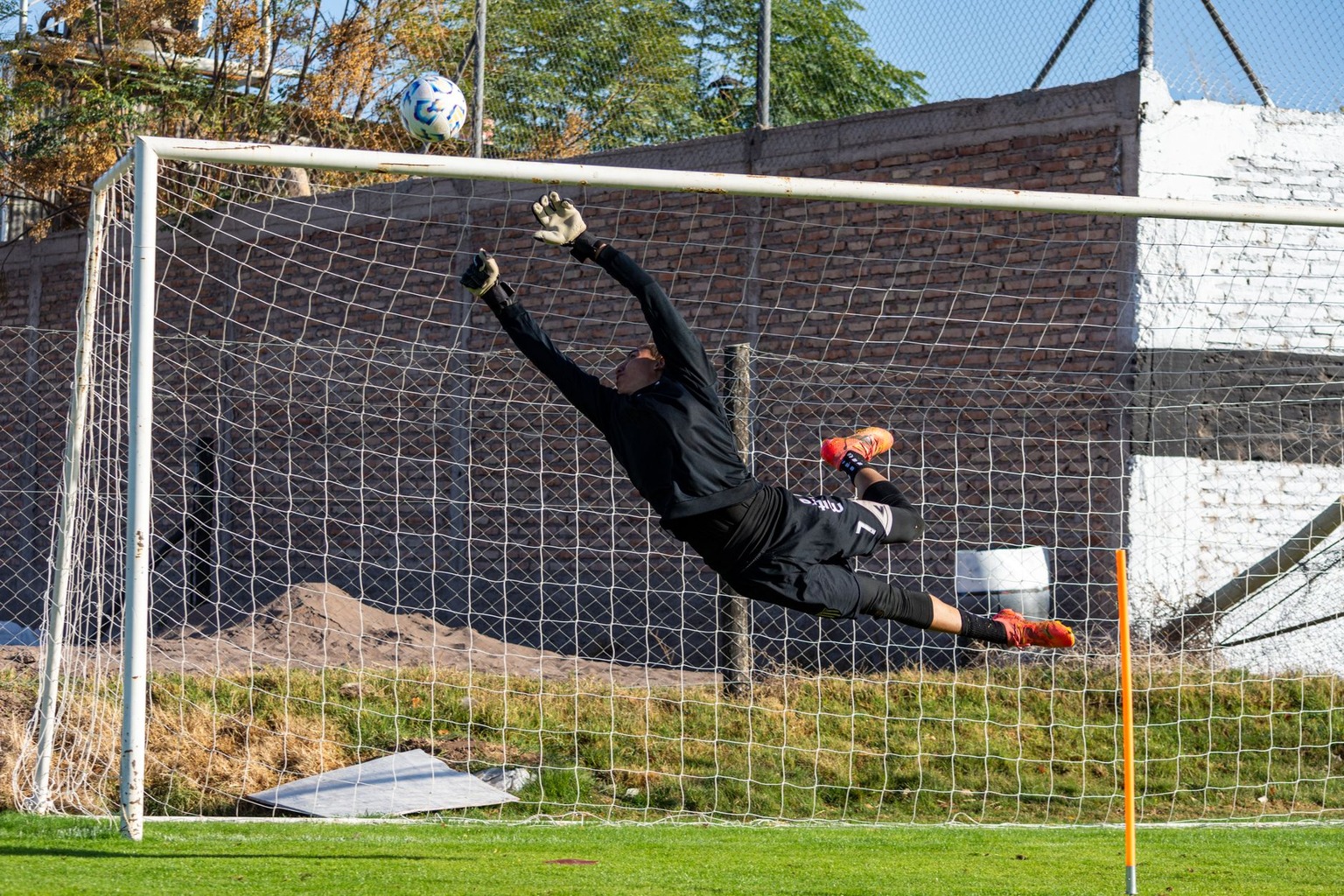
The role of the goalkeeper is also a dimension that can be manipulated to add difficulty or simplify the task. Including the goalkeeper in the drill forces field players to be more precise with their shots and passes, as the target is smaller and the opponent is specialized in stopping balls. Excluding the goalkeeper or using a net as the target allows players to focus on the quality of their shot placement without the fear of a save, which can be useful in early learning stages. However, removing the goalkeeper entirely can lead to a lack of realism, so it is often better to use a simplified goal or a marked target area. The decision to include or exclude the keeper should be based on the specific skill being coached, such as accuracy versus power, or combination play versus individual shooting. This flexibility allows coaches to tailor the drill to the individual needs of each player within the group.
Objective Specificity and Scoring Systems
How points are awarded in these drills significantly influences player behavior and decision-making. A simple scoring system where any goal counts equally encourages players to shoot frequently, which can be beneficial for building confidence and finishing skills. However, it may also lead to lazy passing and a lack of combination play if players realize that shooting is the easiest way to score. To counter this, coaches can implement a system where goals from combination play are worth double points, while individual goals are worth single points. This incentivizes players to look for teammates and create space through passing rather than relying solely on individual brilliance. The scoring system is a powerful tool for steering the tactical development of the group and should be adjusted based on the weaknesses identified in recent matches.
Another approach is to use time-based objectives rather than goal-based ones, such as requiring players to complete ten passes within thirty seconds to score a point. This method emphasizes the speed of transition and the ability to retain possession under pressure, which are key attributes for playing in the penalty area. It also reduces the physical impact of the drill, as the focus shifts from high-intensity shooting to controlled passing and movement. This type of objective is particularly useful for players who tend to rush their decisions or lose the ball under pressure. By varying the scoring criteria, coaches can target specific tactical behaviors without changing the physical setup of the drill. This adaptability makes these drills highly effective for long-term player development and tactical refinement.
Technical Focus Within the Confined Area
While the tactical elements are crucial, the technical execution within the box is what ultimately determines success. In these tight spaces, players must use both feet effectively, as they rarely have the time to set up a preferred foot for a powerful shot. Drills that require players to alternate feet or use their weaker foot for the final touch can help develop this versatility. The physical constraints of the box also mean that players must be comfortable controlling the ball with their first touch, as they often receive it under pressure from nearby defenders. A soft, controlled first touch allows the player to shield the ball and create space for a pass or shot. Coaches should observe how players receive the ball and provide feedback on their body positioning and touch quality to improve this fundamental skill.
The type of pass used is also a technical dimension that deserves attention. In a confined box, long diagonal passes are often less effective than short, quick passes that keep the ball moving among teammates. However, a well-timed through ball can break the defensive line and create a clear shooting opportunity. Players need to develop the ability to read the defensive shape and choose the appropriate pass type based on the space available. This decision-making process is complex and requires practice in realistic scenarios. By focusing on the technical details of passing and shooting within the box, players can improve their efficiency and reduce the number of turnovers in critical moments of the game.
Age Appropriateness and Progression
The age and developmental stage of the players are important factors to consider when implementing these drills. Younger players, typically under the age of ten, may struggle with the complex decision-making required in multi-player box games, so starting with one-versus-one or two-versus-one scenarios is advisable. These simpler formats allow them to focus on basic technical skills and initial tactical concepts without being overwhelmed by the number of variables. As players grow older and their cognitive abilities develop, the complexity of the drills can be increased gradually. This progressive approach ensures that players build a solid foundation before tackling more advanced tactical challenges. Coaches should be patient and allow players to make mistakes as they learn to navigate the complexities of box play.
For older youth players, the focus can shift to more sophisticated tactical scenarios, such as maintaining possession against a pressing defense or creating goals from set pieces. These players have the physical and mental capacity to handle the higher intensity and complexity of the drills. They can also benefit from video analysis of their performance to understand their decision-making processes and identify areas for improvement. The progression from simple to complex drills should be individualized, as players develop at different rates. By tailoring the drills to the age and ability of the players, coaches can ensure that the training is both challenging and achievable, leading to sustained motivation and improvement.
Monitoring Performance and Providing Feedback
Effective coaching of these drills requires careful observation and timely feedback. Coaches should look for specific indicators of success, such as the quality of the first touch, the speed of decision-making, and the accuracy of passes and shots. Rather than giving generic advice, it is more effective to point out specific moments where a player made a good or poor decision. For example, if a player fails to scan before receiving the ball, the coach can highlight this and explain the consequences. This targeted feedback helps players understand the connection between their actions and the outcome of the drill. It also encourages them to self-assess their performance and make adjustments in subsequent repetitions. Constructive criticism delivered in a supportive manner can significantly enhance the learning process and build player confidence.
Using technology, such as video recording, can also be a valuable tool for analyzing performance in these drills. Players can review clips of their own play to see how they move, pass, and shoot in the confined space. This visual feedback can be more impactful than verbal instructions, as it allows players to see exactly what happened and why. Coaches can use these clips to facilitate group discussions, where players share their insights and learn from each other. This collaborative approach to feedback fosters a deeper understanding of the tactical and technical aspects of box play. It also helps to create a team culture where players are actively engaged in their own development and are willing to critique and support each other. The use of technology should be balanced with on-field coaching to ensure that players are not overly reliant on post-session analysis.

I’ve been playing soccer since I was a kid and love breaking down drills to help players improve. When I’m not on the pitch, I enjoy analyzing games and sharing practical tips with fellow enthusiasts.