Soccer drills progression is a systematic approach to developing players’ skills, understanding, and overall performance on the field. As youth soccer players grow and advance in their abilities, a well-structured progression of drills is essential for maximizing their potential. This article delves into various aspects of soccer drills progression, including the importance of skill development stages, types of drills, and how to effectively implement these drills in practice sessions.
The Importance of Skill Development Stages
Understanding the stages of skill development is crucial for coaches working with youth soccer players. Generally, these stages can be categorized into beginner, intermediate, and advanced levels. Each level requires specific types of drills that align with the players’ current abilities and learning capacity. For beginners, the focus should be on fundamental skills such as passing, dribbling, and shooting. As players progress to intermediate levels, they can start incorporating tactical awareness and game-like scenarios into their training. Advanced players can benefit from high-intensity drills that emphasize decision-making and complex skill execution under pressure.
This structured approach allows coaches to tailor their training sessions to meet the needs of their players. By recognizing where each player stands in their development, coaches can create an effective roadmap that fosters growth and keeps players engaged. It is also important to periodically assess players’ skills to ensure they are being challenged appropriately as they advance.
Types of Soccer Drills
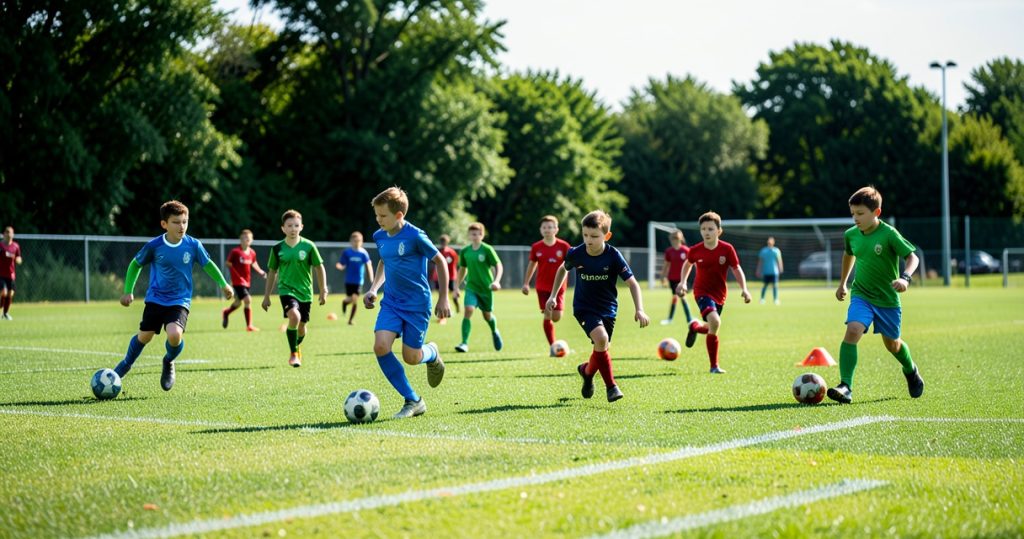
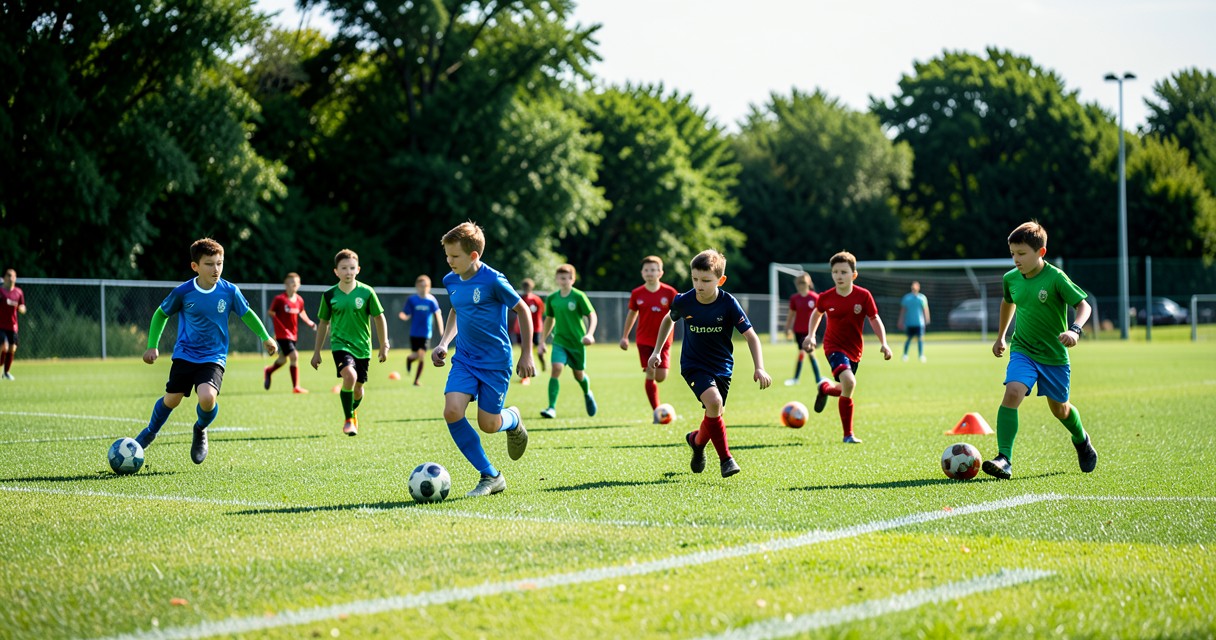
Drills can be broadly categorized into technical, tactical, physical, and psychological training. Technical drills focus on developing individual skills such as dribbling, passing, and shooting. For instance, cone dribbling drills help players improve their ball control and agility. Tactical drills involve team strategies and positional play, such as small-sided games that encourage players to apply their skills in a game context. These drills help players understand their roles within the team and how to work together effectively.
Physical training is also essential, as soccer requires a high level of fitness. Incorporating agility ladders, shuttle runs, and endurance exercises into practice can enhance players’ overall athleticism. Lastly, psychological drills focus on building mental resilience, teamwork, and communication. These aspects are often overlooked but are vital for success on the field.
Progression of Technical Drills
When focusing on technical drills, it’s essential to start simple and gradually introduce complexity. For example, a basic passing drill can begin with players standing a few feet apart and passing the ball back and forth. As players demonstrate proficiency, the distance between them can be increased, or they can be asked to complete the drill while moving. This progression encourages players to adapt their technique to different scenarios, enhancing their overall passing ability.
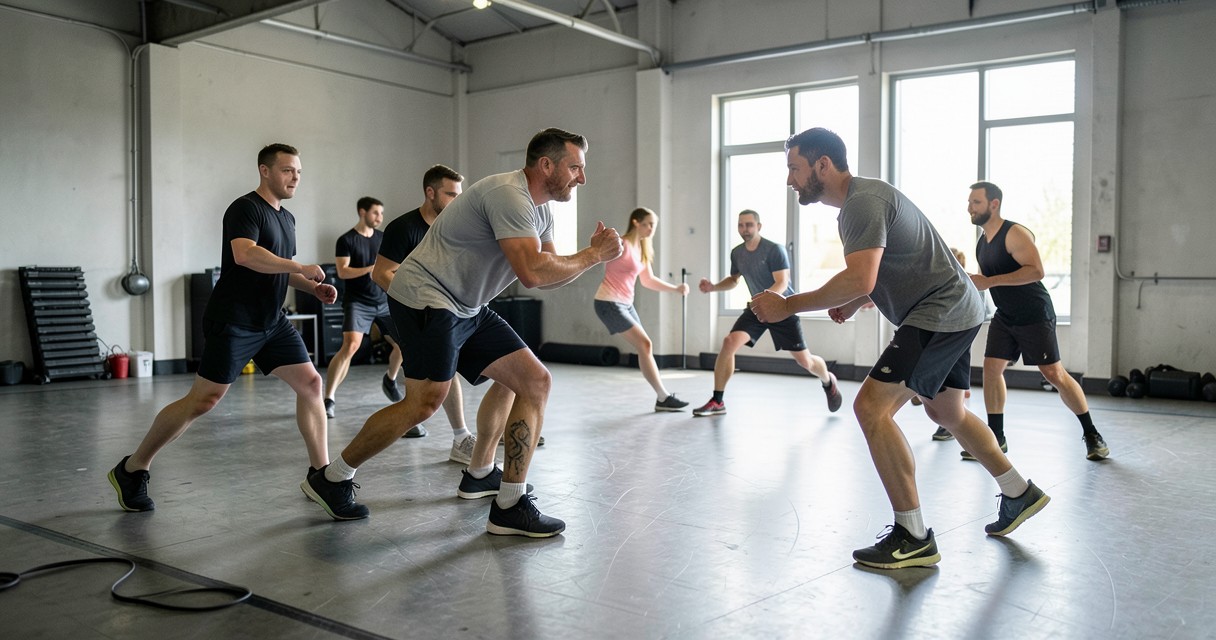
Another effective progression involves incorporating pressure. Once players are comfortable with basic passing, introduce defenders to create a more realistic game situation. This helps players learn to make quicker decisions and execute their skills under pressure, which is crucial for match situations. Gradually increasing the complexity of drills ensures that players remain challenged and engaged while developing their technical abilities.
Integrating Tactical Awareness
As players advance, integrating tactical awareness into training is vital. Tactical drills should focus on team formations, movement off the ball, and understanding opponent strategies. For instance, setting up a small-sided game where players must maintain possession while adhering to specific positional roles can significantly enhance their game understanding. This type of drill encourages players to think critically about their positioning and decision-making during a match.
Moreover, coaches can utilize video analysis to help players visualize tactical concepts. Reviewing game footage can provide insights into positioning, spacing, and movement patterns, allowing players to refine their understanding of the game. Incorporating tactical elements into drills not only prepares players for real-game scenarios but also fosters a deeper appreciation for the strategic aspects of soccer.
Physical Conditioning through Drills
Physical conditioning is integral to performance, and soccer drills should reflect this need. Conditioning drills can be seamlessly integrated into skill development sessions. For example, using high-intensity interval training (HIIT) with soccer-specific movements can enhance players’ stamina and agility. Drills such as “shuttle runs” or “ladder exercises” can be incorporated as warm-ups or cooldowns, ensuring players are fit and ready to perform at their best.
Additionally, soccer drills that require players to sprint, change direction, and maintain balance can improve their overall athleticism. Coaches should monitor players’ fatigue levels and adjust the intensity of drills accordingly to prevent injury and ensure optimal performance during matches. A well-rounded approach to physical conditioning will not only improve players’ fitness but also their confidence on the field.
Psychological Aspects of Soccer Training
The psychological component of soccer training is often undervalued but can significantly influence player performance. Drills that foster teamwork and communication are essential for developing a cohesive unit. Incorporating team-building exercises can improve players’ interpersonal skills and create a positive team culture. Furthermore, teaching players how to handle pressure through specific drills, such as penalty shootouts or timed challenges, can enhance their mental resilience.
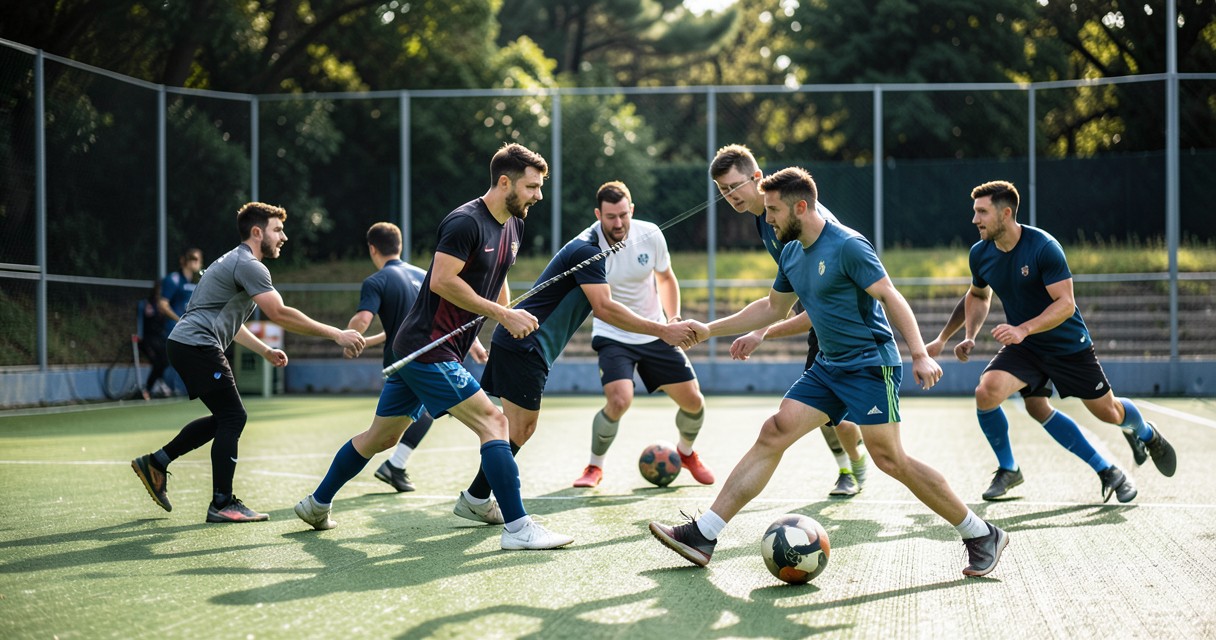
Coaches should also encourage a growth mindset, where players view challenges as opportunities for improvement. This can be cultivated through constructive feedback and creating a supportive environment where mistakes are seen as part of the learning process. By addressing the psychological aspects of training, coaches can help players build confidence and improve their overall performance on the field.
Implementing a Progressive Training Plan
For effective soccer drills progression, coaches should develop a structured training plan that outlines specific goals for each session. This plan should include a mixture of technical, tactical, physical, and psychological drills tailored to the players’ developmental stages. Each session should have a clear focus, whether it’s improving passing accuracy, enhancing tactical awareness, or building physical endurance.
Regular assessments can help coaches track players’ progress and adjust the training plan as needed. This might involve modifying drills based on players’ performance or introducing new challenges to keep them engaged. Communication with players about their individual goals and areas for improvement can also enhance their motivation and commitment to the training process.

I’ve been playing soccer since I was a kid and love breaking down drills to help players improve. When I’m not on the pitch, I enjoy analyzing games and sharing practical tips with fellow enthusiasts.