Benefits of Fun Soccer Drills for Youth
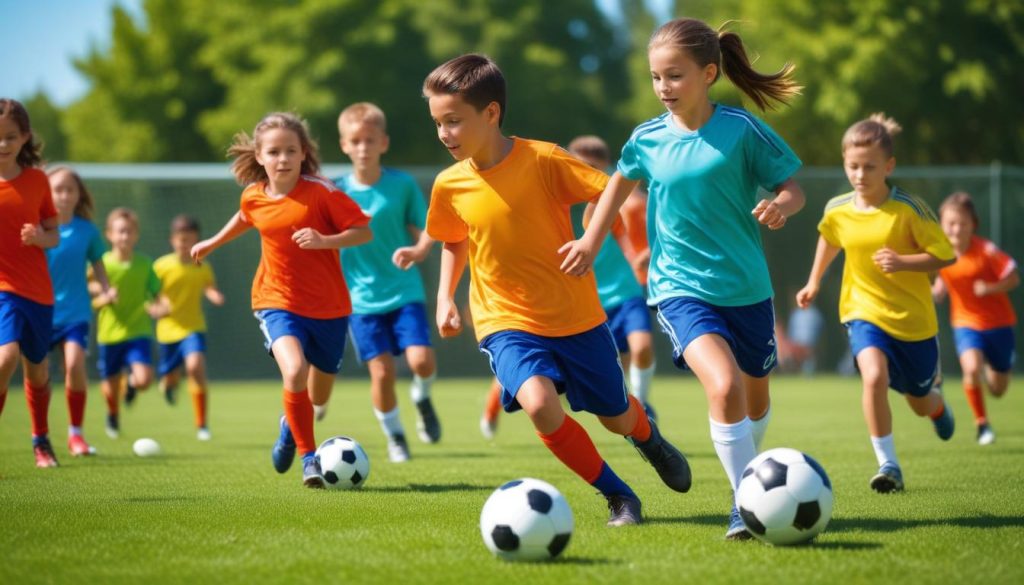
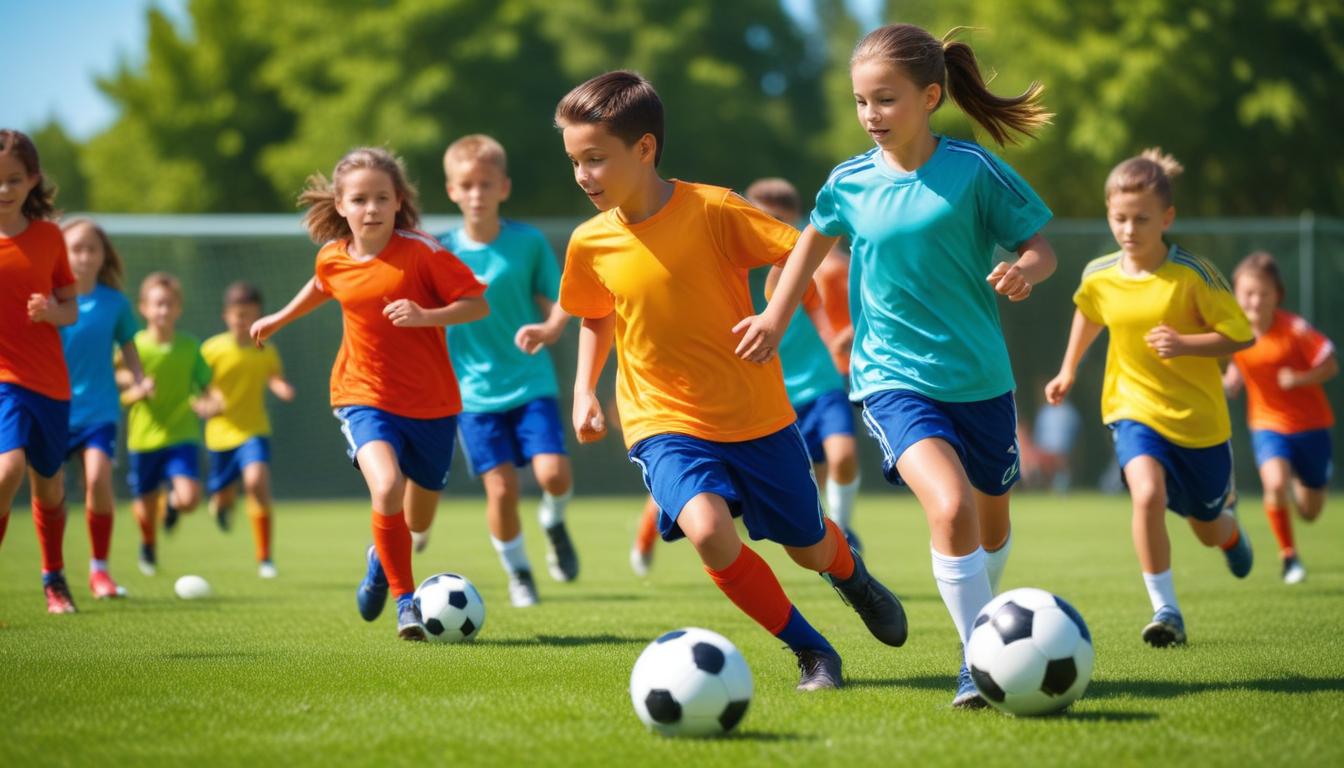
Engaging youth soccer players in fun soccer drills offers numerous benefits that extend beyond simply learning the game. These drills are designed to improve essential skills, build teamwork, and boost enthusiasm, ensuring young players enjoy their time on the field while developing a strong foundation in soccer.
One of the primary soccer drills benefits is skill improvement. Fun soccer activities incorporate a variety of exercises that target key skills such as dribbling, passing, shooting, and ball control. When children are involved in enjoyable drills, they are more likely to practice regularly and develop muscle memory, which leads to better performance during matches. These drills help players refine their techniques in a less pressured environment, making learning feel like play rather than work.
In addition to enhancing individual skills, fun soccer drills promote teamwork among youth soccer players. Many activities require players to work together, communicate effectively, and strategize to achieve common goals. By participating in drills that emphasize cooperation, young athletes learn the importance of trust and collaboration on the field. This not only improves their gameplay but also fosters friendships and social skills that are valuable both in sports and in life.
Moreover, designing drills to be fun and engaging keeps players motivated and enthusiastic about soccer. When youth players look forward to practice sessions, their passion for the game grows stronger. This positive mindset encourages consistent participation, leading to sustained improvement over time. Coaches who focus on fun soccer activities create a supportive and energetic environment that nurtures confidence and a love for the sport.
In summary, fun soccer drills provide a balanced approach to youth soccer training by blending skill development, teamwork, and enthusiasm. These benefits not only elevate players’ abilities on the field but also ensure they enjoy their soccer journey, making the sport a rewarding and enjoyable experience for young athletes.
Physical Development through Play
Engaging in fun soccer drills is an excellent way to promote physical fitness and enhance motor skills among youth players. These drills are designed not only to develop soccer-specific abilities but also to improve overall coordination, balance, and agility. When children participate in playful and dynamic activities, they naturally increase their endurance and muscle strength, key components of physical fitness essential for their growth and development.
Moreover, youth development benefits significantly from these interactive drills, as they encourage movement patterns that refine hand-eye and foot-eye coordination. The varied nature of the exercises challenges the nervous system, promoting faster reaction times and better body awareness. This holistic approach to physical development through play ensures that young athletes build a solid foundation of motor skills that support not just their soccer performance but also their general physical activities.
By integrating fun and engaging drills into practice routines, coaches create an environment where children are motivated to participate actively and consistently. This positive experience fosters a love for the sport while contributing to improved physical fitness and coordination. In summary, such drills play a crucial role in youth development by making physical exercise enjoyable, effective, and conducive to long-term athletic growth.
Building Team Spirit and Confidence
Fun soccer drills are more than just physical exercises; they are powerful tools for fostering teamwork and building confidence among young players. These engaging activities encourage children to work collaboratively, communicate effectively, and support one another on the field. By participating in drills that emphasize cooperation, players learn the importance of relying on teammates to achieve common goals, which strengthens their social skills and sense of belonging.
Confidence building is another significant benefit of incorporating fun drills into youth soccer training. As players master new skills and successfully complete challenges, their self-esteem grows both on and off the field. This boost in confidence translates into improved performance during games and a positive attitude that extends to other areas of life, including school and social interactions. The supportive environment created by these drills helps children overcome fears and embrace new experiences with enthusiasm.
In addition to fostering teamwork and confidence, these drills enhance social skills by encouraging players to communicate clearly, resolve conflicts, and celebrate each other’s successes. This holistic approach ensures that young athletes develop not only as soccer players but also as well-rounded individuals prepared to face various challenges. Ultimately, fun soccer drills create a foundation where teamwork, confidence building, and social skills thrive, making the sport an enriching experience for every child.
Top Fun Soccer Drills for Youth Players
Introducing youth soccer drills that are not only effective but also enjoyable is key to maintaining young players’ enthusiasm for the game. Fun soccer exercises tailored for youth players help develop essential skills like dribbling, passing, shooting, and teamwork in an engaging and dynamic way. These drills are designed to keep players motivated while providing a solid foundation for their soccer training.
One popular fun drill is the “Cone Dribble Challenge,” where players navigate through a series of cones, enhancing their ball control and agility. This drill encourages players to practice close touches on the ball while moving at different speeds, helping them build confidence in their dribbling abilities.
Another engaging exercise is the “Passing Relay,” which focuses on improving passing accuracy and communication among teammates. Players form small groups and pass the ball in a sequence, aiming to complete the pattern as quickly and accurately as possible. This drill not only sharpens passing skills but also fosters teamwork and quick decision-making during soccer training.
The “Shoot and Score” drill is a favorite among youth players, emphasizing shooting techniques and precision. Players take turns shooting at the goal from various distances and angles, with an emphasis on proper technique and power control. This drill builds confidence and encourages players to be more comfortable with scoring opportunities.
Incorporating games like “Soccer Tag” adds a playful element to training while promoting agility, spatial awareness, and defensive skills. Players try to tag others while maintaining control of their soccer balls, blending fun and skill development seamlessly.
Overall, these youth soccer drills blend fun with fundamental skill-building, making soccer training enjoyable and effective for young players. By integrating these exercises into regular practice sessions, coaches can create a positive learning environment that motivates youth players to grow their abilities and passion for the sport.
Dribbling Obstacle Course
Setting up a dribbling obstacle course is an excellent dribbling drill designed to improve youth soccer skills, particularly ball control and agility. To start, gather various cones, small markers, or any objects that can serve as obstacles. Arrange these obstacles in a zigzag or random pattern within a manageable space, ensuring the course challenges players to maneuver around and between the obstacles while maintaining close control of the ball.
Begin the drill by demonstrating the correct way to dribble through the course, emphasizing maintaining close contact with the ball and using both feet. Encourage players to keep their heads up for better spatial awareness. To run the obstacle course, have each player dribble the ball from the start to the end, weaving through the obstacles as quickly and precisely as possible. Timing each run can add a fun competitive element and motivate players to improve their speed and dexterity.
This obstacle course drill helps young players develop crucial agility by forcing quick changes of direction, while also reinforcing essential ball control techniques. You can modify the difficulty by adjusting the spacing between obstacles or adding more complex patterns as players’ skills progress. Incorporating this fun dribbling drill regularly into training sessions will enhance overall youth soccer skills and boost players’ confidence on the field.
Relay Races with a Soccer Ball
Relay races with a soccer ball are an excellent way to improve speed, coordination, and teamwork among young players. To organize this engaging activity, divide the team into small groups of equal numbers. Set up a marked course with cones or flags, creating a straightforward path for players to dribble the ball from the start to the finish line and back.
Each player in the relay race must dribble the ball to a designated point and then quickly pass it to the next teammate waiting at the starting position. This not only enhances the players’ speed but also teaches them the importance of coordination with their teammates. As they wait for their turn, players focus on staying alert and encouraging each other, fostering a strong sense of teamwork.
To increase the challenge, consider adding variations such as dribbling with the weaker foot, weaving through cones, or completing a quick trick before passing the ball. These modifications keep the relay race exciting while further developing ball control and agility. Coach oversight is essential to ensure the race remains friendly and safe, emphasizing skill improvement rather than just winning.
Incorporating relay races into soccer drills makes training sessions dynamic and enjoyable. Players get to practice key skills like speed and coordination in a competitive yet cooperative environment, making it a highly effective drill for youth soccer development.
Passing and Shooting Games
Engaging young players in fun soccer games that focus on passing drills and shooting practice can significantly enhance their accuracy and decision-making skills. One popular passing game is the “Pass and Move” drill, where players continuously pass the ball to a teammate and then immediately move to a new position. This game encourages quick thinking and sharpens players’ ability to predict teammates’ movements, improving their passing precision and team coordination.
For shooting practice, try the “Target Shootout” game. Set up small goals or target zones in the goal area and have players take turns shooting from various distances. Reward points for hitting target zones to make the activity competitive and fun. This game not only builds shooting accuracy but also teaches players to make smart decisions about when and where to shoot under pressure.
Another exciting game is the “Pass and Shoot Relay,” which combines passing drills with shooting practice in a fast-paced competition. Players form teams and pass the ball down the line before the final player shoots on goal. This game boosts teamwork, enhances passing accuracy, and helps players understand the flow of the game while practicing precise shots.
These fun soccer games integrate essential skills into enjoyable activities, making learning effective and engaging for youth players. By incorporating passing drills and shooting practice into game-like scenarios, young athletes develop better accuracy and decision-making abilities that translate directly to real-game situations.
Tips for Coaching Fun Soccer Drills Effectively
Coaching youth soccer requires not only technical knowledge but also an understanding of how to create an engaging and productive training environment. To achieve effective training sessions, coaches should focus on a few key coaching tips that balance skill development with fun.
First, plan your sessions carefully with a clear structure. Outline the drills and the objectives for each segment, but remain flexible to adapt based on the players’ energy and mood. Youth soccer coaching thrives on spontaneity and enthusiasm, so incorporating variety keeps young athletes motivated and eager to participate.
Next, emphasize positive reinforcement. Celebrate small achievements and effort rather than just results. This approach builds confidence and encourages players to try their best without fear of failure. Effective training isn’t just about winning matches; it’s about nurturing a love for the game that lasts a lifetime.
Another important coaching tip is to keep drills short and dynamic. Children have shorter attention spans, so changing activities every 10-15 minutes maintains excitement and focus. Incorporate games and challenges that naturally build essential skills such as dribbling, passing, and teamwork.
Make sure drills are age-appropriate and scaled to the players’ abilities. Overly complex exercises can frustrate young players, while overly simple ones might bore them. Effective training tailors tasks to be just challenging enough to develop skills without causing discouragement.
Lastly, foster a supportive and inclusive team spirit. Encourage players to cheer for each other and work collaboratively. This environment not only enhances individual performance but also teaches valuable life lessons about respect and sportsmanship. Through these coaching tips, youth soccer coaching can be both an enjoyable and highly effective experience for players and coaches alike.
Creating a Positive Environment
Creating a positive environment is crucial for fostering motivation and enjoyment in youth sports. Positive coaching plays a key role in this by emphasizing encouragement, constructive feedback, and celebrating small achievements. When young players feel supported, they are more likely to stay engaged and enthusiastic during drills and games.
One effective way to maintain a supportive atmosphere is by setting clear, achievable goals for each drill. This helps players experience a sense of accomplishment, which boosts their confidence and motivation. Coaches should focus on effort and improvement rather than just competition outcomes to encourage a growth mindset among youth athletes.
Another important aspect is communication. Coaches should use positive language, praise specific skills, and provide gentle guidance. Creating a space where players feel safe to make mistakes encourages learning and resilience. Team-building activities and inclusive drills also help foster camaraderie and reinforce the idea that every player’s contribution matters.
Ultimately, maintaining a positive environment in youth sports not only improves skill development but also nurtures a lifelong love for the game. By practicing positive coaching and focusing on motivation, coaches can inspire young players to reach their potential while enjoying every moment on the field.
Adapting Drills for Different Skill Levels
In youth soccer training, it’s essential to implement drill modification to accommodate players with varying abilities. Skill adaptation allows coaches to create an inclusive environment where every player feels challenged and engaged. To tailor drills effectively, start by assessing the skill levels of your players and identifying areas where adjustments are necessary.
One common approach to drill modification is adjusting the complexity of tasks. For less experienced players, simplify drills by reducing the number of steps or limiting the space they play in. For more advanced players, increase difficulty by adding additional tasks, such as specific ball control techniques or tactical decision-making elements. This ensures that each player receives an appropriate level of challenge.
Another strategy is to modify the intensity and pace. Slower, controlled drills help beginners build confidence and foundational skills, while faster-paced drills push skilled players to improve their reaction time and endurance. Using cones, markers, or modified goals can also provide scalable challenges within the same drill framework.
Ultimately, effective drill modification and skill adaptation in youth soccer training fosters a positive learning environment where players of all skill levels develop at their own pace. This approach not only boosts individual growth but also enhances team cohesion and overall enjoyment of the game.

I’ve been playing soccer since I was a kid and love breaking down drills to help players improve. When I’m not on the pitch, I enjoy analyzing games and sharing practical tips with fellow enthusiasts.