Fundamental Attacking Drills for Youth Players
Developing strong foundational skills is essential for youth players looking to excel in soccer, especially in attacking roles. Incorporating youth attacking drills into basic soccer drills routines helps young athletes build crucial abilities such as dribbling, shooting, and positioning. These fundamental skills form the backbone of effective youth soccer training and set the stage for advanced tactical awareness and gameplay.
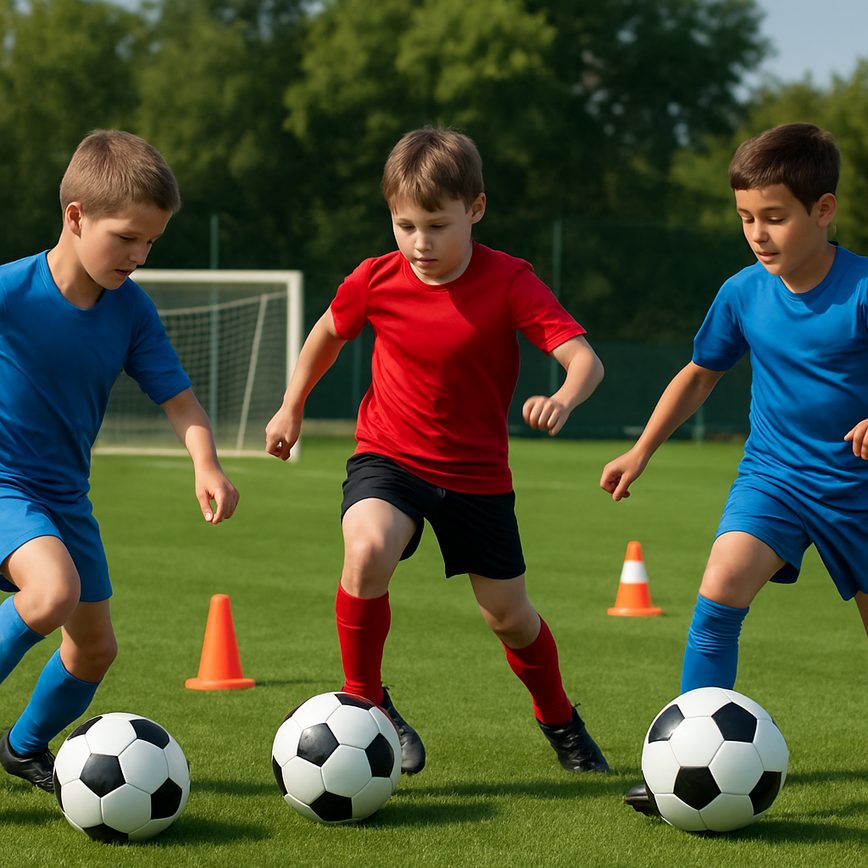
One key drill focuses on dribbling, which is vital for maneuvering past defenders and creating scoring opportunities. Simple cone dribbling exercises encourage players to improve ball control and agility. By weaving through cones with quick, precise touches, players enhance their ability to maintain possession under pressure, a critical skill in any attacking situation.
Shooting drills are equally important in youth attacking drills to develop confidence and accuracy in front of goal. Basic shooting exercises involve players taking shots from different distances and angles, learning to strike the ball with power and precision. Repetition in these drills helps young players understand shooting mechanics and improve goal-scoring instincts during matches.
Positioning drills help youth players grasp where to be on the field to maximize their attacking impact. Through guided practice, players learn to find space, time their runs, and anticipate plays. These drills emphasize movement off the ball, teaching players to read defenders and teammates to create better scoring chances collectively.
Integrating these fundamental skills into youth soccer training builds a solid base from which players can explore more complex tactics and combinations in attack. Coaches can adapt the drills to fit different age groups and skill levels, ensuring that all youth players progress effectively. Prioritizing youth attacking drills not only enhances individual skill but also promotes teamwork and strategic thinking, key components for success in soccer.
Dribbling and Ball Control Exercises
Dribbling drills and ball control exercises are essential components in developing youth soccer players’ attacking skills. These drills focus on improving a young player’s ability to keep close control of the ball while advancing on the field, allowing them to maneuver past defenders efficiently. One effective drill involves setting up cones in a zigzag pattern which players dribble through, emphasizing tight touches and quick footwork. This helps enhance coordination and precision in ball handling.
Another key exercise is the “close control square,” where players stay within a small square and perform various touches such as inside-outside foot rolls, pull backs, and 360-degree turns. These movements train players to maintain possession under pressure, which is critical during attacking phases when defenders are closing in. Encouraging players to practice these movements at increasing speeds further develops their confidence and ball mastery.
Incorporating competitive drills, such as 1v1 or small-sided games, places the focus on real-time decision-making, helping players apply dribbling techniques effectively in game scenarios. Young players build their attacking skills by learning how to exploit space and time with superior ball control. Consistent practice of these dribbling drills fosters creativity and confidence, ultimately improving their ability to advance effectively during attacks and contribute to successful offensive plays.
Shooting Practice for Accuracy and Power
Shooting drills are essential in youth soccer shooting to develop both accuracy training and shoot power. Precision drills help players target specific areas of the goal, improving their ability to place shots under pressure. For example, using cones or markers in the goal to aim at different zones forces players to concentrate on accuracy rather than just hitting the net.
In addition to placement, striking power is vital to convert attacking opportunities into goals, especially when defenders close in quickly. Power-building drills, such as shooting from various distances with a focus on proper body mechanics and foot placement, help young players increase their shot velocity without sacrificing control.
Combining these approaches in structured shooting drills encourages youth players to balance accuracy and power effectively. For instance, alternating shots between precision aiming drills and power shots during practice allows players to adapt to game situations where both qualities are needed. This method enhances confidence and technique, making youth soccer shooting more efficient and successful in actual matches.
Regularly incorporating shooting drills targeting accuracy training and shoot power into practice sessions ensures that young athletes can capitalize on scoring chances, turning their offensive efforts into tangible goals.
Advanced Attacking Drills to Enhance Tactical Awareness
As youth players advance in their soccer journey, developing an in-depth understanding of attacking tactics becomes essential. Advanced drills are designed not only to hone technical skills but also to boost tactical awareness, positioning, and decision-making during attacking phases. These drills simulate real-game scenarios, encouraging players to read the game, anticipate opponents’ moves, and make split-second decisions that create scoring opportunities.
One highly effective drill is the “3v2 Overload,” which places players in numerical superiority to teach the importance of support play and exploiting space efficiently. In this drill, attackers must quickly assess passing lanes and positioning, deciding when to penetrate, hold the ball, or play a combination pass. It sharpens game awareness by forcing players to communicate and coordinate their movements to break down defensive setups.
Another advanced drill is the “Rondo with Transition,” where a group of attackers maintain possession against defenders, with the twist that once possession is lost, defenders immediately transition to attack. This drill cultivates quick decision-making and positional understanding, as players learn to adapt their attacking tactics based on changing game circumstances. It emphasizes how to create and exploit space while staying alert to defensive pressure.
The “Pattern Play Drill” focuses on rehearsing specific attacking sequences that teams employ during matches. Players practice timed runs, overlapping support, and through balls, aligning their positioning with their teammates’ movements. This drill enhances tactical awareness by ingraining strategic attacking patterns, helping youth players to recognize situations where these tactics are most effective.
Lastly, the “Attacking Zone Game” splits the field into zones, with scoring methods varying based on zone possession and movement. This encourages players to think tactically about positioning within different attacking areas, emphasizing spatial awareness and collective attacking responsibility. It is an excellent way to reinforce real-match attacking strategies in a controlled environment.
Incorporating these advanced drills into youth soccer training not only builds technical excellence but profoundly enhances game awareness and attacking decision-making. By repeatedly practicing these complex scenarios, young players develop a more intuitive and tactical approach to attacking, significantly improving their effectiveness during matches.
Small-Sided Games for Tactical Development
Small-sided games are an essential tactical drills tool that allow young players to experience realistic game simulation in a controlled environment. By reducing the number of players, these games create more space and opportunities for each participant, helping them develop a deeper understanding of attacking space and timing.
- Enhance spatial awareness: In small-sided games, players have more chances to recognize and exploit open spaces on the field, which sharpens their ability to identify and attack key areas.
- Improve timing and decision-making: With fewer players and constant ball involvement, youth players quickly learn when to make runs, pass, or shoot, training their instincts for real match scenarios.
- Foster teamwork: These drills encourage constant communication and collaboration between teammates, reinforcing the importance of coordinated attacks and support play.
- Realistic game simulation: Small-sided games mimic the pace and intensity of actual matches, providing a practical platform for players to apply their tactical knowledge under pressure.
- Adaptability: Coaches can adjust the size of the pitch or number of players to focus on specific tactical elements, making these games highly versatile in teaching youth soccer tactics.
Incorporating small-sided games in training routines cultivates an engaging and effective approach for young players to master attacking strategies, enhancing their overall soccer performance.
Combination Play and Passing Patterns
Combination play and passing drills are essential components of youth soccer training, designed to develop coordinated attacking moves among young players. These drills focus on quick, precise passing and seamless give-and-go moves to outmaneuver defenders and create scoring opportunities. By practicing combination plays regularly, youth players learn to read each other’s movements and anticipate passing lanes, leading to more fluid and effective attacking patterns on the field.
A common drill involves small groups passing the ball rapidly in tight spaces, encouraging players to think quickly and maintain close control. This enhances their ability to execute the quick give-and-go moves necessary for breaking defensive lines. Another effective drill emphasizes overlapping runs where one player passes the ball and immediately supports the recipient, creating multiple passing options and increasing the unpredictability of the attack.
Incorporating combination play into training not only improves technical skills but also promotes teamwork and communication. As players practice these attacking patterns, they become more confident in their decision-making and more skilled at combining their movements with teammates. These passing drills and combination plays lay a solid foundation for dynamic, creative attacking play in youth soccer.
Incorporating Fitness and Conditioning in Attacking Drills
Integrating fitness training and conditioning drills into attacking exercises is essential for developing youth players who are not only skilled but also physically prepared to perform at their best. By combining these elements, coaches can enhance the attacking endurance and agility of young athletes, which are crucial for sustained performance during a match.
One effective approach is to include high-intensity interval training (HIIT) within attacking drills. For example, players can perform sprints or agility ladder exercises immediately before or after short attacking sequences, simulating the bursts of speed and quick directional changes needed in game situations. This method boosts cardiovascular fitness and reinforces the physical demands of attacking, helping players maintain energy levels throughout the game.
Conditioning drills such as shuttle runs and cone drills can also be seamlessly integrated into attacking practices. These exercises improve leg strength, quickness, and overall stamina—qualities indispensable for breaking through defenses and sustaining attacks over time. Coaches should design sessions where technical attacking skills like dribbling, passing, and finishing are interspersed with conditioning elements to mimic real match intensity.
Another key factor is ensuring variety and progression in fitness training to keep youth soccer fitness challenging and engaging. Gradually increasing the duration and intensity of conditioning drills within attacking sessions helps players build a solid endurance base and prevents plateaus. Regular fitness assessments can be used to tailor conditioning elements to the individual needs of players, optimizing their development trajectory.
Finally, recovery and proper warm-up routines should complement the integration of fitness and conditioning with attacking drills. Dynamic stretching and mobility exercises before training prepare muscles and reduce injury risk, while cool-down periods aid in effective recovery. Together, these practices ensure youth players remain fit, agile, and ready to attack with maximum efficiency in every match.
Agility and Speed Training for Effective Attacks
In youth soccer, developing attacking speed and agility is crucial for creating dynamic and effective offensive plays. Agility drills enhance a player’s ability to change direction quickly, while speed workouts build the explosive power needed to outpace defenders. Incorporating both into youth soccer fitness routines can lead to faster, more agile attackers on the field.
One effective agility drill is the shuttle run, which involves sprinting back and forth between cones placed at short distances. This exercise improves quick directional changes and acceleration—key skills for attackers aiming to evade defenders. Another popular drill is ladder drills, where players perform quick foot movements through an agility ladder. This drill enhances foot speed and coordination, translating to more precise and rapid attacking maneuvers.
Speed workouts, such as interval sprints, push youth players to exert maximum effort over short distances followed by brief rest periods. This simulates game-like bursts of speed essential for attacking moves. Additionally, the resisted sprint drill, where players sprint against light resistance (such as resistance bands or a partner), helps build strength and speed simultaneously, boosting overall attacking speed on the pitch.
Combining these agility drills with speed workouts in a structured training program supports youth soccer fitness development that directly impacts attacking performance. With regular practice, young players can become more explosive and agile, making their attacking plays sharper, faster, and more effective.
Endurance Drills to Sustain Attacking Pressure
Endurance training is essential for youth players who need to maintain high energy levels and continuous attacking pressure throughout the match. Conditioning exercises designed to improve soccer stamina can significantly enhance a player’s ability to sustain relentless offensive efforts, especially in the later stages of the game. One effective drill is the shuttle run, which simulates the repeated bursts of speed and quick changes in direction common in attacking plays. Players sprint back and forth between markers set 20-30 meters apart, focusing on quick recovery times and consistent intensity.
Another valuable drill is the high-intensity interval training (HIIT) circuit, combining short sprints, agility ladder drills, and cone weaving. This trains both aerobic and anaerobic systems crucial for youth player fitness during long matches. Coaches can structure these drills with work-to-rest ratios mimicking the demands of actual game situations, fostering improved endurance without sacrificing speed or precision in attacks.
Incorporating small-sided games also supports endurance conditioning by promoting continuous movement and decision-making under pressure, reflecting real match scenarios. These drills encourage players to keep their stamina high, enabling sustained attacking momentum. By embedding endurance training consistently in practice, youth players develop the fitness foundation necessary to dominate offensively from start to finish.

I’ve been playing soccer since I was a kid and love breaking down drills to help players improve. When I’m not on the pitch, I enjoy analyzing games and sharing practical tips with fellow enthusiasts.