Introduction to 1v1 Soccer Drills
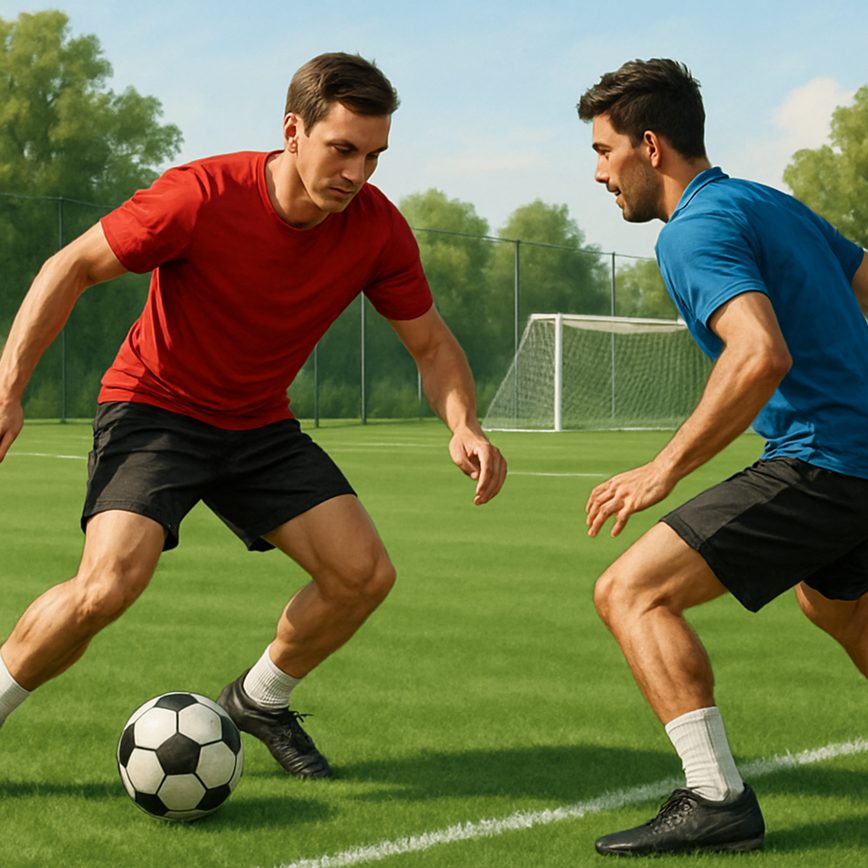
1v1 soccer drills are a fundamental component of training that provide significant benefits, especially when exploring soccer drills for kids across all skill levels. These drills focus on developing a player’s ability to engage in one-on-one soccer situations, which are crucial moments in any game. Whether a player is a beginner learning the ropes or an advanced athlete refining sharp techniques, practicing 1v1 drills helps enhance a wide range of skills that contribute directly to overall performance on the field.
One of the primary advantages of 1v1 soccer drills is the improvement of individual ball control under pressure. When players face an opponent one-on-one, they must rely on their dribbling, balance, and quick decision-making. This environment teaches athletes how to maneuver effectively and maintain possession, skills that are transferable to real match situations. Moreover, mastering these drills boosts a player’s confidence in attacking and defensive scenarios.
Beyond technical skills, 1v1 soccer drills are essential for developing tactical awareness. Players learn how to read their opponent’s body language, anticipate moves, and create space. This understanding helps in making smarter plays and increases the chances of successful attacks or defensive stops. Constant practice in one-on-one soccer scenarios conditions players to think fast and adapt their strategies dynamically.
Another key benefit of incorporating 1v1 soccer drills into soccer training basics is the enhancement of physical fitness and agility. These drills require sudden changes in direction, acceleration, and endurance, all of which contribute to better overall athleticism. This physical conditioning not only improves on-field performance but also reduces the risk of injury through better body control and strength.
For players looking to elevate their game, focusing on 1v1 soccer drills is a smart approach that targets essential aspects of soccer: control, tactics, and fitness. The repetition and intensity found in these drills create a competitive edge and prepare players to face real opponents with confidence and skill. Embracing the fundamentals of youth soccer ensures a well-rounded development path and success in one-on-one soccer situations.
Why 1v1 Drills Matter
1v1 drills play a crucial role in soccer skills development by focusing on the direct confrontation between two players. These exercises emphasize the importance of mastering technical skills such as ball control, dribbling, and precise passing under pressure. Through regular practice, players enhance their ability to maneuver the ball efficiently, making quick decisions that can outsmart opponents during a match.
Beyond technical abilities, these drills significantly improve a player’s tactical awareness. Players learn to read their opponent’s movements, anticipate challenges, and choose the best moment to attack or defend. This heightened awareness helps players position themselves advantageously on the field, fostering smarter game strategies. The one-on-one nature of these drills simulates real match conditions, providing invaluable experience in handling game pressure.
Moreover, engaging in 1v1 drills builds player confidence. Facing an opponent directly requires mental toughness and self-belief, which are reinforced each time a player successfully navigates these challenges. Confidence gained through effective execution in practice translates into better performance during matches, enabling players to take on defenders with assurance and creativity. The combined effect of technical growth, tactical insight, and boosted confidence underscores the importance of 1v1 drills in comprehensive soccer training programs.
Basic Equipment Needed
To effectively practice 1v1 soccer drills, having the right equipment is essential for beginner soccer practice plans. Proper equipment ensures a focused and efficient training session, allowing players to improve their individual skills without interruption.
- Cones: Cones are vital for marking boundaries, creating obstacle courses, and designing specific zones within the training area. They help simulate game-like scenarios and improve dribbling, agility, and direction changes during 1v1 confrontations.
- Training Area Setup: A clearly defined training area with enough space is necessary for conducting drills. Setting up a small, enclosed field with cones or markers simulates real match conditions, giving players a confined area to test their offensive and defensive skills.
- Soccer Ball: A well-inflated soccer ball appropriate for the player’s age and skill level is fundamental for practice. Quality balls help maintain control and consistency during drills.
- Goal Target or Markers: Having a small goal or marker cones as targets provides players with a clear objective during drills, encouraging precision and accuracy when trying to score or defend.
- Training Bibs or Jerseys: Using bibs or jerseys helps distinguish players during competitive 1v1 scenarios, making the drills more organized and realistic.
By ensuring all these essential soccer training equipment are available and the training area setup is organized, players can maximize the benefits of their 1v1 practice sessions and steadily improve their performance on the field.
Effective 1v1 Soccer Drill Techniques
Mastering 1v1 drill techniques is essential for improving both offensive and defensive skills in soccer. These soccer dribbling drills focus on creating opportunities to outplay your opponent while also strengthening your ability to defend effectively. Below are step-by-step instructions for several highly effective 1v1 drills to enhance your game.
The first set of drills focuses on offensive techniques, helping players develop quick decision-making and precise ball control to beat defenders.
- Shield and Turn Drill: Start by shielding the ball from your defender using your body. Keep the ball close to your feet, then quickly pivot away from the defender using a strong turn move like the Cruyff or drag back. Repeat this drill against a passive defender to develop smooth footwork and ball control under pressure.
- Explosive Dribble and Change of Pace: Dribble forward at a moderate speed, then suddenly accelerate past your defender using a burst of speed. Incorporate a change of pace by slowing down just before exploding forward, forcing the defender to react late.
- Feint and Go: Practice several types of feints such as step-overs, body swerves, or fake shots to mislead the defender. After selling the feint, quickly push the ball past the defender and sprint forward to maintain offensive pressure.
Defensive 1v1 drill techniques are equally important, helping players sharpen their positioning, timing, and tackling to win possession back efficiently.
- Jockeying Drill: Keep your body low and stay on the balls of your feet as you shadow the attacker without diving in. Practice maintaining a safe distance while forcing them away from goal or into a less dangerous area. This drill improves defensive patience and positioning.
- Close-Down and Tackle: Start a few yards away from the attacker and close down quickly to apply pressure. Time your standing or sliding tackle carefully to win the ball cleanly. Repeating this drill enhances timing and decision-making during one-on-one defensive situations.
- Interception and Counterattack: Position yourself to intercept passes or dribbles from your opponent. After winning the ball, quickly transition into an offensive run or pass to counterattack effectively. This drill builds awareness and speed in defensive play.
By consistently practicing these 1v1 drill techniques, players can develop refined soccer dribbling drills tailored to both offensive creativity and defensive solidity. These targeted drills boost confidence and adaptability, key attributes for excelling in competitive matches.
Attacking 1v1 Drills
Attacking drills are essential for soccer players looking to enhance their dribbling, speed, and creativity when facing defenders in 1v1 situations. One effective drill is the Cone Zigzag, which pairs well with passing drills for youth. Set up cones in a zigzag pattern and have the attacker dribble through them as quickly as possible, focusing on sharp turns and quick footwork. This helps improve control and acceleration, enabling players to beat defenders with swift changes of direction.
Another great exercise is the Shadow Dribble Drill. The attacker tries to maintain possession while the defender shadows their movements closely. This drill develops close ball control and the ability to protect the ball under pressure, encouraging the attacker to be inventive and use feints and body movements to confuse the defender and create space.
The third drill is the 1v1 Sprint and Dribble Challenge, a great complement to shooting drills for youth. The attacker starts at midfield and races toward a defender placed near the goal, attempting to dribble past them and score. This drill emphasizes speed combined with precise dribbling, pushing players to make quick decisions and beat the defender through pace and clever touches.
Incorporating these attacking drills into training will boost players’ confidence and effectiveness in 1v1 situations. Mastering dribbling techniques, increasing speed, and nurturing creativity are key to consistently beating defenders and successfully advancing attacks during matches.
Defensive 1v1 Drills
Enhancing defensive skills is crucial for any player aiming to excel in 1v1 soccer situations. Defensive drills focusing on tackling, positioning, and closing down the attacker help build confidence and improve overall game effectiveness. One effective drill involves practicing tackling techniques in controlled environments, where defenders learn to time their tackles perfectly without committing fouls. Coaches can set up scenarios where attackers attempt to dribble past defenders, allowing defenders to anticipate movements and execute clean tackles.
Another key aspect to develop through defensive drills is positioning. Defenders start by maintaining a strong stance, keeping low and balanced to quickly react to the attacker’s moves. Positioning drills often emphasize cutting off passing lanes and forcing the attacker towards less dangerous areas of the field. This helps defenders stay one step ahead and prepare for the next move.
Closing down the attacker is a vital defensive skill that requires speed and decision-making. Drills centered on quick closing down teach defenders to reduce the space an attacker has, pressuring them into making mistakes. These drills typically involve sprinting from a distance to engage the attacker effectively, forcing hurried decisions and increasing the chance of winning the ball back.
By regularly practicing these defensive 1v1 drills—tackling, positioning, and closing down—players develop a sharper defensive mindset and become more reliable in high-pressure game scenarios.
Combination Drills for Both Offense and Defense
Combination drills are an essential part of effective 1v1 practice, designed to sharpen both offensive and defensive skills simultaneously. These drills encourage players to seamlessly switch roles, fostering quick thinking and adaptability. By engaging in exercises that require pushing forward with the ball and immediate defensive recovery, players develop a deeper understanding of positioning, timing, and strategy in real game situations.
One effective approach is to start with the attacker trying to beat the defender using dribbling moves or feints. As soon as the defender regains possession or forces the ball out of play, roles switch without delay, giving the former defender the opportunity to attack while the previous attacker transitions into defense. This rapid interchange mimics game conditions and builds endurance, anticipation, and spatial awareness.
These combination drills emphasize communication and decision-making under pressure. Players learn to read their opponent’s intentions and adjust their tactics accordingly. Regular practice of these integrated 1v1 drills enhances technical skills and mental agility, making athletes more versatile on the field. Ultimately, mastering combination drills for both offense and defense empowers soccer players to excel in one-on-one situations and contribute effectively to team dynamics.
Tips to Maximize Results from 1v1 Soccer Drills
To truly excel in 1v1 soccer drills, adopting the right mindset is crucial. Approach each training session with a focus on learning and improvement rather than just winning. This positive mindset will keep you motivated and open to feedback, allowing you to refine your skills efficiently. Embrace challenges as opportunities to grow and remember that every player progresses at their own pace.
Consistency is another key factor in improving your 1v1 skills. Establish a regular training schedule and stick to it. Frequent practice helps reinforce muscle memory, making your moves more instinctive during actual games. Even short, focused sessions performed daily can lead to significant improvements compared to sporadic and lengthy practices.
Incorporating practice strategies such as varying your drills can keep training engaging and address different aspects of your game. Mix offensive and defensive drills to develop a well-rounded skill set. Include exercises that emphasize ball control, quick changes of direction, and situational awareness. This variation prevents plateauing and promotes continuous learning.
Progress tracking empowers you to see how far you’ve come and identify areas that need more work. Maintain a training journal or use apps to log your drill performances, noting successes and challenges. Set specific, measurable goals for each session—for instance, mastering a particular move or improving reaction time. Regularly reviewing these goals helps maintain focus and measure progress tangibly.
Finally, combine these training tips by staying mentally engaged and disciplined. Celebrate small victories to keep your enthusiasm high and analyze defeats constructively. With the right mindset, consistent effort, strategic practice strategies, and diligent progress tracking, you’ll maximize the effectiveness of your 1v1 soccer drills and see noticeable improvements in your game.
Mental Preparation and Focus
Mental toughness is a critical component in 1v1 soccer drills, as it mirrors the pressure athletes face during real match situations. Developing a competitive mindset ensures that players remain resilient, responding positively to challenges rather than succumbing to stress. By training the mind to stay sharp and focused during drills, players can better manage distractions and maintain control over their movements and decisions.
Focus in drills is essential for creating a realistic game environment. When a player is fully engaged, they can anticipate their opponent’s moves, react quicker, and exploit opportunities effectively. This heightened concentration also allows players to practice executing skills accurately under varying levels of fatigue or pressure, which closely simulates match conditions.
Consistent mental preparation helps athletes develop the ability to switch from routine training to a high-stakes competitive mindset instantly. Integrating mindfulness techniques, visualization, and goal-setting into 1v1 drills can boost mental endurance. Ultimately, this preparation not only improves performance during drills but also transfers to better confidence and composure during actual games.
Consistency and Regular Practice
Mastering 1v1 soccer skills requires more than just occasional effort; it demands regular practice and a well-structured training schedule. Consistency is crucial because the repeated execution of drills helps embed the necessary techniques in muscle memory, allowing players to react instinctively during matches. Without regular practice, the subtle movements and decisions that define successful 1v1 confrontations become harder to perform under pressure.
Developing a training schedule tailored to your personal goals and availability ensures that practice sessions remain focused and productive. This structured approach prevents gaps in training that can cause skill regression and keeps players motivated by setting clear milestones for improvement. By committing to a consistent routine, athletes can gradually increase the complexity and intensity of their drills, fostering continuous skill improvement.
Furthermore, regular practice promotes better physical conditioning and mental preparedness, both essential in 1v1 soccer scenarios. Over time, players build endurance and sharpness, enabling them to maintain high performance throughout the game. In essence, a dedicated training schedule combined with consistent practice creates the foundation for mastering 1v1 soccer skills and gaining an edge over opponents.
Tracking Progress and Adjusting Drills
To ensure continuous improvement in 1v1 soccer drills, implementing effective progress tracking methods is essential. One practical approach is maintaining a training journal where players log their performances, noting specific outcomes such as successful dribbles, defensive wins, and areas needing improvement. Video recordings of drills can also be reviewed periodically, providing visual feedback that highlights progress and technique adjustments.
Regular performance reviews with coaches or trainers help assess the data collected, allowing personalized training adjustments to better suit the player’s evolving skill set. Introducing new challenges like varying opponent tactics, increasing drill intensity, or limiting time to complete tasks can prevent plateaus and keep the player engaged. Adjusting drills based on tracked progress ensures each session targets growth areas while reinforcing strengths.
Using measurable goals and benchmarks during practice sessions gives players a clear vision of their development over time. Combining qualitative feedback and quantitative data in progress tracking enables a well-rounded performance review. Ultimately, consistent monitoring paired with thoughtful training adjustments sustains motivation and drives higher levels of achievement in 1v1 soccer scenarios.

I’ve been playing soccer since I was a kid and love breaking down drills to help players improve. When I’m not on the pitch, I enjoy analyzing games and sharing practical tips with fellow enthusiasts.