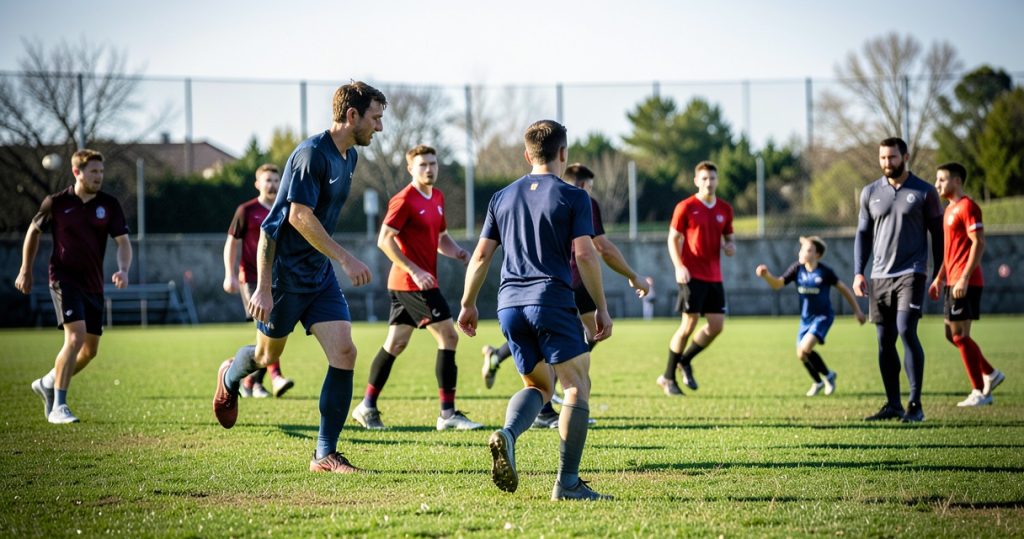
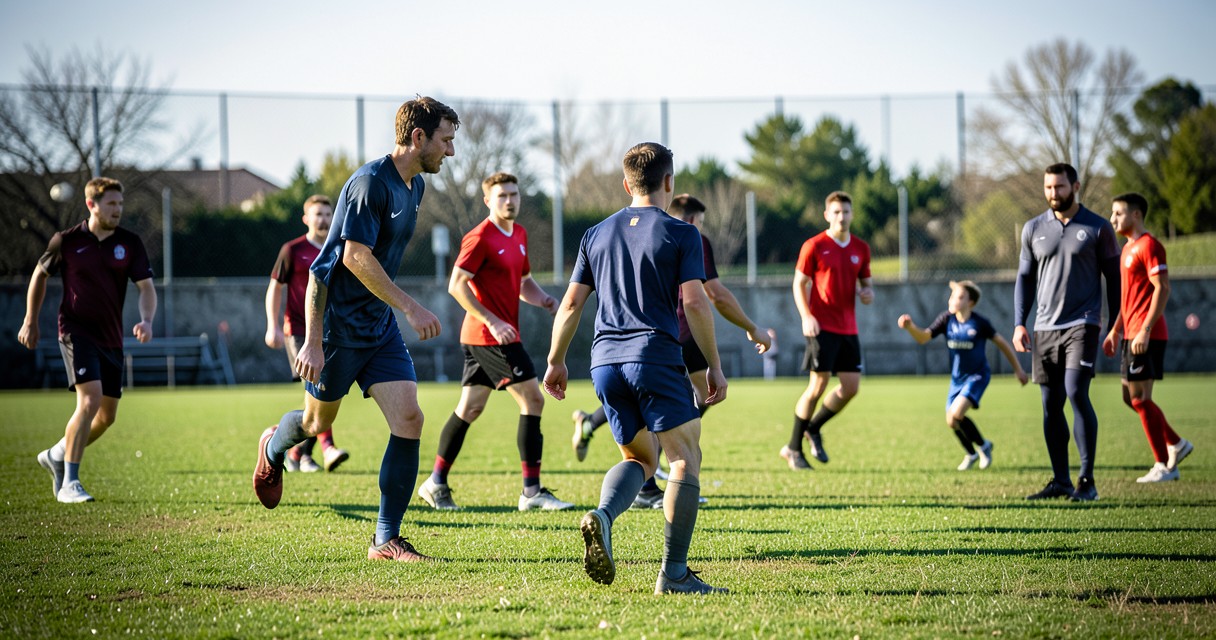
Season long soccer training is a comprehensive approach to player development that emphasizes continuous improvement and tactical awareness throughout the entire competitive season. This method is essential for youth soccer coaches and players alike, as it allows teams to build skills progressively while adapting to the demands of their league and opponents. By focusing on various aspects of training, including physical fitness, technical skills, and tactical understanding, coaches can create a structured environment that fosters growth and success on the field.
Establishing a Training Schedule
A well-structured training schedule is the backbone of effective season long soccer training. Coaches should develop a calendar that outlines training sessions, matches, and recovery periods, ensuring that players have ample time to rest and recuperate. Typically, training should occur at least two to three times per week, with sessions lasting between 60 to 90 minutes. This frequency allows players to maintain their skills while also building fitness. Incorporating different training focuses throughout the week, such as technical drills, tactical exercises, and scrimmages, keeps the sessions engaging and maximizes player development.
In addition to regular training sessions, coaches should also plan for pre-season and mid-season assessments. These evaluations help identify players’ strengths and weaknesses, guiding future training focuses. By revisiting the training schedule regularly, coaches can adapt to the team’s progress and any unforeseen circumstances, such as injuries or changes in player availability.
Physical Conditioning Throughout the Season
Physical conditioning is critical in soccer, where players face intense demands during matches. A season long approach to training includes not only skill development but also a focus on building stamina, strength, and agility. Coaches should integrate conditioning drills into regular training sessions, emphasizing aerobic capacity, anaerobic endurance, and explosive power. For example, interval running drills can improve stamina, while plyometric exercises can enhance strength and speed.
As the season progresses, conditioning should be adjusted based on the team’s performance and the intensity of upcoming matches. During competitive periods, the focus may shift from building fitness to maintaining it, which can be achieved through shorter, more intense workouts. Incorporating recovery strategies, such as stretching, foam rolling, and proper nutrition, is also vital to ensure that players remain in peak condition throughout the season.
Technical Skills Development
Technical skills form the foundation of a successful soccer player. Season long training must prioritize the development of these skills, including dribbling, passing, shooting, and ball control. Coaches can implement various drills tailored to different skill levels and age groups. For example, small-sided games can enhance players’ dribbling and passing abilities, while shooting drills can improve finishing techniques.
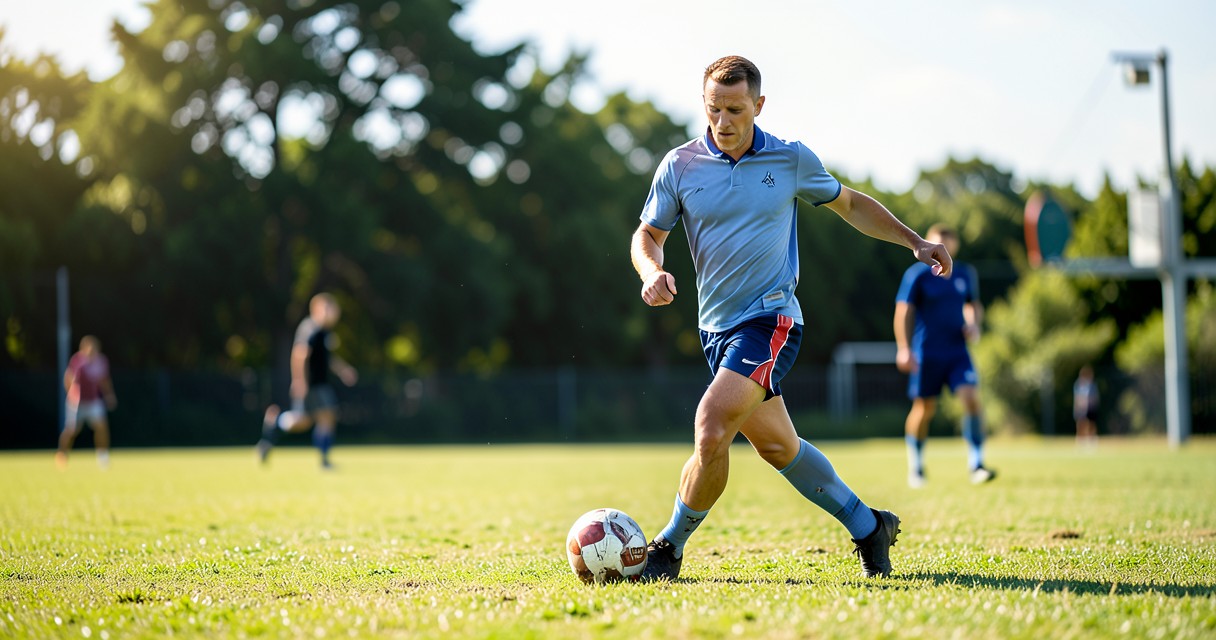
To maintain engagement and motivation, coaches should vary the drills and incorporate competitive elements, such as timed challenges or skill contests. Regularly assessing players’ technical improvements through practice and game performance can help coaches adjust their training focus and provide constructive feedback to players. This ongoing development ensures that players continually refine their skills throughout the season.
Tactical Understanding and Game Awareness
Developing tactical understanding is essential for players to perform effectively in matches. Coaches should incorporate tactical training into their sessions, focusing on aspects such as positioning, movement off the ball, and game strategies. Teaching players to read the game and make quick decisions can significantly impact their on-field performance. Coaches can use video analysis to review match footage, helping players understand their positioning and decision-making in real time.
Small-sided games are another effective way to enhance tactical awareness, as they create game-like scenarios that require players to think critically about their movements and decisions. Emphasizing communication and teamwork during these exercises fosters a deeper understanding of the tactical aspects of soccer, which is crucial for success in competitive matches.
Incorporating Mental Training
Mental training is an often-overlooked aspect of soccer development that can greatly influence performance. Coaches should integrate mental conditioning into their training programs, helping players develop focus, resilience, and a positive mindset. Techniques such as visualization, goal setting, and mindfulness can aid players in managing pressure during matches and maintaining motivation throughout the season.
Encouraging open communication and providing a supportive environment are also essential for mental well-being. Coaches should foster a culture where players feel comfortable discussing their challenges and successes. This support can help build confidence and a sense of belonging, which are critical for young athletes navigating the ups and downs of a competitive season.
Utilizing Recovery and Injury Prevention Techniques
Recovery is a crucial component of season long soccer training. Players must allow their bodies to heal and recuperate to prevent injuries and maintain performance levels. Coaches should educate players on the importance of recovery techniques, including proper hydration, nutrition, and sleep. Implementing rest days and lighter training sessions after intense match weeks can help players recharge physically and mentally.
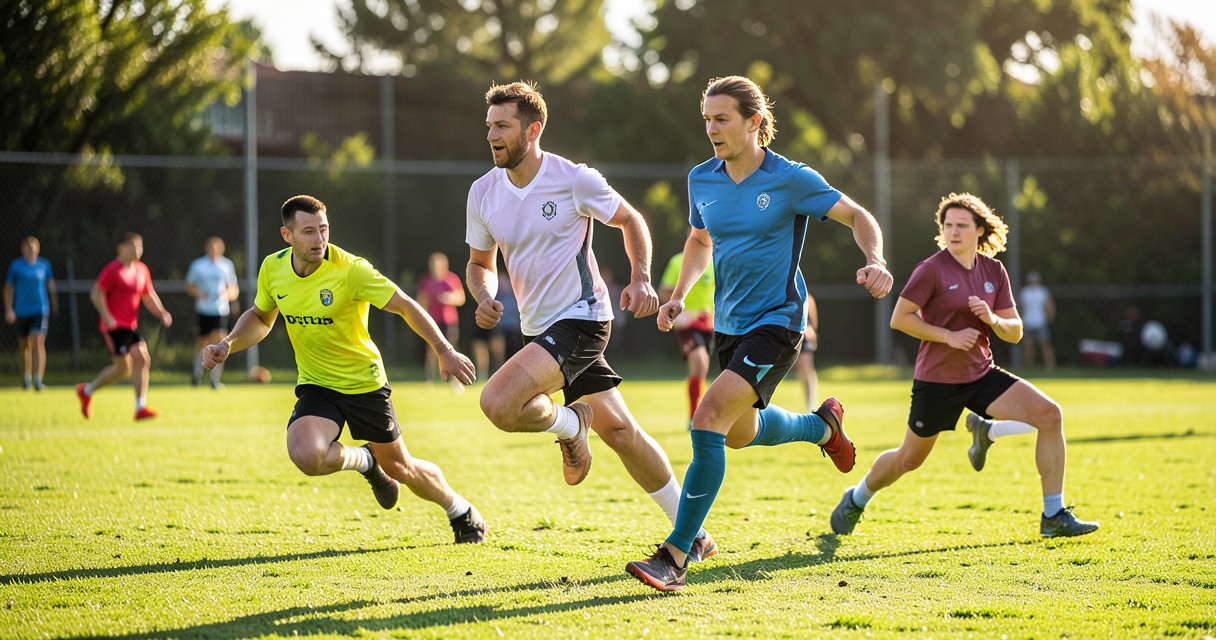
Injury prevention strategies should also be a priority throughout the season. Coaches can incorporate dynamic warm-ups, flexibility exercises, and strength training to help players avoid common injuries. Regular assessments of players’ physical condition can help identify potential issues before they become significant problems, allowing for timely interventions and adjustments to training loads.
Evaluating Progress and Adjusting Training Plans
Evaluating player progress is essential for maximizing the effectiveness of season long training. Coaches should regularly assess players’ skills, fitness levels, and tactical understanding through both formal evaluations and informal observations during training and matches. This ongoing evaluation allows coaches to identify areas for improvement and adjust training plans accordingly.
Feedback is a critical aspect of this evaluation process. Providing constructive feedback helps players understand their strengths and weaknesses, guiding their development. Engaging players in self-evaluation can also promote ownership of their training and encourage them to take an active role in their improvement. By fostering a culture of continuous assessment and adaptation, coaches can ensure that their training remains relevant and effective throughout the season.

I’ve been playing soccer since I was a kid and love breaking down drills to help players improve. When I’m not on the pitch, I enjoy analyzing games and sharing practical tips with fellow enthusiasts.