Benefits of Wall Pass Drills
Wall pass drills are essential in any comprehensive soccer training program. They provide a versatile method for players to practice independently while targeting critical skills. The simplicity of using a wall makes these drills accessible yet highly effective for developing game-changing abilities that directly translate to improved match performance.
One significant benefit of wall pass drills is the enhancement of passing accuracy. Players must strike the ball with the right force and angle to achieve the desired rebound, which hones their ability to make accurate passes. This practice directly improves passing accuracy, allowing for better team coordination during games and fewer turnovers under pressure.
In addition, wall pass drills improve reaction time. The immediate return of the ball requires quick thinking and movement, training the body and mind to respond rapidly. Improved reaction time can be the difference between maintaining possession and losing the ball in high-stakes situations that define competitive soccer training sessions.
Moreover, these drills build better ball control. Repeated interactions with the rebounding ball help players refine their first touch and overall handling. As a result, better ball control becomes second nature, enabling smoother play and more creative maneuvers on the pitch across varied game scenarios.
Wall pass drills offer advantages to soccer players of all levels. Novices gain confidence through basic repetitions, whereas experts can integrate complex patterns to maintain peak performance. Incorporating wall pass drills into soccer training routines ensures continuous development and mastery of fundamental techniques for lasting improvement.
Basic Wall Pass Techniques
Basic wall passes form the foundation of effective soccer drills for beginner soccer players seeking to sharpen ball control and timing. These simple yet powerful exercises use a wall to simulate passing partners, allowing consistent practice without needing teammates. Wall passing builds muscle memory through repetition, helping athletes develop precise touch and quick decision-making on the field.
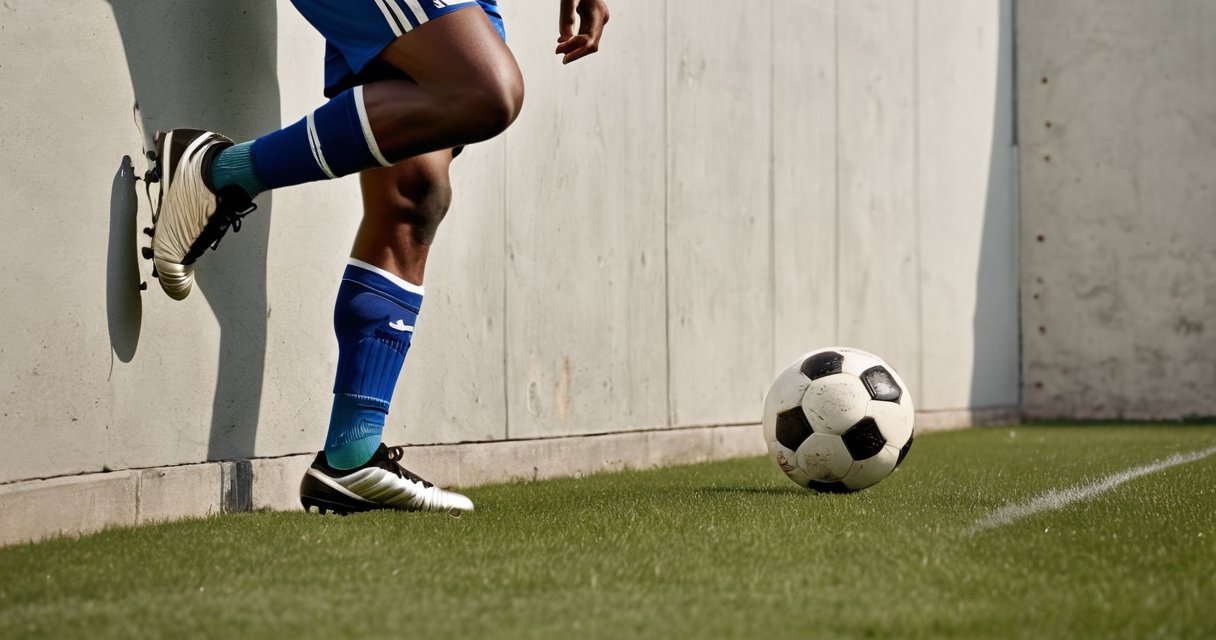
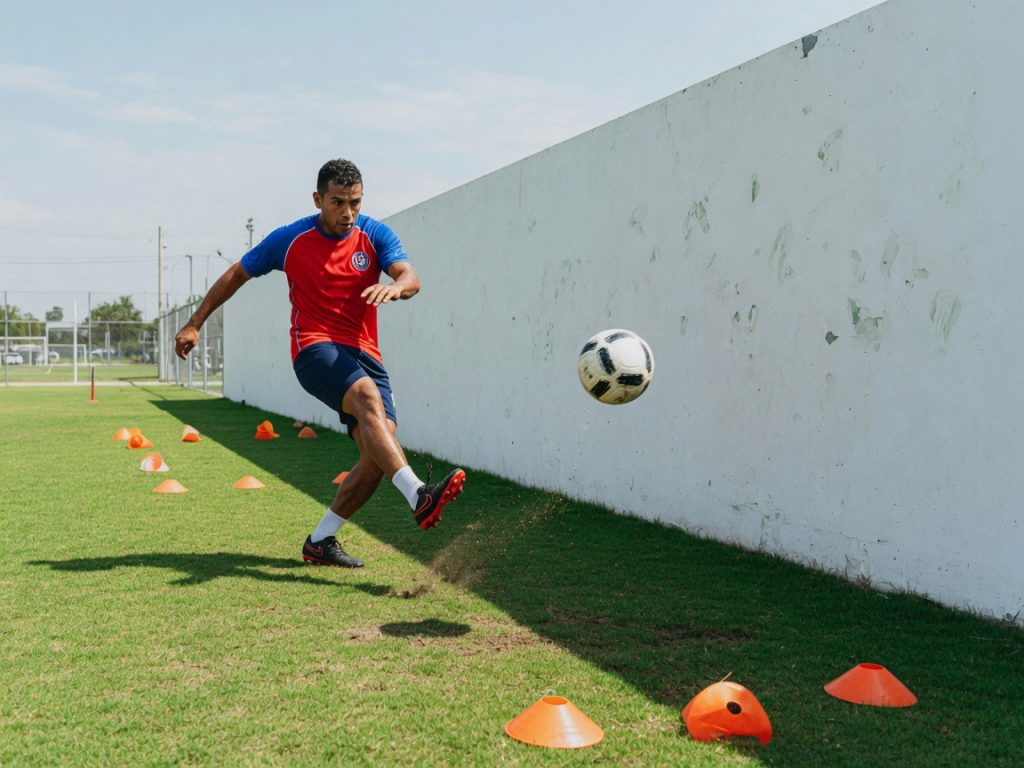
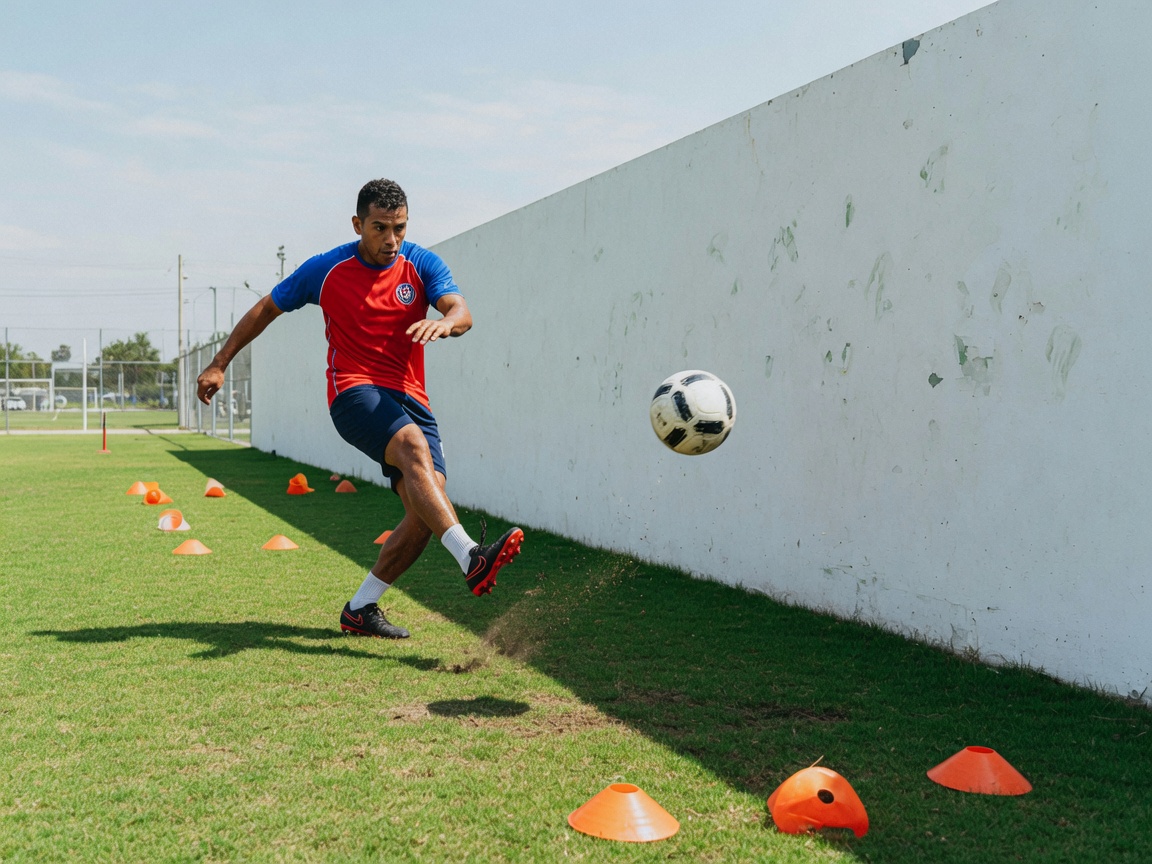
Begin by selecting a flat, sturdy wall and positioning yourself six to ten yards away. Stand in an athletic stance with feet shoulder-width apart, knees slightly bent, and weight balanced on the balls of your feet. Keep your eyes on the ball and maintain a relaxed upper body to stay ready for the rebound during wall passing sessions.
The core action starts with a firm pass using the inside of your foot, striking the lower half of the ball toward a target spot on the wall at ground level. Apply controlled power so the return comes back at a manageable speed. This technique teaches accuracy and is central to mastering basic wall passes in soccer drills.
As the ball rebounds, cushion it immediately with the inside of your foot to absorb impact and keep possession close. Focus on a soft first touch that sets up the next pass smoothly. Practicing this receive-and-pass cycle repeatedly strengthens coordination essential for beginner soccer development.
Alternate feet after every few repetitions to build balanced skills on both sides. Increase intensity gradually by adding pace or distance while maintaining control. These adjustments turn standard wall passing into dynamic soccer drills that mimic real-game pressure.
Common tips include keeping passes low and crisp, avoiding excessive loft that causes high rebounds. Monitor your body position to stay square to the wall, which improves efficiency in basic wall passes. Over time, incorporate side-to-side movement between touches for added challenge.
Consistent sessions of these techniques enhance overall passing confidence and reaction speed. Wall passing remains one of the most accessible soccer drills available to beginner soccer athletes, delivering measurable gains in touch and precision with minimal equipment.
One-Touch Wall Pass Drill
The one-touch wall pass drill builds essential quick passing and precision for soccer skills. To set up the wall drill, stand six to eight yards from a flat, sturdy wall with a soccer ball at your feet and sufficient lateral space for movement.
Execution starts with a controlled one-touch pass aimed at a marked spot on the wall. Receive the rebound instantly and return it using another one-touch pass, keeping a steady rhythm while using the inside of either foot. Maintain balanced posture, stay light on your toes, and focus on clean contact to sharpen quick passing under consistent pressure. Complete 20 to 30 repetitions per set, resting briefly between rounds.
Variations increase speed and accuracy in soccer skills. Move farther from the wall to demand greater power on each one-touch pass. Add side-to-side shuffling between touches to replicate game movement, or alternate feet rapidly to improve versatility. Advanced players can target smaller zones on the wall or accelerate the pace to mimic match intensity, further refining quick passing and overall ball control.
Advanced Wall Pass Drills
Advanced drills in soccer passing elevate wall training to new heights by incorporating dynamic movement and precise timing. Players engage in continuous runs toward and away from the wall, executing one-touch and two-touch combinations that simulate real-game pressure. These professional techniques refine first-touch control while building explosive acceleration and spatial awareness essential for competitive play.
Wall training sessions often feature overlapping runs and combination plays where athletes alternate between short, sharp passes and longer driven balls. By varying angles and distances, participants develop the ability to maintain rhythm under fatigue. Such advanced drills challenge coordination and decision-making, turning simple rebounds into intricate sequences that mirror professional match scenarios.
Integrating multiple touches allows players to manipulate the ball with different surfaces before returning it to the wall. This method strengthens weak-foot proficiency and encourages creative solutions during high-intensity intervals. Coaches frequently layer defensive shadows or timed sprints into these routines to replicate the intensity of elite soccer passing environments.
Through consistent practice of these professional techniques, athletes enhance their ability to read rebounds and adjust body positioning on the move. The focus remains on clean execution rather than power, fostering accuracy that translates directly to game situations. Advanced drills ultimately transform wall training into a comprehensive tool for mastering soccer passing at the highest levels.
Tips for Effective Wall Pass Practice
Proper form is the cornerstone of successful wall pass drills. Position your body with feet shoulder-width apart, non-kicking foot pointed toward the target, and strike the ball with the inside of your foot for control. Maintaining this stance prevents errors and promotes efficient energy transfer during each contact while reducing the risk of strain.
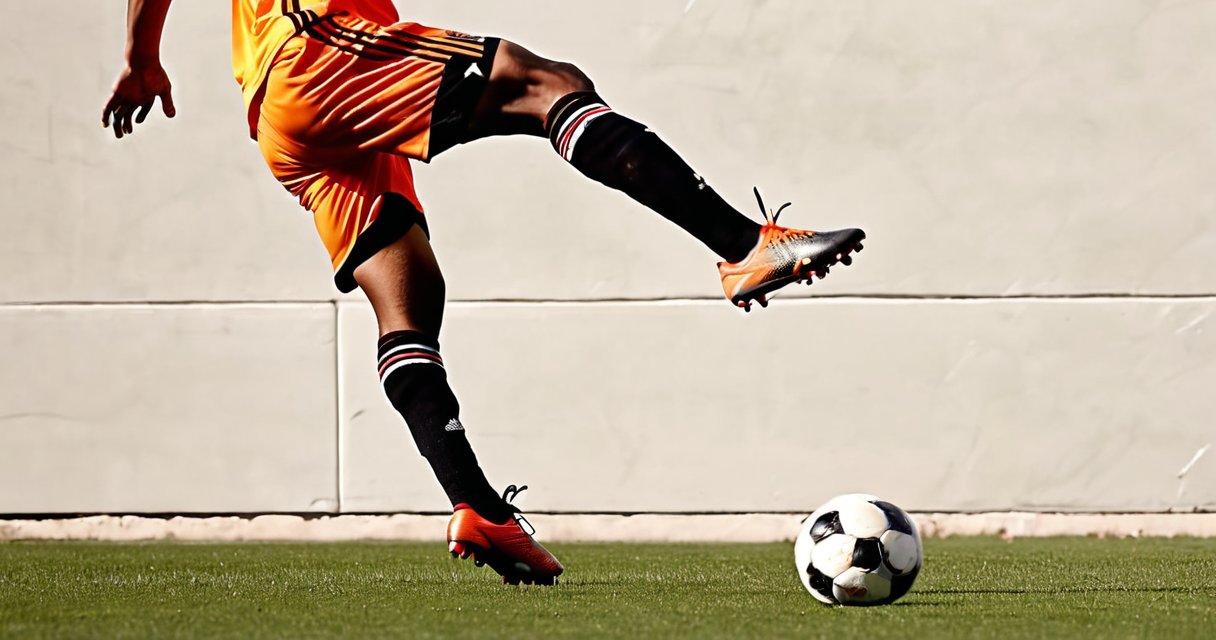
Consistency in practice ensures steady soccer improvement. Perform wall passes daily or several times a week, focusing on quality over quantity. This disciplined approach, rooted in effective training advice, helps ingrain correct habits that transfer to matches and builds the repetition needed for lasting skill gains.
As you advance, implement progression by varying the intensity and complexity of your wall passes. Introduce combinations such as pass, receive, and turn, or practice under fatigue to simulate real-game conditions. Such methods challenge your limits and foster growth through incremental difficulty increases.
When facing issues like mishit balls or poor rebound angles, apply troubleshooting methods immediately. Analyze your foot placement and correct any leaning that affects balance. Experiment with different surfaces or ball types to overcome specific challenges and restore accuracy quickly.
These practice tips will refine your technique and maximize the benefits of wall passes in your training regimen. Stay committed, review your form regularly, and adjust based on results to achieve continuous development across all aspects of your game.
Track session duration and success rates to identify patterns in your progress. Incorporate rest intervals between sets to maintain focus and prevent burnout, ensuring every drill contributes meaningfully to long-term soccer improvement through smart training advice.

I’ve been playing soccer since I was a kid and love breaking down drills to help players improve. When I’m not on the pitch, I enjoy analyzing games and sharing practical tips with fellow enthusiasts.