Blog » Passing and moving drills
Passing and moving drills

Passing and moving drills

Passing and moving drills

To further challenge players, incorporate defensive pressure into drills. Defenders apply close marking, forcing attackers to make split-second decisions and precise passes. This intense environment builds confidence in passing under pressure and improves communication and teamwork.

By integrating these advanced drills into regular practice sessions, players can significantly boost their technical skills and tactical understanding. Enhanced passing speed combined with smart movement creates a dynamic attack and keeps the opposition on the back foot. Ultimately, these drills prepare players to perform efficiently in fast-paced and high-pressure game scenarios.

Rondo Drill

The rondo drill is a classic exercise designed to enhance pressure passing and quick movement among players. Typically, this drill involves a group of players forming a circle with a few defenders positioned inside. The objective for the players on the outside is to maintain possession by passing the ball rapidly while the defenders inside attempt to intercept it. This setup forces players to think fast, move smartly, and execute precise passes under pressure.

To set up the rondo drill, organize 6 to 10 players, depending on the level of difficulty desired. The outer players should spread out evenly around a defined circular space, creating passing lanes. Inside, 2 to 3 defenders try to disrupt the play by intercepting or forcing errors. Players on the perimeter must continuously make quick decisions, responding to defensive pressure with sharp, accurate passes and constant movement to find open spaces.

One of the major benefits of the rondo drill is improved spatial awareness. Players learn to anticipate opponents’ moves and position themselves effectively to maintain possession. Additionally, this drill promotes quick movement off the ball and speedier passing execution, key components in pressure passing strategies. By regularly practicing the rondo drill, teams can develop better coordination, sharper reflexes, and an overall enhanced ability to control the game under tight opposition.

Another advanced drill emphasizes rapid ball circulation combined with continuous off-the-ball movement. Players form a circle and pass the ball quickly, while others must adjust their position dynamically to receive the ball and provide passing options. This drill not only enhances passing speed but also develops spatial awareness and the ability to read the game.

To further challenge players, incorporate defensive pressure into drills. Defenders apply close marking, forcing attackers to make split-second decisions and precise passes. This intense environment builds confidence in passing under pressure and improves communication and teamwork.

By integrating these advanced drills into regular practice sessions, players can significantly boost their technical skills and tactical understanding. Enhanced passing speed combined with smart movement creates a dynamic attack and keeps the opposition on the back foot. Ultimately, these drills prepare players to perform efficiently in fast-paced and high-pressure game scenarios.

Rondo Drill

The rondo drill is a classic exercise designed to enhance pressure passing and quick movement among players. Typically, this drill involves a group of players forming a circle with a few defenders positioned inside. The objective for the players on the outside is to maintain possession by passing the ball rapidly while the defenders inside attempt to intercept it. This setup forces players to think fast, move smartly, and execute precise passes under pressure.

To set up the rondo drill, organize 6 to 10 players, depending on the level of difficulty desired. The outer players should spread out evenly around a defined circular space, creating passing lanes. Inside, 2 to 3 defenders try to disrupt the play by intercepting or forcing errors. Players on the perimeter must continuously make quick decisions, responding to defensive pressure with sharp, accurate passes and constant movement to find open spaces.

One of the major benefits of the rondo drill is improved spatial awareness. Players learn to anticipate opponents’ moves and position themselves effectively to maintain possession. Additionally, this drill promotes quick movement off the ball and speedier passing execution, key components in pressure passing strategies. By regularly practicing the rondo drill, teams can develop better coordination, sharper reflexes, and an overall enhanced ability to control the game under tight opposition.

Another advanced drill emphasizes rapid ball circulation combined with continuous off-the-ball movement. Players form a circle and pass the ball quickly, while others must adjust their position dynamically to receive the ball and provide passing options. This drill not only enhances passing speed but also develops spatial awareness and the ability to read the game.

To further challenge players, incorporate defensive pressure into drills. Defenders apply close marking, forcing attackers to make split-second decisions and precise passes. This intense environment builds confidence in passing under pressure and improves communication and teamwork.

By integrating these advanced drills into regular practice sessions, players can significantly boost their technical skills and tactical understanding. Enhanced passing speed combined with smart movement creates a dynamic attack and keeps the opposition on the back foot. Ultimately, these drills prepare players to perform efficiently in fast-paced and high-pressure game scenarios.

Rondo Drill

The rondo drill is a classic exercise designed to enhance pressure passing and quick movement among players. Typically, this drill involves a group of players forming a circle with a few defenders positioned inside. The objective for the players on the outside is to maintain possession by passing the ball rapidly while the defenders inside attempt to intercept it. This setup forces players to think fast, move smartly, and execute precise passes under pressure.

To set up the rondo drill, organize 6 to 10 players, depending on the level of difficulty desired. The outer players should spread out evenly around a defined circular space, creating passing lanes. Inside, 2 to 3 defenders try to disrupt the play by intercepting or forcing errors. Players on the perimeter must continuously make quick decisions, responding to defensive pressure with sharp, accurate passes and constant movement to find open spaces.

One of the major benefits of the rondo drill is improved spatial awareness. Players learn to anticipate opponents’ moves and position themselves effectively to maintain possession. Additionally, this drill promotes quick movement off the ball and speedier passing execution, key components in pressure passing strategies. By regularly practicing the rondo drill, teams can develop better coordination, sharper reflexes, and an overall enhanced ability to control the game under tight opposition.

One effective drill involves small-sided games where players must perform quick passes while constantly moving. This setup encourages dynamic movement and replicates the pressure experienced during real matches. By practicing passing under pressure, players learn to think faster and make smarter decisions in tight spaces.

Another advanced drill emphasizes rapid ball circulation combined with continuous off-the-ball movement. Players form a circle and pass the ball quickly, while others must adjust their position dynamically to receive the ball and provide passing options. This drill not only enhances passing speed but also develops spatial awareness and the ability to read the game.

To further challenge players, incorporate defensive pressure into drills. Defenders apply close marking, forcing attackers to make split-second decisions and precise passes. This intense environment builds confidence in passing under pressure and improves communication and teamwork.

By integrating these advanced drills into regular practice sessions, players can significantly boost their technical skills and tactical understanding. Enhanced passing speed combined with smart movement creates a dynamic attack and keeps the opposition on the back foot. Ultimately, these drills prepare players to perform efficiently in fast-paced and high-pressure game scenarios.

Rondo Drill

The rondo drill is a classic exercise designed to enhance pressure passing and quick movement among players. Typically, this drill involves a group of players forming a circle with a few defenders positioned inside. The objective for the players on the outside is to maintain possession by passing the ball rapidly while the defenders inside attempt to intercept it. This setup forces players to think fast, move smartly, and execute precise passes under pressure.

To set up the rondo drill, organize 6 to 10 players, depending on the level of difficulty desired. The outer players should spread out evenly around a defined circular space, creating passing lanes. Inside, 2 to 3 defenders try to disrupt the play by intercepting or forcing errors. Players on the perimeter must continuously make quick decisions, responding to defensive pressure with sharp, accurate passes and constant movement to find open spaces.

One of the major benefits of the rondo drill is improved spatial awareness. Players learn to anticipate opponents’ moves and position themselves effectively to maintain possession. Additionally, this drill promotes quick movement off the ball and speedier passing execution, key components in pressure passing strategies. By regularly practicing the rondo drill, teams can develop better coordination, sharper reflexes, and an overall enhanced ability to control the game under tight opposition.

One effective drill involves small-sided games where players must perform quick passes while constantly moving. This setup encourages dynamic movement and replicates the pressure experienced during real matches. By practicing passing under pressure, players learn to think faster and make smarter decisions in tight spaces.

Another advanced drill emphasizes rapid ball circulation combined with continuous off-the-ball movement. Players form a circle and pass the ball quickly, while others must adjust their position dynamically to receive the ball and provide passing options. This drill not only enhances passing speed but also develops spatial awareness and the ability to read the game.

To further challenge players, incorporate defensive pressure into drills. Defenders apply close marking, forcing attackers to make split-second decisions and precise passes. This intense environment builds confidence in passing under pressure and improves communication and teamwork.

By integrating these advanced drills into regular practice sessions, players can significantly boost their technical skills and tactical understanding. Enhanced passing speed combined with smart movement creates a dynamic attack and keeps the opposition on the back foot. Ultimately, these drills prepare players to perform efficiently in fast-paced and high-pressure game scenarios.

Rondo Drill

The rondo drill is a classic exercise designed to enhance pressure passing and quick movement among players. Typically, this drill involves a group of players forming a circle with a few defenders positioned inside. The objective for the players on the outside is to maintain possession by passing the ball rapidly while the defenders inside attempt to intercept it. This setup forces players to think fast, move smartly, and execute precise passes under pressure.

To set up the rondo drill, organize 6 to 10 players, depending on the level of difficulty desired. The outer players should spread out evenly around a defined circular space, creating passing lanes. Inside, 2 to 3 defenders try to disrupt the play by intercepting or forcing errors. Players on the perimeter must continuously make quick decisions, responding to defensive pressure with sharp, accurate passes and constant movement to find open spaces.

One of the major benefits of the rondo drill is improved spatial awareness. Players learn to anticipate opponents’ moves and position themselves effectively to maintain possession. Additionally, this drill promotes quick movement off the ball and speedier passing execution, key components in pressure passing strategies. By regularly practicing the rondo drill, teams can develop better coordination, sharper reflexes, and an overall enhanced ability to control the game under tight opposition.

Introduction to Passing and Moving Drills

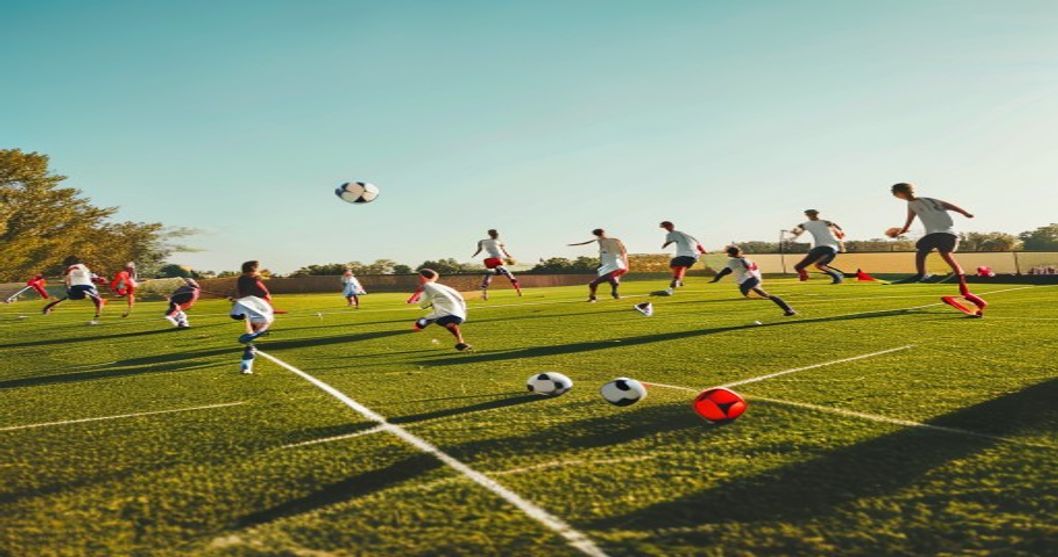
In the world of soccer training, mastering the fundamentals is crucial for both individual players and the entire team. Among these fundamentals, passing drills and moving drills stand out as essential components that significantly enhance a player’s technical skills and tactical understanding. These drills not only improve ball control but also promote effective communication and teamwork on the field.
Passing and moving drills — Introduction to Passing and Moving Drills

Passing drills are designed to help players develop accuracy, timing, and decision-making when distributing the ball. The ability to pass confidently and precisely under pressure is a cornerstone of successful soccer. Practicing these drills allows players to become more comfortable with different types of passes—whether short, long, ground, or aerial—which ultimately contributes to smoother game flow and better ball retention.

Moving drills complement passing by emphasizing the importance of positioning, movement off the ball, and spatial awareness. Soccer is a dynamic sport that requires constant adjustment of position to create passing lanes and support teammates. By rehearsing structured moving drills, players learn to read the game, anticipate their next move, and create opportunities for effective ball circulation. This movement not only helps maintain possession but also stretches the opposition’s defense, opening up scoring chances.

When combined, passing drills and moving drills foster teamwork that is essential for cohesive play. Players develop trust and understanding by engaging in these practices, recognizing each other’s tendencies and preferred playing styles. This synergy leads to faster decision-making and more efficient use of space, which are critical to outmaneuvering opponents during competitive matches.

Incorporating these drills into regular soccer training leaves players better equipped to handle high-pressure scenarios and adapt quickly to evolving situations on the pitch. Ultimately, passing and moving drills are not just about individual skill development—they are about building a unified team capable of controlling the game and executing strategies effectively. Coaches who prioritize these drills create a foundation for long-term success and sustained performance improvements in their teams.

Basic Passing and Moving Drills

Mastering soccer fundamentals starts with developing good passing technique and learning how to move effectively after making a pass. Basic passing and beginner drills that focus on accuracy and movement are essential for any player looking to improve their game. These drills not only enhance your ability to deliver the ball precisely but also teach you how to create space and support your teammates.

One simple beginner drill involves pairing up with a teammate and passing the ball back and forth over a short distance. Start with a few steps between players and focus on striking the ball cleanly with the inside of your foot. This drill emphasizes basic passing mechanics such as body positioning, foot placement, and follow-through. After each pass, the player must quickly move a few steps to the side or forward to simulate moving into space, encouraging both accuracy and movement simultaneously.

Another effective drill is the “pass and pivot” exercise. In this drill, players form a triangle and pass the ball around while constantly moving to open spots within the triangle. After passing, each player pivots and moves to a new position to receive the ball again, reinforcing the importance of moving off the ball. This drill improves spatial awareness and helps beginners understand how to maintain fluidity in their positioning, a key aspect of soccer fundamentals.

For those new to passing and moving drills, incorporating cones or markers can help visualize space and movement patterns. Set up two cones approximately 10 yards apart and practice passing between them, focusing on precise ball control. After each pass, the player receiving the ball must dribble around a cone and then pass back, reinforcing the concept of moving after passing and improving overall coordination.

Consistency in practicing these basic passing drills builds a solid foundation for more advanced techniques later on. The combination of passing accurately and moving intelligently to receive the ball is critical in developing a well-rounded soccer player. Starting with these beginner drills ensures players gain confidence and establish good habits early in their training journey.

Wall Passing Drill

The wall passing drill is an essential exercise designed to improve passing accuracy and encourage quick movement after the pass. This drill involves passing the ball against a solid surface, such as a wall, and reacting promptly to the ball’s return. The repetitive nature of this drill helps players develop sharp passing skills and enhances their ability to move effectively to create new passing options.

To start the wall passing drill, stand approximately 5 to 7 feet away from the wall with a partner or alone using a marked spot. Pass the ball firmly against the wall using the inside of your foot for precision. Focus on hitting the same spot on the wall every time to improve your passing accuracy. As the ball rebounds, control it quickly and prepare for the next pass.

Movement after pass is a crucial component of this drill. After making your pass, immediately move either laterally or forward to a new position before receiving the ball back. This constant movement simulates real-game scenarios, encouraging players to think ahead and stay active. You can incorporate cone markers or designated spots on the ground to practice specific movement patterns.

Increase the drill’s difficulty by reducing the time between passes or increasing the distance from the wall, all while maintaining control and passing accuracy. Consistent practice with the wall passing drill builds quick reflexes, enhances coordination, and promotes smarter, faster decision-making in game situations.

Triangle Passing Drill

The triangle passing drill is a fundamental exercise designed to improve team coordination and sharpen passing skills. This drill involves three players positioned in a triangle formation, emphasizing quick and accurate passes to maintain fluid ball movement. By practicing triangle passing, players learn to anticipate their teammates’ movements and develop precise timing for receiving and sending the ball.

To perform the drill, players should space themselves evenly to form an equilateral triangle. One player starts with the ball and passes it to a teammate, who then quickly returns the pass to the third player. The ball continues circulating around the triangle with each player focusing on clean, controlled passes. Players should move slightly after passing to create better passing angles and simulate game-like positioning. This encourages continuous movement and improves spatial awareness.

The key advantage of incorporating the triangle passing drill into your training routine is fostering seamless team coordination. Teams enhance their communication and develop a better understanding of each other’s timing and tendencies, which translates directly to improved performance during match situations. Consistent practice of this passing drill builds players’ confidence in maintaining possession under pressure and executing quick, effective passes.

Advanced Passing and Moving Drills

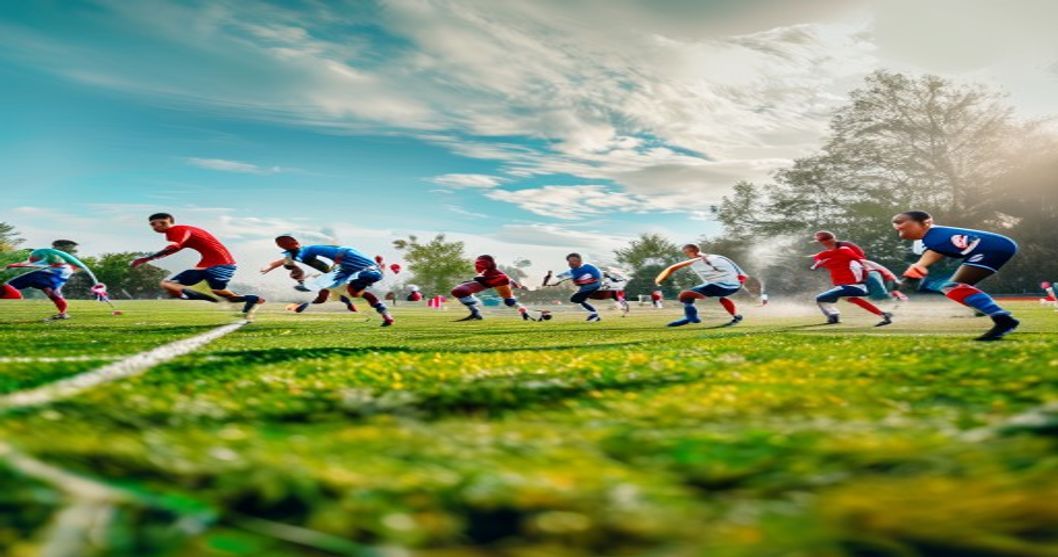
To take your game to the next level, incorporating advanced drills is essential. These drills focus on enhancing passing speed, refining decision making, and improving dynamic movement under pressure. Mastery of these skills allows players to maintain control and create opportunities even in the most challenging situations.
Passing and moving drills — Advanced Passing and Moving Drills

One effective drill involves small-sided games where players must perform quick passes while constantly moving. This setup encourages dynamic movement and replicates the pressure experienced during real matches. By practicing passing under pressure, players learn to think faster and make smarter decisions in tight spaces.

Another advanced drill emphasizes rapid ball circulation combined with continuous off-the-ball movement. Players form a circle and pass the ball quickly, while others must adjust their position dynamically to receive the ball and provide passing options. This drill not only enhances passing speed but also develops spatial awareness and the ability to read the game.

To further challenge players, incorporate defensive pressure into drills. Defenders apply close marking, forcing attackers to make split-second decisions and precise passes. This intense environment builds confidence in passing under pressure and improves communication and teamwork.

By integrating these advanced drills into regular practice sessions, players can significantly boost their technical skills and tactical understanding. Enhanced passing speed combined with smart movement creates a dynamic attack and keeps the opposition on the back foot. Ultimately, these drills prepare players to perform efficiently in fast-paced and high-pressure game scenarios.

Rondo Drill

The rondo drill is a classic exercise designed to enhance pressure passing and quick movement among players. Typically, this drill involves a group of players forming a circle with a few defenders positioned inside. The objective for the players on the outside is to maintain possession by passing the ball rapidly while the defenders inside attempt to intercept it. This setup forces players to think fast, move smartly, and execute precise passes under pressure.

To set up the rondo drill, organize 6 to 10 players, depending on the level of difficulty desired. The outer players should spread out evenly around a defined circular space, creating passing lanes. Inside, 2 to 3 defenders try to disrupt the play by intercepting or forcing errors. Players on the perimeter must continuously make quick decisions, responding to defensive pressure with sharp, accurate passes and constant movement to find open spaces.

One of the major benefits of the rondo drill is improved spatial awareness. Players learn to anticipate opponents’ moves and position themselves effectively to maintain possession. Additionally, this drill promotes quick movement off the ball and speedier passing execution, key components in pressure passing strategies. By regularly practicing the rondo drill, teams can develop better coordination, sharper reflexes, and an overall enhanced ability to control the game under tight opposition.

Another advanced drill emphasizes rapid ball circulation combined with continuous off-the-ball movement. Players form a circle and pass the ball quickly, while others must adjust their position dynamically to receive the ball and provide passing options. This drill not only enhances passing speed but also develops spatial awareness and the ability to read the game.

To further challenge players, incorporate defensive pressure into drills. Defenders apply close marking, forcing attackers to make split-second decisions and precise passes. This intense environment builds confidence in passing under pressure and improves communication and teamwork.

By integrating these advanced drills into regular practice sessions, players can significantly boost their technical skills and tactical understanding. Enhanced passing speed combined with smart movement creates a dynamic attack and keeps the opposition on the back foot. Ultimately, these drills prepare players to perform efficiently in fast-paced and high-pressure game scenarios.

Rondo Drill

The rondo drill is a classic exercise designed to enhance pressure passing and quick movement among players. Typically, this drill involves a group of players forming a circle with a few defenders positioned inside. The objective for the players on the outside is to maintain possession by passing the ball rapidly while the defenders inside attempt to intercept it. This setup forces players to think fast, move smartly, and execute precise passes under pressure.

To set up the rondo drill, organize 6 to 10 players, depending on the level of difficulty desired. The outer players should spread out evenly around a defined circular space, creating passing lanes. Inside, 2 to 3 defenders try to disrupt the play by intercepting or forcing errors. Players on the perimeter must continuously make quick decisions, responding to defensive pressure with sharp, accurate passes and constant movement to find open spaces.

One of the major benefits of the rondo drill is improved spatial awareness. Players learn to anticipate opponents’ moves and position themselves effectively to maintain possession. Additionally, this drill promotes quick movement off the ball and speedier passing execution, key components in pressure passing strategies. By regularly practicing the rondo drill, teams can develop better coordination, sharper reflexes, and an overall enhanced ability to control the game under tight opposition.

Introduction to Passing and Moving Drills

In the world of soccer training, mastering the fundamentals is crucial for both individual players and the entire team. Among these fundamentals, passing drills and moving drills stand out as essential components that significantly enhance a player’s technical skills and tactical understanding. These drills not only improve ball control but also promote effective communication and teamwork on the field.

Passing and moving drills — Introduction to Passing and Moving Drills

Passing drills are designed to help players develop accuracy, timing, and decision-making when distributing the ball. The ability to pass confidently and precisely under pressure is a cornerstone of successful soccer. Practicing these drills allows players to become more comfortable with different types of passes—whether short, long, ground, or aerial—which ultimately contributes to smoother game flow and better ball retention.

Moving drills complement passing by emphasizing the importance of positioning, movement off the ball, and spatial awareness. Soccer is a dynamic sport that requires constant adjustment of position to create passing lanes and support teammates. By rehearsing structured moving drills, players learn to read the game, anticipate their next move, and create opportunities for effective ball circulation. This movement not only helps maintain possession but also stretches the opposition’s defense, opening up scoring chances.

When combined, passing drills and moving drills foster teamwork that is essential for cohesive play. Players develop trust and understanding by engaging in these practices, recognizing each other’s tendencies and preferred playing styles. This synergy leads to faster decision-making and more efficient use of space, which are critical to outmaneuvering opponents during competitive matches.

Incorporating these drills into regular soccer training leaves players better equipped to handle high-pressure scenarios and adapt quickly to evolving situations on the pitch. Ultimately, passing and moving drills are not just about individual skill development—they are about building a unified team capable of controlling the game and executing strategies effectively. Coaches who prioritize these drills create a foundation for long-term success and sustained performance improvements in their teams.

Basic Passing and Moving Drills

Mastering soccer fundamentals starts with developing good passing technique and learning how to move effectively after making a pass. Basic passing and beginner drills that focus on accuracy and movement are essential for any player looking to improve their game. These drills not only enhance your ability to deliver the ball precisely but also teach you how to create space and support your teammates.

One simple beginner drill involves pairing up with a teammate and passing the ball back and forth over a short distance. Start with a few steps between players and focus on striking the ball cleanly with the inside of your foot. This drill emphasizes basic passing mechanics such as body positioning, foot placement, and follow-through. After each pass, the player must quickly move a few steps to the side or forward to simulate moving into space, encouraging both accuracy and movement simultaneously.

Another effective drill is the “pass and pivot” exercise. In this drill, players form a triangle and pass the ball around while constantly moving to open spots within the triangle. After passing, each player pivots and moves to a new position to receive the ball again, reinforcing the importance of moving off the ball. This drill improves spatial awareness and helps beginners understand how to maintain fluidity in their positioning, a key aspect of soccer fundamentals.

For those new to passing and moving drills, incorporating cones or markers can help visualize space and movement patterns. Set up two cones approximately 10 yards apart and practice passing between them, focusing on precise ball control. After each pass, the player receiving the ball must dribble around a cone and then pass back, reinforcing the concept of moving after passing and improving overall coordination.

Consistency in practicing these basic passing drills builds a solid foundation for more advanced techniques later on. The combination of passing accurately and moving intelligently to receive the ball is critical in developing a well-rounded soccer player. Starting with these beginner drills ensures players gain confidence and establish good habits early in their training journey.

Wall Passing Drill

The wall passing drill is an essential exercise designed to improve passing accuracy and encourage quick movement after the pass. This drill involves passing the ball against a solid surface, such as a wall, and reacting promptly to the ball’s return. The repetitive nature of this drill helps players develop sharp passing skills and enhances their ability to move effectively to create new passing options.

To start the wall passing drill, stand approximately 5 to 7 feet away from the wall with a partner or alone using a marked spot. Pass the ball firmly against the wall using the inside of your foot for precision. Focus on hitting the same spot on the wall every time to improve your passing accuracy. As the ball rebounds, control it quickly and prepare for the next pass.

Movement after pass is a crucial component of this drill. After making your pass, immediately move either laterally or forward to a new position before receiving the ball back. This constant movement simulates real-game scenarios, encouraging players to think ahead and stay active. You can incorporate cone markers or designated spots on the ground to practice specific movement patterns.

Increase the drill’s difficulty by reducing the time between passes or increasing the distance from the wall, all while maintaining control and passing accuracy. Consistent practice with the wall passing drill builds quick reflexes, enhances coordination, and promotes smarter, faster decision-making in game situations.

Triangle Passing Drill

The triangle passing drill is a fundamental exercise designed to improve team coordination and sharpen passing skills. This drill involves three players positioned in a triangle formation, emphasizing quick and accurate passes to maintain fluid ball movement. By practicing triangle passing, players learn to anticipate their teammates’ movements and develop precise timing for receiving and sending the ball.

To perform the drill, players should space themselves evenly to form an equilateral triangle. One player starts with the ball and passes it to a teammate, who then quickly returns the pass to the third player. The ball continues circulating around the triangle with each player focusing on clean, controlled passes. Players should move slightly after passing to create better passing angles and simulate game-like positioning. This encourages continuous movement and improves spatial awareness.

The key advantage of incorporating the triangle passing drill into your training routine is fostering seamless team coordination. Teams enhance their communication and develop a better understanding of each other’s timing and tendencies, which translates directly to improved performance during match situations. Consistent practice of this passing drill builds players’ confidence in maintaining possession under pressure and executing quick, effective passes.

Advanced Passing and Moving Drills

To take your game to the next level, incorporating advanced drills is essential. These drills focus on enhancing passing speed, refining decision making, and improving dynamic movement under pressure. Mastery of these skills allows players to maintain control and create opportunities even in the most challenging situations.

Passing and moving drills — Advanced Passing and Moving Drills

One effective drill involves small-sided games where players must perform quick passes while constantly moving. This setup encourages dynamic movement and replicates the pressure experienced during real matches. By practicing passing under pressure, players learn to think faster and make smarter decisions in tight spaces.

Another advanced drill emphasizes rapid ball circulation combined with continuous off-the-ball movement. Players form a circle and pass the ball quickly, while others must adjust their position dynamically to receive the ball and provide passing options. This drill not only enhances passing speed but also develops spatial awareness and the ability to read the game.

To further challenge players, incorporate defensive pressure into drills. Defenders apply close marking, forcing attackers to make split-second decisions and precise passes. This intense environment builds confidence in passing under pressure and improves communication and teamwork.

By integrating these advanced drills into regular practice sessions, players can significantly boost their technical skills and tactical understanding. Enhanced passing speed combined with smart movement creates a dynamic attack and keeps the opposition on the back foot. Ultimately, these drills prepare players to perform efficiently in fast-paced and high-pressure game scenarios.

Rondo Drill

The rondo drill is a classic exercise designed to enhance pressure passing and quick movement among players. Typically, this drill involves a group of players forming a circle with a few defenders positioned inside. The objective for the players on the outside is to maintain possession by passing the ball rapidly while the defenders inside attempt to intercept it. This setup forces players to think fast, move smartly, and execute precise passes under pressure.

To set up the rondo drill, organize 6 to 10 players, depending on the level of difficulty desired. The outer players should spread out evenly around a defined circular space, creating passing lanes. Inside, 2 to 3 defenders try to disrupt the play by intercepting or forcing errors. Players on the perimeter must continuously make quick decisions, responding to defensive pressure with sharp, accurate passes and constant movement to find open spaces.

One of the major benefits of the rondo drill is improved spatial awareness. Players learn to anticipate opponents’ moves and position themselves effectively to maintain possession. Additionally, this drill promotes quick movement off the ball and speedier passing execution, key components in pressure passing strategies. By regularly practicing the rondo drill, teams can develop better coordination, sharper reflexes, and an overall enhanced ability to control the game under tight opposition.

Another advanced drill emphasizes rapid ball circulation combined with continuous off-the-ball movement. Players form a circle and pass the ball quickly, while others must adjust their position dynamically to receive the ball and provide passing options. This drill not only enhances passing speed but also develops spatial awareness and the ability to read the game.

To further challenge players, incorporate defensive pressure into drills. Defenders apply close marking, forcing attackers to make split-second decisions and precise passes. This intense environment builds confidence in passing under pressure and improves communication and teamwork.

By integrating these advanced drills into regular practice sessions, players can significantly boost their technical skills and tactical understanding. Enhanced passing speed combined with smart movement creates a dynamic attack and keeps the opposition on the back foot. Ultimately, these drills prepare players to perform efficiently in fast-paced and high-pressure game scenarios.

Rondo Drill

The rondo drill is a classic exercise designed to enhance pressure passing and quick movement among players. Typically, this drill involves a group of players forming a circle with a few defenders positioned inside. The objective for the players on the outside is to maintain possession by passing the ball rapidly while the defenders inside attempt to intercept it. This setup forces players to think fast, move smartly, and execute precise passes under pressure.

To set up the rondo drill, organize 6 to 10 players, depending on the level of difficulty desired. The outer players should spread out evenly around a defined circular space, creating passing lanes. Inside, 2 to 3 defenders try to disrupt the play by intercepting or forcing errors. Players on the perimeter must continuously make quick decisions, responding to defensive pressure with sharp, accurate passes and constant movement to find open spaces.

One of the major benefits of the rondo drill is improved spatial awareness. Players learn to anticipate opponents’ moves and position themselves effectively to maintain possession. Additionally, this drill promotes quick movement off the ball and speedier passing execution, key components in pressure passing strategies. By regularly practicing the rondo drill, teams can develop better coordination, sharper reflexes, and an overall enhanced ability to control the game under tight opposition.

Introduction to Passing and Moving Drills

In the world of soccer training, mastering the fundamentals is crucial for both individual players and the entire team. Among these fundamentals, passing drills and moving drills stand out as essential components that significantly enhance a player’s technical skills and tactical understanding. These drills not only improve ball control but also promote effective communication and teamwork on the field.

Passing and moving drills — Introduction to Passing and Moving Drills

Passing drills are designed to help players develop accuracy, timing, and decision-making when distributing the ball. The ability to pass confidently and precisely under pressure is a cornerstone of successful soccer. Practicing these drills allows players to become more comfortable with different types of passes—whether short, long, ground, or aerial—which ultimately contributes to smoother game flow and better ball retention.

Moving drills complement passing by emphasizing the importance of positioning, movement off the ball, and spatial awareness. Soccer is a dynamic sport that requires constant adjustment of position to create passing lanes and support teammates. By rehearsing structured moving drills, players learn to read the game, anticipate their next move, and create opportunities for effective ball circulation. This movement not only helps maintain possession but also stretches the opposition’s defense, opening up scoring chances.

When combined, passing drills and moving drills foster teamwork that is essential for cohesive play. Players develop trust and understanding by engaging in these practices, recognizing each other’s tendencies and preferred playing styles. This synergy leads to faster decision-making and more efficient use of space, which are critical to outmaneuvering opponents during competitive matches.

Incorporating these drills into regular soccer training leaves players better equipped to handle high-pressure scenarios and adapt quickly to evolving situations on the pitch. Ultimately, passing and moving drills are not just about individual skill development—they are about building a unified team capable of controlling the game and executing strategies effectively. Coaches who prioritize these drills create a foundation for long-term success and sustained performance improvements in their teams.

Basic Passing and Moving Drills

Mastering soccer fundamentals starts with developing good passing technique and learning how to move effectively after making a pass. Basic passing and beginner drills that focus on accuracy and movement are essential for any player looking to improve their game. These drills not only enhance your ability to deliver the ball precisely but also teach you how to create space and support your teammates.

One simple beginner drill involves pairing up with a teammate and passing the ball back and forth over a short distance. Start with a few steps between players and focus on striking the ball cleanly with the inside of your foot. This drill emphasizes basic passing mechanics such as body positioning, foot placement, and follow-through. After each pass, the player must quickly move a few steps to the side or forward to simulate moving into space, encouraging both accuracy and movement simultaneously.

Another effective drill is the “pass and pivot” exercise. In this drill, players form a triangle and pass the ball around while constantly moving to open spots within the triangle. After passing, each player pivots and moves to a new position to receive the ball again, reinforcing the importance of moving off the ball. This drill improves spatial awareness and helps beginners understand how to maintain fluidity in their positioning, a key aspect of soccer fundamentals.

For those new to passing and moving drills, incorporating cones or markers can help visualize space and movement patterns. Set up two cones approximately 10 yards apart and practice passing between them, focusing on precise ball control. After each pass, the player receiving the ball must dribble around a cone and then pass back, reinforcing the concept of moving after passing and improving overall coordination.

Consistency in practicing these basic passing drills builds a solid foundation for more advanced techniques later on. The combination of passing accurately and moving intelligently to receive the ball is critical in developing a well-rounded soccer player. Starting with these beginner drills ensures players gain confidence and establish good habits early in their training journey.

Wall Passing Drill

The wall passing drill is an essential exercise designed to improve passing accuracy and encourage quick movement after the pass. This drill involves passing the ball against a solid surface, such as a wall, and reacting promptly to the ball’s return. The repetitive nature of this drill helps players develop sharp passing skills and enhances their ability to move effectively to create new passing options.

To start the wall passing drill, stand approximately 5 to 7 feet away from the wall with a partner or alone using a marked spot. Pass the ball firmly against the wall using the inside of your foot for precision. Focus on hitting the same spot on the wall every time to improve your passing accuracy. As the ball rebounds, control it quickly and prepare for the next pass.

Movement after pass is a crucial component of this drill. After making your pass, immediately move either laterally or forward to a new position before receiving the ball back. This constant movement simulates real-game scenarios, encouraging players to think ahead and stay active. You can incorporate cone markers or designated spots on the ground to practice specific movement patterns.

Increase the drill’s difficulty by reducing the time between passes or increasing the distance from the wall, all while maintaining control and passing accuracy. Consistent practice with the wall passing drill builds quick reflexes, enhances coordination, and promotes smarter, faster decision-making in game situations.

Triangle Passing Drill

The triangle passing drill is a fundamental exercise designed to improve team coordination and sharpen passing skills. This drill involves three players positioned in a triangle formation, emphasizing quick and accurate passes to maintain fluid ball movement. By practicing triangle passing, players learn to anticipate their teammates’ movements and develop precise timing for receiving and sending the ball.

To perform the drill, players should space themselves evenly to form an equilateral triangle. One player starts with the ball and passes it to a teammate, who then quickly returns the pass to the third player. The ball continues circulating around the triangle with each player focusing on clean, controlled passes. Players should move slightly after passing to create better passing angles and simulate game-like positioning. This encourages continuous movement and improves spatial awareness.

The key advantage of incorporating the triangle passing drill into your training routine is fostering seamless team coordination. Teams enhance their communication and develop a better understanding of each other’s timing and tendencies, which translates directly to improved performance during match situations. Consistent practice of this passing drill builds players’ confidence in maintaining possession under pressure and executing quick, effective passes.

Advanced Passing and Moving Drills

To take your game to the next level, incorporating advanced drills is essential. These drills focus on enhancing passing speed, refining decision making, and improving dynamic movement under pressure. Mastery of these skills allows players to maintain control and create opportunities even in the most challenging situations.

Passing and moving drills — Advanced Passing and Moving Drills

One effective drill involves small-sided games where players must perform quick passes while constantly moving. This setup encourages dynamic movement and replicates the pressure experienced during real matches. By practicing passing under pressure, players learn to think faster and make smarter decisions in tight spaces.

Another advanced drill emphasizes rapid ball circulation combined with continuous off-the-ball movement. Players form a circle and pass the ball quickly, while others must adjust their position dynamically to receive the ball and provide passing options. This drill not only enhances passing speed but also develops spatial awareness and the ability to read the game.

To further challenge players, incorporate defensive pressure into drills. Defenders apply close marking, forcing attackers to make split-second decisions and precise passes. This intense environment builds confidence in passing under pressure and improves communication and teamwork.

By integrating these advanced drills into regular practice sessions, players can significantly boost their technical skills and tactical understanding. Enhanced passing speed combined with smart movement creates a dynamic attack and keeps the opposition on the back foot. Ultimately, these drills prepare players to perform efficiently in fast-paced and high-pressure game scenarios.

Rondo Drill

The rondo drill is a classic exercise designed to enhance pressure passing and quick movement among players. Typically, this drill involves a group of players forming a circle with a few defenders positioned inside. The objective for the players on the outside is to maintain possession by passing the ball rapidly while the defenders inside attempt to intercept it. This setup forces players to think fast, move smartly, and execute precise passes under pressure.

To set up the rondo drill, organize 6 to 10 players, depending on the level of difficulty desired. The outer players should spread out evenly around a defined circular space, creating passing lanes. Inside, 2 to 3 defenders try to disrupt the play by intercepting or forcing errors. Players on the perimeter must continuously make quick decisions, responding to defensive pressure with sharp, accurate passes and constant movement to find open spaces.

One of the major benefits of the rondo drill is improved spatial awareness. Players learn to anticipate opponents’ moves and position themselves effectively to maintain possession. Additionally, this drill promotes quick movement off the ball and speedier passing execution, key components in pressure passing strategies. By regularly practicing the rondo drill, teams can develop better coordination, sharper reflexes, and an overall enhanced ability to control the game under tight opposition.

One effective drill involves small-sided games where players must perform quick passes while constantly moving. This setup encourages dynamic movement and replicates the pressure experienced during real matches. By practicing passing under pressure, players learn to think faster and make smarter decisions in tight spaces.

Another advanced drill emphasizes rapid ball circulation combined with continuous off-the-ball movement. Players form a circle and pass the ball quickly, while others must adjust their position dynamically to receive the ball and provide passing options. This drill not only enhances passing speed but also develops spatial awareness and the ability to read the game.

To further challenge players, incorporate defensive pressure into drills. Defenders apply close marking, forcing attackers to make split-second decisions and precise passes. This intense environment builds confidence in passing under pressure and improves communication and teamwork.

By integrating these advanced drills into regular practice sessions, players can significantly boost their technical skills and tactical understanding. Enhanced passing speed combined with smart movement creates a dynamic attack and keeps the opposition on the back foot. Ultimately, these drills prepare players to perform efficiently in fast-paced and high-pressure game scenarios.

Rondo Drill

The rondo drill is a classic exercise designed to enhance pressure passing and quick movement among players. Typically, this drill involves a group of players forming a circle with a few defenders positioned inside. The objective for the players on the outside is to maintain possession by passing the ball rapidly while the defenders inside attempt to intercept it. This setup forces players to think fast, move smartly, and execute precise passes under pressure.

To set up the rondo drill, organize 6 to 10 players, depending on the level of difficulty desired. The outer players should spread out evenly around a defined circular space, creating passing lanes. Inside, 2 to 3 defenders try to disrupt the play by intercepting or forcing errors. Players on the perimeter must continuously make quick decisions, responding to defensive pressure with sharp, accurate passes and constant movement to find open spaces.

One of the major benefits of the rondo drill is improved spatial awareness. Players learn to anticipate opponents’ moves and position themselves effectively to maintain possession. Additionally, this drill promotes quick movement off the ball and speedier passing execution, key components in pressure passing strategies. By regularly practicing the rondo drill, teams can develop better coordination, sharper reflexes, and an overall enhanced ability to control the game under tight opposition.

Introduction to Passing and Moving Drills

In the world of soccer training, mastering the fundamentals is crucial for both individual players and the entire team. Among these fundamentals, passing drills and moving drills stand out as essential components that significantly enhance a player’s technical skills and tactical understanding. These drills not only improve ball control but also promote effective communication and teamwork on the field.

Passing and moving drills — Introduction to Passing and Moving Drills

Passing drills are designed to help players develop accuracy, timing, and decision-making when distributing the ball. The ability to pass confidently and precisely under pressure is a cornerstone of successful soccer. Practicing these drills allows players to become more comfortable with different types of passes—whether short, long, ground, or aerial—which ultimately contributes to smoother game flow and better ball retention.

Moving drills complement passing by emphasizing the importance of positioning, movement off the ball, and spatial awareness. Soccer is a dynamic sport that requires constant adjustment of position to create passing lanes and support teammates. By rehearsing structured moving drills, players learn to read the game, anticipate their next move, and create opportunities for effective ball circulation. This movement not only helps maintain possession but also stretches the opposition’s defense, opening up scoring chances.

When combined, passing drills and moving drills foster teamwork that is essential for cohesive play. Players develop trust and understanding by engaging in these practices, recognizing each other’s tendencies and preferred playing styles. This synergy leads to faster decision-making and more efficient use of space, which are critical to outmaneuvering opponents during competitive matches.

Incorporating these drills into regular soccer training leaves players better equipped to handle high-pressure scenarios and adapt quickly to evolving situations on the pitch. Ultimately, passing and moving drills are not just about individual skill development—they are about building a unified team capable of controlling the game and executing strategies effectively. Coaches who prioritize these drills create a foundation for long-term success and sustained performance improvements in their teams.

Basic Passing and Moving Drills

Mastering soccer fundamentals starts with developing good passing technique and learning how to move effectively after making a pass. Basic passing and beginner drills that focus on accuracy and movement are essential for any player looking to improve their game. These drills not only enhance your ability to deliver the ball precisely but also teach you how to create space and support your teammates.

One simple beginner drill involves pairing up with a teammate and passing the ball back and forth over a short distance. Start with a few steps between players and focus on striking the ball cleanly with the inside of your foot. This drill emphasizes basic passing mechanics such as body positioning, foot placement, and follow-through. After each pass, the player must quickly move a few steps to the side or forward to simulate moving into space, encouraging both accuracy and movement simultaneously.

Another effective drill is the “pass and pivot” exercise. In this drill, players form a triangle and pass the ball around while constantly moving to open spots within the triangle. After passing, each player pivots and moves to a new position to receive the ball again, reinforcing the importance of moving off the ball. This drill improves spatial awareness and helps beginners understand how to maintain fluidity in their positioning, a key aspect of soccer fundamentals.

For those new to passing and moving drills, incorporating cones or markers can help visualize space and movement patterns. Set up two cones approximately 10 yards apart and practice passing between them, focusing on precise ball control. After each pass, the player receiving the ball must dribble around a cone and then pass back, reinforcing the concept of moving after passing and improving overall coordination.

Consistency in practicing these basic passing drills builds a solid foundation for more advanced techniques later on. The combination of passing accurately and moving intelligently to receive the ball is critical in developing a well-rounded soccer player. Starting with these beginner drills ensures players gain confidence and establish good habits early in their training journey.

Wall Passing Drill

The wall passing drill is an essential exercise designed to improve passing accuracy and encourage quick movement after the pass. This drill involves passing the ball against a solid surface, such as a wall, and reacting promptly to the ball’s return. The repetitive nature of this drill helps players develop sharp passing skills and enhances their ability to move effectively to create new passing options.

To start the wall passing drill, stand approximately 5 to 7 feet away from the wall with a partner or alone using a marked spot. Pass the ball firmly against the wall using the inside of your foot for precision. Focus on hitting the same spot on the wall every time to improve your passing accuracy. As the ball rebounds, control it quickly and prepare for the next pass.

Movement after pass is a crucial component of this drill. After making your pass, immediately move either laterally or forward to a new position before receiving the ball back. This constant movement simulates real-game scenarios, encouraging players to think ahead and stay active. You can incorporate cone markers or designated spots on the ground to practice specific movement patterns.

Increase the drill’s difficulty by reducing the time between passes or increasing the distance from the wall, all while maintaining control and passing accuracy. Consistent practice with the wall passing drill builds quick reflexes, enhances coordination, and promotes smarter, faster decision-making in game situations.

Triangle Passing Drill

The triangle passing drill is a fundamental exercise designed to improve team coordination and sharpen passing skills. This drill involves three players positioned in a triangle formation, emphasizing quick and accurate passes to maintain fluid ball movement. By practicing triangle passing, players learn to anticipate their teammates’ movements and develop precise timing for receiving and sending the ball.

To perform the drill, players should space themselves evenly to form an equilateral triangle. One player starts with the ball and passes it to a teammate, who then quickly returns the pass to the third player. The ball continues circulating around the triangle with each player focusing on clean, controlled passes. Players should move slightly after passing to create better passing angles and simulate game-like positioning. This encourages continuous movement and improves spatial awareness.

The key advantage of incorporating the triangle passing drill into your training routine is fostering seamless team coordination. Teams enhance their communication and develop a better understanding of each other’s timing and tendencies, which translates directly to improved performance during match situations. Consistent practice of this passing drill builds players’ confidence in maintaining possession under pressure and executing quick, effective passes.

Advanced Passing and Moving Drills

To take your game to the next level, incorporating advanced drills is essential. These drills focus on enhancing passing speed, refining decision making, and improving dynamic movement under pressure. Mastery of these skills allows players to maintain control and create opportunities even in the most challenging situations.

Passing and moving drills — Advanced Passing and Moving Drills

One effective drill involves small-sided games where players must perform quick passes while constantly moving. This setup encourages dynamic movement and replicates the pressure experienced during real matches. By practicing passing under pressure, players learn to think faster and make smarter decisions in tight spaces.

Another advanced drill emphasizes rapid ball circulation combined with continuous off-the-ball movement. Players form a circle and pass the ball quickly, while others must adjust their position dynamically to receive the ball and provide passing options. This drill not only enhances passing speed but also develops spatial awareness and the ability to read the game.

To further challenge players, incorporate defensive pressure into drills. Defenders apply close marking, forcing attackers to make split-second decisions and precise passes. This intense environment builds confidence in passing under pressure and improves communication and teamwork.

By integrating these advanced drills into regular practice sessions, players can significantly boost their technical skills and tactical understanding. Enhanced passing speed combined with smart movement creates a dynamic attack and keeps the opposition on the back foot. Ultimately, these drills prepare players to perform efficiently in fast-paced and high-pressure game scenarios.

Rondo Drill

The rondo drill is a classic exercise designed to enhance pressure passing and quick movement among players. Typically, this drill involves a group of players forming a circle with a few defenders positioned inside. The objective for the players on the outside is to maintain possession by passing the ball rapidly while the defenders inside attempt to intercept it. This setup forces players to think fast, move smartly, and execute precise passes under pressure.

To set up the rondo drill, organize 6 to 10 players, depending on the level of difficulty desired. The outer players should spread out evenly around a defined circular space, creating passing lanes. Inside, 2 to 3 defenders try to disrupt the play by intercepting or forcing errors. Players on the perimeter must continuously make quick decisions, responding to defensive pressure with sharp, accurate passes and constant movement to find open spaces.

One of the major benefits of the rondo drill is improved spatial awareness. Players learn to anticipate opponents’ moves and position themselves effectively to maintain possession. Additionally, this drill promotes quick movement off the ball and speedier passing execution, key components in pressure passing strategies. By regularly practicing the rondo drill, teams can develop better coordination, sharper reflexes, and an overall enhanced ability to control the game under tight opposition.

One effective drill involves small-sided games where players must perform quick passes while constantly moving. This setup encourages dynamic movement and replicates the pressure experienced during real matches. By practicing passing under pressure, players learn to think faster and make smarter decisions in tight spaces.

Another advanced drill emphasizes rapid ball circulation combined with continuous off-the-ball movement. Players form a circle and pass the ball quickly, while others must adjust their position dynamically to receive the ball and provide passing options. This drill not only enhances passing speed but also develops spatial awareness and the ability to read the game.

To further challenge players, incorporate defensive pressure into drills. Defenders apply close marking, forcing attackers to make split-second decisions and precise passes. This intense environment builds confidence in passing under pressure and improves communication and teamwork.

By integrating these advanced drills into regular practice sessions, players can significantly boost their technical skills and tactical understanding. Enhanced passing speed combined with smart movement creates a dynamic attack and keeps the opposition on the back foot. Ultimately, these drills prepare players to perform efficiently in fast-paced and high-pressure game scenarios.

Rondo Drill

The rondo drill is a classic exercise designed to enhance pressure passing and quick movement among players. Typically, this drill involves a group of players forming a circle with a few defenders positioned inside. The objective for the players on the outside is to maintain possession by passing the ball rapidly while the defenders inside attempt to intercept it. This setup forces players to think fast, move smartly, and execute precise passes under pressure.

To set up the rondo drill, organize 6 to 10 players, depending on the level of difficulty desired. The outer players should spread out evenly around a defined circular space, creating passing lanes. Inside, 2 to 3 defenders try to disrupt the play by intercepting or forcing errors. Players on the perimeter must continuously make quick decisions, responding to defensive pressure with sharp, accurate passes and constant movement to find open spaces.

One of the major benefits of the rondo drill is improved spatial awareness. Players learn to anticipate opponents’ moves and position themselves effectively to maintain possession. Additionally, this drill promotes quick movement off the ball and speedier passing execution, key components in pressure passing strategies. By regularly practicing the rondo drill, teams can develop better coordination, sharper reflexes, and an overall enhanced ability to control the game under tight opposition.

Introduction to Passing and Moving Drills

In the world of soccer training, mastering the fundamentals is crucial for both individual players and the entire team. Among these fundamentals, passing drills and moving drills stand out as essential components that significantly enhance a player’s technical skills and tactical understanding. These drills not only improve ball control but also promote effective communication and teamwork on the field.

Passing and moving drills — Introduction to Passing and Moving Drills

Passing drills are designed to help players develop accuracy, timing, and decision-making when distributing the ball. The ability to pass confidently and precisely under pressure is a cornerstone of successful soccer. Practicing these drills allows players to become more comfortable with different types of passes—whether short, long, ground, or aerial—which ultimately contributes to smoother game flow and better ball retention.

Moving drills complement passing by emphasizing the importance of positioning, movement off the ball, and spatial awareness. Soccer is a dynamic sport that requires constant adjustment of position to create passing lanes and support teammates. By rehearsing structured moving drills, players learn to read the game, anticipate their next move, and create opportunities for effective ball circulation. This movement not only helps maintain possession but also stretches the opposition’s defense, opening up scoring chances.

When combined, passing drills and moving drills foster teamwork that is essential for cohesive play. Players develop trust and understanding by engaging in these practices, recognizing each other’s tendencies and preferred playing styles. This synergy leads to faster decision-making and more efficient use of space, which are critical to outmaneuvering opponents during competitive matches.

Incorporating these drills into regular soccer training leaves players better equipped to handle high-pressure scenarios and adapt quickly to evolving situations on the pitch. Ultimately, passing and moving drills are not just about individual skill development—they are about building a unified team capable of controlling the game and executing strategies effectively. Coaches who prioritize these drills create a foundation for long-term success and sustained performance improvements in their teams.

Basic Passing and Moving Drills

Mastering soccer fundamentals starts with developing good passing technique and learning how to move effectively after making a pass. Basic passing and beginner drills that focus on accuracy and movement are essential for any player looking to improve their game. These drills not only enhance your ability to deliver the ball precisely but also teach you how to create space and support your teammates.

One simple beginner drill involves pairing up with a teammate and passing the ball back and forth over a short distance. Start with a few steps between players and focus on striking the ball cleanly with the inside of your foot. This drill emphasizes basic passing mechanics such as body positioning, foot placement, and follow-through. After each pass, the player must quickly move a few steps to the side or forward to simulate moving into space, encouraging both accuracy and movement simultaneously.

Another effective drill is the “pass and pivot” exercise. In this drill, players form a triangle and pass the ball around while constantly moving to open spots within the triangle. After passing, each player pivots and moves to a new position to receive the ball again, reinforcing the importance of moving off the ball. This drill improves spatial awareness and helps beginners understand how to maintain fluidity in their positioning, a key aspect of soccer fundamentals.

For those new to passing and moving drills, incorporating cones or markers can help visualize space and movement patterns. Set up two cones approximately 10 yards apart and practice passing between them, focusing on precise ball control. After each pass, the player receiving the ball must dribble around a cone and then pass back, reinforcing the concept of moving after passing and improving overall coordination.

Consistency in practicing these basic passing drills builds a solid foundation for more advanced techniques later on. The combination of passing accurately and moving intelligently to receive the ball is critical in developing a well-rounded soccer player. Starting with these beginner drills ensures players gain confidence and establish good habits early in their training journey.

Wall Passing Drill

The wall passing drill is an essential exercise designed to improve passing accuracy and encourage quick movement after the pass. This drill involves passing the ball against a solid surface, such as a wall, and reacting promptly to the ball’s return. The repetitive nature of this drill helps players develop sharp passing skills and enhances their ability to move effectively to create new passing options.

To start the wall passing drill, stand approximately 5 to 7 feet away from the wall with a partner or alone using a marked spot. Pass the ball firmly against the wall using the inside of your foot for precision. Focus on hitting the same spot on the wall every time to improve your passing accuracy. As the ball rebounds, control it quickly and prepare for the next pass.

Movement after pass is a crucial component of this drill. After making your pass, immediately move either laterally or forward to a new position before receiving the ball back. This constant movement simulates real-game scenarios, encouraging players to think ahead and stay active. You can incorporate cone markers or designated spots on the ground to practice specific movement patterns.

Increase the drill’s difficulty by reducing the time between passes or increasing the distance from the wall, all while maintaining control and passing accuracy. Consistent practice with the wall passing drill builds quick reflexes, enhances coordination, and promotes smarter, faster decision-making in game situations.

Triangle Passing Drill

The triangle passing drill is a fundamental exercise designed to improve team coordination and sharpen passing skills. This drill involves three players positioned in a triangle formation, emphasizing quick and accurate passes to maintain fluid ball movement. By practicing triangle passing, players learn to anticipate their teammates’ movements and develop precise timing for receiving and sending the ball.

To perform the drill, players should space themselves evenly to form an equilateral triangle. One player starts with the ball and passes it to a teammate, who then quickly returns the pass to the third player. The ball continues circulating around the triangle with each player focusing on clean, controlled passes. Players should move slightly after passing to create better passing angles and simulate game-like positioning. This encourages continuous movement and improves spatial awareness.

The key advantage of incorporating the triangle passing drill into your training routine is fostering seamless team coordination. Teams enhance their communication and develop a better understanding of each other’s timing and tendencies, which translates directly to improved performance during match situations. Consistent practice of this passing drill builds players’ confidence in maintaining possession under pressure and executing quick, effective passes.

Advanced Passing and Moving Drills

To take your game to the next level, incorporating advanced drills is essential. These drills focus on enhancing passing speed, refining decision making, and improving dynamic movement under pressure. Mastery of these skills allows players to maintain control and create opportunities even in the most challenging situations.

Passing and moving drills — Advanced Passing and Moving Drills

One effective drill involves small-sided games where players must perform quick passes while constantly moving. This setup encourages dynamic movement and replicates the pressure experienced during real matches. By practicing passing under pressure, players learn to think faster and make smarter decisions in tight spaces.

Another advanced drill emphasizes rapid ball circulation combined with continuous off-the-ball movement. Players form a circle and pass the ball quickly, while others must adjust their position dynamically to receive the ball and provide passing options. This drill not only enhances passing speed but also develops spatial awareness and the ability to read the game.

To further challenge players, incorporate defensive pressure into drills. Defenders apply close marking, forcing attackers to make split-second decisions and precise passes. This intense environment builds confidence in passing under pressure and improves communication and teamwork.

By integrating these advanced drills into regular practice sessions, players can significantly boost their technical skills and tactical understanding. Enhanced passing speed combined with smart movement creates a dynamic attack and keeps the opposition on the back foot. Ultimately, these drills prepare players to perform efficiently in fast-paced and high-pressure game scenarios.

Rondo Drill

The rondo drill is a classic exercise designed to enhance pressure passing and quick movement among players. Typically, this drill involves a group of players forming a circle with a few defenders positioned inside. The objective for the players on the outside is to maintain possession by passing the ball rapidly while the defenders inside attempt to intercept it. This setup forces players to think fast, move smartly, and execute precise passes under pressure.

To set up the rondo drill, organize 6 to 10 players, depending on the level of difficulty desired. The outer players should spread out evenly around a defined circular space, creating passing lanes. Inside, 2 to 3 defenders try to disrupt the play by intercepting or forcing errors. Players on the perimeter must continuously make quick decisions, responding to defensive pressure with sharp, accurate passes and constant movement to find open spaces.

One of the major benefits of the rondo drill is improved spatial awareness. Players learn to anticipate opponents’ moves and position themselves effectively to maintain possession. Additionally, this drill promotes quick movement off the ball and speedier passing execution, key components in pressure passing strategies. By regularly practicing the rondo drill, teams can develop better coordination, sharper reflexes, and an overall enhanced ability to control the game under tight opposition.

Another advanced drill emphasizes rapid ball circulation combined with continuous off-the-ball movement. Players form a circle and pass the ball quickly, while others must adjust their position dynamically to receive the ball and provide passing options. This drill not only enhances passing speed but also develops spatial awareness and the ability to read the game.

To further challenge players, incorporate defensive pressure into drills. Defenders apply close marking, forcing attackers to make split-second decisions and precise passes. This intense environment builds confidence in passing under pressure and improves communication and teamwork.

By integrating these advanced drills into regular practice sessions, players can significantly boost their technical skills and tactical understanding. Enhanced passing speed combined with smart movement creates a dynamic attack and keeps the opposition on the back foot. Ultimately, these drills prepare players to perform efficiently in fast-paced and high-pressure game scenarios.

Rondo Drill

The rondo drill is a classic exercise designed to enhance pressure passing and quick movement among players. Typically, this drill involves a group of players forming a circle with a few defenders positioned inside. The objective for the players on the outside is to maintain possession by passing the ball rapidly while the defenders inside attempt to intercept it. This setup forces players to think fast, move smartly, and execute precise passes under pressure.

To set up the rondo drill, organize 6 to 10 players, depending on the level of difficulty desired. The outer players should spread out evenly around a defined circular space, creating passing lanes. Inside, 2 to 3 defenders try to disrupt the play by intercepting or forcing errors. Players on the perimeter must continuously make quick decisions, responding to defensive pressure with sharp, accurate passes and constant movement to find open spaces.

One of the major benefits of the rondo drill is improved spatial awareness. Players learn to anticipate opponents’ moves and position themselves effectively to maintain possession. Additionally, this drill promotes quick movement off the ball and speedier passing execution, key components in pressure passing strategies. By regularly practicing the rondo drill, teams can develop better coordination, sharper reflexes, and an overall enhanced ability to control the game under tight opposition.

One effective drill involves small-sided games where players must perform quick passes while constantly moving. This setup encourages dynamic movement and replicates the pressure experienced during real matches. By practicing passing under pressure, players learn to think faster and make smarter decisions in tight spaces.

Another advanced drill emphasizes rapid ball circulation combined with continuous off-the-ball movement. Players form a circle and pass the ball quickly, while others must adjust their position dynamically to receive the ball and provide passing options. This drill not only enhances passing speed but also develops spatial awareness and the ability to read the game.

To further challenge players, incorporate defensive pressure into drills. Defenders apply close marking, forcing attackers to make split-second decisions and precise passes. This intense environment builds confidence in passing under pressure and improves communication and teamwork.

By integrating these advanced drills into regular practice sessions, players can significantly boost their technical skills and tactical understanding. Enhanced passing speed combined with smart movement creates a dynamic attack and keeps the opposition on the back foot. Ultimately, these drills prepare players to perform efficiently in fast-paced and high-pressure game scenarios.

Rondo Drill

The rondo drill is a classic exercise designed to enhance pressure passing and quick movement among players. Typically, this drill involves a group of players forming a circle with a few defenders positioned inside. The objective for the players on the outside is to maintain possession by passing the ball rapidly while the defenders inside attempt to intercept it. This setup forces players to think fast, move smartly, and execute precise passes under pressure.

To set up the rondo drill, organize 6 to 10 players, depending on the level of difficulty desired. The outer players should spread out evenly around a defined circular space, creating passing lanes. Inside, 2 to 3 defenders try to disrupt the play by intercepting or forcing errors. Players on the perimeter must continuously make quick decisions, responding to defensive pressure with sharp, accurate passes and constant movement to find open spaces.

One of the major benefits of the rondo drill is improved spatial awareness. Players learn to anticipate opponents’ moves and position themselves effectively to maintain possession. Additionally, this drill promotes quick movement off the ball and speedier passing execution, key components in pressure passing strategies. By regularly practicing the rondo drill, teams can develop better coordination, sharper reflexes, and an overall enhanced ability to control the game under tight opposition.

Introduction to Passing and Moving Drills

In the world of soccer training, mastering the fundamentals is crucial for both individual players and the entire team. Among these fundamentals, passing drills and moving drills stand out as essential components that significantly enhance a player’s technical skills and tactical understanding. These drills not only improve ball control but also promote effective communication and teamwork on the field.

Passing and moving drills — Introduction to Passing and Moving Drills

Passing drills are designed to help players develop accuracy, timing, and decision-making when distributing the ball. The ability to pass confidently and precisely under pressure is a cornerstone of successful soccer. Practicing these drills allows players to become more comfortable with different types of passes—whether short, long, ground, or aerial—which ultimately contributes to smoother game flow and better ball retention.

Moving drills complement passing by emphasizing the importance of positioning, movement off the ball, and spatial awareness. Soccer is a dynamic sport that requires constant adjustment of position to create passing lanes and support teammates. By rehearsing structured moving drills, players learn to read the game, anticipate their next move, and create opportunities for effective ball circulation. This movement not only helps maintain possession but also stretches the opposition’s defense, opening up scoring chances.

When combined, passing drills and moving drills foster teamwork that is essential for cohesive play. Players develop trust and understanding by engaging in these practices, recognizing each other’s tendencies and preferred playing styles. This synergy leads to faster decision-making and more efficient use of space, which are critical to outmaneuvering opponents during competitive matches.

Incorporating these drills into regular soccer training leaves players better equipped to handle high-pressure scenarios and adapt quickly to evolving situations on the pitch. Ultimately, passing and moving drills are not just about individual skill development—they are about building a unified team capable of controlling the game and executing strategies effectively. Coaches who prioritize these drills create a foundation for long-term success and sustained performance improvements in their teams.

Basic Passing and Moving Drills

Mastering soccer fundamentals starts with developing good passing technique and learning how to move effectively after making a pass. Basic passing and beginner drills that focus on accuracy and movement are essential for any player looking to improve their game. These drills not only enhance your ability to deliver the ball precisely but also teach you how to create space and support your teammates.

One simple beginner drill involves pairing up with a teammate and passing the ball back and forth over a short distance. Start with a few steps between players and focus on striking the ball cleanly with the inside of your foot. This drill emphasizes basic passing mechanics such as body positioning, foot placement, and follow-through. After each pass, the player must quickly move a few steps to the side or forward to simulate moving into space, encouraging both accuracy and movement simultaneously.

Another effective drill is the “pass and pivot” exercise. In this drill, players form a triangle and pass the ball around while constantly moving to open spots within the triangle. After passing, each player pivots and moves to a new position to receive the ball again, reinforcing the importance of moving off the ball. This drill improves spatial awareness and helps beginners understand how to maintain fluidity in their positioning, a key aspect of soccer fundamentals.

For those new to passing and moving drills, incorporating cones or markers can help visualize space and movement patterns. Set up two cones approximately 10 yards apart and practice passing between them, focusing on precise ball control. After each pass, the player receiving the ball must dribble around a cone and then pass back, reinforcing the concept of moving after passing and improving overall coordination.

Consistency in practicing these basic passing drills builds a solid foundation for more advanced techniques later on. The combination of passing accurately and moving intelligently to receive the ball is critical in developing a well-rounded soccer player. Starting with these beginner drills ensures players gain confidence and establish good habits early in their training journey.

Wall Passing Drill

The wall passing drill is an essential exercise designed to improve passing accuracy and encourage quick movement after the pass. This drill involves passing the ball against a solid surface, such as a wall, and reacting promptly to the ball’s return. The repetitive nature of this drill helps players develop sharp passing skills and enhances their ability to move effectively to create new passing options.

To start the wall passing drill, stand approximately 5 to 7 feet away from the wall with a partner or alone using a marked spot. Pass the ball firmly against the wall using the inside of your foot for precision. Focus on hitting the same spot on the wall every time to improve your passing accuracy. As the ball rebounds, control it quickly and prepare for the next pass.

Movement after pass is a crucial component of this drill. After making your pass, immediately move either laterally or forward to a new position before receiving the ball back. This constant movement simulates real-game scenarios, encouraging players to think ahead and stay active. You can incorporate cone markers or designated spots on the ground to practice specific movement patterns.

Increase the drill’s difficulty by reducing the time between passes or increasing the distance from the wall, all while maintaining control and passing accuracy. Consistent practice with the wall passing drill builds quick reflexes, enhances coordination, and promotes smarter, faster decision-making in game situations.

Triangle Passing Drill

The triangle passing drill is a fundamental exercise designed to improve team coordination and sharpen passing skills. This drill involves three players positioned in a triangle formation, emphasizing quick and accurate passes to maintain fluid ball movement. By practicing triangle passing, players learn to anticipate their teammates’ movements and develop precise timing for receiving and sending the ball.

To perform the drill, players should space themselves evenly to form an equilateral triangle. One player starts with the ball and passes it to a teammate, who then quickly returns the pass to the third player. The ball continues circulating around the triangle with each player focusing on clean, controlled passes. Players should move slightly after passing to create better passing angles and simulate game-like positioning. This encourages continuous movement and improves spatial awareness.

The key advantage of incorporating the triangle passing drill into your training routine is fostering seamless team coordination. Teams enhance their communication and develop a better understanding of each other’s timing and tendencies, which translates directly to improved performance during match situations. Consistent practice of this passing drill builds players’ confidence in maintaining possession under pressure and executing quick, effective passes.

Advanced Passing and Moving Drills

To take your game to the next level, incorporating advanced drills is essential. These drills focus on enhancing passing speed, refining decision making, and improving dynamic movement under pressure. Mastery of these skills allows players to maintain control and create opportunities even in the most challenging situations.

Passing and moving drills — Advanced Passing and Moving Drills

One effective drill involves small-sided games where players must perform quick passes while constantly moving. This setup encourages dynamic movement and replicates the pressure experienced during real matches. By practicing passing under pressure, players learn to think faster and make smarter decisions in tight spaces.

Another advanced drill emphasizes rapid ball circulation combined with continuous off-the-ball movement. Players form a circle and pass the ball quickly, while others must adjust their position dynamically to receive the ball and provide passing options. This drill not only enhances passing speed but also develops spatial awareness and the ability to read the game.

To further challenge players, incorporate defensive pressure into drills. Defenders apply close marking, forcing attackers to make split-second decisions and precise passes. This intense environment builds confidence in passing under pressure and improves communication and teamwork.

By integrating these advanced drills into regular practice sessions, players can significantly boost their technical skills and tactical understanding. Enhanced passing speed combined with smart movement creates a dynamic attack and keeps the opposition on the back foot. Ultimately, these drills prepare players to perform efficiently in fast-paced and high-pressure game scenarios.

Rondo Drill

The rondo drill is a classic exercise designed to enhance pressure passing and quick movement among players. Typically, this drill involves a group of players forming a circle with a few defenders positioned inside. The objective for the players on the outside is to maintain possession by passing the ball rapidly while the defenders inside attempt to intercept it. This setup forces players to think fast, move smartly, and execute precise passes under pressure.

To set up the rondo drill, organize 6 to 10 players, depending on the level of difficulty desired. The outer players should spread out evenly around a defined circular space, creating passing lanes. Inside, 2 to 3 defenders try to disrupt the play by intercepting or forcing errors. Players on the perimeter must continuously make quick decisions, responding to defensive pressure with sharp, accurate passes and constant movement to find open spaces.

One of the major benefits of the rondo drill is improved spatial awareness. Players learn to anticipate opponents’ moves and position themselves effectively to maintain possession. Additionally, this drill promotes quick movement off the ball and speedier passing execution, key components in pressure passing strategies. By regularly practicing the rondo drill, teams can develop better coordination, sharper reflexes, and an overall enhanced ability to control the game under tight opposition.

Another advanced drill emphasizes rapid ball circulation combined with continuous off-the-ball movement. Players form a circle and pass the ball quickly, while others must adjust their position dynamically to receive the ball and provide passing options. This drill not only enhances passing speed but also develops spatial awareness and the ability to read the game.

To further challenge players, incorporate defensive pressure into drills. Defenders apply close marking, forcing attackers to make split-second decisions and precise passes. This intense environment builds confidence in passing under pressure and improves communication and teamwork.

By integrating these advanced drills into regular practice sessions, players can significantly boost their technical skills and tactical understanding. Enhanced passing speed combined with smart movement creates a dynamic attack and keeps the opposition on the back foot. Ultimately, these drills prepare players to perform efficiently in fast-paced and high-pressure game scenarios.

Rondo Drill

The rondo drill is a classic exercise designed to enhance pressure passing and quick movement among players. Typically, this drill involves a group of players forming a circle with a few defenders positioned inside. The objective for the players on the outside is to maintain possession by passing the ball rapidly while the defenders inside attempt to intercept it. This setup forces players to think fast, move smartly, and execute precise passes under pressure.

To set up the rondo drill, organize 6 to 10 players, depending on the level of difficulty desired. The outer players should spread out evenly around a defined circular space, creating passing lanes. Inside, 2 to 3 defenders try to disrupt the play by intercepting or forcing errors. Players on the perimeter must continuously make quick decisions, responding to defensive pressure with sharp, accurate passes and constant movement to find open spaces.

One of the major benefits of the rondo drill is improved spatial awareness. Players learn to anticipate opponents’ moves and position themselves effectively to maintain possession. Additionally, this drill promotes quick movement off the ball and speedier passing execution, key components in pressure passing strategies. By regularly practicing the rondo drill, teams can develop better coordination, sharper reflexes, and an overall enhanced ability to control the game under tight opposition.

One effective drill involves small-sided games where players must perform quick passes while constantly moving. This setup encourages dynamic movement and replicates the pressure experienced during real matches. By practicing passing under pressure, players learn to think faster and make smarter decisions in tight spaces.

Another advanced drill emphasizes rapid ball circulation combined with continuous off-the-ball movement. Players form a circle and pass the ball quickly, while others must adjust their position dynamically to receive the ball and provide passing options. This drill not only enhances passing speed but also develops spatial awareness and the ability to read the game.

To further challenge players, incorporate defensive pressure into drills. Defenders apply close marking, forcing attackers to make split-second decisions and precise passes. This intense environment builds confidence in passing under pressure and improves communication and teamwork.

By integrating these advanced drills into regular practice sessions, players can significantly boost their technical skills and tactical understanding. Enhanced passing speed combined with smart movement creates a dynamic attack and keeps the opposition on the back foot. Ultimately, these drills prepare players to perform efficiently in fast-paced and high-pressure game scenarios.

Rondo Drill

The rondo drill is a classic exercise designed to enhance pressure passing and quick movement among players. Typically, this drill involves a group of players forming a circle with a few defenders positioned inside. The objective for the players on the outside is to maintain possession by passing the ball rapidly while the defenders inside attempt to intercept it. This setup forces players to think fast, move smartly, and execute precise passes under pressure.

To set up the rondo drill, organize 6 to 10 players, depending on the level of difficulty desired. The outer players should spread out evenly around a defined circular space, creating passing lanes. Inside, 2 to 3 defenders try to disrupt the play by intercepting or forcing errors. Players on the perimeter must continuously make quick decisions, responding to defensive pressure with sharp, accurate passes and constant movement to find open spaces.

One of the major benefits of the rondo drill is improved spatial awareness. Players learn to anticipate opponents’ moves and position themselves effectively to maintain possession. Additionally, this drill promotes quick movement off the ball and speedier passing execution, key components in pressure passing strategies. By regularly practicing the rondo drill, teams can develop better coordination, sharper reflexes, and an overall enhanced ability to control the game under tight opposition.

Introduction to Passing and Moving Drills

In the world of soccer training, mastering the fundamentals is crucial for both individual players and the entire team. Among these fundamentals, passing drills and moving drills stand out as essential components that significantly enhance a player’s technical skills and tactical understanding. These drills not only improve ball control but also promote effective communication and teamwork on the field.

Passing and moving drills — Introduction to Passing and Moving Drills

Passing drills are designed to help players develop accuracy, timing, and decision-making when distributing the ball. The ability to pass confidently and precisely under pressure is a cornerstone of successful soccer. Practicing these drills allows players to become more comfortable with different types of passes—whether short, long, ground, or aerial—which ultimately contributes to smoother game flow and better ball retention.

Moving drills complement passing by emphasizing the importance of positioning, movement off the ball, and spatial awareness. Soccer is a dynamic sport that requires constant adjustment of position to create passing lanes and support teammates. By rehearsing structured moving drills, players learn to read the game, anticipate their next move, and create opportunities for effective ball circulation. This movement not only helps maintain possession but also stretches the opposition’s defense, opening up scoring chances.

When combined, passing drills and moving drills foster teamwork that is essential for cohesive play. Players develop trust and understanding by engaging in these practices, recognizing each other’s tendencies and preferred playing styles. This synergy leads to faster decision-making and more efficient use of space, which are critical to outmaneuvering opponents during competitive matches.

Incorporating these drills into regular soccer training leaves players better equipped to handle high-pressure scenarios and adapt quickly to evolving situations on the pitch. Ultimately, passing and moving drills are not just about individual skill development—they are about building a unified team capable of controlling the game and executing strategies effectively. Coaches who prioritize these drills create a foundation for long-term success and sustained performance improvements in their teams.

Basic Passing and Moving Drills

Mastering soccer fundamentals starts with developing good passing technique and learning how to move effectively after making a pass. Basic passing and beginner drills that focus on accuracy and movement are essential for any player looking to improve their game. These drills not only enhance your ability to deliver the ball precisely but also teach you how to create space and support your teammates.

One simple beginner drill involves pairing up with a teammate and passing the ball back and forth over a short distance. Start with a few steps between players and focus on striking the ball cleanly with the inside of your foot. This drill emphasizes basic passing mechanics such as body positioning, foot placement, and follow-through. After each pass, the player must quickly move a few steps to the side or forward to simulate moving into space, encouraging both accuracy and movement simultaneously.

Another effective drill is the “pass and pivot” exercise. In this drill, players form a triangle and pass the ball around while constantly moving to open spots within the triangle. After passing, each player pivots and moves to a new position to receive the ball again, reinforcing the importance of moving off the ball. This drill improves spatial awareness and helps beginners understand how to maintain fluidity in their positioning, a key aspect of soccer fundamentals.

For those new to passing and moving drills, incorporating cones or markers can help visualize space and movement patterns. Set up two cones approximately 10 yards apart and practice passing between them, focusing on precise ball control. After each pass, the player receiving the ball must dribble around a cone and then pass back, reinforcing the concept of moving after passing and improving overall coordination.

Consistency in practicing these basic passing drills builds a solid foundation for more advanced techniques later on. The combination of passing accurately and moving intelligently to receive the ball is critical in developing a well-rounded soccer player. Starting with these beginner drills ensures players gain confidence and establish good habits early in their training journey.

Wall Passing Drill

The wall passing drill is an essential exercise designed to improve passing accuracy and encourage quick movement after the pass. This drill involves passing the ball against a solid surface, such as a wall, and reacting promptly to the ball’s return. The repetitive nature of this drill helps players develop sharp passing skills and enhances their ability to move effectively to create new passing options.

To start the wall passing drill, stand approximately 5 to 7 feet away from the wall with a partner or alone using a marked spot. Pass the ball firmly against the wall using the inside of your foot for precision. Focus on hitting the same spot on the wall every time to improve your passing accuracy. As the ball rebounds, control it quickly and prepare for the next pass.

Movement after pass is a crucial component of this drill. After making your pass, immediately move either laterally or forward to a new position before receiving the ball back. This constant movement simulates real-game scenarios, encouraging players to think ahead and stay active. You can incorporate cone markers or designated spots on the ground to practice specific movement patterns.

Increase the drill’s difficulty by reducing the time between passes or increasing the distance from the wall, all while maintaining control and passing accuracy. Consistent practice with the wall passing drill builds quick reflexes, enhances coordination, and promotes smarter, faster decision-making in game situations.

Triangle Passing Drill

The triangle passing drill is a fundamental exercise designed to improve team coordination and sharpen passing skills. This drill involves three players positioned in a triangle formation, emphasizing quick and accurate passes to maintain fluid ball movement. By practicing triangle passing, players learn to anticipate their teammates’ movements and develop precise timing for receiving and sending the ball.

To perform the drill, players should space themselves evenly to form an equilateral triangle. One player starts with the ball and passes it to a teammate, who then quickly returns the pass to the third player. The ball continues circulating around the triangle with each player focusing on clean, controlled passes. Players should move slightly after passing to create better passing angles and simulate game-like positioning. This encourages continuous movement and improves spatial awareness.

The key advantage of incorporating the triangle passing drill into your training routine is fostering seamless team coordination. Teams enhance their communication and develop a better understanding of each other’s timing and tendencies, which translates directly to improved performance during match situations. Consistent practice of this passing drill builds players’ confidence in maintaining possession under pressure and executing quick, effective passes.

Advanced Passing and Moving Drills

To take your game to the next level, incorporating advanced drills is essential. These drills focus on enhancing passing speed, refining decision making, and improving dynamic movement under pressure. Mastery of these skills allows players to maintain control and create opportunities even in the most challenging situations.

Passing and moving drills — Advanced Passing and Moving Drills

One effective drill involves small-sided games where players must perform quick passes while constantly moving. This setup encourages dynamic movement and replicates the pressure experienced during real matches. By practicing passing under pressure, players learn to think faster and make smarter decisions in tight spaces.

Another advanced drill emphasizes rapid ball circulation combined with continuous off-the-ball movement. Players form a circle and pass the ball quickly, while others must adjust their position dynamically to receive the ball and provide passing options. This drill not only enhances passing speed but also develops spatial awareness and the ability to read the game.

To further challenge players, incorporate defensive pressure into drills. Defenders apply close marking, forcing attackers to make split-second decisions and precise passes. This intense environment builds confidence in passing under pressure and improves communication and teamwork.

By integrating these advanced drills into regular practice sessions, players can significantly boost their technical skills and tactical understanding. Enhanced passing speed combined with smart movement creates a dynamic attack and keeps the opposition on the back foot. Ultimately, these drills prepare players to perform efficiently in fast-paced and high-pressure game scenarios.

Rondo Drill

The rondo drill is a classic exercise designed to enhance pressure passing and quick movement among players. Typically, this drill involves a group of players forming a circle with a few defenders positioned inside. The objective for the players on the outside is to maintain possession by passing the ball rapidly while the defenders inside attempt to intercept it. This setup forces players to think fast, move smartly, and execute precise passes under pressure.

To set up the rondo drill, organize 6 to 10 players, depending on the level of difficulty desired. The outer players should spread out evenly around a defined circular space, creating passing lanes. Inside, 2 to 3 defenders try to disrupt the play by intercepting or forcing errors. Players on the perimeter must continuously make quick decisions, responding to defensive pressure with sharp, accurate passes and constant movement to find open spaces.

One of the major benefits of the rondo drill is improved spatial awareness. Players learn to anticipate opponents’ moves and position themselves effectively to maintain possession. Additionally, this drill promotes quick movement off the ball and speedier passing execution, key components in pressure passing strategies. By regularly practicing the rondo drill, teams can develop better coordination, sharper reflexes, and an overall enhanced ability to control the game under tight opposition.

One effective drill involves small-sided games where players must perform quick passes while constantly moving. This setup encourages dynamic movement and replicates the pressure experienced during real matches. By practicing passing under pressure, players learn to think faster and make smarter decisions in tight spaces.

Another advanced drill emphasizes rapid ball circulation combined with continuous off-the-ball movement. Players form a circle and pass the ball quickly, while others must adjust their position dynamically to receive the ball and provide passing options. This drill not only enhances passing speed but also develops spatial awareness and the ability to read the game.

To further challenge players, incorporate defensive pressure into drills. Defenders apply close marking, forcing attackers to make split-second decisions and precise passes. This intense environment builds confidence in passing under pressure and improves communication and teamwork.

By integrating these advanced drills into regular practice sessions, players can significantly boost their technical skills and tactical understanding. Enhanced passing speed combined with smart movement creates a dynamic attack and keeps the opposition on the back foot. Ultimately, these drills prepare players to perform efficiently in fast-paced and high-pressure game scenarios.

Rondo Drill

The rondo drill is a classic exercise designed to enhance pressure passing and quick movement among players. Typically, this drill involves a group of players forming a circle with a few defenders positioned inside. The objective for the players on the outside is to maintain possession by passing the ball rapidly while the defenders inside attempt to intercept it. This setup forces players to think fast, move smartly, and execute precise passes under pressure.

To set up the rondo drill, organize 6 to 10 players, depending on the level of difficulty desired. The outer players should spread out evenly around a defined circular space, creating passing lanes. Inside, 2 to 3 defenders try to disrupt the play by intercepting or forcing errors. Players on the perimeter must continuously make quick decisions, responding to defensive pressure with sharp, accurate passes and constant movement to find open spaces.

One of the major benefits of the rondo drill is improved spatial awareness. Players learn to anticipate opponents’ moves and position themselves effectively to maintain possession. Additionally, this drill promotes quick movement off the ball and speedier passing execution, key components in pressure passing strategies. By regularly practicing the rondo drill, teams can develop better coordination, sharper reflexes, and an overall enhanced ability to control the game under tight opposition.

One effective drill involves small-sided games where players must perform quick passes while constantly moving. This setup encourages dynamic movement and replicates the pressure experienced during real matches. By practicing passing under pressure, players learn to think faster and make smarter decisions in tight spaces.

Another advanced drill emphasizes rapid ball circulation combined with continuous off-the-ball movement. Players form a circle and pass the ball quickly, while others must adjust their position dynamically to receive the ball and provide passing options. This drill not only enhances passing speed but also develops spatial awareness and the ability to read the game.

To further challenge players, incorporate defensive pressure into drills. Defenders apply close marking, forcing attackers to make split-second decisions and precise passes. This intense environment builds confidence in passing under pressure and improves communication and teamwork.

By integrating these advanced drills into regular practice sessions, players can significantly boost their technical skills and tactical understanding. Enhanced passing speed combined with smart movement creates a dynamic attack and keeps the opposition on the back foot. Ultimately, these drills prepare players to perform efficiently in fast-paced and high-pressure game scenarios.

Rondo Drill

The rondo drill is a classic exercise designed to enhance pressure passing and quick movement among players. Typically, this drill involves a group of players forming a circle with a few defenders positioned inside. The objective for the players on the outside is to maintain possession by passing the ball rapidly while the defenders inside attempt to intercept it. This setup forces players to think fast, move smartly, and execute precise passes under pressure.

To set up the rondo drill, organize 6 to 10 players, depending on the level of difficulty desired. The outer players should spread out evenly around a defined circular space, creating passing lanes. Inside, 2 to 3 defenders try to disrupt the play by intercepting or forcing errors. Players on the perimeter must continuously make quick decisions, responding to defensive pressure with sharp, accurate passes and constant movement to find open spaces.

One of the major benefits of the rondo drill is improved spatial awareness. Players learn to anticipate opponents’ moves and position themselves effectively to maintain possession. Additionally, this drill promotes quick movement off the ball and speedier passing execution, key components in pressure passing strategies. By regularly practicing the rondo drill, teams can develop better coordination, sharper reflexes, and an overall enhanced ability to control the game under tight opposition.

Introduction to Passing and Moving Drills

In the world of soccer training, mastering the fundamentals is crucial for both individual players and the entire team. Among these fundamentals, passing drills and moving drills stand out as essential components that significantly enhance a player’s technical skills and tactical understanding. These drills not only improve ball control but also promote effective communication and teamwork on the field.

Passing and moving drills — Introduction to Passing and Moving Drills

Passing drills are designed to help players develop accuracy, timing, and decision-making when distributing the ball. The ability to pass confidently and precisely under pressure is a cornerstone of successful soccer. Practicing these drills allows players to become more comfortable with different types of passes—whether short, long, ground, or aerial—which ultimately contributes to smoother game flow and better ball retention.

Moving drills complement passing by emphasizing the importance of positioning, movement off the ball, and spatial awareness. Soccer is a dynamic sport that requires constant adjustment of position to create passing lanes and support teammates. By rehearsing structured moving drills, players learn to read the game, anticipate their next move, and create opportunities for effective ball circulation. This movement not only helps maintain possession but also stretches the opposition’s defense, opening up scoring chances.

When combined, passing drills and moving drills foster teamwork that is essential for cohesive play. Players develop trust and understanding by engaging in these practices, recognizing each other’s tendencies and preferred playing styles. This synergy leads to faster decision-making and more efficient use of space, which are critical to outmaneuvering opponents during competitive matches.

Incorporating these drills into regular soccer training leaves players better equipped to handle high-pressure scenarios and adapt quickly to evolving situations on the pitch. Ultimately, passing and moving drills are not just about individual skill development—they are about building a unified team capable of controlling the game and executing strategies effectively. Coaches who prioritize these drills create a foundation for long-term success and sustained performance improvements in their teams.

Basic Passing and Moving Drills

Mastering soccer fundamentals starts with developing good passing technique and learning how to move effectively after making a pass. Basic passing and beginner drills that focus on accuracy and movement are essential for any player looking to improve their game. These drills not only enhance your ability to deliver the ball precisely but also teach you how to create space and support your teammates.

One simple beginner drill involves pairing up with a teammate and passing the ball back and forth over a short distance. Start with a few steps between players and focus on striking the ball cleanly with the inside of your foot. This drill emphasizes basic passing mechanics such as body positioning, foot placement, and follow-through. After each pass, the player must quickly move a few steps to the side or forward to simulate moving into space, encouraging both accuracy and movement simultaneously.

Another effective drill is the “pass and pivot” exercise. In this drill, players form a triangle and pass the ball around while constantly moving to open spots within the triangle. After passing, each player pivots and moves to a new position to receive the ball again, reinforcing the importance of moving off the ball. This drill improves spatial awareness and helps beginners understand how to maintain fluidity in their positioning, a key aspect of soccer fundamentals.

For those new to passing and moving drills, incorporating cones or markers can help visualize space and movement patterns. Set up two cones approximately 10 yards apart and practice passing between them, focusing on precise ball control. After each pass, the player receiving the ball must dribble around a cone and then pass back, reinforcing the concept of moving after passing and improving overall coordination.

Consistency in practicing these basic passing drills builds a solid foundation for more advanced techniques later on. The combination of passing accurately and moving intelligently to receive the ball is critical in developing a well-rounded soccer player. Starting with these beginner drills ensures players gain confidence and establish good habits early in their training journey.

Wall Passing Drill

The wall passing drill is an essential exercise designed to improve passing accuracy and encourage quick movement after the pass. This drill involves passing the ball against a solid surface, such as a wall, and reacting promptly to the ball’s return. The repetitive nature of this drill helps players develop sharp passing skills and enhances their ability to move effectively to create new passing options.

To start the wall passing drill, stand approximately 5 to 7 feet away from the wall with a partner or alone using a marked spot. Pass the ball firmly against the wall using the inside of your foot for precision. Focus on hitting the same spot on the wall every time to improve your passing accuracy. As the ball rebounds, control it quickly and prepare for the next pass.

Movement after pass is a crucial component of this drill. After making your pass, immediately move either laterally or forward to a new position before receiving the ball back. This constant movement simulates real-game scenarios, encouraging players to think ahead and stay active. You can incorporate cone markers or designated spots on the ground to practice specific movement patterns.

Increase the drill’s difficulty by reducing the time between passes or increasing the distance from the wall, all while maintaining control and passing accuracy. Consistent practice with the wall passing drill builds quick reflexes, enhances coordination, and promotes smarter, faster decision-making in game situations.

Triangle Passing Drill

The triangle passing drill is a fundamental exercise designed to improve team coordination and sharpen passing skills. This drill involves three players positioned in a triangle formation, emphasizing quick and accurate passes to maintain fluid ball movement. By practicing triangle passing, players learn to anticipate their teammates’ movements and develop precise timing for receiving and sending the ball.

To perform the drill, players should space themselves evenly to form an equilateral triangle. One player starts with the ball and passes it to a teammate, who then quickly returns the pass to the third player. The ball continues circulating around the triangle with each player focusing on clean, controlled passes. Players should move slightly after passing to create better passing angles and simulate game-like positioning. This encourages continuous movement and improves spatial awareness.

The key advantage of incorporating the triangle passing drill into your training routine is fostering seamless team coordination. Teams enhance their communication and develop a better understanding of each other’s timing and tendencies, which translates directly to improved performance during match situations. Consistent practice of this passing drill builds players’ confidence in maintaining possession under pressure and executing quick, effective passes.

Advanced Passing and Moving Drills

To take your game to the next level, incorporating advanced drills is essential. These drills focus on enhancing passing speed, refining decision making, and improving dynamic movement under pressure. Mastery of these skills allows players to maintain control and create opportunities even in the most challenging situations.

Passing and moving drills — Advanced Passing and Moving Drills

One effective drill involves small-sided games where players must perform quick passes while constantly moving. This setup encourages dynamic movement and replicates the pressure experienced during real matches. By practicing passing under pressure, players learn to think faster and make smarter decisions in tight spaces.

Another advanced drill emphasizes rapid ball circulation combined with continuous off-the-ball movement. Players form a circle and pass the ball quickly, while others must adjust their position dynamically to receive the ball and provide passing options. This drill not only enhances passing speed but also develops spatial awareness and the ability to read the game.

To further challenge players, incorporate defensive pressure into drills. Defenders apply close marking, forcing attackers to make split-second decisions and precise passes. This intense environment builds confidence in passing under pressure and improves communication and teamwork.

By integrating these advanced drills into regular practice sessions, players can significantly boost their technical skills and tactical understanding. Enhanced passing speed combined with smart movement creates a dynamic attack and keeps the opposition on the back foot. Ultimately, these drills prepare players to perform efficiently in fast-paced and high-pressure game scenarios.

Rondo Drill

The rondo drill is a classic exercise designed to enhance pressure passing and quick movement among players. Typically, this drill involves a group of players forming a circle with a few defenders positioned inside. The objective for the players on the outside is to maintain possession by passing the ball rapidly while the defenders inside attempt to intercept it. This setup forces players to think fast, move smartly, and execute precise passes under pressure.

To set up the rondo drill, organize 6 to 10 players, depending on the level of difficulty desired. The outer players should spread out evenly around a defined circular space, creating passing lanes. Inside, 2 to 3 defenders try to disrupt the play by intercepting or forcing errors. Players on the perimeter must continuously make quick decisions, responding to defensive pressure with sharp, accurate passes and constant movement to find open spaces.

One of the major benefits of the rondo drill is improved spatial awareness. Players learn to anticipate opponents’ moves and position themselves effectively to maintain possession. Additionally, this drill promotes quick movement off the ball and speedier passing execution, key components in pressure passing strategies. By regularly practicing the rondo drill, teams can develop better coordination, sharper reflexes, and an overall enhanced ability to control the game under tight opposition.

Another advanced drill emphasizes rapid ball circulation combined with continuous off-the-ball movement. Players form a circle and pass the ball quickly, while others must adjust their position dynamically to receive the ball and provide passing options. This drill not only enhances passing speed but also develops spatial awareness and the ability to read the game.

To further challenge players, incorporate defensive pressure into drills. Defenders apply close marking, forcing attackers to make split-second decisions and precise passes. This intense environment builds confidence in passing under pressure and improves communication and teamwork.

By integrating these advanced drills into regular practice sessions, players can significantly boost their technical skills and tactical understanding. Enhanced passing speed combined with smart movement creates a dynamic attack and keeps the opposition on the back foot. Ultimately, these drills prepare players to perform efficiently in fast-paced and high-pressure game scenarios.

Rondo Drill

The rondo drill is a classic exercise designed to enhance pressure passing and quick movement among players. Typically, this drill involves a group of players forming a circle with a few defenders positioned inside. The objective for the players on the outside is to maintain possession by passing the ball rapidly while the defenders inside attempt to intercept it. This setup forces players to think fast, move smartly, and execute precise passes under pressure.

To set up the rondo drill, organize 6 to 10 players, depending on the level of difficulty desired. The outer players should spread out evenly around a defined circular space, creating passing lanes. Inside, 2 to 3 defenders try to disrupt the play by intercepting or forcing errors. Players on the perimeter must continuously make quick decisions, responding to defensive pressure with sharp, accurate passes and constant movement to find open spaces.

One of the major benefits of the rondo drill is improved spatial awareness. Players learn to anticipate opponents’ moves and position themselves effectively to maintain possession. Additionally, this drill promotes quick movement off the ball and speedier passing execution, key components in pressure passing strategies. By regularly practicing the rondo drill, teams can develop better coordination, sharper reflexes, and an overall enhanced ability to control the game under tight opposition.

One effective drill involves small-sided games where players must perform quick passes while constantly moving. This setup encourages dynamic movement and replicates the pressure experienced during real matches. By practicing passing under pressure, players learn to think faster and make smarter decisions in tight spaces.

Another advanced drill emphasizes rapid ball circulation combined with continuous off-the-ball movement. Players form a circle and pass the ball quickly, while others must adjust their position dynamically to receive the ball and provide passing options. This drill not only enhances passing speed but also develops spatial awareness and the ability to read the game.

To further challenge players, incorporate defensive pressure into drills. Defenders apply close marking, forcing attackers to make split-second decisions and precise passes. This intense environment builds confidence in passing under pressure and improves communication and teamwork.

By integrating these advanced drills into regular practice sessions, players can significantly boost their technical skills and tactical understanding. Enhanced passing speed combined with smart movement creates a dynamic attack and keeps the opposition on the back foot. Ultimately, these drills prepare players to perform efficiently in fast-paced and high-pressure game scenarios.

Rondo Drill

The rondo drill is a classic exercise designed to enhance pressure passing and quick movement among players. Typically, this drill involves a group of players forming a circle with a few defenders positioned inside. The objective for the players on the outside is to maintain possession by passing the ball rapidly while the defenders inside attempt to intercept it. This setup forces players to think fast, move smartly, and execute precise passes under pressure.

To set up the rondo drill, organize 6 to 10 players, depending on the level of difficulty desired. The outer players should spread out evenly around a defined circular space, creating passing lanes. Inside, 2 to 3 defenders try to disrupt the play by intercepting or forcing errors. Players on the perimeter must continuously make quick decisions, responding to defensive pressure with sharp, accurate passes and constant movement to find open spaces.

One of the major benefits of the rondo drill is improved spatial awareness. Players learn to anticipate opponents’ moves and position themselves effectively to maintain possession. Additionally, this drill promotes quick movement off the ball and speedier passing execution, key components in pressure passing strategies. By regularly practicing the rondo drill, teams can develop better coordination, sharper reflexes, and an overall enhanced ability to control the game under tight opposition.

One effective drill involves small-sided games where players must perform quick passes while constantly moving. This setup encourages dynamic movement and replicates the pressure experienced during real matches. By practicing passing under pressure, players learn to think faster and make smarter decisions in tight spaces.

Another advanced drill emphasizes rapid ball circulation combined with continuous off-the-ball movement. Players form a circle and pass the ball quickly, while others must adjust their position dynamically to receive the ball and provide passing options. This drill not only enhances passing speed but also develops spatial awareness and the ability to read the game.

To further challenge players, incorporate defensive pressure into drills. Defenders apply close marking, forcing attackers to make split-second decisions and precise passes. This intense environment builds confidence in passing under pressure and improves communication and teamwork.

By integrating these advanced drills into regular practice sessions, players can significantly boost their technical skills and tactical understanding. Enhanced passing speed combined with smart movement creates a dynamic attack and keeps the opposition on the back foot. Ultimately, these drills prepare players to perform efficiently in fast-paced and high-pressure game scenarios.

Rondo Drill

The rondo drill is a classic exercise designed to enhance pressure passing and quick movement among players. Typically, this drill involves a group of players forming a circle with a few defenders positioned inside. The objective for the players on the outside is to maintain possession by passing the ball rapidly while the defenders inside attempt to intercept it. This setup forces players to think fast, move smartly, and execute precise passes under pressure.

To set up the rondo drill, organize 6 to 10 players, depending on the level of difficulty desired. The outer players should spread out evenly around a defined circular space, creating passing lanes. Inside, 2 to 3 defenders try to disrupt the play by intercepting or forcing errors. Players on the perimeter must continuously make quick decisions, responding to defensive pressure with sharp, accurate passes and constant movement to find open spaces.

One of the major benefits of the rondo drill is improved spatial awareness. Players learn to anticipate opponents’ moves and position themselves effectively to maintain possession. Additionally, this drill promotes quick movement off the ball and speedier passing execution, key components in pressure passing strategies. By regularly practicing the rondo drill, teams can develop better coordination, sharper reflexes, and an overall enhanced ability to control the game under tight opposition.

Introduction to Passing and Moving Drills

In the world of soccer training, mastering the fundamentals is crucial for both individual players and the entire team. Among these fundamentals, passing drills and moving drills stand out as essential components that significantly enhance a player’s technical skills and tactical understanding. These drills not only improve ball control but also promote effective communication and teamwork on the field.

Passing and moving drills — Introduction to Passing and Moving Drills

Passing drills are designed to help players develop accuracy, timing, and decision-making when distributing the ball. The ability to pass confidently and precisely under pressure is a cornerstone of successful soccer. Practicing these drills allows players to become more comfortable with different types of passes—whether short, long, ground, or aerial—which ultimately contributes to smoother game flow and better ball retention.

Moving drills complement passing by emphasizing the importance of positioning, movement off the ball, and spatial awareness. Soccer is a dynamic sport that requires constant adjustment of position to create passing lanes and support teammates. By rehearsing structured moving drills, players learn to read the game, anticipate their next move, and create opportunities for effective ball circulation. This movement not only helps maintain possession but also stretches the opposition’s defense, opening up scoring chances.

When combined, passing drills and moving drills foster teamwork that is essential for cohesive play. Players develop trust and understanding by engaging in these practices, recognizing each other’s tendencies and preferred playing styles. This synergy leads to faster decision-making and more efficient use of space, which are critical to outmaneuvering opponents during competitive matches.

Incorporating these drills into regular soccer training leaves players better equipped to handle high-pressure scenarios and adapt quickly to evolving situations on the pitch. Ultimately, passing and moving drills are not just about individual skill development—they are about building a unified team capable of controlling the game and executing strategies effectively. Coaches who prioritize these drills create a foundation for long-term success and sustained performance improvements in their teams.

Basic Passing and Moving Drills

Mastering soccer fundamentals starts with developing good passing technique and learning how to move effectively after making a pass. Basic passing and beginner drills that focus on accuracy and movement are essential for any player looking to improve their game. These drills not only enhance your ability to deliver the ball precisely but also teach you how to create space and support your teammates.

One simple beginner drill involves pairing up with a teammate and passing the ball back and forth over a short distance. Start with a few steps between players and focus on striking the ball cleanly with the inside of your foot. This drill emphasizes basic passing mechanics such as body positioning, foot placement, and follow-through. After each pass, the player must quickly move a few steps to the side or forward to simulate moving into space, encouraging both accuracy and movement simultaneously.

Another effective drill is the “pass and pivot” exercise. In this drill, players form a triangle and pass the ball around while constantly moving to open spots within the triangle. After passing, each player pivots and moves to a new position to receive the ball again, reinforcing the importance of moving off the ball. This drill improves spatial awareness and helps beginners understand how to maintain fluidity in their positioning, a key aspect of soccer fundamentals.

For those new to passing and moving drills, incorporating cones or markers can help visualize space and movement patterns. Set up two cones approximately 10 yards apart and practice passing between them, focusing on precise ball control. After each pass, the player receiving the ball must dribble around a cone and then pass back, reinforcing the concept of moving after passing and improving overall coordination.

Consistency in practicing these basic passing drills builds a solid foundation for more advanced techniques later on. The combination of passing accurately and moving intelligently to receive the ball is critical in developing a well-rounded soccer player. Starting with these beginner drills ensures players gain confidence and establish good habits early in their training journey.

Wall Passing Drill

The wall passing drill is an essential exercise designed to improve passing accuracy and encourage quick movement after the pass. This drill involves passing the ball against a solid surface, such as a wall, and reacting promptly to the ball’s return. The repetitive nature of this drill helps players develop sharp passing skills and enhances their ability to move effectively to create new passing options.

To start the wall passing drill, stand approximately 5 to 7 feet away from the wall with a partner or alone using a marked spot. Pass the ball firmly against the wall using the inside of your foot for precision. Focus on hitting the same spot on the wall every time to improve your passing accuracy. As the ball rebounds, control it quickly and prepare for the next pass.

Movement after pass is a crucial component of this drill. After making your pass, immediately move either laterally or forward to a new position before receiving the ball back. This constant movement simulates real-game scenarios, encouraging players to think ahead and stay active. You can incorporate cone markers or designated spots on the ground to practice specific movement patterns.

Increase the drill’s difficulty by reducing the time between passes or increasing the distance from the wall, all while maintaining control and passing accuracy. Consistent practice with the wall passing drill builds quick reflexes, enhances coordination, and promotes smarter, faster decision-making in game situations.

Triangle Passing Drill

The triangle passing drill is a fundamental exercise designed to improve team coordination and sharpen passing skills. This drill involves three players positioned in a triangle formation, emphasizing quick and accurate passes to maintain fluid ball movement. By practicing triangle passing, players learn to anticipate their teammates’ movements and develop precise timing for receiving and sending the ball.

To perform the drill, players should space themselves evenly to form an equilateral triangle. One player starts with the ball and passes it to a teammate, who then quickly returns the pass to the third player. The ball continues circulating around the triangle with each player focusing on clean, controlled passes. Players should move slightly after passing to create better passing angles and simulate game-like positioning. This encourages continuous movement and improves spatial awareness.

The key advantage of incorporating the triangle passing drill into your training routine is fostering seamless team coordination. Teams enhance their communication and develop a better understanding of each other’s timing and tendencies, which translates directly to improved performance during match situations. Consistent practice of this passing drill builds players’ confidence in maintaining possession under pressure and executing quick, effective passes.

Advanced Passing and Moving Drills

To take your game to the next level, incorporating advanced drills is essential. These drills focus on enhancing passing speed, refining decision making, and improving dynamic movement under pressure. Mastery of these skills allows players to maintain control and create opportunities even in the most challenging situations.

Passing and moving drills — Advanced Passing and Moving Drills

One effective drill involves small-sided games where players must perform quick passes while constantly moving. This setup encourages dynamic movement and replicates the pressure experienced during real matches. By practicing passing under pressure, players learn to think faster and make smarter decisions in tight spaces.

Another advanced drill emphasizes rapid ball circulation combined with continuous off-the-ball movement. Players form a circle and pass the ball quickly, while others must adjust their position dynamically to receive the ball and provide passing options. This drill not only enhances passing speed but also develops spatial awareness and the ability to read the game.

To further challenge players, incorporate defensive pressure into drills. Defenders apply close marking, forcing attackers to make split-second decisions and precise passes. This intense environment builds confidence in passing under pressure and improves communication and teamwork.

By integrating these advanced drills into regular practice sessions, players can significantly boost their technical skills and tactical understanding. Enhanced passing speed combined with smart movement creates a dynamic attack and keeps the opposition on the back foot. Ultimately, these drills prepare players to perform efficiently in fast-paced and high-pressure game scenarios.

Rondo Drill

The rondo drill is a classic exercise designed to enhance pressure passing and quick movement among players. Typically, this drill involves a group of players forming a circle with a few defenders positioned inside. The objective for the players on the outside is to maintain possession by passing the ball rapidly while the defenders inside attempt to intercept it. This setup forces players to think fast, move smartly, and execute precise passes under pressure.

To set up the rondo drill, organize 6 to 10 players, depending on the level of difficulty desired. The outer players should spread out evenly around a defined circular space, creating passing lanes. Inside, 2 to 3 defenders try to disrupt the play by intercepting or forcing errors. Players on the perimeter must continuously make quick decisions, responding to defensive pressure with sharp, accurate passes and constant movement to find open spaces.

One of the major benefits of the rondo drill is improved spatial awareness. Players learn to anticipate opponents’ moves and position themselves effectively to maintain possession. Additionally, this drill promotes quick movement off the ball and speedier passing execution, key components in pressure passing strategies. By regularly practicing the rondo drill, teams can develop better coordination, sharper reflexes, and an overall enhanced ability to control the game under tight opposition.

Another advanced drill emphasizes rapid ball circulation combined with continuous off-the-ball movement. Players form a circle and pass the ball quickly, while others must adjust their position dynamically to receive the ball and provide passing options. This drill not only enhances passing speed but also develops spatial awareness and the ability to read the game.

To further challenge players, incorporate defensive pressure into drills. Defenders apply close marking, forcing attackers to make split-second decisions and precise passes. This intense environment builds confidence in passing under pressure and improves communication and teamwork.

By integrating these advanced drills into regular practice sessions, players can significantly boost their technical skills and tactical understanding. Enhanced passing speed combined with smart movement creates a dynamic attack and keeps the opposition on the back foot. Ultimately, these drills prepare players to perform efficiently in fast-paced and high-pressure game scenarios.

Rondo Drill

The rondo drill is a classic exercise designed to enhance pressure passing and quick movement among players. Typically, this drill involves a group of players forming a circle with a few defenders positioned inside. The objective for the players on the outside is to maintain possession by passing the ball rapidly while the defenders inside attempt to intercept it. This setup forces players to think fast, move smartly, and execute precise passes under pressure.

To set up the rondo drill, organize 6 to 10 players, depending on the level of difficulty desired. The outer players should spread out evenly around a defined circular space, creating passing lanes. Inside, 2 to 3 defenders try to disrupt the play by intercepting or forcing errors. Players on the perimeter must continuously make quick decisions, responding to defensive pressure with sharp, accurate passes and constant movement to find open spaces.

One of the major benefits of the rondo drill is improved spatial awareness. Players learn to anticipate opponents’ moves and position themselves effectively to maintain possession. Additionally, this drill promotes quick movement off the ball and speedier passing execution, key components in pressure passing strategies. By regularly practicing the rondo drill, teams can develop better coordination, sharper reflexes, and an overall enhanced ability to control the game under tight opposition.

One effective drill involves small-sided games where players must perform quick passes while constantly moving. This setup encourages dynamic movement and replicates the pressure experienced during real matches. By practicing passing under pressure, players learn to think faster and make smarter decisions in tight spaces.

Another advanced drill emphasizes rapid ball circulation combined with continuous off-the-ball movement. Players form a circle and pass the ball quickly, while others must adjust their position dynamically to receive the ball and provide passing options. This drill not only enhances passing speed but also develops spatial awareness and the ability to read the game.

To further challenge players, incorporate defensive pressure into drills. Defenders apply close marking, forcing attackers to make split-second decisions and precise passes. This intense environment builds confidence in passing under pressure and improves communication and teamwork.

By integrating these advanced drills into regular practice sessions, players can significantly boost their technical skills and tactical understanding. Enhanced passing speed combined with smart movement creates a dynamic attack and keeps the opposition on the back foot. Ultimately, these drills prepare players to perform efficiently in fast-paced and high-pressure game scenarios.

Rondo Drill

The rondo drill is a classic exercise designed to enhance pressure passing and quick movement among players. Typically, this drill involves a group of players forming a circle with a few defenders positioned inside. The objective for the players on the outside is to maintain possession by passing the ball rapidly while the defenders inside attempt to intercept it. This setup forces players to think fast, move smartly, and execute precise passes under pressure.

To set up the rondo drill, organize 6 to 10 players, depending on the level of difficulty desired. The outer players should spread out evenly around a defined circular space, creating passing lanes. Inside, 2 to 3 defenders try to disrupt the play by intercepting or forcing errors. Players on the perimeter must continuously make quick decisions, responding to defensive pressure with sharp, accurate passes and constant movement to find open spaces.

One of the major benefits of the rondo drill is improved spatial awareness. Players learn to anticipate opponents’ moves and position themselves effectively to maintain possession. Additionally, this drill promotes quick movement off the ball and speedier passing execution, key components in pressure passing strategies. By regularly practicing the rondo drill, teams can develop better coordination, sharper reflexes, and an overall enhanced ability to control the game under tight opposition.

One effective drill involves small-sided games where players must perform quick passes while constantly moving. This setup encourages dynamic movement and replicates the pressure experienced during real matches. By practicing passing under pressure, players learn to think faster and make smarter decisions in tight spaces.

Another advanced drill emphasizes rapid ball circulation combined with continuous off-the-ball movement. Players form a circle and pass the ball quickly, while others must adjust their position dynamically to receive the ball and provide passing options. This drill not only enhances passing speed but also develops spatial awareness and the ability to read the game.

To further challenge players, incorporate defensive pressure into drills. Defenders apply close marking, forcing attackers to make split-second decisions and precise passes. This intense environment builds confidence in passing under pressure and improves communication and teamwork.

By integrating these advanced drills into regular practice sessions, players can significantly boost their technical skills and tactical understanding. Enhanced passing speed combined with smart movement creates a dynamic attack and keeps the opposition on the back foot. Ultimately, these drills prepare players to perform efficiently in fast-paced and high-pressure game scenarios.

Rondo Drill

The rondo drill is a classic exercise designed to enhance pressure passing and quick movement among players. Typically, this drill involves a group of players forming a circle with a few defenders positioned inside. The objective for the players on the outside is to maintain possession by passing the ball rapidly while the defenders inside attempt to intercept it. This setup forces players to think fast, move smartly, and execute precise passes under pressure.

To set up the rondo drill, organize 6 to 10 players, depending on the level of difficulty desired. The outer players should spread out evenly around a defined circular space, creating passing lanes. Inside, 2 to 3 defenders try to disrupt the play by intercepting or forcing errors. Players on the perimeter must continuously make quick decisions, responding to defensive pressure with sharp, accurate passes and constant movement to find open spaces.

One of the major benefits of the rondo drill is improved spatial awareness. Players learn to anticipate opponents’ moves and position themselves effectively to maintain possession. Additionally, this drill promotes quick movement off the ball and speedier passing execution, key components in pressure passing strategies. By regularly practicing the rondo drill, teams can develop better coordination, sharper reflexes, and an overall enhanced ability to control the game under tight opposition.

Introduction to Passing and Moving Drills

In the world of soccer training, mastering the fundamentals is crucial for both individual players and the entire team. Among these fundamentals, passing drills and moving drills stand out as essential components that significantly enhance a player’s technical skills and tactical understanding. These drills not only improve ball control but also promote effective communication and teamwork on the field.

Passing and moving drills — Introduction to Passing and Moving Drills

Passing drills are designed to help players develop accuracy, timing, and decision-making when distributing the ball. The ability to pass confidently and precisely under pressure is a cornerstone of successful soccer. Practicing these drills allows players to become more comfortable with different types of passes—whether short, long, ground, or aerial—which ultimately contributes to smoother game flow and better ball retention.

Moving drills complement passing by emphasizing the importance of positioning, movement off the ball, and spatial awareness. Soccer is a dynamic sport that requires constant adjustment of position to create passing lanes and support teammates. By rehearsing structured moving drills, players learn to read the game, anticipate their next move, and create opportunities for effective ball circulation. This movement not only helps maintain possession but also stretches the opposition’s defense, opening up scoring chances.

When combined, passing drills and moving drills foster teamwork that is essential for cohesive play. Players develop trust and understanding by engaging in these practices, recognizing each other’s tendencies and preferred playing styles. This synergy leads to faster decision-making and more efficient use of space, which are critical to outmaneuvering opponents during competitive matches.

Incorporating these drills into regular soccer training leaves players better equipped to handle high-pressure scenarios and adapt quickly to evolving situations on the pitch. Ultimately, passing and moving drills are not just about individual skill development—they are about building a unified team capable of controlling the game and executing strategies effectively. Coaches who prioritize these drills create a foundation for long-term success and sustained performance improvements in their teams.

Basic Passing and Moving Drills

Mastering soccer fundamentals starts with developing good passing technique and learning how to move effectively after making a pass. Basic passing and beginner drills that focus on accuracy and movement are essential for any player looking to improve their game. These drills not only enhance your ability to deliver the ball precisely but also teach you how to create space and support your teammates.

One simple beginner drill involves pairing up with a teammate and passing the ball back and forth over a short distance. Start with a few steps between players and focus on striking the ball cleanly with the inside of your foot. This drill emphasizes basic passing mechanics such as body positioning, foot placement, and follow-through. After each pass, the player must quickly move a few steps to the side or forward to simulate moving into space, encouraging both accuracy and movement simultaneously.

Another effective drill is the “pass and pivot” exercise. In this drill, players form a triangle and pass the ball around while constantly moving to open spots within the triangle. After passing, each player pivots and moves to a new position to receive the ball again, reinforcing the importance of moving off the ball. This drill improves spatial awareness and helps beginners understand how to maintain fluidity in their positioning, a key aspect of soccer fundamentals.

For those new to passing and moving drills, incorporating cones or markers can help visualize space and movement patterns. Set up two cones approximately 10 yards apart and practice passing between them, focusing on precise ball control. After each pass, the player receiving the ball must dribble around a cone and then pass back, reinforcing the concept of moving after passing and improving overall coordination.

Consistency in practicing these basic passing drills builds a solid foundation for more advanced techniques later on. The combination of passing accurately and moving intelligently to receive the ball is critical in developing a well-rounded soccer player. Starting with these beginner drills ensures players gain confidence and establish good habits early in their training journey.

Wall Passing Drill

The wall passing drill is an essential exercise designed to improve passing accuracy and encourage quick movement after the pass. This drill involves passing the ball against a solid surface, such as a wall, and reacting promptly to the ball’s return. The repetitive nature of this drill helps players develop sharp passing skills and enhances their ability to move effectively to create new passing options.

To start the wall passing drill, stand approximately 5 to 7 feet away from the wall with a partner or alone using a marked spot. Pass the ball firmly against the wall using the inside of your foot for precision. Focus on hitting the same spot on the wall every time to improve your passing accuracy. As the ball rebounds, control it quickly and prepare for the next pass.

Movement after pass is a crucial component of this drill. After making your pass, immediately move either laterally or forward to a new position before receiving the ball back. This constant movement simulates real-game scenarios, encouraging players to think ahead and stay active. You can incorporate cone markers or designated spots on the ground to practice specific movement patterns.

Increase the drill’s difficulty by reducing the time between passes or increasing the distance from the wall, all while maintaining control and passing accuracy. Consistent practice with the wall passing drill builds quick reflexes, enhances coordination, and promotes smarter, faster decision-making in game situations.

Triangle Passing Drill

The triangle passing drill is a fundamental exercise designed to improve team coordination and sharpen passing skills. This drill involves three players positioned in a triangle formation, emphasizing quick and accurate passes to maintain fluid ball movement. By practicing triangle passing, players learn to anticipate their teammates’ movements and develop precise timing for receiving and sending the ball.

To perform the drill, players should space themselves evenly to form an equilateral triangle. One player starts with the ball and passes it to a teammate, who then quickly returns the pass to the third player. The ball continues circulating around the triangle with each player focusing on clean, controlled passes. Players should move slightly after passing to create better passing angles and simulate game-like positioning. This encourages continuous movement and improves spatial awareness.

The key advantage of incorporating the triangle passing drill into your training routine is fostering seamless team coordination. Teams enhance their communication and develop a better understanding of each other’s timing and tendencies, which translates directly to improved performance during match situations. Consistent practice of this passing drill builds players’ confidence in maintaining possession under pressure and executing quick, effective passes.

Advanced Passing and Moving Drills

To take your game to the next level, incorporating advanced drills is essential. These drills focus on enhancing passing speed, refining decision making, and improving dynamic movement under pressure. Mastery of these skills allows players to maintain control and create opportunities even in the most challenging situations.

Passing and moving drills — Advanced Passing and Moving Drills

One effective drill involves small-sided games where players must perform quick passes while constantly moving. This setup encourages dynamic movement and replicates the pressure experienced during real matches. By practicing passing under pressure, players learn to think faster and make smarter decisions in tight spaces.

Another advanced drill emphasizes rapid ball circulation combined with continuous off-the-ball movement. Players form a circle and pass the ball quickly, while others must adjust their position dynamically to receive the ball and provide passing options. This drill not only enhances passing speed but also develops spatial awareness and the ability to read the game.

To further challenge players, incorporate defensive pressure into drills. Defenders apply close marking, forcing attackers to make split-second decisions and precise passes. This intense environment builds confidence in passing under pressure and improves communication and teamwork.

By integrating these advanced drills into regular practice sessions, players can significantly boost their technical skills and tactical understanding. Enhanced passing speed combined with smart movement creates a dynamic attack and keeps the opposition on the back foot. Ultimately, these drills prepare players to perform efficiently in fast-paced and high-pressure game scenarios.

Rondo Drill

The rondo drill is a classic exercise designed to enhance pressure passing and quick movement among players. Typically, this drill involves a group of players forming a circle with a few defenders positioned inside. The objective for the players on the outside is to maintain possession by passing the ball rapidly while the defenders inside attempt to intercept it. This setup forces players to think fast, move smartly, and execute precise passes under pressure.

To set up the rondo drill, organize 6 to 10 players, depending on the level of difficulty desired. The outer players should spread out evenly around a defined circular space, creating passing lanes. Inside, 2 to 3 defenders try to disrupt the play by intercepting or forcing errors. Players on the perimeter must continuously make quick decisions, responding to defensive pressure with sharp, accurate passes and constant movement to find open spaces.

One of the major benefits of the rondo drill is improved spatial awareness. Players learn to anticipate opponents’ moves and position themselves effectively to maintain possession. Additionally, this drill promotes quick movement off the ball and speedier passing execution, key components in pressure passing strategies. By regularly practicing the rondo drill, teams can develop better coordination, sharper reflexes, and an overall enhanced ability to control the game under tight opposition.

Another advanced drill emphasizes rapid ball circulation combined with continuous off-the-ball movement. Players form a circle and pass the ball quickly, while others must adjust their position dynamically to receive the ball and provide passing options. This drill not only enhances passing speed but also develops spatial awareness and the ability to read the game.

To further challenge players, incorporate defensive pressure into drills. Defenders apply close marking, forcing attackers to make split-second decisions and precise passes. This intense environment builds confidence in passing under pressure and improves communication and teamwork.

By integrating these advanced drills into regular practice sessions, players can significantly boost their technical skills and tactical understanding. Enhanced passing speed combined with smart movement creates a dynamic attack and keeps the opposition on the back foot. Ultimately, these drills prepare players to perform efficiently in fast-paced and high-pressure game scenarios.

Rondo Drill

The rondo drill is a classic exercise designed to enhance pressure passing and quick movement among players. Typically, this drill involves a group of players forming a circle with a few defenders positioned inside. The objective for the players on the outside is to maintain possession by passing the ball rapidly while the defenders inside attempt to intercept it. This setup forces players to think fast, move smartly, and execute precise passes under pressure.

To set up the rondo drill, organize 6 to 10 players, depending on the level of difficulty desired. The outer players should spread out evenly around a defined circular space, creating passing lanes. Inside, 2 to 3 defenders try to disrupt the play by intercepting or forcing errors. Players on the perimeter must continuously make quick decisions, responding to defensive pressure with sharp, accurate passes and constant movement to find open spaces.

One of the major benefits of the rondo drill is improved spatial awareness. Players learn to anticipate opponents’ moves and position themselves effectively to maintain possession. Additionally, this drill promotes quick movement off the ball and speedier passing execution, key components in pressure passing strategies. By regularly practicing the rondo drill, teams can develop better coordination, sharper reflexes, and an overall enhanced ability to control the game under tight opposition.

Another advanced drill emphasizes rapid ball circulation combined with continuous off-the-ball movement. Players form a circle and pass the ball quickly, while others must adjust their position dynamically to receive the ball and provide passing options. This drill not only enhances passing speed but also develops spatial awareness and the ability to read the game.

To further challenge players, incorporate defensive pressure into drills. Defenders apply close marking, forcing attackers to make split-second decisions and precise passes. This intense environment builds confidence in passing under pressure and improves communication and teamwork.

By integrating these advanced drills into regular practice sessions, players can significantly boost their technical skills and tactical understanding. Enhanced passing speed combined with smart movement creates a dynamic attack and keeps the opposition on the back foot. Ultimately, these drills prepare players to perform efficiently in fast-paced and high-pressure game scenarios.

Rondo Drill

The rondo drill is a classic exercise designed to enhance pressure passing and quick movement among players. Typically, this drill involves a group of players forming a circle with a few defenders positioned inside. The objective for the players on the outside is to maintain possession by passing the ball rapidly while the defenders inside attempt to intercept it. This setup forces players to think fast, move smartly, and execute precise passes under pressure.

To set up the rondo drill, organize 6 to 10 players, depending on the level of difficulty desired. The outer players should spread out evenly around a defined circular space, creating passing lanes. Inside, 2 to 3 defenders try to disrupt the play by intercepting or forcing errors. Players on the perimeter must continuously make quick decisions, responding to defensive pressure with sharp, accurate passes and constant movement to find open spaces.

One of the major benefits of the rondo drill is improved spatial awareness. Players learn to anticipate opponents’ moves and position themselves effectively to maintain possession. Additionally, this drill promotes quick movement off the ball and speedier passing execution, key components in pressure passing strategies. By regularly practicing the rondo drill, teams can develop better coordination, sharper reflexes, and an overall enhanced ability to control the game under tight opposition.

One effective drill involves small-sided games where players must perform quick passes while constantly moving. This setup encourages dynamic movement and replicates the pressure experienced during real matches. By practicing passing under pressure, players learn to think faster and make smarter decisions in tight spaces.

Another advanced drill emphasizes rapid ball circulation combined with continuous off-the-ball movement. Players form a circle and pass the ball quickly, while others must adjust their position dynamically to receive the ball and provide passing options. This drill not only enhances passing speed but also develops spatial awareness and the ability to read the game.

To further challenge players, incorporate defensive pressure into drills. Defenders apply close marking, forcing attackers to make split-second decisions and precise passes. This intense environment builds confidence in passing under pressure and improves communication and teamwork.

By integrating these advanced drills into regular practice sessions, players can significantly boost their technical skills and tactical understanding. Enhanced passing speed combined with smart movement creates a dynamic attack and keeps the opposition on the back foot. Ultimately, these drills prepare players to perform efficiently in fast-paced and high-pressure game scenarios.

Rondo Drill

The rondo drill is a classic exercise designed to enhance pressure passing and quick movement among players. Typically, this drill involves a group of players forming a circle with a few defenders positioned inside. The objective for the players on the outside is to maintain possession by passing the ball rapidly while the defenders inside attempt to intercept it. This setup forces players to think fast, move smartly, and execute precise passes under pressure.

To set up the rondo drill, organize 6 to 10 players, depending on the level of difficulty desired. The outer players should spread out evenly around a defined circular space, creating passing lanes. Inside, 2 to 3 defenders try to disrupt the play by intercepting or forcing errors. Players on the perimeter must continuously make quick decisions, responding to defensive pressure with sharp, accurate passes and constant movement to find open spaces.

One of the major benefits of the rondo drill is improved spatial awareness. Players learn to anticipate opponents’ moves and position themselves effectively to maintain possession. Additionally, this drill promotes quick movement off the ball and speedier passing execution, key components in pressure passing strategies. By regularly practicing the rondo drill, teams can develop better coordination, sharper reflexes, and an overall enhanced ability to control the game under tight opposition.

One effective drill involves small-sided games where players must perform quick passes while constantly moving. This setup encourages dynamic movement and replicates the pressure experienced during real matches. By practicing passing under pressure, players learn to think faster and make smarter decisions in tight spaces.

Another advanced drill emphasizes rapid ball circulation combined with continuous off-the-ball movement. Players form a circle and pass the ball quickly, while others must adjust their position dynamically to receive the ball and provide passing options. This drill not only enhances passing speed but also develops spatial awareness and the ability to read the game.

To further challenge players, incorporate defensive pressure into drills. Defenders apply close marking, forcing attackers to make split-second decisions and precise passes. This intense environment builds confidence in passing under pressure and improves communication and teamwork.

By integrating these advanced drills into regular practice sessions, players can significantly boost their technical skills and tactical understanding. Enhanced passing speed combined with smart movement creates a dynamic attack and keeps the opposition on the back foot. Ultimately, these drills prepare players to perform efficiently in fast-paced and high-pressure game scenarios.

Rondo Drill

The rondo drill is a classic exercise designed to enhance pressure passing and quick movement among players. Typically, this drill involves a group of players forming a circle with a few defenders positioned inside. The objective for the players on the outside is to maintain possession by passing the ball rapidly while the defenders inside attempt to intercept it. This setup forces players to think fast, move smartly, and execute precise passes under pressure.

To set up the rondo drill, organize 6 to 10 players, depending on the level of difficulty desired. The outer players should spread out evenly around a defined circular space, creating passing lanes. Inside, 2 to 3 defenders try to disrupt the play by intercepting or forcing errors. Players on the perimeter must continuously make quick decisions, responding to defensive pressure with sharp, accurate passes and constant movement to find open spaces.

One of the major benefits of the rondo drill is improved spatial awareness. Players learn to anticipate opponents’ moves and position themselves effectively to maintain possession. Additionally, this drill promotes quick movement off the ball and speedier passing execution, key components in pressure passing strategies. By regularly practicing the rondo drill, teams can develop better coordination, sharper reflexes, and an overall enhanced ability to control the game under tight opposition.

Introduction to Passing and Moving Drills

In the world of soccer training, mastering the fundamentals is crucial for both individual players and the entire team. Among these fundamentals, passing drills and moving drills stand out as essential components that significantly enhance a player’s technical skills and tactical understanding. These drills not only improve ball control but also promote effective communication and teamwork on the field.

Passing and moving drills — Introduction to Passing and Moving Drills

Passing drills are designed to help players develop accuracy, timing, and decision-making when distributing the ball. The ability to pass confidently and precisely under pressure is a cornerstone of successful soccer. Practicing these drills allows players to become more comfortable with different types of passes—whether short, long, ground, or aerial—which ultimately contributes to smoother game flow and better ball retention.

Moving drills complement passing by emphasizing the importance of positioning, movement off the ball, and spatial awareness. Soccer is a dynamic sport that requires constant adjustment of position to create passing lanes and support teammates. By rehearsing structured moving drills, players learn to read the game, anticipate their next move, and create opportunities for effective ball circulation. This movement not only helps maintain possession but also stretches the opposition’s defense, opening up scoring chances.

When combined, passing drills and moving drills foster teamwork that is essential for cohesive play. Players develop trust and understanding by engaging in these practices, recognizing each other’s tendencies and preferred playing styles. This synergy leads to faster decision-making and more efficient use of space, which are critical to outmaneuvering opponents during competitive matches.

Incorporating these drills into regular soccer training leaves players better equipped to handle high-pressure scenarios and adapt quickly to evolving situations on the pitch. Ultimately, passing and moving drills are not just about individual skill development—they are about building a unified team capable of controlling the game and executing strategies effectively. Coaches who prioritize these drills create a foundation for long-term success and sustained performance improvements in their teams.

Basic Passing and Moving Drills

Mastering soccer fundamentals starts with developing good passing technique and learning how to move effectively after making a pass. Basic passing and beginner drills that focus on accuracy and movement are essential for any player looking to improve their game. These drills not only enhance your ability to deliver the ball precisely but also teach you how to create space and support your teammates.

One simple beginner drill involves pairing up with a teammate and passing the ball back and forth over a short distance. Start with a few steps between players and focus on striking the ball cleanly with the inside of your foot. This drill emphasizes basic passing mechanics such as body positioning, foot placement, and follow-through. After each pass, the player must quickly move a few steps to the side or forward to simulate moving into space, encouraging both accuracy and movement simultaneously.

Another effective drill is the “pass and pivot” exercise. In this drill, players form a triangle and pass the ball around while constantly moving to open spots within the triangle. After passing, each player pivots and moves to a new position to receive the ball again, reinforcing the importance of moving off the ball. This drill improves spatial awareness and helps beginners understand how to maintain fluidity in their positioning, a key aspect of soccer fundamentals.

For those new to passing and moving drills, incorporating cones or markers can help visualize space and movement patterns. Set up two cones approximately 10 yards apart and practice passing between them, focusing on precise ball control. After each pass, the player receiving the ball must dribble around a cone and then pass back, reinforcing the concept of moving after passing and improving overall coordination.

Consistency in practicing these basic passing drills builds a solid foundation for more advanced techniques later on. The combination of passing accurately and moving intelligently to receive the ball is critical in developing a well-rounded soccer player. Starting with these beginner drills ensures players gain confidence and establish good habits early in their training journey.

Wall Passing Drill

The wall passing drill is an essential exercise designed to improve passing accuracy and encourage quick movement after the pass. This drill involves passing the ball against a solid surface, such as a wall, and reacting promptly to the ball’s return. The repetitive nature of this drill helps players develop sharp passing skills and enhances their ability to move effectively to create new passing options.

To start the wall passing drill, stand approximately 5 to 7 feet away from the wall with a partner or alone using a marked spot. Pass the ball firmly against the wall using the inside of your foot for precision. Focus on hitting the same spot on the wall every time to improve your passing accuracy. As the ball rebounds, control it quickly and prepare for the next pass.

Movement after pass is a crucial component of this drill. After making your pass, immediately move either laterally or forward to a new position before receiving the ball back. This constant movement simulates real-game scenarios, encouraging players to think ahead and stay active. You can incorporate cone markers or designated spots on the ground to practice specific movement patterns.

Increase the drill’s difficulty by reducing the time between passes or increasing the distance from the wall, all while maintaining control and passing accuracy. Consistent practice with the wall passing drill builds quick reflexes, enhances coordination, and promotes smarter, faster decision-making in game situations.

Triangle Passing Drill

The triangle passing drill is a fundamental exercise designed to improve team coordination and sharpen passing skills. This drill involves three players positioned in a triangle formation, emphasizing quick and accurate passes to maintain fluid ball movement. By practicing triangle passing, players learn to anticipate their teammates’ movements and develop precise timing for receiving and sending the ball.

To perform the drill, players should space themselves evenly to form an equilateral triangle. One player starts with the ball and passes it to a teammate, who then quickly returns the pass to the third player. The ball continues circulating around the triangle with each player focusing on clean, controlled passes. Players should move slightly after passing to create better passing angles and simulate game-like positioning. This encourages continuous movement and improves spatial awareness.

The key advantage of incorporating the triangle passing drill into your training routine is fostering seamless team coordination. Teams enhance their communication and develop a better understanding of each other’s timing and tendencies, which translates directly to improved performance during match situations. Consistent practice of this passing drill builds players’ confidence in maintaining possession under pressure and executing quick, effective passes.

Advanced Passing and Moving Drills

To take your game to the next level, incorporating advanced drills is essential. These drills focus on enhancing passing speed, refining decision making, and improving dynamic movement under pressure. Mastery of these skills allows players to maintain control and create opportunities even in the most challenging situations.

Passing and moving drills — Advanced Passing and Moving Drills

One effective drill involves small-sided games where players must perform quick passes while constantly moving. This setup encourages dynamic movement and replicates the pressure experienced during real matches. By practicing passing under pressure, players learn to think faster and make smarter decisions in tight spaces.

Another advanced drill emphasizes rapid ball circulation combined with continuous off-the-ball movement. Players form a circle and pass the ball quickly, while others must adjust their position dynamically to receive the ball and provide passing options. This drill not only enhances passing speed but also develops spatial awareness and the ability to read the game.

To further challenge players, incorporate defensive pressure into drills. Defenders apply close marking, forcing attackers to make split-second decisions and precise passes. This intense environment builds confidence in passing under pressure and improves communication and teamwork.

By integrating these advanced drills into regular practice sessions, players can significantly boost their technical skills and tactical understanding. Enhanced passing speed combined with smart movement creates a dynamic attack and keeps the opposition on the back foot. Ultimately, these drills prepare players to perform efficiently in fast-paced and high-pressure game scenarios.

Rondo Drill

The rondo drill is a classic exercise designed to enhance pressure passing and quick movement among players. Typically, this drill involves a group of players forming a circle with a few defenders positioned inside. The objective for the players on the outside is to maintain possession by passing the ball rapidly while the defenders inside attempt to intercept it. This setup forces players to think fast, move smartly, and execute precise passes under pressure.

To set up the rondo drill, organize 6 to 10 players, depending on the level of difficulty desired. The outer players should spread out evenly around a defined circular space, creating passing lanes. Inside, 2 to 3 defenders try to disrupt the play by intercepting or forcing errors. Players on the perimeter must continuously make quick decisions, responding to defensive pressure with sharp, accurate passes and constant movement to find open spaces.

One of the major benefits of the rondo drill is improved spatial awareness. Players learn to anticipate opponents’ moves and position themselves effectively to maintain possession. Additionally, this drill promotes quick movement off the ball and speedier passing execution, key components in pressure passing strategies. By regularly practicing the rondo drill, teams can develop better coordination, sharper reflexes, and an overall enhanced ability to control the game under tight opposition.

Categories: