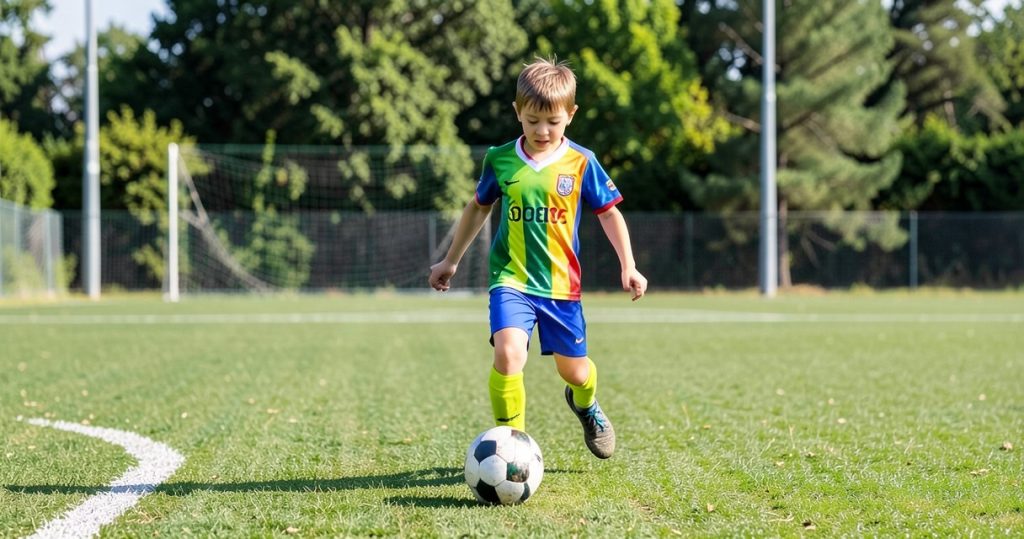
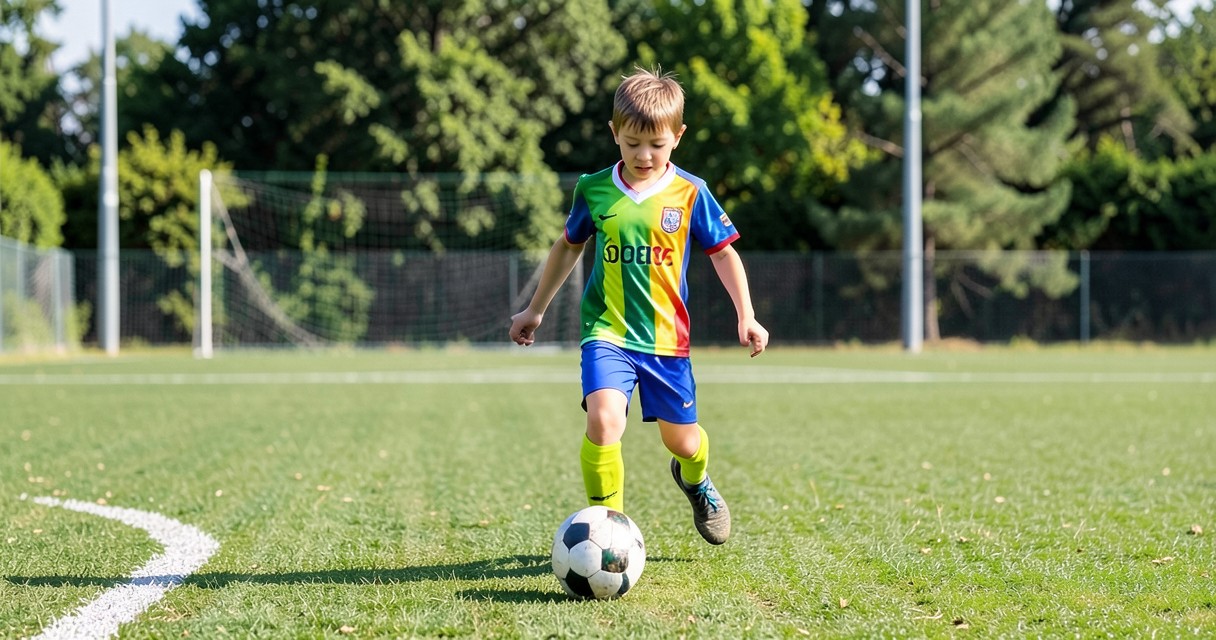
When it comes to U6 soccer drills, the primary objective is to create a fun and engaging environment for young players while teaching them the fundamental skills of the game. At this age, children are developing basic motor skills, coordination, and social interaction abilities. Hence, soccer drills for U6 players should focus on simplicity, enjoyment, and the introduction of essential concepts. This article explores various practical drills that coaches and parents can implement to foster a love for the game and develop foundational soccer skills.
Dribbling Drills for U6 Players
Dribbling is one of the core skills every young soccer player should master. A simple yet effective drill is the “Red Light, Green Light” game. In this drill, players start at one end of the field with a soccer ball at their feet. When the coach shouts “green light,” players dribble towards the opposite end. When “red light” is called, they must stop the ball immediately. This drill enhances their dribbling control and teaches them to respond quickly to commands, all while keeping the atmosphere lively and entertaining.
Another engaging activity is the “Dribble and Freeze” drill. In this exercise, players dribble around the field while music plays. When the music stops, they must freeze in place with their ball. This drill not only develops their dribbling skills but also improves their balance and awareness of their surroundings. Coaches can vary the challenge by changing the speed of the music or introducing obstacles for players to navigate while dribbling.
Passing Drills to Build Teamwork
Passing is fundamental in soccer, and it is crucial for young players to learn how to work as a team. A great drill for U6 players is the “Passing Circle.” In this activity, children form a circle and pass the ball to one another. The objective is to maintain possession without losing the ball. This drill teaches players the importance of teamwork and communication. To increase difficulty, coaches can introduce a second ball, encouraging players to focus on accuracy and timing.
Another effective passing drill is “Partner Pass.” In pairs, players stand about five to ten feet apart and pass the ball back and forth. Coaches should emphasize using the inside of the foot for accurate passing. To make it more challenging, players can increase the distance between them or add a target they must aim for. This drill not only improves passing skills but also fosters a sense of camaraderie among teammates.
Fun Shooting Drills for Young Players
Shooting is an exciting aspect of soccer, and introducing it through fun drills can keep young players engaged. The “Target Practice” drill involves setting up cones or small goals within the penalty area. Players take turns attempting to shoot the ball into the targets. This drill encourages accuracy and confidence in shooting. Coaches can add a competitive element by timing each player’s attempts or keeping score, which motivates players to improve.
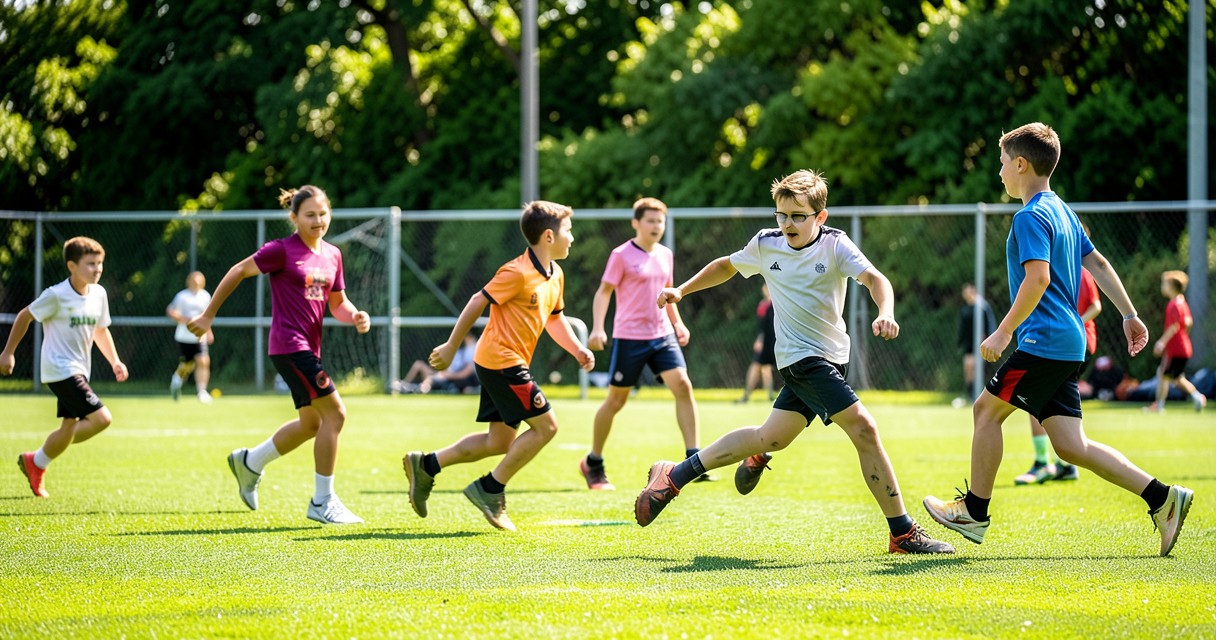
The “Shooting Relay” is another entertaining drill. Players are divided into two teams and line up behind a designated starting point. Each player takes turns dribbling towards the goal and attempting to score. After taking their shot, they run back to tag the next player in line. This relay-style drill fosters teamwork while allowing players to practice their shooting skills in a dynamic setting.
Defensive Drills to Introduce Basic Concepts
While young players are often focused on scoring goals, understanding basic defensive principles is equally important. The “Shadowing Drill” helps players learn how to position themselves defensively. In this exercise, one player acts as the attacker while another shadows them closely, trying to anticipate their moves. Coaches should emphasize maintaining a proper distance and positioning to block the attacker effectively. This drill promotes awareness and understanding of how to defend without fouling.
Another useful drill is the “1v1 Defense Challenge.” In this setup, players pair off and take turns being the attacker and defender. The attacker tries to dribble past the defender, while the defender practices staying in front and blocking their path. This drill not only builds defensive skills but also helps players develop confidence in their ability to challenge opponents. Coaches should provide feedback on positioning and timing to enhance learning.
Fun Games that Reinforce Skills
Incorporating games into practice sessions can make learning more enjoyable for U6 players. “Sharks and Minnows” is a popular game where a few players (the sharks) try to tag others (the minnows) as they dribble from one end of the field to the other. This game emphasizes dribbling, quick decision-making, and evasion skills. It also encourages players to think strategically about how to avoid being tagged while controlling the ball.
Another engaging game is “Capture the Flag,” modified for soccer. Two teams compete to retrieve flags or cones placed at the center of the field while dribbling their soccer balls. Players must work together to strategize and protect their flags while trying to capture the opponent’s. This game fosters teamwork and reinforces dribbling and passing skills in a fun, competitive environment.
Incorporating Fun and Creativity in Drills
At the U6 level, it’s essential to keep drills light-hearted and filled with creativity. Coaches can introduce themed practices, such as “Superhero Soccer,” where players can pretend to be their favorite superheroes while performing drills. This approach not only makes practice more enjoyable but also encourages imagination and enthusiasm for the game. Themed practices can include superhero-inspired dribbling courses or passing challenges that require players to “save the day” by completing tasks.
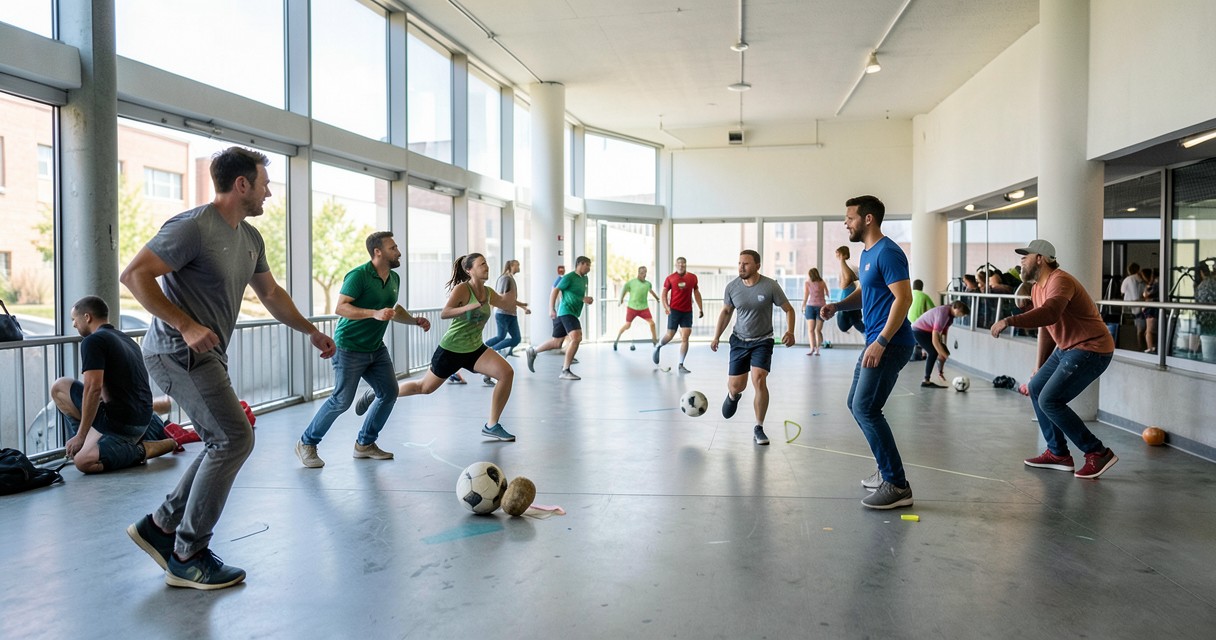
Another way to incorporate creativity is through storytelling during drills. For example, coaches can create a narrative around a drill where players are knights protecting their castle. Each successful pass or shot can be framed as a heroic act. This storytelling element can captivate young players’ attention, making them more engaged and motivated to participate actively in the drills.
Building a Positive Soccer Culture
Creating a positive and inclusive culture around soccer is vital for U6 players. Coaches should emphasize sportsmanship, teamwork, and respect for one another. Celebrating successes, no matter how small, fosters confidence and enthusiasm among players. Coaches can implement a “Player of the Week” award to recognize individual efforts and achievements, encouraging all players to strive for improvement.
Involving parents in the process can also enhance the soccer experience for young players. Coaches can organize family-friendly events, such as soccer picnics or friendly matches, to promote community and support. These gatherings allow parents to bond with their children and other families while reinforcing the values of teamwork and sportsmanship. A supportive environment not only helps players develop their skills but also nurtures a lifelong love for the game.

I’ve been playing soccer since I was a kid and love breaking down drills to help players improve. When I’m not on the pitch, I enjoy analyzing games and sharing practical tips with fellow enthusiasts.