Developing soccer skills in youth players requires a tailored approach that considers their age and developmental stage. Different age groups possess varying physical abilities, cognitive skills, and emotional maturity, making it essential to implement age-appropriate drills. This article explores effective soccer drills categorized by age group, ensuring that young athletes can improve their skills while enjoying the game.
Drills for Ages 5-8: Fundamental Skills
At this early age, the focus should be on fundamental skills such as dribbling, passing, and basic shooting. Fun and engaging activities are crucial to keep young players interested. One effective drill is the “Red Light, Green Light” game, where players dribble their soccer balls and must stop when the coach calls out “red light.” This drill enhances their ball control and reaction time while keeping the atmosphere playful. Another essential drill is the “Passing in Pairs,” where players work in pairs to pass the ball back and forth while gradually increasing the distance between them. This helps develop passing accuracy and teamwork.
Incorporating small-sided games, like 1v1 or 2v2 matches, can also greatly benefit this age group. These games encourage players to apply their skills in a game-like situation, fostering creativity and decision-making. By focusing on basic skills in a fun environment, young players build a solid foundation for their soccer journey.
Drills for Ages 9-12: Building Technique and Understanding
As players grow older, their physical and cognitive abilities develop, allowing for more complex drills. At this stage, it’s essential to focus on technique and tactical understanding. One beneficial drill is the “Four Corners Passing Drill,” where players set up in a square formation and pass the ball to each corner while moving to the next position. This drill enhances passing accuracy, movement off the ball, and communication among players.
Another effective drill is “Shadow Dribbling,” where players pair up and mirror each other’s movements while dribbling the ball. This exercise improves dribbling skills and spatial awareness. Additionally, introducing small-sided games with specific objectives, such as limiting touches or encouraging certain types of passes, can help players apply their skills in tactical situations. At this stage, fostering a deeper understanding of the game becomes paramount.
Drills for Ages 13-15: Enhancing Tactical Awareness
For players aged 13 to 15, the focus shifts towards enhancing tactical awareness and physical conditioning. This age group can handle more intense drills, such as the “Pressure, Cover, Balance” drill, where players practice defensive positioning and teamwork. In this exercise, one player applies pressure on the ball, while teammates provide cover and balance, learning to work collectively to win back possession.
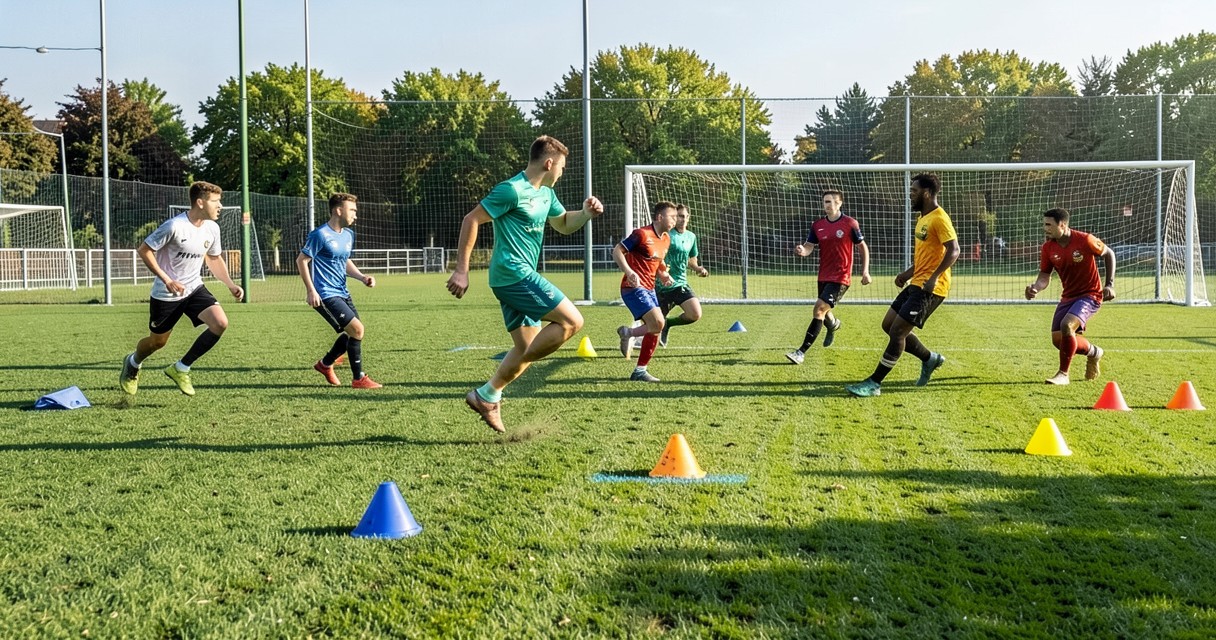
Incorporating game scenarios into practice is also essential during this phase. For example, the “Transition Game” drill allows players to practice switching between attack and defense quickly. Coaches can create scenarios where one team attacks while the other defends, emphasizing quick thinking and adaptability. By challenging players to think tactically, they develop a better understanding of game dynamics and strategies.
Drills for Ages 16-18: Advanced Skills and Conditioning
As players approach adulthood, their training should focus on refining advanced skills and improving physical fitness. Drills like the “Tiki-Taka Passing Drill,” which emphasizes quick, short passes under pressure, help players develop technical proficiency and decision-making skills. This drill encourages players to think critically about their positioning and movement, essential for higher levels of play.
Additionally, incorporating strength and conditioning exercises into training sessions is vital. Exercises such as plyometric drills and agility ladders can enhance speed and explosiveness, crucial attributes for competitive soccer. Moreover, small-sided games with specific constraints, such as limiting the number of touches or requiring a certain number of passes before scoring, can further develop players’ tactical awareness and teamwork.
Specialized Drills for Goalkeepers Across Age Groups
Goalkeepers require specialized training that focuses on unique skills necessary for their position. For younger goalkeepers (ages 5-12), simple drills such as “Catching Practice,” where players practice catching balls from various angles, are essential. These drills help build confidence and basic handling skills. As they advance, drills like “1v1 Situations” allow goalkeepers to practice their decision-making and shot-stopping abilities against attacking players.
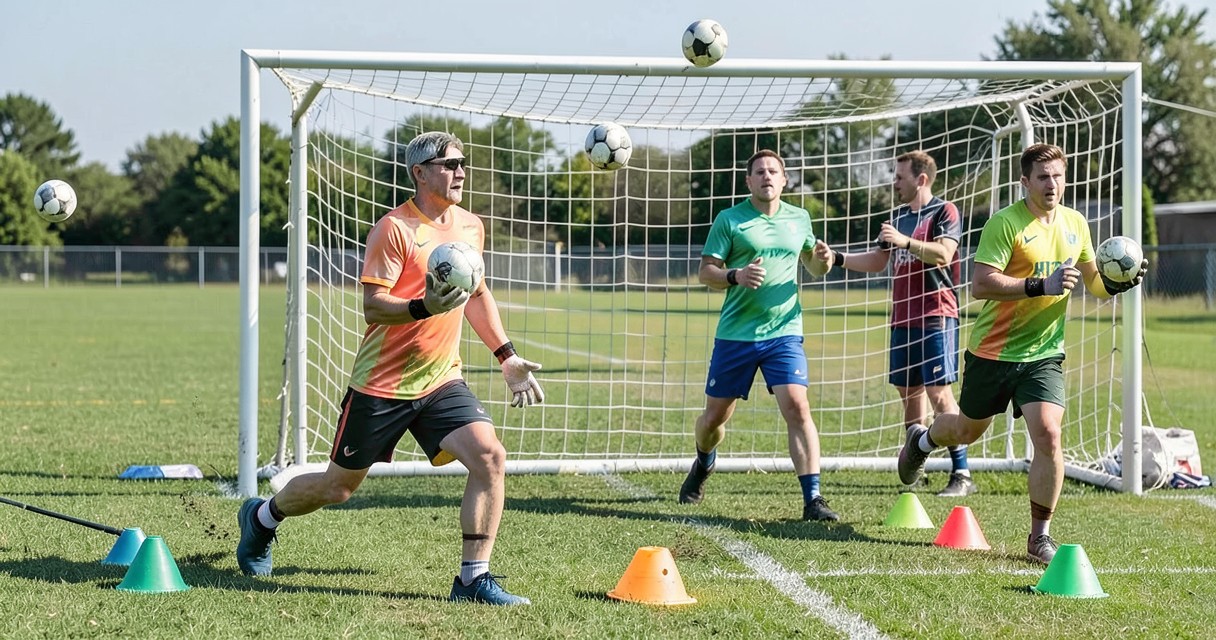
For older goalkeepers (ages 13-18), incorporating drills that simulate game scenarios is crucial. The “Crossing and Finishing Drill” allows goalkeepers to practice dealing with crosses while working with defenders. This drill focuses on positioning, communication, and shot-stopping skills in a game-like context. By tailoring goalkeeper drills to their specific age group, coaches can ensure that these players develop the necessary skills to excel in their unique roles.
Incorporating Fun and Competition in Drills
While skill development is essential, keeping practices fun and competitive can significantly enhance player engagement. Implementing games that incorporate skills learned during practice, such as “World Cup” style tournaments, can motivate players to apply their skills in a competitive environment. These games can be structured to reward teamwork and creativity, encouraging players to work together while having fun.
Additionally, setting up friendly competitions, such as dribbling relays or shooting contests, can foster a spirit of competition and camaraderie among players. By creating a positive and enjoyable training atmosphere, coaches can instill a lifelong love for the game while ensuring players are continuously developing their skills.

I’ve been playing soccer since I was a kid and love breaking down drills to help players improve. When I’m not on the pitch, I enjoy analyzing games and sharing practical tips with fellow enthusiasts.