

Transition defense is the moment when a team must flip from attack to protecting its own goal, often within seconds after losing possession. Successful squads teach players to anticipate the change, close down space, and force the opponent into low‑percentage options. Coaches who embed specific drills into their curriculum see quicker decision‑making, tighter shape, and fewer goals conceded on the break. This article breaks down the tactical foundations of transition defense and delivers three proven drill sequences that can be woven into any youth program. By the end of the session, players will understand their responsibilities, react with confidence, and communicate as a cohesive unit under pressure.
Understanding the Transition Moment
When the ball is intercepted or a forward pass is missed, the defensive team experiences a rapid shift in priorities. The first ten seconds are critical; attackers seek to exploit any gaps left by the retreating midfield. Players must recognize the visual cue of the opponent’s forward movement and instantly adjust their positioning. Training this awareness requires repetitive scenarios that mimic game speed, forcing the brain to associate a loss of possession with an immediate defensive posture. Coaches who emphasize the “first line of defense” concept help young athletes develop the instinct to sprint back and cover passing lanes before the opposition can organize.
Beyond speed, the transition moment demands clear communication. Verbal cues such as “back” or “cover” guide teammates into the correct zones, while non‑verbal signals like hand gestures reinforce the collective effort. In practice, integrating short, high‑intensity sequences that require players to shout and point builds this habit. The result is a unit that moves as a single organism, reducing the space available for the opponent and limiting the likelihood of a clean breakaway. Understanding these dynamics lays the groundwork for effective drill work.
Key Principles of Defensive Transition
The first principle is to regain a compact shape as quickly as possible. Players should aim to form a shallow line that mirrors the opponent’s attacking shape, forcing them to play the ball sideways or backward. This compactness creates a barrier that is difficult to penetrate, especially when the defending side can shift the ball laterally. Coaches can illustrate this by drawing a virtual “wall” on the field and asking defenders to keep the ball behind it at all times. The visual aid reinforces the need to stay together and prevents isolated runs from breaking through.
The second principle focuses on the timing of the press. An immediate, high press can overwhelm an opponent, but it also risks leaving space behind if the press is poorly timed. A staggered approach, where the nearest defender applies pressure while the second line drops to cover passing options, balances aggression with discipline. The third principle involves the role of the midfielders, who must transition from creating chances to providing a protective shield. By teaching these three concepts, compact shape, timed press, and midfield protection, coaches give players a clear framework to execute during live play.
Three Man Recovery Press Drill
This drill isolates the first three defenders and trains them to close down an attacker within a confined area. Set up a 20‑meter square with two cones at each end. Place three defenders inside the square and a single attacker just outside one cone. On the coach’s signal, the attacker attempts a forward pass into the square while the three defenders sprint to intercept and apply pressure. The defenders must communicate who takes the initial tackle, who covers the passing lane, and who positions for a possible rebound. Rotate the attacker after each repetition to keep the intensity high.
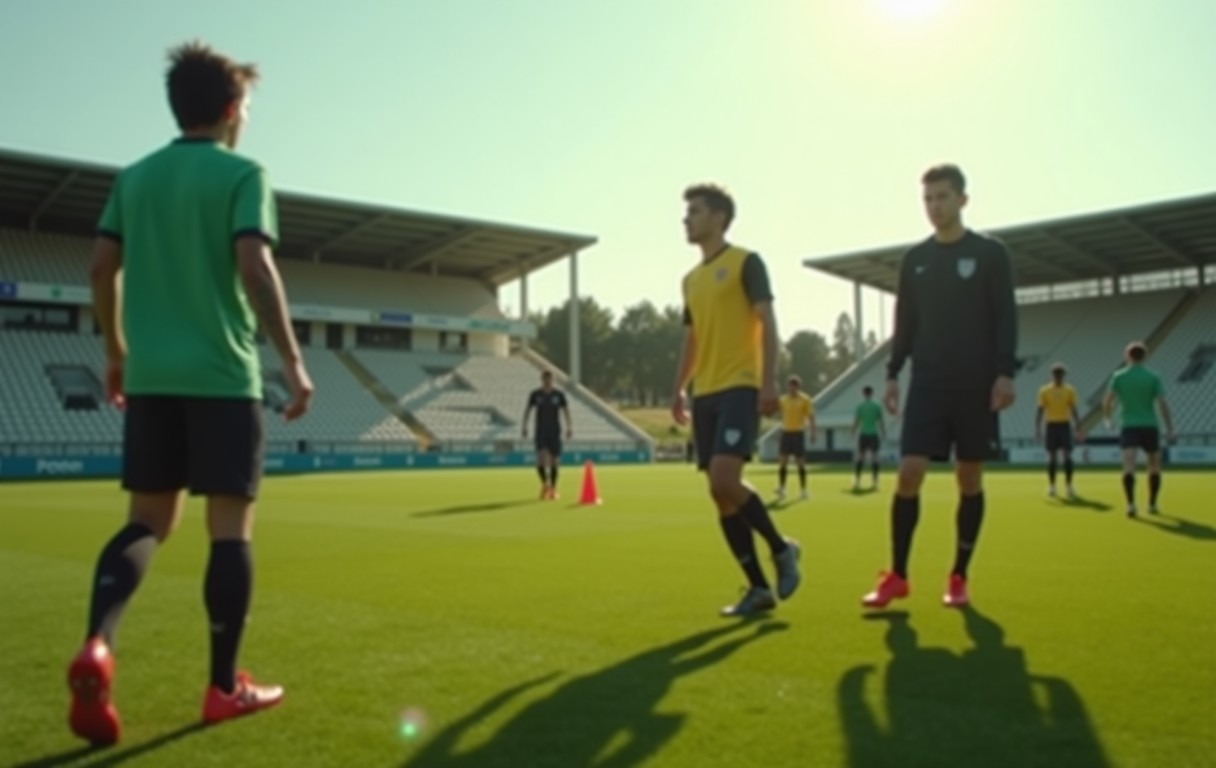
To increase difficulty, add a second attacker who receives the ball after the first pass and tries to dribble toward a goal line. The three defenders must now decide whether to press the ball carrier or drop deeper to block the shot. This variation forces players to read the situation, choose the appropriate level of pressure, and maintain their shape under duress. Coaches should observe the timing of each defender’s movement, offering corrective feedback on positioning and communication. Repeating the drill for ten minutes yields noticeable improvements in defensive cohesion.
Shadow Box Switch Drill
The Shadow Box Switch emphasizes the coordination between fullbacks and central midfielders during a quick defensive transition. Create a rectangular “shadow box” measuring 30 meters by 15 meters. Position two fullbacks on the short sides and two central midfielders on the long sides, with a striker placed just outside the box. The coach passes the ball to the striker, who then plays a long ball toward the opposite corner of the box. As soon as the ball is released, the fullbacks must sprint backward to form a defensive line while the midfielders shift laterally to cover the central channel.
Success is measured by how quickly the defensive line re‑establishes itself and whether the midfielders can block the striker’s return pass. Players should practice calling out “back” and “slide” to synchronize their movements. After a set of five repetitions, rotate the striker and the midfielders to ensure each player experiences both offensive and defensive roles. This drill reinforces the concept that fullbacks are not isolated defenders but part of a fluid unit that must adapt instantly to the ball’s location.
Counter Pressure Triangle Drill
In the Counter Pressure Triangle, three defenders form a triangular shape to apply coordinated pressure on an advancing attacker. Mark three cones in a triangle with sides of roughly 10 meters. Position a defender at each cone and a striker just outside the triangle. The striker receives a pass and attempts to dribble toward the goal, while the three defenders must close the triangle, each covering a specific angle. The defender nearest the ball initiates the press, the second defender slides to cut off the passing lane, and the third defender positions to block any backward pass.
Coaches should emphasize that the triangle must stay intact; if one defender steps out of position, the attacker can exploit the gap. To add realism, introduce a second striker who receives a cross from the side and looks for a one‑on‑one situation. The defending triangle must then decide whether to double up on the ball carrier or maintain the shape to prevent a clear shot. This drill sharpens decision‑making, teaches players to balance aggression with positional discipline, and creates a habit of collective pressure.
Integrating Drills into Weekly Training
Effective periodization blends the three drills with technical and tactical sessions throughout the week. Begin each training day with a brief warm‑up that includes dynamic stretches and short sprints, ensuring players are primed for high‑intensity work. On Monday and Wednesday, allocate 15 minutes to the Three Man Recovery Press, followed by a possession game that reinforces ball control under pressure. Tuesday and Thursday can focus on the Shadow Box Switch, pairing it with a full‑field scrimmage that highlights the transition from attack to defense.
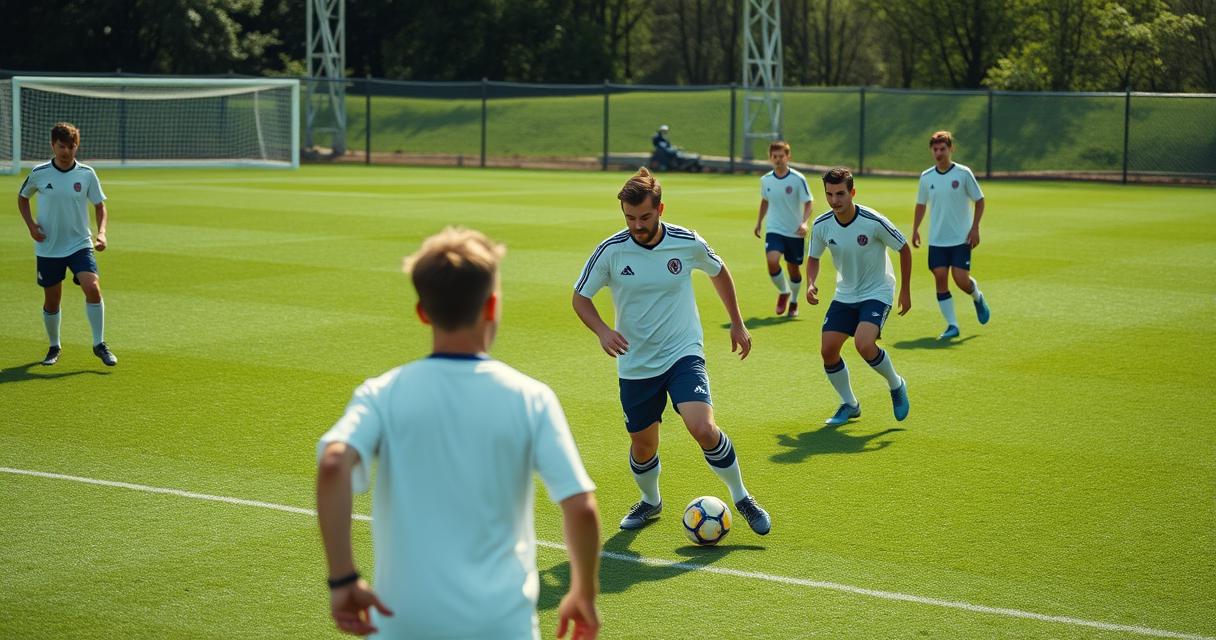
Friday’s session should feature the Counter Pressure Triangle as a capstone exercise, allowing players to apply all previously learned principles in a condensed format. Finish the week with a cool‑down that includes light jogging and stretching, plus a team discussion where players reflect on what worked and what needs improvement. By rotating the drills and embedding them within broader tactical work, coaches keep the training fresh, avoid monotony, and ensure that defensive transition becomes a natural part of the team’s rhythm.
Measuring Success and Adjusting Tactics
Quantitative metrics help coaches determine whether the transition drills are translating into better match performance. Track the number of successful presses, the time taken to re‑establish a defensive line after losing possession, and the frequency of goals conceded on the counter‑attack. Video analysis of games can highlight moments where the team either executed the drill concepts flawlessly or broke down under pressure. Use this data to adjust drill intensity, add new variations, or focus on specific communication cues that may be lacking.
Qualitative feedback from players is equally valuable. Encourage athletes to voice which aspects of the drills felt realistic and which felt artificial. Their insights often reveal subtle gaps in the training design, such as a need for more emphasis on the role of the goalkeeper during transition. By combining statistical review with player input, coaches create a feedback loop that continuously refines the defensive transition program, leading to a resilient team capable of turning defensive pressure into a strategic advantage.

I’ve been playing soccer since I was a kid and love breaking down drills to help players improve. When I’m not on the pitch, I enjoy analyzing games and sharing practical tips with fellow enthusiasts.