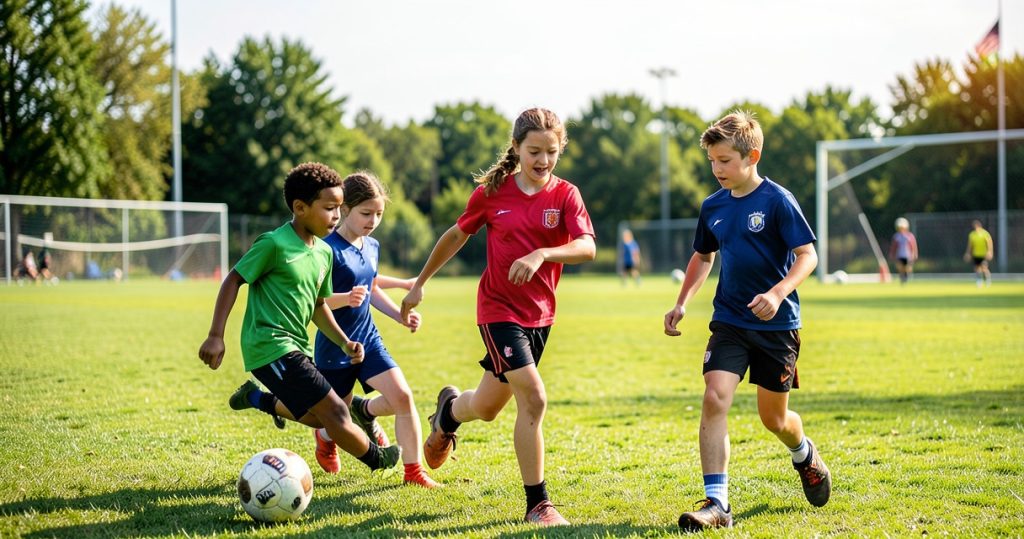
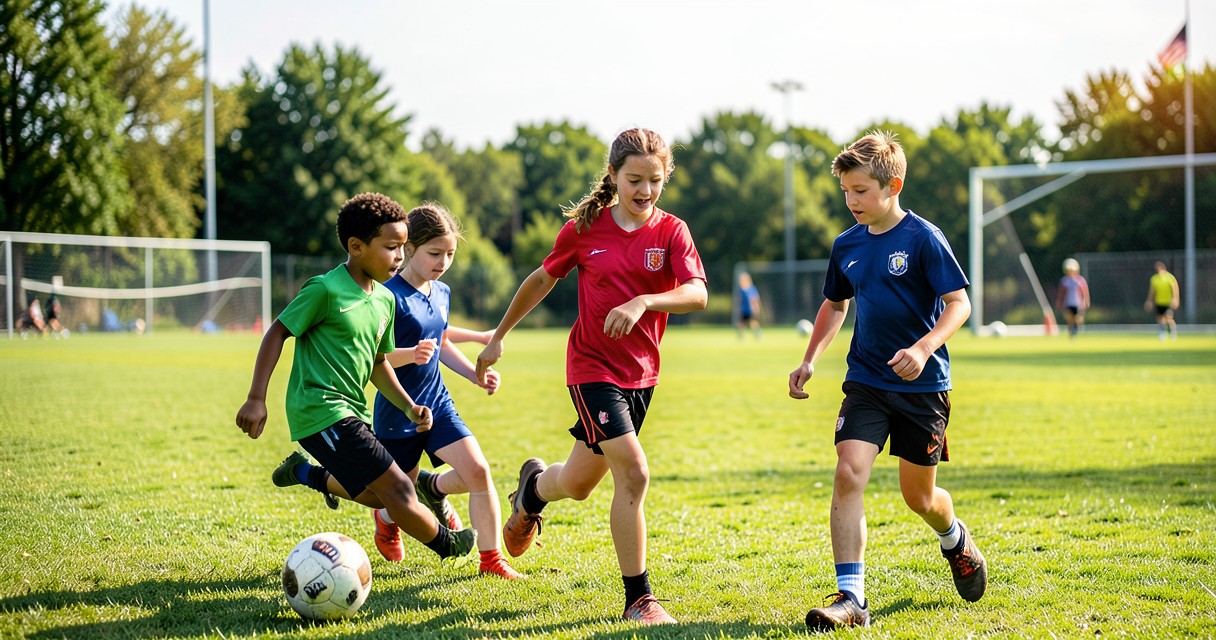
Creating an effective weekly youth soccer training plan is essential for players of all ages and skill levels. It helps to structure practice sessions, focus on specific skills, and ensure players are developing in a balanced manner. A well-designed training plan not only improves individual abilities but also enhances team dynamics and performance. This article will guide you through various components of a weekly soccer training plan, covering essential drills, physical conditioning, and mental preparation that are crucial for success on the field.
Understanding the Weekly Training Structure
A weekly soccer practice structure typically consists of several sessions spread throughout the week. This structure allows players to focus on different aspects of their game while also providing adequate recovery time. Generally, a training week can include two to three technical sessions, one tactical session, one physical conditioning day, and a rest day. The balance between these elements is vital to prevent burnout and injuries while maximizing skill development.
Each training session should last between 60 to 90 minutes, depending on the age group and intensity level. The first part of the session is often dedicated to warm-up exercises, which are crucial for preparing players physically and mentally. Following the warm-up, the focus shifts to skill development and tactical understanding, culminating in small-sided games or scrimmages that allow players to apply what they’ve learned in a game-like situation.
Technical Skill Development
Technical skills are the foundation of any youth soccer drills basics for players. Weekly training plans should include dedicated time for dribbling, passing, shooting, and ball control. For instance, a typical technical session could start with dribbling drills, such as cone weaving or one-on-one challenges, which help improve agility and ball handling. After that, players can practice passing techniques, focusing on accuracy and weight of the pass through drills like passing triangles or rondos.
Incorporating shooting drills is equally important. Players can benefit from various shooting exercises, such as finishing from different angles or practicing penalties. These drills not only enhance shooting accuracy but also build confidence in front of the goal. Lastly, incorporating a fun element, like shooting challenges or small-sided games, can keep players engaged while they refine their technical skills.
Tactical Awareness and Game Intelligence
Tactical training is essential for developing a player’s understanding of the game. This aspect of the training plan should focus on positioning, movement off the ball, and decision-making. A tactical session might involve analyzing different formations and discussing their strengths and weaknesses. Coaches can use video analysis or whiteboard sessions to illustrate concepts effectively.
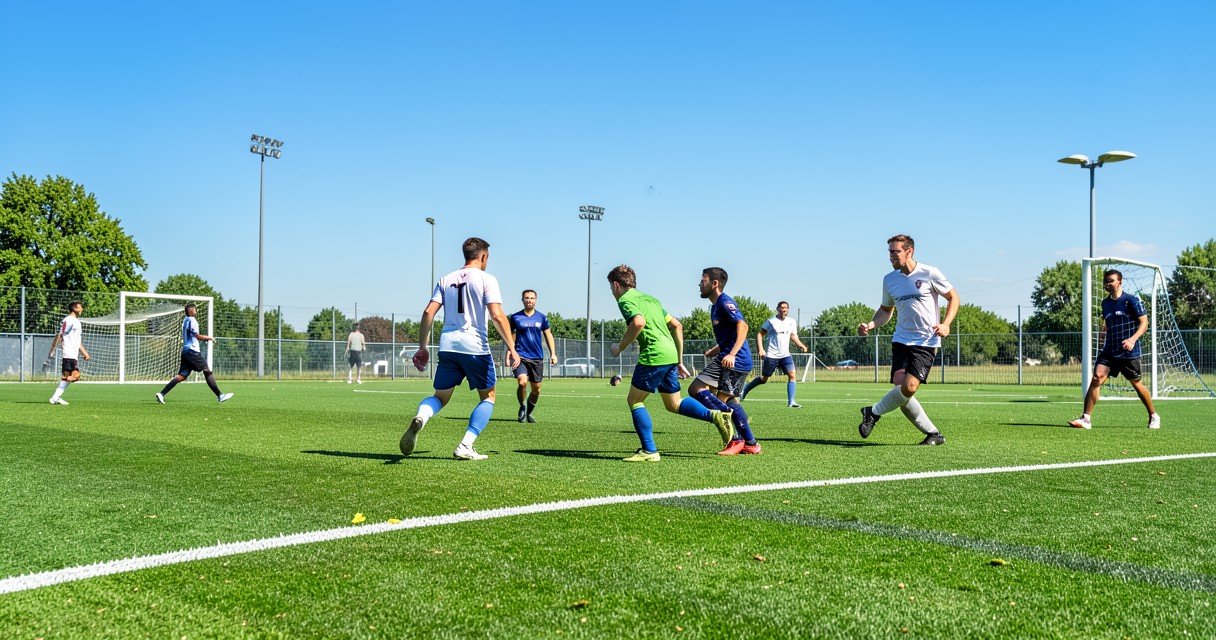
Small-sided games are particularly useful for enhancing tactical awareness. These games force players to make quick decisions, communicate with teammates, and adapt to various game scenarios. For example, a 5v5 game with specific rules, such as limiting touches or requiring a certain number of passes before scoring, can help players learn to work together and understand the tactical implications of their actions on the field.
Physical Conditioning and Fitness
Physical conditioning is a critical component of a weekly soccer training plan, including communication drills. Soccer demands a blend of endurance drills for youth soccer, strength, speed, agility. A dedicated conditioning day can focus on these elements through various exercises. For instance, interval running can improve cardiovascular fitness, while plyometric drills can enhance explosive power and speed.
Strength training should also be integrated into the weekly plan. Bodyweight exercises, such as squats, lunges, and push-ups, can be performed during training sessions. As players progress, incorporating resistance training can further develop strength, particularly for key muscle groups used in soccer. Coaches should ensure that conditioning drills are fun and engaging, allowing players to compete against themselves or their teammates.
Incorporating Recovery and Rest
Recovery is just as important as training itself. A well-structured weekly training plan must include rest days to allow players’ bodies to recuperate. Overtraining can lead to injuries and decreased performance, so coaches should emphasize the importance of rest and active recovery, such as light jogging or stretching on off days.
Additionally, incorporating recovery techniques, such as foam rolling, ice baths, or yoga, can help players maintain physical health. Educating players on proper nutrition and hydration is also vital since what they consume can significantly impact their performance and recovery. Ensuring players have access to nutritious meals and plenty of fluids can aid in their overall development and readiness for training.
Mental Preparation and Focus
Mental preparation is often overlooked when planning soccer practice but is essential for a player’s success. A strong mental game can enhance focus, reduce anxiety, and improve overall performance. Incorporating mental training techniques, such as visualization exercises or mindfulness practices, can help players develop a competitive edge.
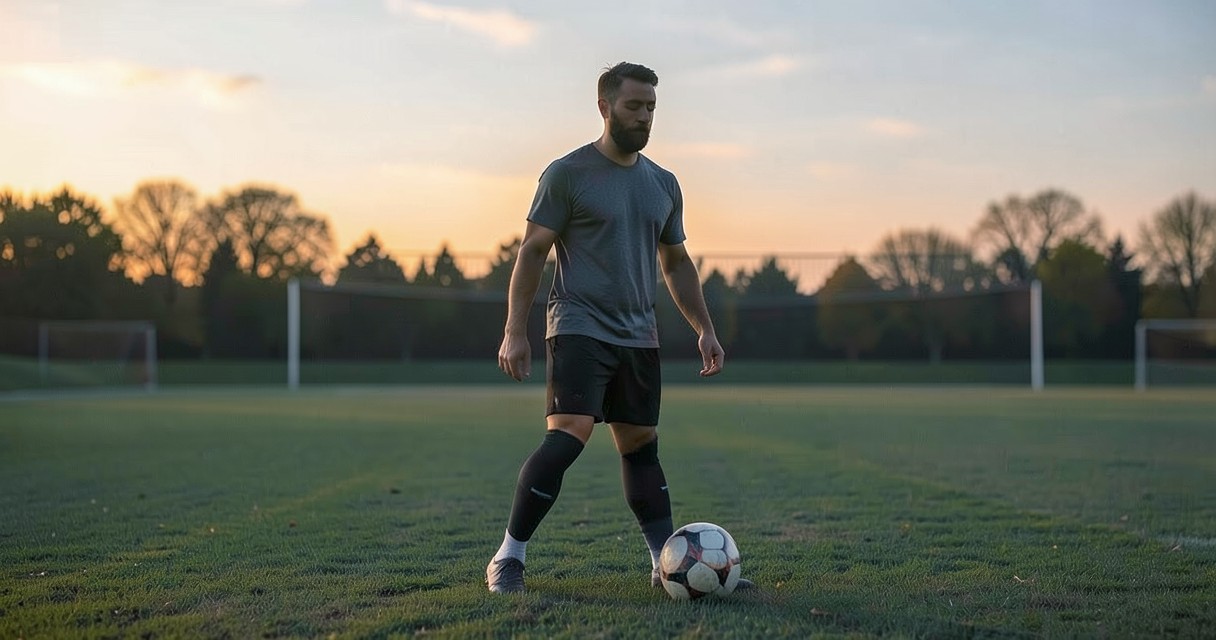
Coaches can facilitate discussions about goal setting, where players identify personal and team objectives for the season. This process encourages accountability and helps players stay motivated throughout their training. Additionally, creating a positive team culture where players support each other can further enhance their mental resilience and foster a strong sense of community.
Adapting Training Plans for Different Age Groups
When designing a weekly soccer training plan, it’s important to tailor age appropriate soccer drills to the specific age group and skill level of the players. Younger players, for instance, benefit from more playful and engaging drills that focus on fundamental skills, whereas older players can handle more complex tactical discussions and physical conditioning.
For youth players, sessions should prioritize fun, creativity, and skill development. Drills should be simplified and designed to encourage exploration and learning. As players mature, the training can become more structured, with an increased emphasis on tactics, fitness, and competitive scenarios. Understanding these differences is key to developing a training plan that meets the needs of all players.

I’ve been playing soccer since I was a kid and love breaking down drills to help players improve. When I’m not on the pitch, I enjoy analyzing games and sharing practical tips with fellow enthusiasts.