Introduction to Combination Play Drills
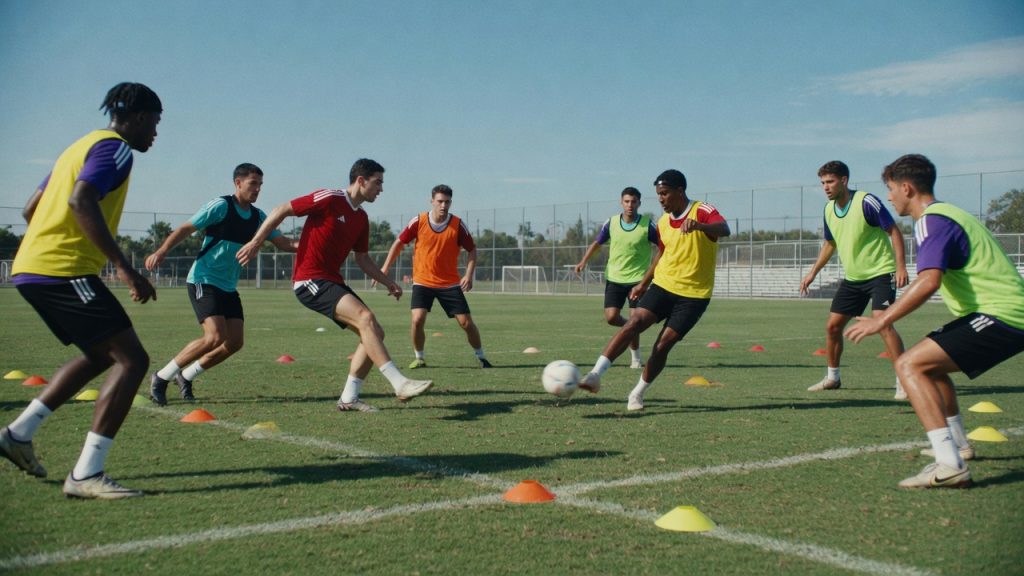
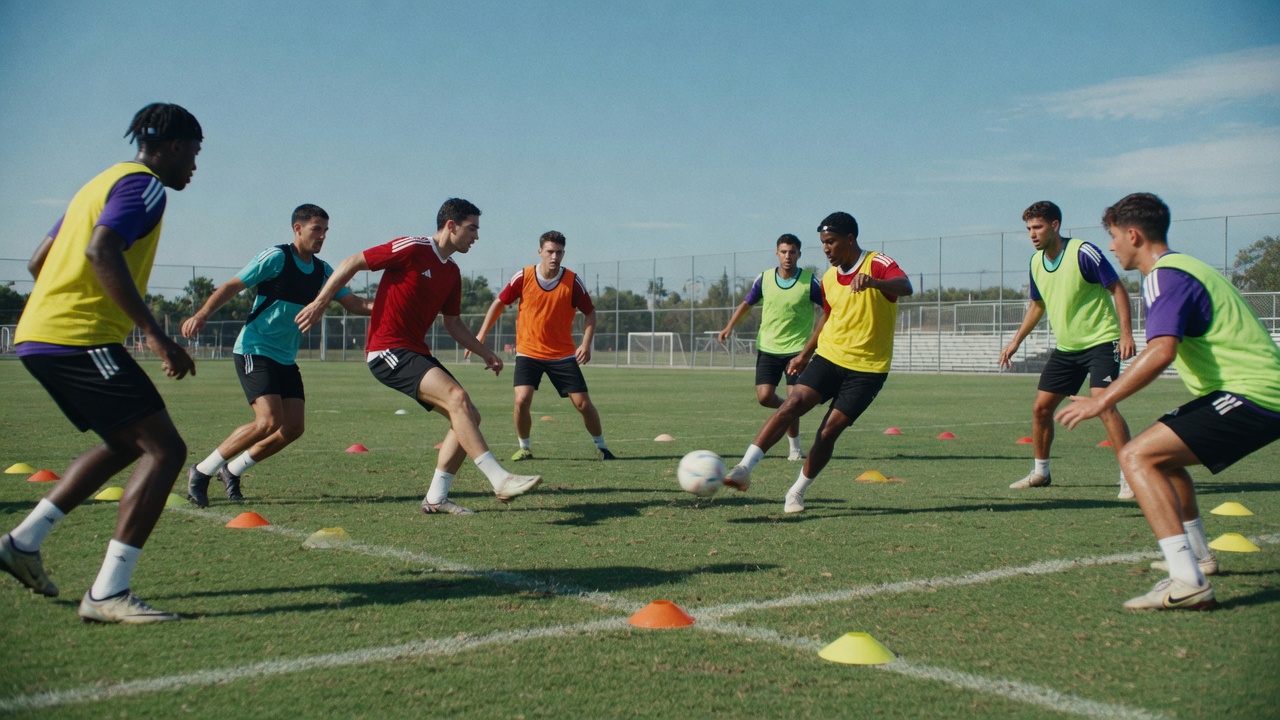
Combination play drills are fundamental exercises in soccer training basics designed to enhance a team’s ability to work together seamlessly on the field. These drills focus on developing coordinated movements and precise passing sequences among players, which ultimately leads to more effective and strategic gameplay. By practicing combination play, teams can improve their understanding of each other’s positioning, timing, and decision-making, making them more cohesive during matches.
At the heart of combination play drills lies teamwork exercises that build chemistry and mutual trust between players. These exercises encourage players to anticipate their teammates’ actions, communicate effectively, and execute quick, sharp passes under pressure. This collaborative approach helps players read the game better and adapt to dynamic situations, fostering a unified tactical mindset.
Incorporating combination play drills into soccer training basics is essential because they bridge individual skills and team strategy. While individual talent is important, soccer is inherently a team sport requiring synchronized efforts to break down defenses and maintain possession. Through repetitive practice, these drills sharpen players’ technical abilities such as passing accuracy, first touch, and movement off the ball, while simultaneously reinforcing strategic concepts like spacing and support.
Ultimately, combination play drills serve as a foundation for building a team’s offensive and defensive cohesion. Whether it’s executing quick one-twos, overlapping runs, or coordinated pressing, these drills contribute to a more intelligent and dynamic style of play. Teams that regularly train with combination play drills tend to demonstrate improved coordination, fluidity in attack, and resilience in defense, making them more competitive on all levels.
Benefits of Combination Play Drills
Combination play drills offer numerous advantages that are essential for any soccer team’s success. One of the primary benefits is the enhancement of passing accuracy. These drills require players to execute quick, precise passes under various game-like scenarios, which directly translates to improved performance during matches. As a result, players become more confident and reliable when distributing the ball on the field.

In addition to passing accuracy, combination play drills significantly improve ball control. The fast-paced nature of these exercises demands that players maintain close control and make seamless adjustments while moving. This not only sharpens their technical skills but also boosts their ability to handle tight spaces and maintain possession during intense game situations.
Another important advantage of combination play drills is their role in fostering better team chemistry. Since these drills emphasize coordinated movements and quick decision-making, players learn to anticipate each other’s actions and develop an intuitive understanding on the field. This enhanced communication and synchronization contribute to smoother gameplay and create a more cohesive unit.
Overall, integrating combination play drills into regular training sessions helps teams achieve a higher level of performance by improving essential skills such as passing accuracy and ball control while simultaneously strengthening the bonds between teammates. With these advantages in place, teams are well-equipped to execute complex tactics and maintain consistent pressure on their opponents.
Types of Combination Play Drills
When it comes to mastering the art of combination play, incorporating a variety of drill types is essential for developing seamless teamwork and tactical awareness on the pitch. Popular combination play drills often focus on quick, coordinated movements that emphasize passing accuracy, timing, and positioning. Three of the most effective drill types include wall passes, give and go drills, and overlapping runs, all of which simulate real-game scenarios and help players anticipate each other’s movements.
Wall passes, also known as one-twos, are perhaps the most basic yet impactful drill type for combination play. This drill involves two players passing the ball back and forth in quick succession with minimal touches. For example, Player A passes to Player B and immediately makes a forward run past them, receiving the return pass to exploit space behind defenders. This drill sharpens timing and encourages players to move off the ball intelligently. It is especially useful for improving close control and quick decision-making in tight spaces.
Give and go drills build upon the principles of wall passes but add an element of complexity by involving more movement and spatial awareness. In this drill type, Player A passes to Player B and immediately moves into space to receive a return pass, forcing defenders to react quickly. Coaches often set up cones or small goals to designate passing lanes and target zones, helping players refine their understanding of creating and exploiting passing opportunities. The give and go drill enhances communication and encourages players to think ahead, anticipating their teammate’s runs and adjusting their positioning accordingly.
Overlapping runs are another critical drill type that focuses on dynamic off-the-ball movement to create numerical advantages in attacking situations. In these drills, one player runs around the outside of a teammate who has the ball, providing an additional passing option and confusing defenders. For example, a winger might pass inside to a midfielder then sprint past them on the outside to receive a through ball. Practicing overlapping runs helps players develop timing, awareness, and coordination, crucial for breaking down compact defenses and maintaining fluid offensive play.
Integrating these drill types—wall passes, give and go, and overlapping runs—into regular training sessions ensures players not only improve their technical skills but also their understanding of tactical combination play. Each drill encourages quick thinking, precise passing, and effective movement, all contributing to a stronger, more cohesive team performance.
Wall Pass Drills
Wall pass drills are essential for developing quick passing abilities and enhancing movement off the ball. Often called one-two passes, this technique involves two players working closely together to execute a rapid exchange that breaks through defensive lines. To perform a basic wall pass drill, start by positioning two players about 5 to 10 yards apart near a wall or rebound board.
The first player passes the ball against the wall and immediately makes a forward run past their partner. As the ball bounces back, the second player quickly plays a one-two pass by returning the ball to the advancing teammate, allowing continuous movement and maintaining possession. This quick passing sequence trains players to time their runs precisely and react swiftly to the ball.
To maximize the benefits of wall pass drills, players should focus on sharp, controlled passes and sharp changes in direction after each pass. Incorporating combinations such as one-twos into these drills improves not only the speed of passing but also develops better communication and anticipation among teammates. Practicing these drills regularly fosters confidence and agility in tight spaces during competitive match play.
Give and Go Drills
Give and go drills are essential for improving off-the-ball movement and mastering passing combinations. These drills focus on the quick exchange of the ball between players, followed by a sharp run into space to receive a return pass. The key elements of successful give and go play include precise timing, clear communication, and intelligent movement, which collectively create valuable scoring opportunities.
Timing is crucial in give and go drills. The player passing the ball must coordinate their pass with the teammate’s run, ensuring the ball is delivered just as the runner breaks free from their defender. This split-second synchronization disrupts defensive lines and opens up space for effective attacking plays.
Effective communication is equally important. Players must use verbal cues or eye contact to signal their intentions, helping teammates anticipate movements and passes. This interaction enhances the fluidity of passing combinations and minimizes errors, allowing the team to maintain offensive momentum.
Movement off the ball is a defining characteristic of give and go drills. Players learn to read the game, identify gaps, and make sharp runs after their initial pass. This dynamic interplay not only keeps defenders unsettled but also significantly increases the chances of creating clear scoring opportunities.
Tips for Effective Combination Play Drills
Maximizing the benefits of combination play drills requires thoughtful training tips that focus on consistent execution and clear objectives. To ensure drill success, it is crucial to begin each practice session with a clear understanding of the intended outcomes. Setting specific goals, such as improving passing accuracy or enhancing player positioning, helps athletes remain focused throughout the drill.
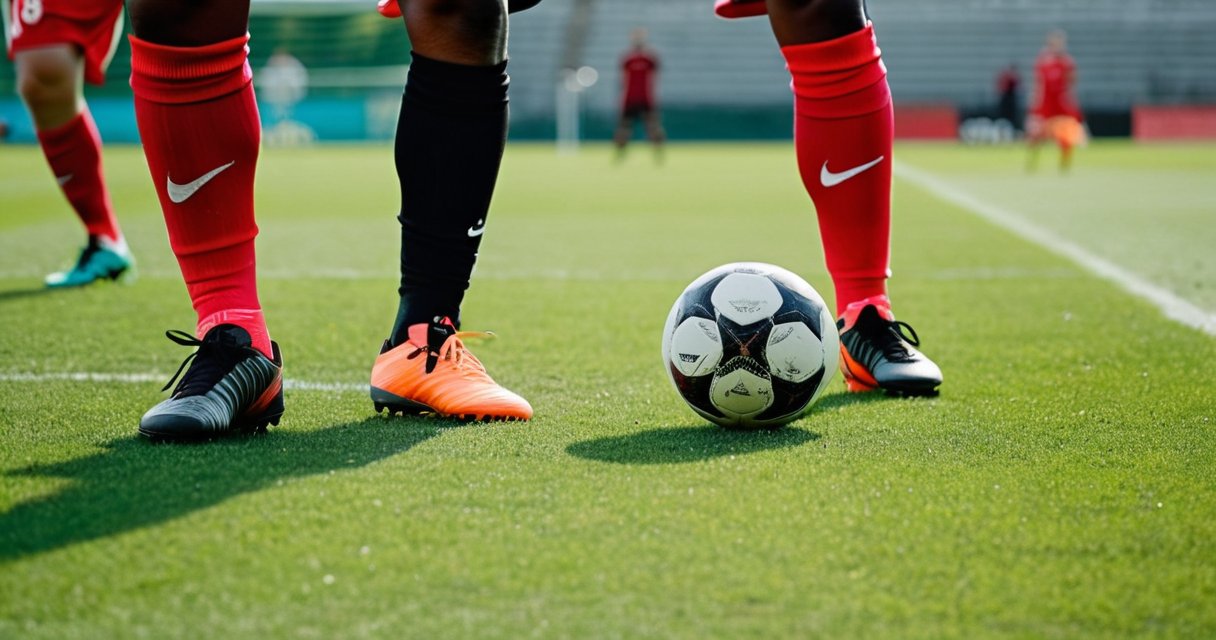
Another vital aspect of effective combination play drills is maintaining a controlled environment that emphasizes quality over quantity. Avoid rushing through repetitions; instead, prioritize precise movements and accurate decision-making. This approach ensures players internalize the correct techniques and learn to anticipate their teammates’ actions, which strengthens overall teamwork.
Integrating varied practice techniques can also boost the effectiveness of your drills. For example, incorporating pressure scenarios or limiting touches forces players to think quickly and execute under realistic game conditions. This method not only sharpens technical skills but also enhances cognitive abilities related to spatial awareness and timing.
Communication plays a key role in any combination play drill. Encouraging players to verbalize their intentions and call for the ball builds trust and improves coordination on the field. Coaches can facilitate this by designing drills that reward clear communication and penalize hesitation or confusion.
Finally, regular feedback during practice sessions is essential for continuous improvement. Coaches should observe closely and provide constructive comments focused on both strengths and areas needing refinement. Combining this with video analysis can offer players a more comprehensive understanding of their performance and accelerate skill development.
By applying these training tips and focusing on effective practice techniques, teams can significantly increase the success rate of their combination play drills. Consistent effort and deliberate practice cultivate the technical sharpness and teamwork necessary for high-level performance in any competitive environment.

I’ve been playing soccer since I was a kid and love breaking down drills to help players improve. When I’m not on the pitch, I enjoy analyzing games and sharing practical tips with fellow enthusiasts.