Understanding U12 Soccer Drills
U12 soccer drills are a critical component of youth soccer training, focusing on players aged 11 to 12 years old. At this stage, players are transitioning from basic skills to more advanced techniques and tactical understanding. Coaches aim to develop technical abilities, tactical awareness, and teamwork, which are essential for players to thrive in competitive environments. The drills should be engaging and age-appropriate, ensuring that young athletes remain excited about the game while also improving their skills. Effective U12 soccer drills balance skill development with fun to foster a love for the sport.
Key Technical Skills to Focus On
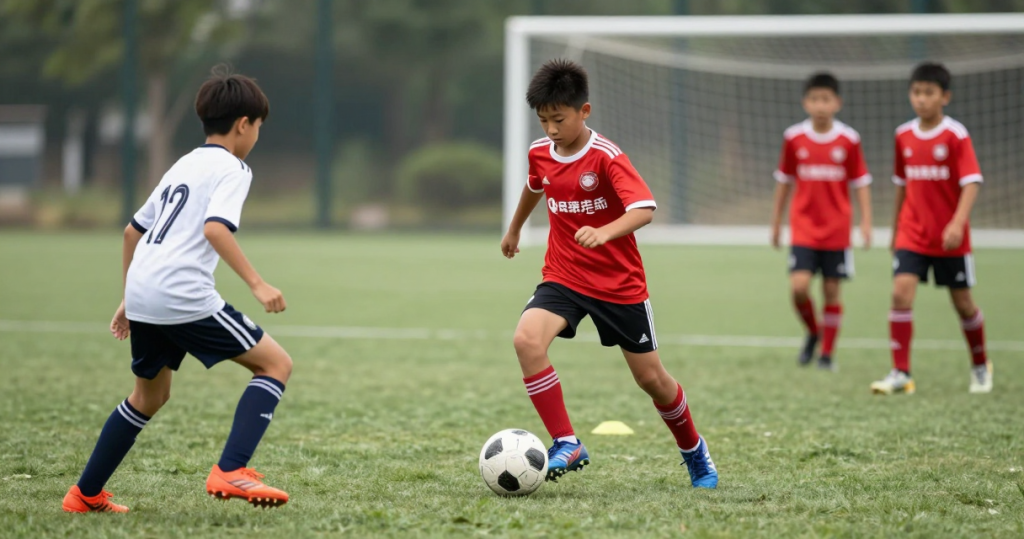
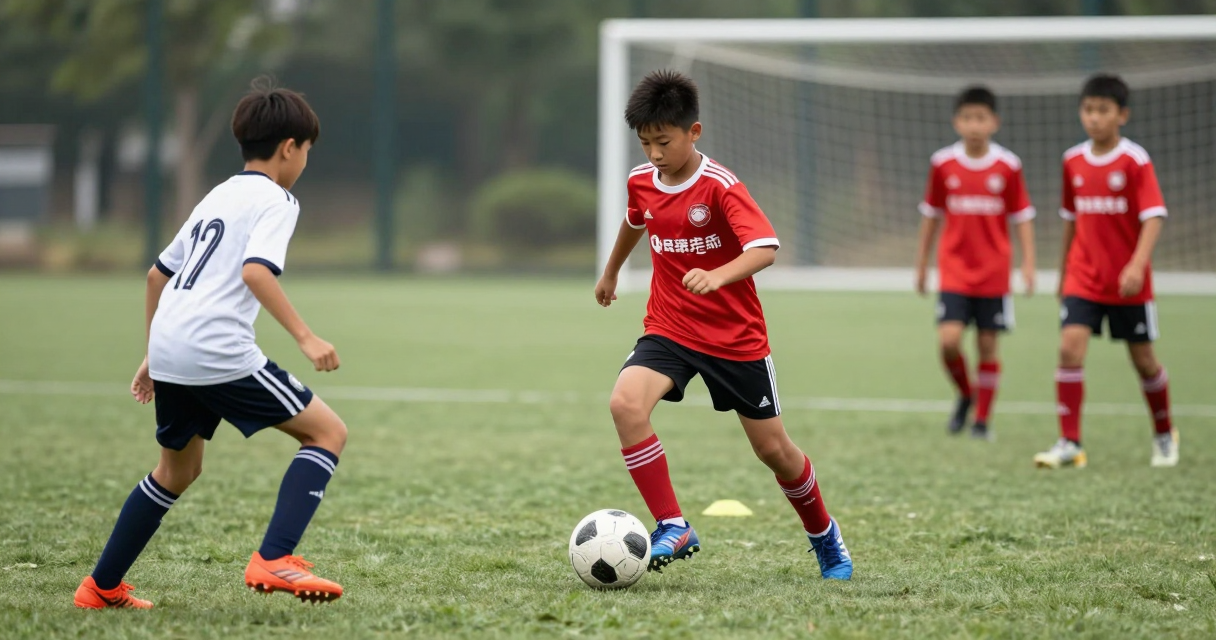
When designing U12 soccer drills, it is essential to concentrate on key technical skills that form the foundation of a player’s development. Dribbling, passing, shooting, and ball control are critical areas that should be emphasized. For example, dribbling drills can incorporate cone patterns to improve agility and ball handling under pressure. Passing drills can focus on accuracy and timing, using targets to help players learn to deliver the ball effectively. Additionally, shooting drills should encourage players to practice different types of shots from various angles, developing their finishing skills and confidence in front of goal.
Game-Like Situations and Tactical Awareness
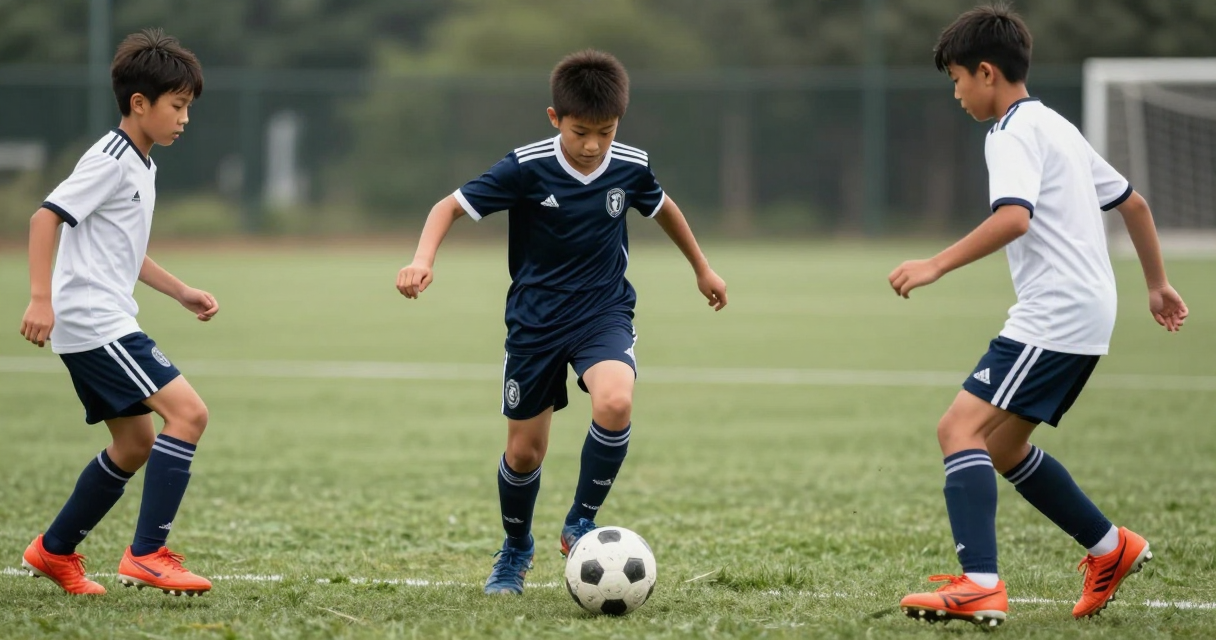
Integrating game-like situations into U12 soccer drills is crucial for developing tactical awareness. Small-sided games, such as 3v3 or 4v4, allow players to apply technical skills in a competitive context while promoting teamwork and communication. These drills can simulate various game scenarios, helping players understand positioning, movement off the ball, and decision-making under pressure. For instance, a drill that requires players to maintain possession while trying to score encourages them to think strategically about space and teamwork, essential elements for success in soccer.
Incorporating Fitness and Agility Training
Fitness and agility are vital components of U12 soccer drills, as they help young athletes enhance their overall performance on the field. Incorporating agility ladders, cones, and hurdles into training sessions can improve players’ speed, coordination, and balance. For example, a ladder drill can focus on quick footwork, while cone drills can enhance lateral movement and acceleration. These fitness-focused drills should be fun and competitive, such as relay races, to keep players engaged while building their physical capabilities.
Emphasizing Teamwork and Communication
U12 soccer drills should also emphasize the importance of teamwork and communication. Players at this age are beginning to understand their roles within a team and how to work together effectively. Drills that require players to pass and move, create space, or defend as a unit can enhance their understanding of team dynamics. For instance, a passing drill that requires players to communicate and make quick decisions can help build trust and cooperation among teammates. Encouraging players to vocalize their intentions during drills fosters a culture of communication that is vital during actual games.
Creating a Positive Learning Environment
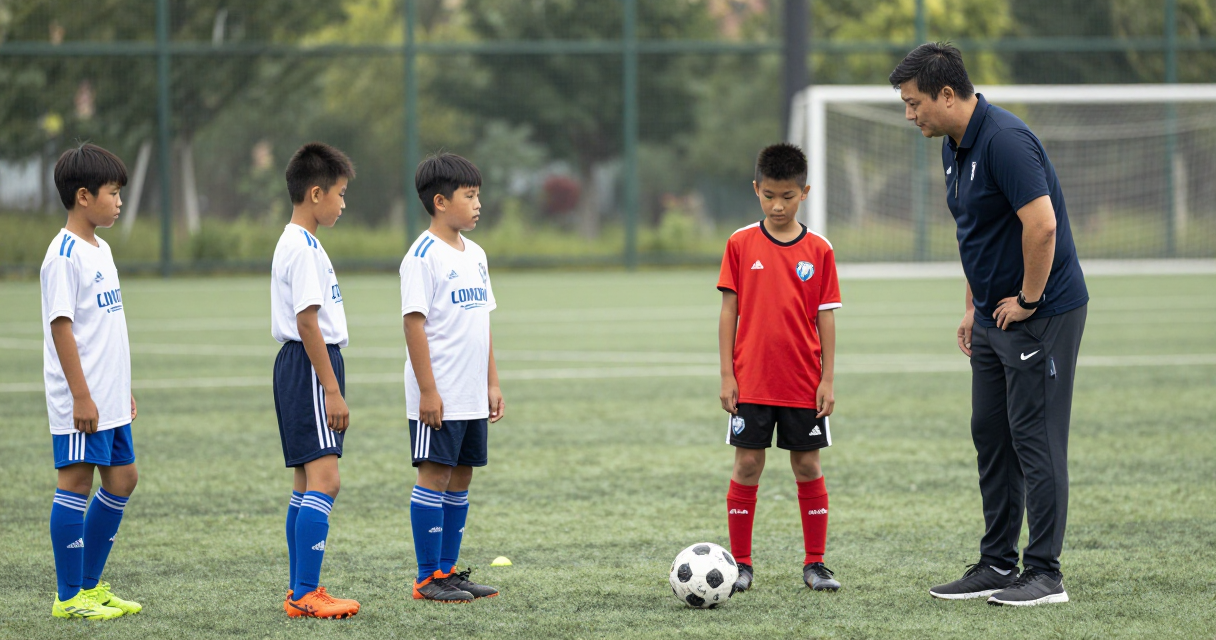
Establishing a positive learning environment is essential for effective U12 soccer drills. Coaches should focus on building players’ confidence by providing constructive feedback and celebrating their achievements, regardless of how small. Encouraging a growth mindset helps players understand that mistakes are a natural part of learning. Drills should be structured to allow for success, gradually increasing difficulty as players improve. This approach not only makes training enjoyable but also motivates players to push their limits and strive for continuous improvement.
Engaging Parents and Guardians
Involving parents and guardians in the training process can enhance the experience for U12 players. Communication with parents about the goals of specific drills and the skills being developed can foster a supportive environment. Encouraging parents to attend training sessions or games not only boosts players’ morale but also strengthens the community around the team. Providing information on how parents can support their children’s development at home, such as practicing skills or attending games, can further enhance the overall training experience.
Evaluating Progress and Setting Goals
Regular evaluation of player progress is crucial in U12 soccer drills. Coaches should assess individual skills and overall team performance to identify areas for improvement. Setting specific, measurable goals for players can help them focus on their development and track their progress over time. For example, a player may aim to improve their passing accuracy by practicing specific drills during training. Incorporating periodic assessments can also motivate players to take ownership of their development and strive to reach their targets.

I’ve been playing soccer since I was a kid and love breaking down drills to help players improve. When I’m not on the pitch, I enjoy analyzing games and sharing practical tips with fellow enthusiasts.