Understanding U14 Soccer Drills
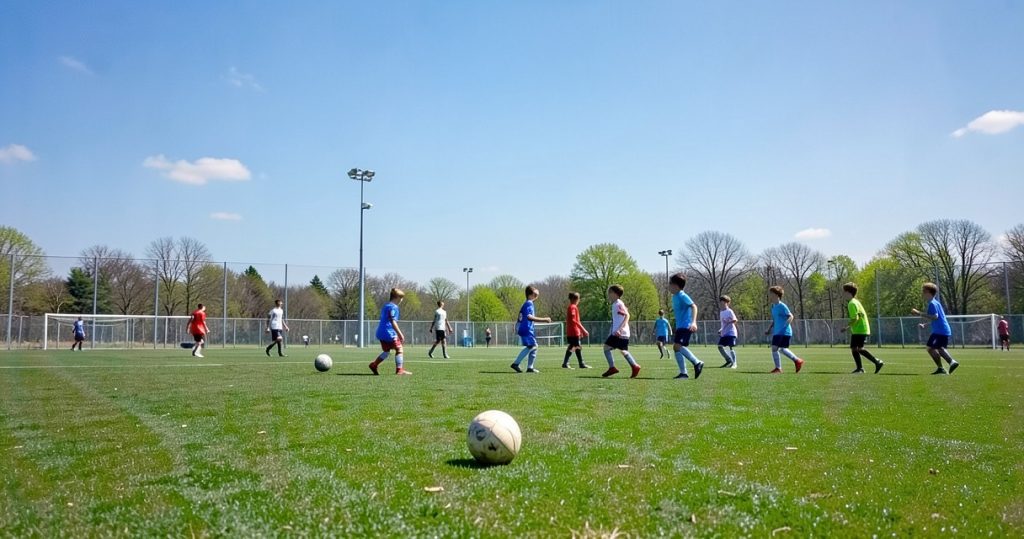
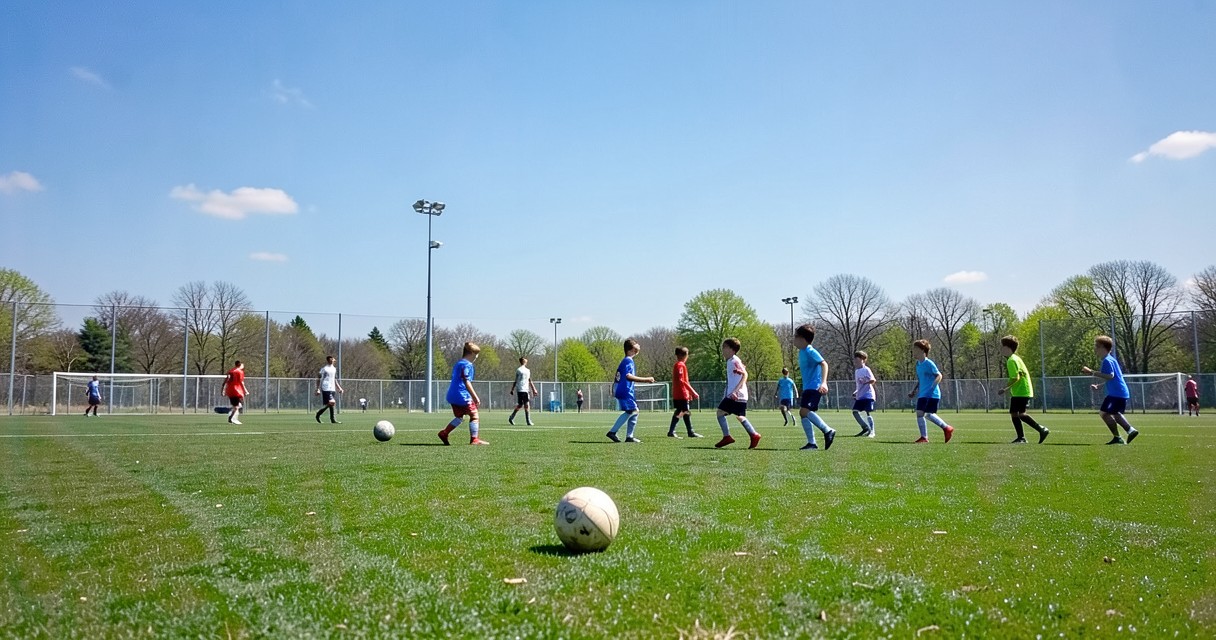
Soccer drills for U14 players are crucial for developing both individual skills and team dynamics. At this age, players are transitioning from basic understanding to more advanced tactics and techniques. Training sessions should focus on enhancing technical abilities, improving tactical understanding, and fostering physical fitness. Coaches play a vital role by designing drills that not only challenge players but also keep them engaged and motivated. The right mix of fun and competition can significantly enhance player development while ensuring they enjoy the game.
Technical Skill Development Drills
Technical skills are the foundation of a successful soccer player. Drills that focus on ball control, passing accuracy, and shooting are essential for U14 players. One effective drill is the “Triangle Passing Drill,” where three players form a triangle and pass the ball to each other. This drill emphasizes quick decision-making and accurate passing. Coaches can increase the challenge by introducing movement patterns or limiting touches, which encourages players to think on their feet and enhance their spatial awareness.
Another excellent drill is the “Dribbling Relay.” In this activity, players are divided into teams and race while dribbling the ball through a series of cones. This drill not only improves dribbling skills but also helps players develop speed and agility. Coaches should emphasize maintaining control of the ball while navigating through obstacles, as this simulates real-game scenarios where players must maneuver around opponents.
Tactical Awareness and Game Understanding
As U14 players grow, understanding game tactics becomes increasingly important. Drills that promote tactical awareness can significantly enhance a player’s ability to read the game. One effective drill is the “Small-Sided Game,” where teams of four or five play on a smaller field. This format encourages players to make quick decisions, communicate effectively, and understand positioning. Coaches can modify rules to emphasize specific tactical concepts, such as pressing or maintaining possession, making the drill relevant to real match situations.
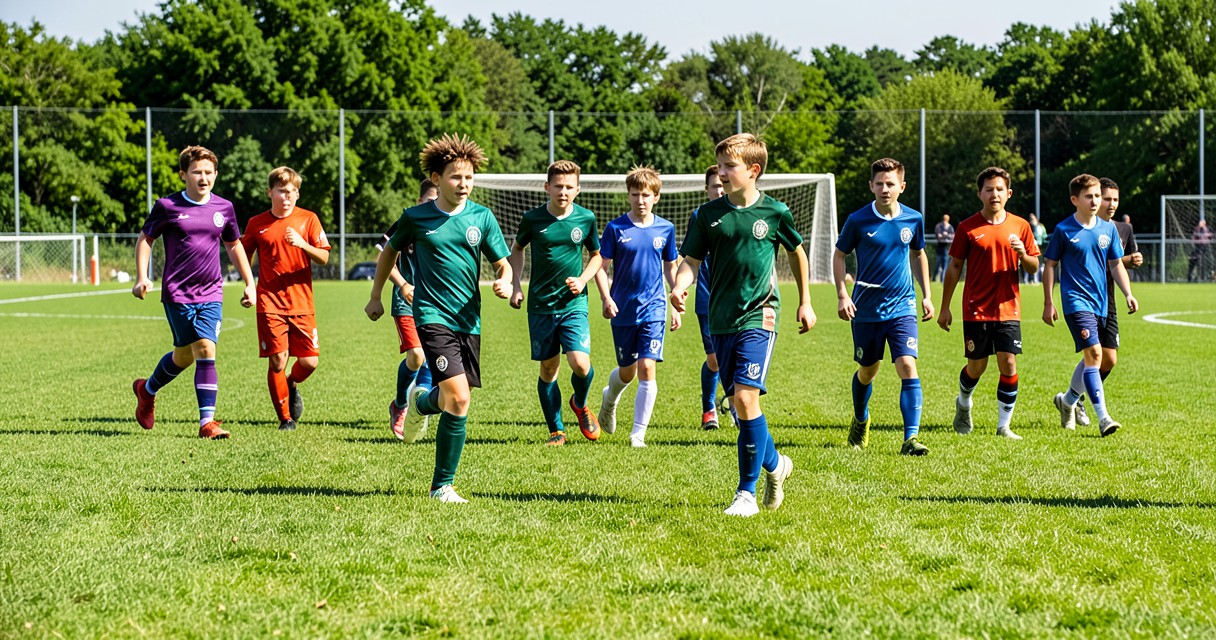
The “4v4 with Target Players” drill is also beneficial. In this setup, two teams of four play while two neutral players (target players) are positioned on the sidelines. These target players can only enter the field when their team has possession, creating an extra layer of tactical complexity. This drill encourages players to think strategically about when to pass and where to position themselves, reinforcing the importance of teamwork and communication.
Physical Fitness and Conditioning Drills
Physical fitness is a key component of soccer performance, especially for U14 players who are still developing their athletic capabilities. Incorporating conditioning drills into training sessions is essential. One effective drill is the “Interval Sprint Drill,” where players sprint for short distances followed by a brief recovery period. This drill mimics the stop-and-start nature of soccer, helping players improve their speed and endurance. Coaches should monitor players’ intensity levels to ensure they are pushing themselves without risking injury.
Another valuable exercise is the “Agility Ladder Drill.” By using an agility ladder, players can work on foot speed, coordination, and balance. Coaches can create various patterns for players to follow, focusing on quick foot movements and maintaining control of their body. This drill not only enhances physical fitness but also translates to better performance on the field, as players become more agile and responsive during matches.
Teamwork and Communication Drills
Building teamwork and communication skills is vital for U14 players. One effective drill is the “Four Corners Game,” where players are divided into four groups positioned at each corner of a grid. Coaches call out a corner, and the players from that corner must pass the ball to one another while moving to a new corner. This drill emphasizes communication and requires players to work together to achieve a common goal. It also encourages players to develop a sense of spatial awareness as they navigate the grid.
The “Pass and Move Drill” is another excellent way to enhance teamwork. In this drill, players pass the ball to a teammate and immediately move to a new position to receive a return pass. This continuous movement encourages players to communicate effectively and understand the importance of creating space on the field. Coaches should stress the significance of timing and awareness, as these skills are crucial for successful teamwork in matches.
Incorporating Fun into Drills
While skill development is essential, including fun elements in training sessions can significantly boost player engagement. One way to do this is by using games like “Sharks and Minnows,” where one team (the sharks) tries to tag the other team (the minnows) while they dribble the ball. This drill not only enhances dribbling skills but also adds an element of excitement and competition. Players are more likely to stay focused and motivated when they enjoy the training environment.
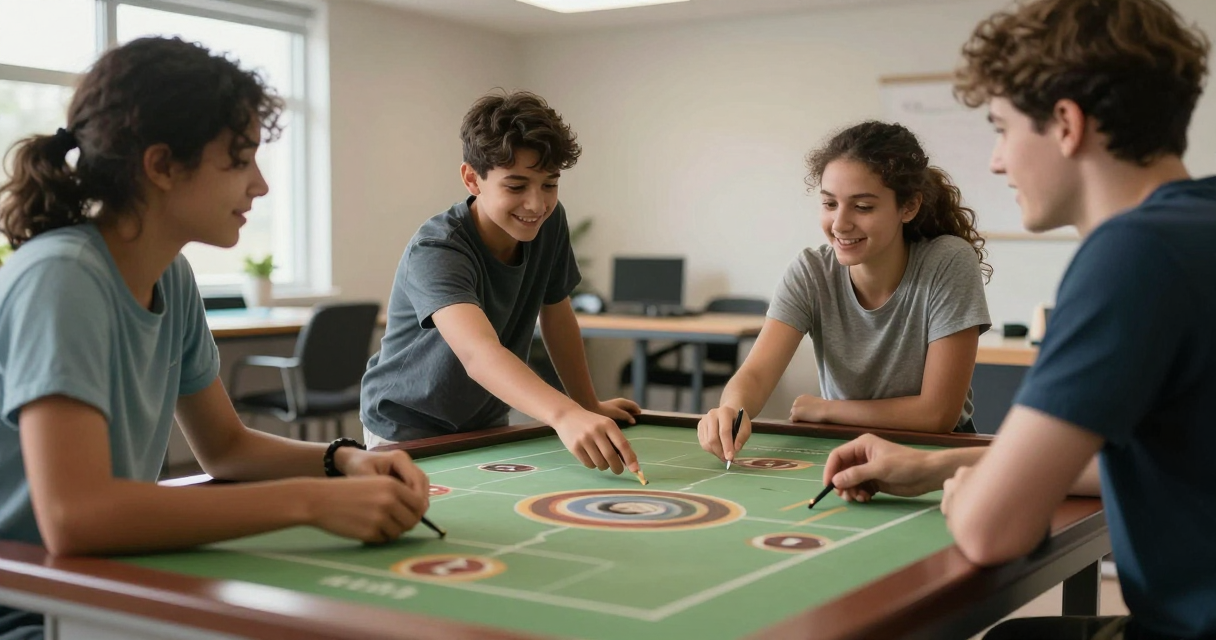
Another fun drill is the “World Cup Tournament,” where players are divided into teams and compete in mini-matches. This format allows players to apply the skills they have learned in a competitive setting while fostering a sense of camaraderie. Coaches can introduce prizes for the winning team, further motivating players to give their best effort. Incorporating elements of fun into drills helps create a positive atmosphere that encourages players to develop both their skills and love for the game.
Monitoring Progress and Providing Feedback
Monitoring player progress is essential for effective training. Coaches should regularly assess individual skills and team dynamics to tailor drills accordingly. Keeping track of players’ improvements can be done through informal observations during practice or more structured assessments like skill tests. This ongoing evaluation helps coaches identify areas where players may need additional support or challenges, ensuring that training remains relevant and effective.
Providing constructive feedback is equally important. Coaches should focus on specific aspects of a player’s performance, offering praise for strengths while addressing areas for improvement. This approach fosters a growth mindset, encouraging players to view challenges as opportunities for development rather than setbacks. Regular feedback sessions can empower players, helping them understand their role within the team and motivating them to strive for continuous improvement.

I’ve been playing soccer since I was a kid and love breaking down drills to help players improve. When I’m not on the pitch, I enjoy analyzing games and sharing practical tips with fellow enthusiasts.