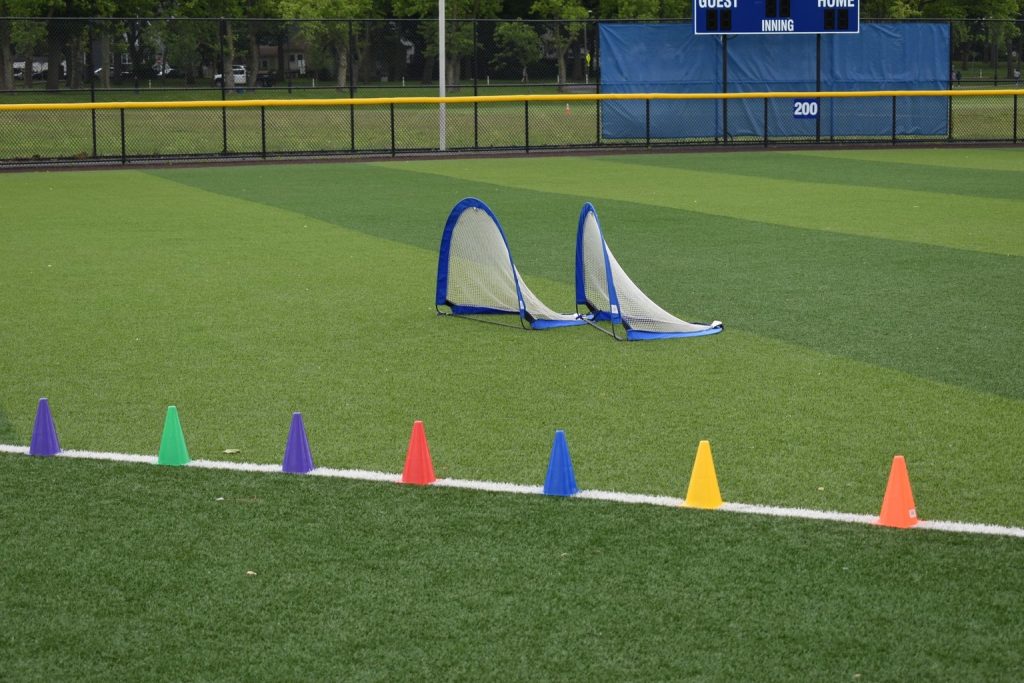
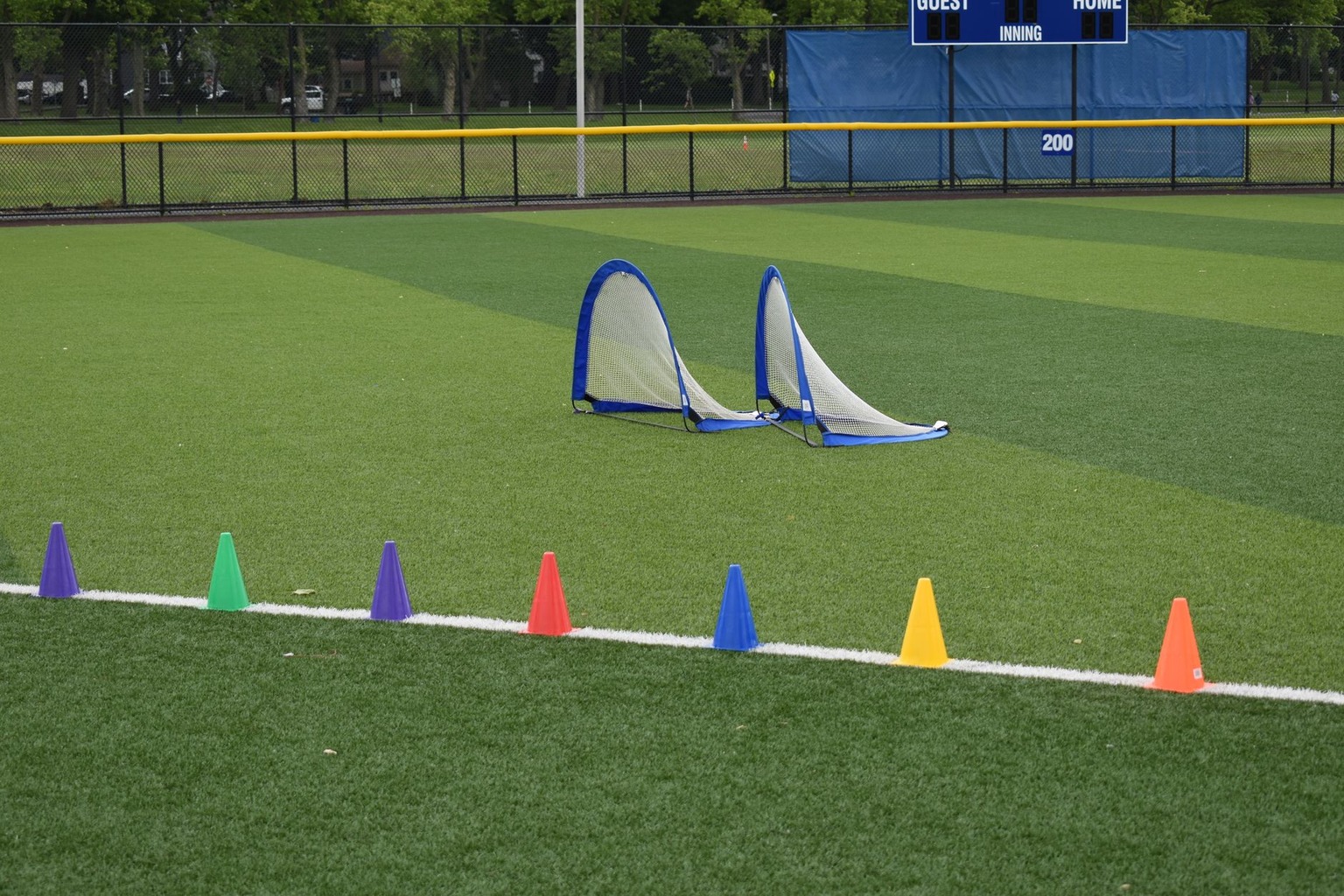
Training a goalkeeper requires a fundamentally different methodology than coaching outfield players because the position demands a unique blend of explosive athleticism, precise technical execution, and advanced cognitive processing under extreme pressure. Unlike a striker who can miss nine chances and score the winner, a single lapse in concentration or a technical flaw in handling often decides the match result immediately. Effective goalkeeper development builds a hierarchy of skills starting with basic handling and footwork before progressing to complex decision-making scenarios that simulate the chaos of a live game. The following seven drills represent a progressive curriculum used by professional academies to develop shot-stopping reflexes and intelligent positioning, moving from isolated technique to game-realistic pressure.
The Neuro-Cognitive Foundation of the Ready Position
The ready position acts as the goalkeeper’s operating system because every save originates from this static posture, yet most youth coaches treat it as a passive stance rather than an active neurological trigger. A proper stance places the feet slightly wider than shoulder-width with weight distributed on the balls of the feet, knees flexed at roughly 120 degrees, and hands presented at hip height with palms facing the ball to maximize peripheral vision of the hands. The critical variable often missed is head position: the chin must remain tucked over the toes to keep the center of gravity forward, preventing the common youth error of falling backward on low driven shots. Coaches should drill this statically for ninety seconds at a time, randomly calling “shot” to force an immediate micro-adjustment, training the nervous system to fire the stretch-shortening cycle in the quadriceps and calves without conscious thought. This isometric endurance work builds the postural fatigue resistance needed to maintain technique in the seventy-fifth minute when lactic acid accumulation degrades form.
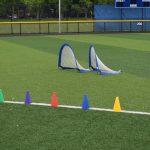
Progressing from static holds, the “Mirror Drill” introduces dynamic maintenance of the ready position while processing visual cues. The goalkeeper faces a partner holding two colored cones, reacting to the raised color by shuffling laterally three yards before resetting into a perfect ready stance within one second. The constraint is that the hands must never drop below the waist during the shuffle, forcing the core to stabilize the upper body independently of the lower body locomotion. This separation of trunk and limb control is essential for dealing with deflections where the upper body must react to a new trajectory while the feet are still committed to the original path. Research in motor learning suggests that variable practice, changing the cue color, distance, and rest intervals, creates a more robust schema than blocked repetition, so the coach should randomize every variable after the first three sets.
High-Volume Handling Circuits for Muscle Memory
Reflex saves are largely a product of repetition volume because the brain’s cerebellum automates movement patterns only after thousands of high-quality contacts, yet many sessions allocate only ten minutes to handling before moving to shooting drills. A professional-grade handling circuit uses four stations rotated every ninety seconds: a server throwing high contour catches at head height, a server driving low skimmers at ankle level, a server volleying half-volleys into the midriff, and a reaction ball station for unpredictable bounces. The goalkeeper performs six repetitions per station, focusing on the “W” hand shape for high balls and the “scoop” technique with pinkies together for low balls, securing the ball into the chest before distributing. The coach stands behind the server to enforce a two-second hold on every catch, eliminating the bad habit of parrying catchable balls which creates unnecessary second-phase danger.
To bridge the gap between sterile handling and match chaos, the “Pressure Box” drill confines the goalkeeper to a five-by-five-yard grid with three servers positioned at different angles. Servers deliver rapid-fire services, volleys, throws, and half-volleys, with only a one-second interval between shots, forcing the goalkeeper to reset the ready position while the ball is in flight. The constraint is that the goalkeeper cannot leave the grid, which compels efficient footwork and prevents the common error of retreating deep to buy time. This drill develops the “quiet hands” phenomenon where elite keepers appear to absorb the ball rather than punch at it, a result of the anticipatory postural adjustments trained here. After four rounds of sixty seconds, the goalkeeper’s heart rate typically exceeds 170 beats per minute, simulating the physiological load of a penalty-box scramble.
Reaction Light Systems and Peripheral Awareness
Modern goalkeeper coaching increasingly utilizes reaction light boards like the FitLight or Blazepod systems because they quantify the visual processing speed that separates elite shot-stoppers from average ones. The “360-Degree Light Drill” places eight pods in a circle with a six-yard radius around the goalkeeper, who starts in the center facing a designated “goal” direction. Pods illuminate randomly in red or green; red requires a dive to that side touching the pod with the lead hand, while green requires a shuffle to the pod and a simulated catch posture without diving. This binary decision-making, dive versus hold, trains the inhibitory control needed to avoid committing early on feints or dummy runs. The system records reaction time to the millisecond, providing objective data on fatigue-related degradation across a six-minute block.
On the Air Football channel, they cover essential goalkeeper training techniques, and you can watch it right here.
A lower-tech but equally effective variation uses the “Coach’s Call” method where the goalkeeper faces away from the coach and reacts to auditory cues, “Left,” “Right,” “High,” “Low,” or “Drop”, turning and executing the save on a ball served simultaneously by a second coach. The auditory processing delay adds roughly 150 milliseconds compared to visual cues, which actually benefits training because it forces the goalkeeper to initiate movement later, demanding greater explosive power to reach the same target. This late-initiation training is specific to deflected shots where visual pick-up is delayed by bodies in the box. The coach should vary the serve type unpredictably: a “High” call might receive a driven daisy-cutter, forcing the goalkeeper to override the auditory prediction with visual correction mid-flight, a critical skill for dealing with wicked deflections off shins or heels.
Angle Play and the Geometry of Positioning
Positioning is applied geometry where the goalkeeper manipulates the shooter’s visual target by controlling the angle bisector, the imaginary line splitting the angle between the ball and the two posts, yet this concept is rarely taught explicitly at youth level. The “Rope Drill” makes this visible: a long rope is tied to the near post, run through a ring on the goalkeeper’s waist, and held taut by a coach at the ball position. As the ball moves wide, the rope pulls the goalkeeper along the correct arc, physically demonstrating that the optimal path is curved, not linear. The goalkeeper shadows the rope movement for five ball positions from central to wide, internalizing the feeling that stepping “out” to narrow the angle simultaneously requires stepping “across” to stay on the bisector. This kinesthetic feedback corrects the pervasive error of staying glued to the goal line on wide attacks, which surrenders the near post entirely.
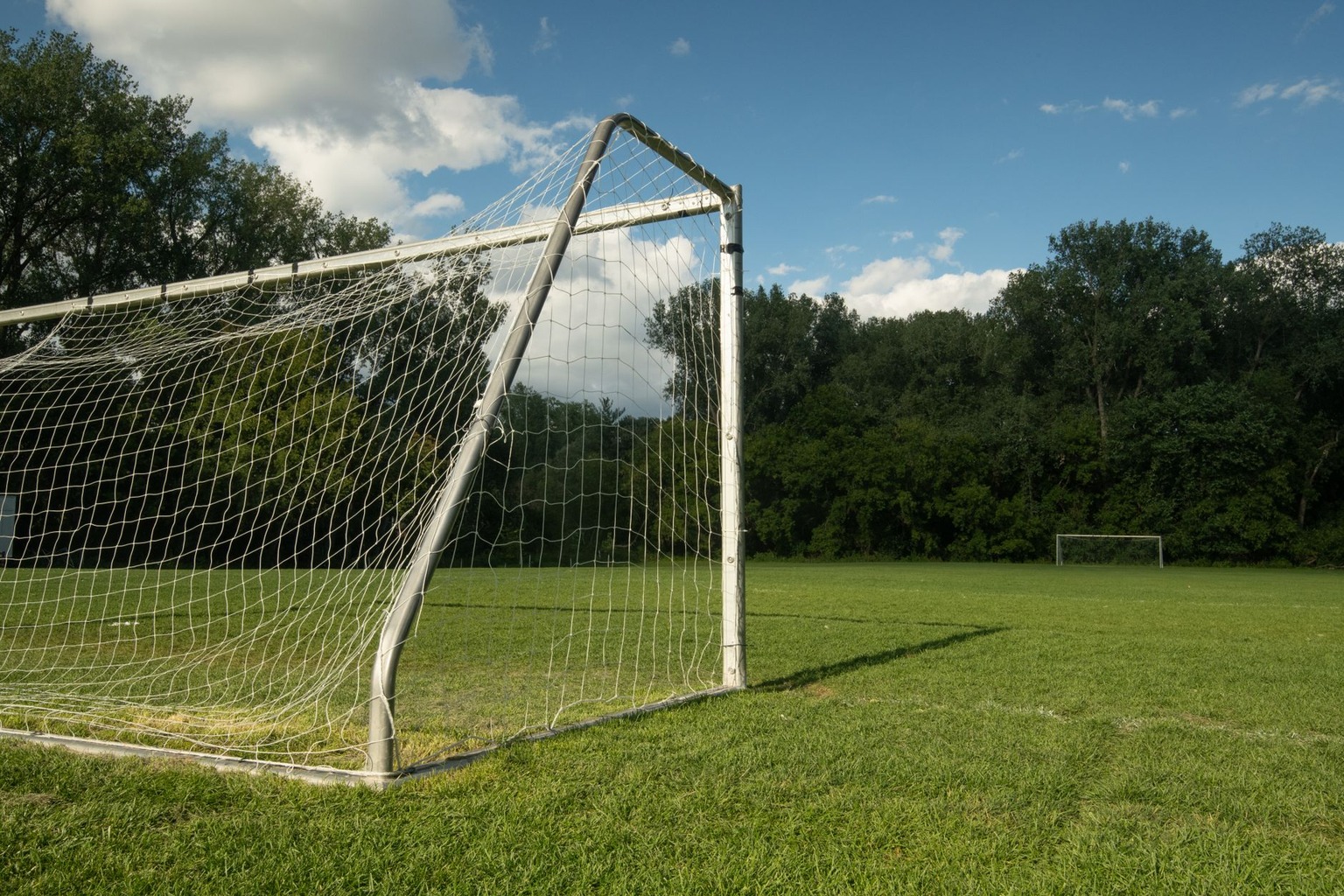
Translating geometry to game speed, the “Three-Zone Game” marks the penalty area into thirds: Zone One (six-yard box), Zone Two (central penalty area), and Zone Three (wide channels outside the D). A server moves the ball along the edge of the box while the goalkeeper adjusts position, but the coach calls a zone number and the goalkeeper must instantly sprint to that zone, touch a cone, and recover to the correct angle for a shot from the server’s new position. This trains the transition between positional discipline and emergency recovery, for example, rushing to Zone One to claim a cross, then retreating to Zone Two for a cut-back shot. The drill exposes goalkeepers who “ball-watch” and fail to reposition during the ball’s travel time, a flaw that creates goals against cut-backs and second-phase shots. Video review of this drill should focus on the goalkeeper’s head turn: elite keepers locate the ball, scan the danger area, then relocate the ball, maintaining a mental map of runners.
Low-Diving Mechanics and the Power Step
The low diving save is the most technically demanding action in goalkeeping because it requires generating maximum horizontal force from a stationary start while maintaining hand shape and protecting the head, yet it is often taught as a simple “fall.” The power step, the final explosive push from the inside edge of the near foot, determines whether the goalkeeper reaches the bottom corner or watches the ball hit the net. The “K-Band Drill” isolates this mechanic: the goalkeeper wears resistance bands above the knees and practices the power step laterally onto a crash mat without a ball, focusing on driving the knee across the body to initiate hip rotation. The bands force glute activation and prevent the knee valgus collapse that leaks power and risks ACL injury. Ten repetitions per side with thirty seconds rest builds the specific strength endurance for a penalty shootout scenario where five maximum dives may be required in five minutes.
Integrating the ball, the “Skimming Drill” uses a server striking driven balls along the ground from twelve yards toward the bottom corners. The goalkeeper starts on the goal line and must read the striker’s plant foot and hip angle to anticipate the side, initiating the power step before ball contact. The key coaching point is the “lead hand” discipline: the hand closest to the ground must attack the ball first, creating a ramp that guides the ball into the chest, while the top hand secures the top of the ball. Many young keepers lead with the top hand, causing the ball to squirm underneath. The server should mix in “dummy” strikes where they shape for a corner but pass centrally, testing the goalkeeper’s ability to abort the dive and smother, a decision that must happen in the final 200 milliseconds before contact. This drill also serves as a diagnostic for hip mobility restrictions; keepers who consistently land on their hip bone rather than the side of the thigh and shoulder need dedicated mobility work before increasing dive intensity.
High-Ball Claims and Aerial Dominance Under Traffic
Claiming crosses is a spatial-temporal calculation where the goalkeeper must intercept a parabolic trajectory while navigating moving obstacles, yet training often uses static mannequins that fail to replicate the timing disruption of live attackers. The “Chaos Cross” drill positions four attackers and two defenders in the box with the goalkeeper, while two wingers alternate delivering crosses from varied angles and velocities. The attackers make designated runs, near post, far post, penalty spot, and a late runner from deep, forcing the goalkeeper to scan, decide, and communicate a “Keeper” or “Away” call before the ball reaches the six-yard box. The constraint is that the goalkeeper must catch at the highest point possible, not waiting for the ball to drop, which requires attacking the flight path rather than retreating to the goal line. This aggressive interception mindset reduces the shooter’s reaction window on headed attempts and eliminates the “fumble zone” where the ball drops between the keeper and defenders.
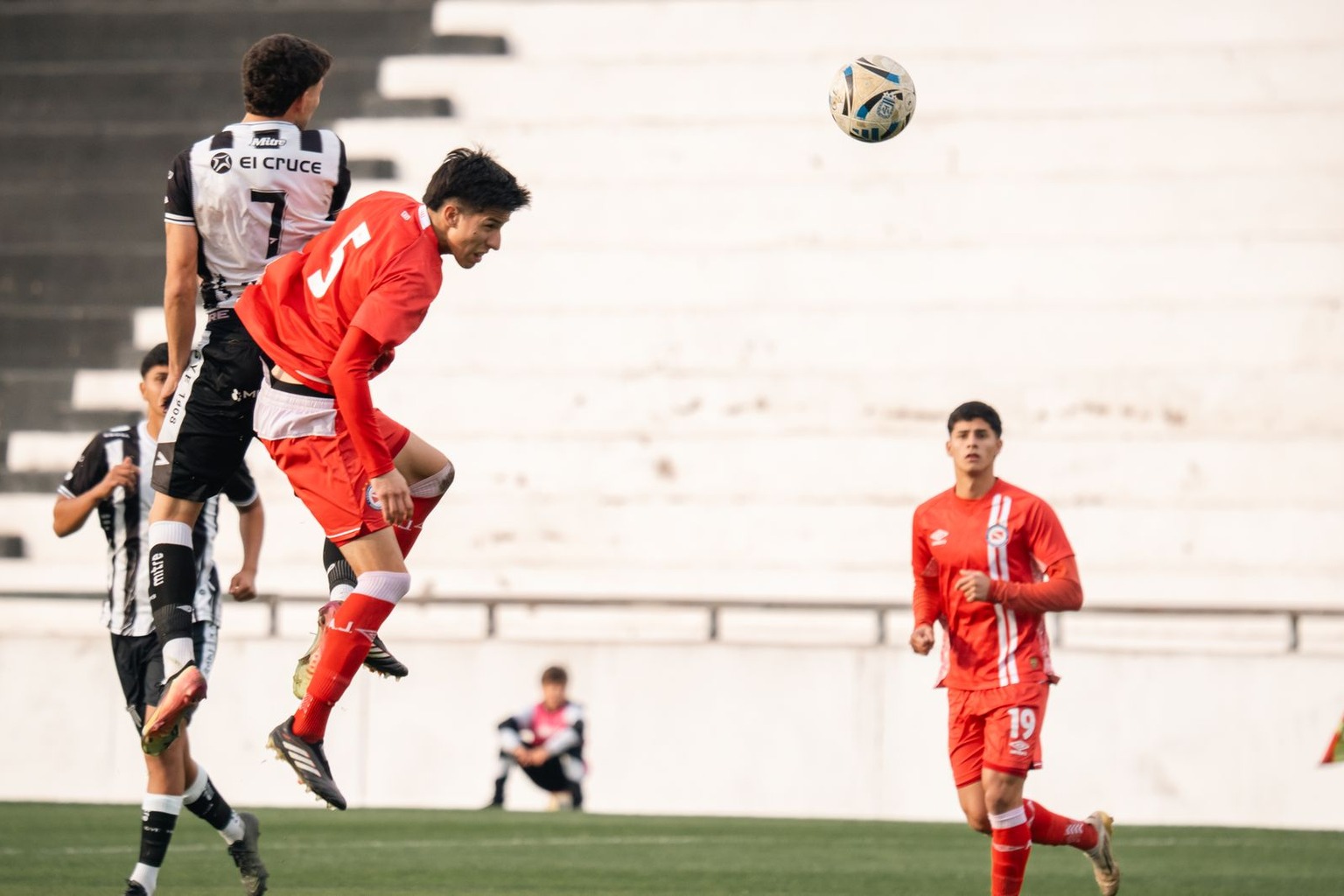
To isolate the technical component, the “One-Handed Punch Circuit” develops the emergency clearance technique when catching is impossible due to traffic or wet conditions. The goalkeeper starts on the six-yard line facing a server ten yards out who throws high looping balls toward the top corners. The goalkeeper must jump off one foot, extend the outside arm fully, and punch the ball with a clenched fist toward designated target zones, wide to the touchlines, not central. The single-leg takeoff mimics the actual game mechanic where the inside leg drives the jump while the outside leg swings for momentum and protection. Landing mechanics are critical: the goalkeeper must absorb force through a bent knee and roll onto the side, never landing straight-legged on the heels. This drill builds the confidence to attack balls in the “second six-yard box”, the area between the six and the penalty spot, where elite keepers dominate but youth keepers hesitate.
Distribution Accuracy and Counter-Attack Initiation
Modern goalkeeping statistics show that elite keepers touch the ball with their feet four times more often than their hands, making distribution a primary positional skill rather than a secondary afterthought. The “Target Grid Drill” places four three-yard squares at key tactical locations: left fullback at the halfway line, right fullback at the halfway line, central midfielder in the pocket, and a deep target for the striker. The goalkeeper receives back-passes under varying pressure, one touch, two touch, or unlimited, and must hit the designated grid with the appropriate technique: driven side-foot for the fullbacks, lofted instep for the midfielder, and a thrown “bowling” action for the counter-attack. The coach times the release; a target of under three seconds from control to release replicates the pressing intensity of a high-block opponent. Missed targets result in a sprint penalty, adding fatigue that degrades technique exactly as a ninety-minute match does.
Decision-making under pressure is tested in the “Rondo-to-Counter” game where the goalkeeper plays as the neutral player in a 5v2 possession box thirty yards from goal. When the defenders win the ball, they must play the goalkeeper who has three seconds to identify the counter-attack lane and distribute accurately to a target player breaking beyond the halfway line. This simulates the transition moment where the goalkeeper becomes the playmaker, requiring a 360-degree scan before the ball arrives. The goalkeeper’s body orientation on the receive, half-turned, shoulders open to the field, determines the passing options available. Coaches should freeze the drill randomly to ask the goalkeeper “Where is your left back?” forcing the habit of constant scanning. This cognitive load, processing teammates’ positions while executing a technical pass, is the defining separator at the professional level where technical proficiency is assumed but decision speed varies wildly.
Integrated Scenario Training and Periodization
The final phase stitches isolated skills into cohesive match simulations because a goalkeeper who excels in drills but fails to select the right skill at the right moment will concede preventable goals. The “Phase Play Script” runs an eleven-versus-eleven segment with specific triggers: a wide free-kick routine, a central build-up against a high press, a counter-attack from a corner, and a late-game defensive shell. The goalkeeper receives no coaching during play; instead, the session is filmed for post-session video analysis focusing on three metrics: starting position relative to the ball, decision timing (early, on-time, late), and technical execution grade. This objective review removes the emotional bias of a spectacular save masking a positional error that created the danger. The goalkeeper keeps a season-long log of these grades, creating a development curve that guides off-season training priorities.
Periodization of goalkeeper training must account for the asymmetric load of match days where the starter faces high cognitive load but low physical volume, while the backup faces zero load. A typical microcycle schedules high-intensity reflex and diving work on Monday (MD+2), technical handling and feet on Tuesday, tactical positioning and crosses on Wednesday (MD-2), light activation and mental visualization on Thursday, and a pre-match primer on Friday. The backup goalkeeper joins the outfield small-sided games on Monday and Tuesday for physical stimulus, then completes a dedicated “shadow session” on Wednesday replicating the starter’s Wednesday workload. This ensures both keepers peak on Saturday while the backup maintains readiness without the match rhythm. Strength and conditioning integration is non-negotiable: plyometric depth jumps, Nordic hamstring curls, and single-leg RDLs protect the kinetic chain from the repetitive eccentric loading of diving and landing, extending careers and preserving the explosiveness that these drills develop.

I’ve been playing soccer since I was a kid and love breaking down drills to help players improve. When I’m not on the pitch, I enjoy analyzing games and sharing practical tips with fellow enthusiasts.