Understanding U10 Soccer Drills
U10 soccer drills are specifically designed for players aged 9 to 10 years, a crucial developmental stage in their soccer journey. At this age, children are not only refining their physical skills but also beginning to understand the tactical aspects of the game. Effective drills can help enhance their technical abilities, improve teamwork, and boost their confidence on the field. Coaches should focus on creating a supportive environment where young players can learn and enjoy the game while developing essential skills.
Fundamental Dribbling Drills
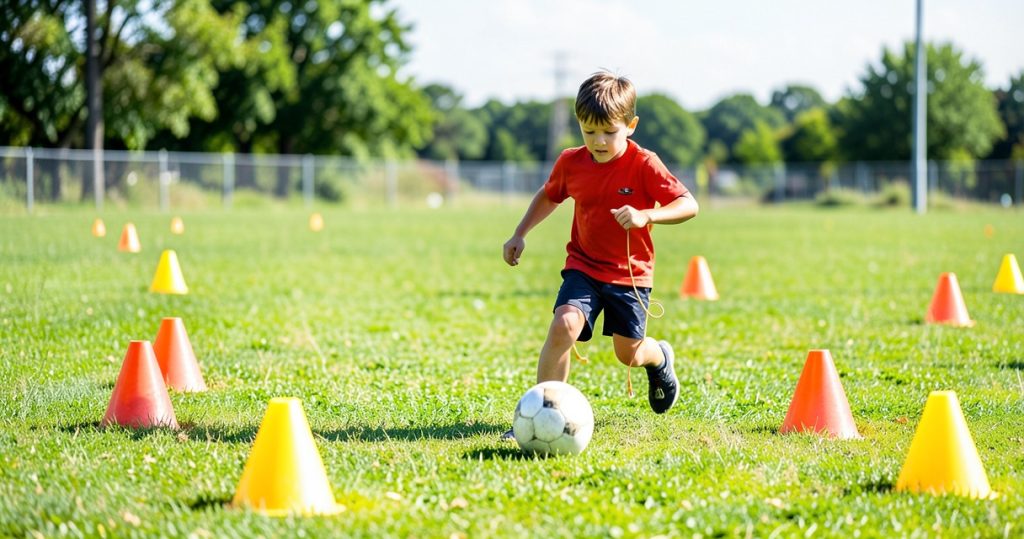
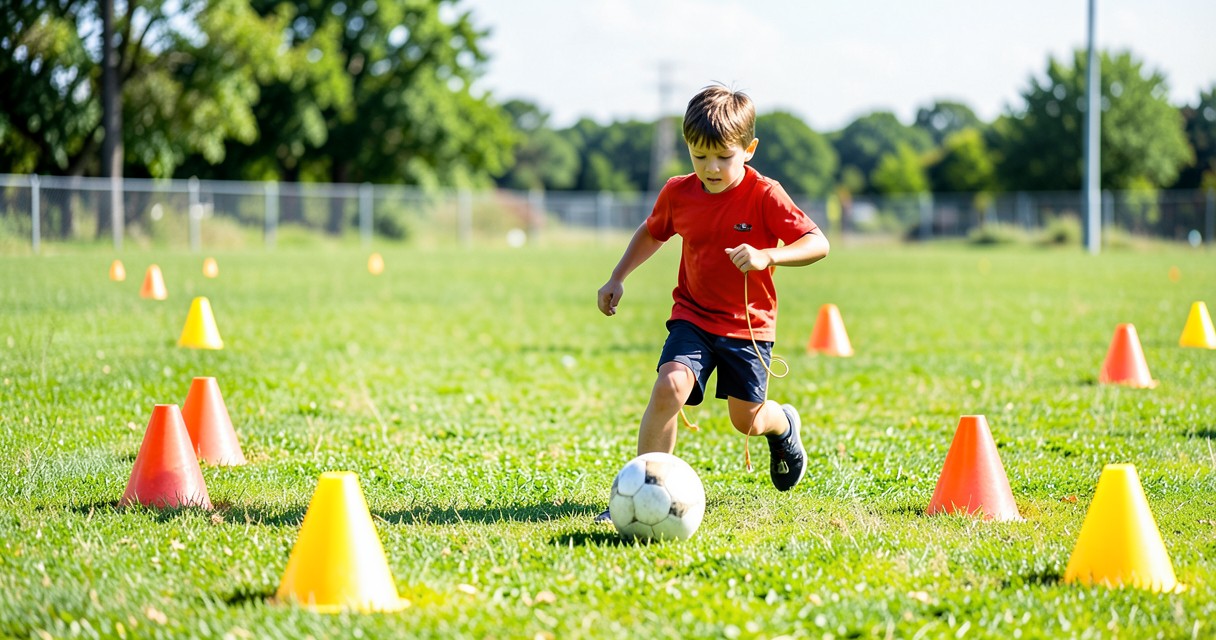
Dribbling is a vital skill in soccer, and U10 players must practice this consistently. One effective drill is the “Cone Weave.” Set up a line of cones spaced about two feet apart. Players dribble the ball in and out of the cones using both feet. This drill not only improves ball control but also helps players develop agility. Coaches should encourage players to use different parts of their feet, like the inside and outside, to navigate through the cones. This exercise can be made competitive by timing players or having them race against teammates.
Passing and Receiving Techniques
Passing is another essential skill that U10 players need to master. A great drill for this is the “Passing Triangle.” In this drill, three players form a triangle and pass the ball around, focusing on accuracy and timing. Players should take turns receiving and passing, ensuring they communicate effectively. To add complexity, coaches can introduce a defender to apply pressure, forcing players to make quicker decisions. This not only hones their passing abilities but also emphasizes teamwork and spatial awareness.
Small-Sided Games for Tactical Understanding
Small-sided games are an excellent way to teach U10 players about tactics and positioning. A “3v3 Scrimmage” on a smaller field allows players to experience game-like situations while maximizing their touches on the ball. Coaches can adjust the number of players to fit the skill level and ensure everyone participates. These games encourage creativity and decision-making as players must adapt to different scenarios. Providing feedback during and after the game helps players understand their roles and improve their tactical awareness.
Defensive Skills and Awareness
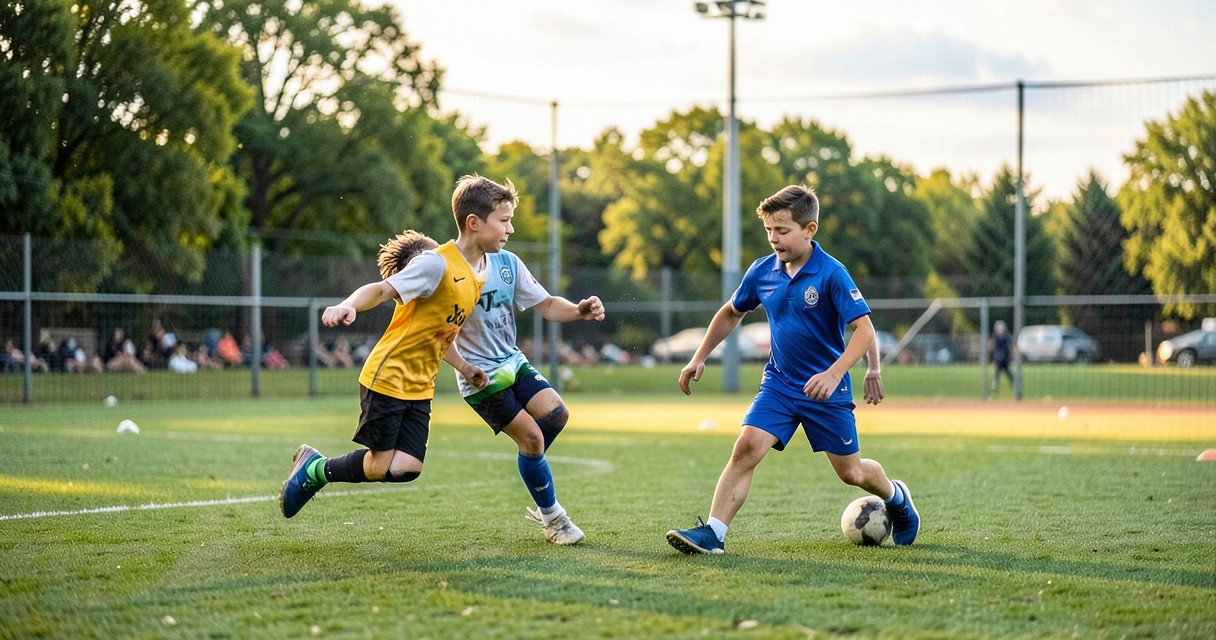
Teaching U10 players about defense is equally important. The “1v1 Defense Drill” focuses on defensive positioning and tackling. One player attacks while the other defends, with the defender trying to win the ball back. This drill emphasizes timing and body positioning, teaching players when to challenge for the ball and when to contain. Coaches can rotate players so everyone experiences both attacking and defending roles. This not only builds individual skills but also fosters a sense of teamwork and communication among defenders.
Fun and Engaging Shooting Drills
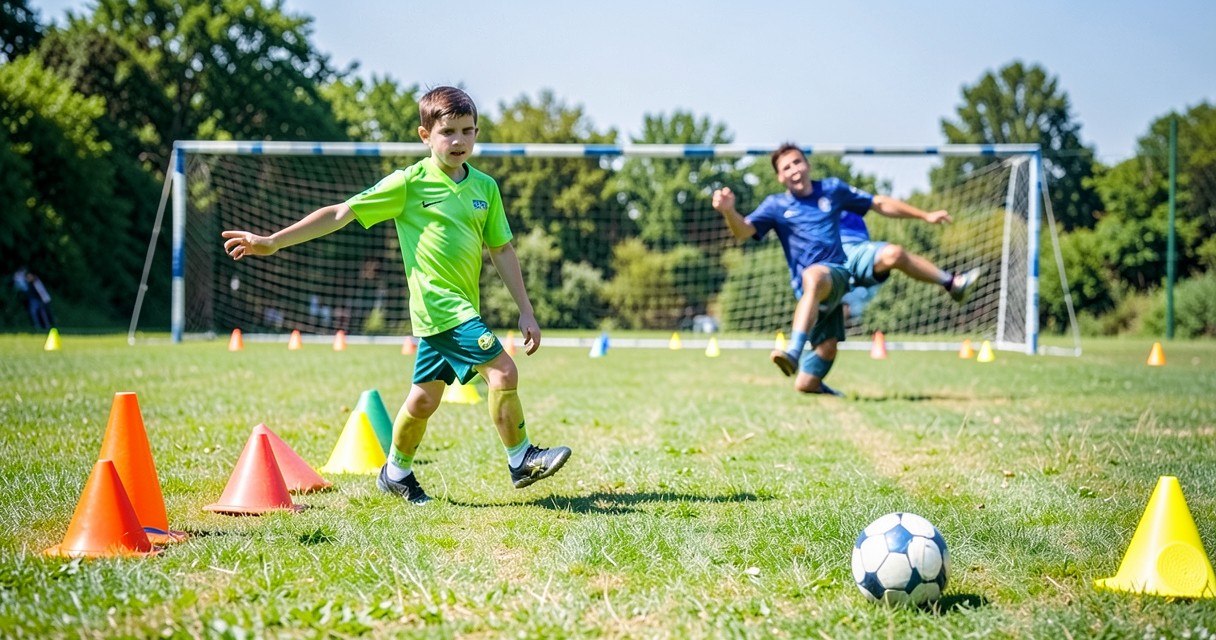
Shooting drills should be both fun and challenging for U10 players. The “Target Shooting” drill can be set up using various targets, such as cones or small goals. Players take turns shooting from different distances, aiming for specific targets. This drill helps improve accuracy and power while keeping players engaged. Coaches can introduce competitions, like who can hit the most targets, to add excitement and motivate players. Encouraging players to use both feet during shooting practice can further develop their skills and confidence.
Incorporating Fitness into Drills
Physical fitness is vital for young athletes, and incorporating fitness elements into soccer drills can enhance their overall performance. The “Fitness Circuit” is an effective way to combine skill work with fitness. Set up stations that include dribbling, passing, and shooting drills, interspersed with fitness activities like jumping jacks or sprints. Players rotate through each station, ensuring they work on their soccer skills while improving their stamina and agility. This approach not only makes training more dynamic but also emphasizes the importance of fitness in soccer.
Creating a Positive Learning Environment
For U10 players, a positive and encouraging atmosphere is essential for their development. Coaches should focus on providing constructive feedback and celebrating small achievements to boost players’ confidence. Incorporating fun elements into training, such as games and challenges, keeps young athletes engaged and motivated. Building a sense of camaraderie among players fosters teamwork and a love for the game. By creating a supportive environment, coaches can help young players develop their skills and passion for soccer, setting them on a path for future success.

I’ve been playing soccer since I was a kid and love breaking down drills to help players improve. When I’m not on the pitch, I enjoy analyzing games and sharing practical tips with fellow enthusiasts.