Introduction to Crossing and Finishing Drills
Crossing and finishing represent two of the most decisive skills that influence soccer match outcomes. The importance of these aspects cannot be overstated, as they directly contribute to a team’s ability to score goals and secure victories. Effective crossing allows players to deliver the ball into dangerous areas, while proficient finishing techniques ensure those deliveries result in goals rather than missed opportunities.
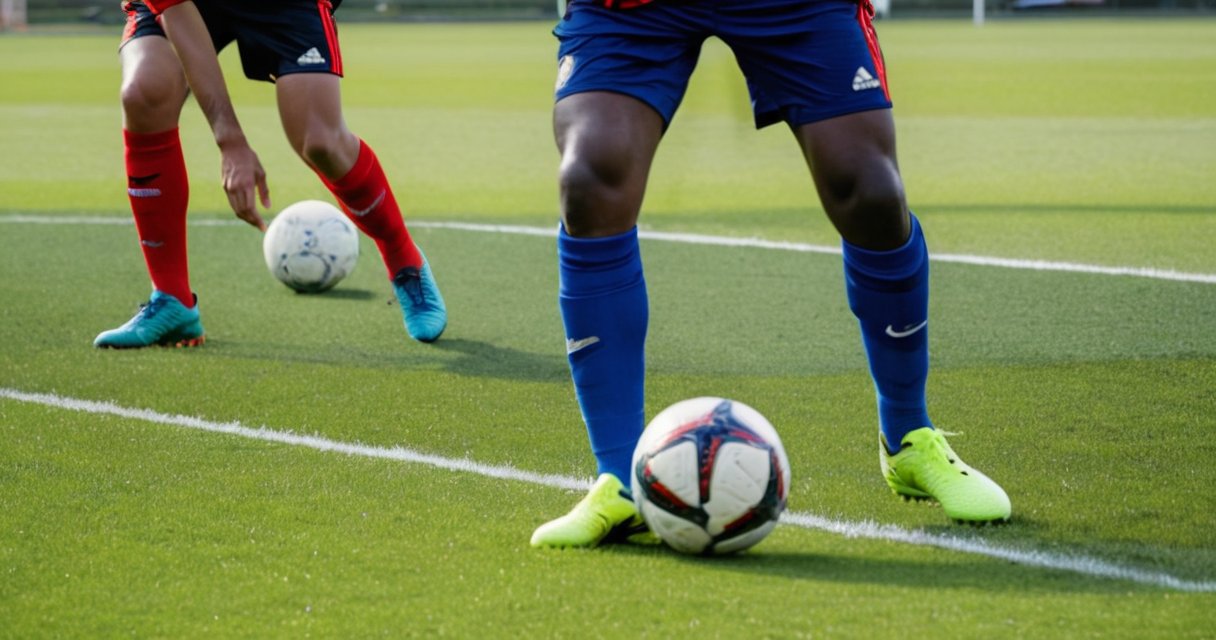
During soccer training, coaches emphasize crossing drills to help players master the art of accurate and timely crosses. These exercises improve not only technical execution but also decision-making under pressure. Finishing techniques are similarly developed through a variety of drills that mimic real match conditions, enabling strikers to become more clinical in front of goal.
The impact on player development is profound. As athletes repeatedly engage in these targeted activities, their individual skills grow, leading to enhanced confidence and performance levels. Team offensive performance benefits immensely from this, as coordinated attacks become more fluid and threatening over time.
Furthermore, the long-term effects of dedicated soccer training in crossing drills and finishing techniques include better overall team cohesion and strategic execution. Players learn to read each other’s movements, creating a more dynamic offensive unit. This development process transforms average teams into competitive forces capable of challenging top opponents.
By focusing on these key areas, soccer programs can foster an environment where continuous improvement is the norm. The result is a squad that excels in converting chances and maintaining high standards of play throughout the season.
Basic Crossing Techniques for Beginners
Basic crossing techniques form the foundation of successful wing play in soccer. For beginners, understanding how to execute soccer crosses effectively can transform their contribution to the team’s attack. Accurate delivery from the flanks allows strikers to capitalize on opportunities in the box. Learning these skills early sets the stage for advanced maneuvers later on.
Fundamental body positioning is crucial when preparing for a cross. Stand with your feet shoulder-width apart, knees slightly bent, and weight distributed evenly. Your body should face the direction you intend to send the ball, with your head up to scan the field for teammates making runs. Avoid leaning too far back or forward, as this disrupts balance and reduces precision. Keep your arms out for stability during the motion.
Run-up approaches vary but should always be controlled. Start from a position about 5-10 yards away from the ball. Use a curved run to approach at an angle, which helps in generating the necessary lift and power. Accelerate gradually, ensuring your last two steps are shorter for stability. This method prevents overrunning the ball and promotes consistent contact. Adjust your speed based on the distance to the goal line.
Ball contact methods emphasize using the instep or inside of the foot. Position the ball slightly to the side and strike it with the inside surface just below the center to create height. For driven crosses, make contact lower on the ball with more force. Always keep your ankle locked and toes pointed to maintain accuracy. Experiment with different contact points to see how they affect the ball’s flight path.
To enhance accurate delivery, focus on following through with your leg towards the target area. Practice varying the pace and trajectory based on the defenders’ positions. Incorporate drills that simulate game scenarios to build muscle memory. Watching professional players can also provide visual cues for improvement.
By mastering these aspects of basic crossing, players can deliver soccer crosses that are both consistent and precise, elevating their wing play to new levels. Regular training sessions dedicated to these fundamentals will yield significant improvements over time. Patience and repetition are key to success in this area.
Wall Pass Crossing Drill
The wall pass crossing drill is a dynamic partner exercise designed to refine crossing practice and ball control skills. Begin the setup by marking a 30-yard area along the sideline with cones. Two players participate, with one acting as the initial passer and the other as the wall. Player A dribbles toward the marker and executes a wall pass drill with Player B, who returns the ball immediately. Player A then controls the ball and delivers an accurate cross into the penalty area where a target player or goal awaits.
Complete 12 to 15 repetitions per side before switching positions. This ensures balanced development for both participants. During the wall pass drill, focus on quick touches and proper body positioning to maintain momentum toward the goal.
Coaching points include improving timing by anticipating the return pass and ensuring the cross is delivered with precision. Emphasize ball control through soft first touches after the wall pass. Accuracy in crossing practice comes from varying the type of delivery, such as driven crosses or lofted balls. Players should practice this partner exercise regularly to build consistency under game-like conditions. Adjust distances and add light pressure to progress the drill while always prioritizing timing and accuracy in every phase.
The wall pass crossing drill enhances overall team coordination through this structured partner exercise. Ensure all players rotate through different roles to experience the full scope of the crossing practice. Monitor progress by tracking successful crosses out of total attempts, aiming for at least 80% accuracy. Incorporate feedback sessions after each set of repetitions to address any issues with timing or ball control.
Effective Finishing Drills
Mastering effective finishing drills is crucial for any soccer player aiming to excel in goal scoring. Incorporating targeted finishing drills into training routines allows athletes to develop clinical finishing techniques that translate directly to match performance. Emphasis on first-time shots, volleys, and headers cultivates the composure and accuracy essential for success in front of goal through dedicated shooting practice. These sessions start simple and build complexity to ensure players remain composed when opportunities arise.
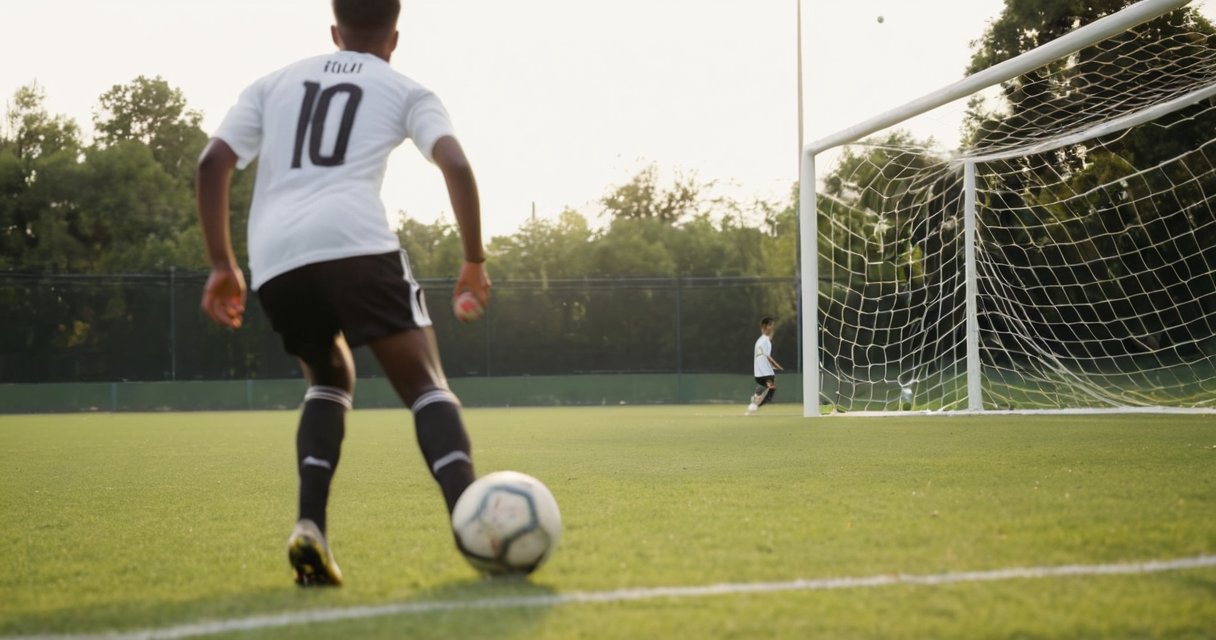
The initial drill focuses on first-time shots from crosses. Attackers station themselves inside the box, receiving deliveries from wide areas at varying speeds. They aim to redirect the ball immediately into the goal without taking a touch beforehand, rotating positions after each attempt. This builds instinctive reactions and improves conversion rates in goal scoring opportunities while emphasizing body shape and placement over power.
Progressing further, volley finishing drills challenge players with aerial deliveries. Coaches send balls from different trajectories and angles, requiring precise contact to direct volleys goalward on the half-volley or full volley. Such shooting practice hones technique, timing, and power, leading to more clinical finishing in open play where controlling the ball first is not an option.
Headers represent an advanced component within these finishing drills. Players practice attacking crosses with headers, aiming for placement rather than power alone by using the forehead to guide the ball into corners. This enhances aerial ability and decision-making, vital for clinical finishing when space is limited inside a crowded penalty area.
Finally, combine elements and add pressure with passive defenders. Increase intensity progressively by adding movement restrictions or time limits to mimic game situations. These structured finishing drills ultimately sharpen overall goal scoring prowess via repeated shooting practice sessions focused on first-time shots, volleys, and headers.
One-Touch Finishing Exercise
The One-Touch Finishing Exercise serves as an effective shooting drill for improving one touch finishing in soccer players of all levels. For the setup, arrange two wide areas with ball servers who deliver crosses into the box while finishers start from the top of the penalty area. This layout creates a continuous flow of action that mirrors competitive play and allows repeated opportunities to refine technique.
Regarding player movement patterns, participants execute overlapping runs and check-back movements to receive the ball in stride. Such patterns help develop timing and coordination essential for successful finishes while encouraging constant motion across the penalty area.
Key coaching cues include verbal prompts for rapid decision making, such as calling out target areas before striking. Focus on proper body orientation, relaxed shoulders, and precise foot placement to enhance soccer accuracy. These cues ensure that athletes maintain clean striking technique even when fatigued or under defensive pressure.
By integrating these aspects, the exercise promotes quick finishing proficiency that translates directly to games. Coaches should observe for common errors like leaning back and provide immediate feedback to refine skills. Regular sessions build confidence and consistency in converting opportunities.

I’ve been playing soccer since I was a kid and love breaking down drills to help players improve. When I’m not on the pitch, I enjoy analyzing games and sharing practical tips with fellow enthusiasts.