Introduction to Pressing Drills for Youth Soccer
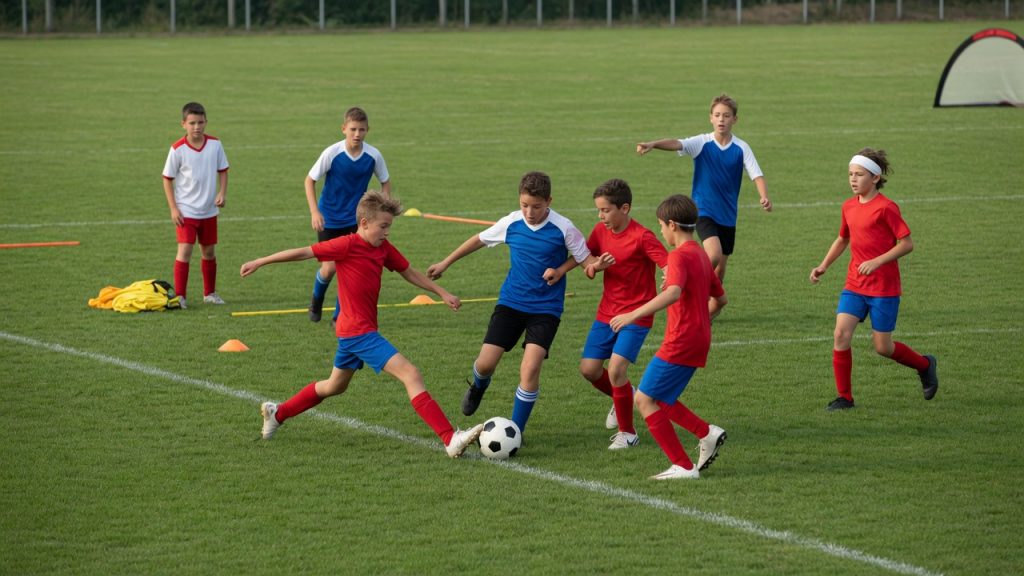
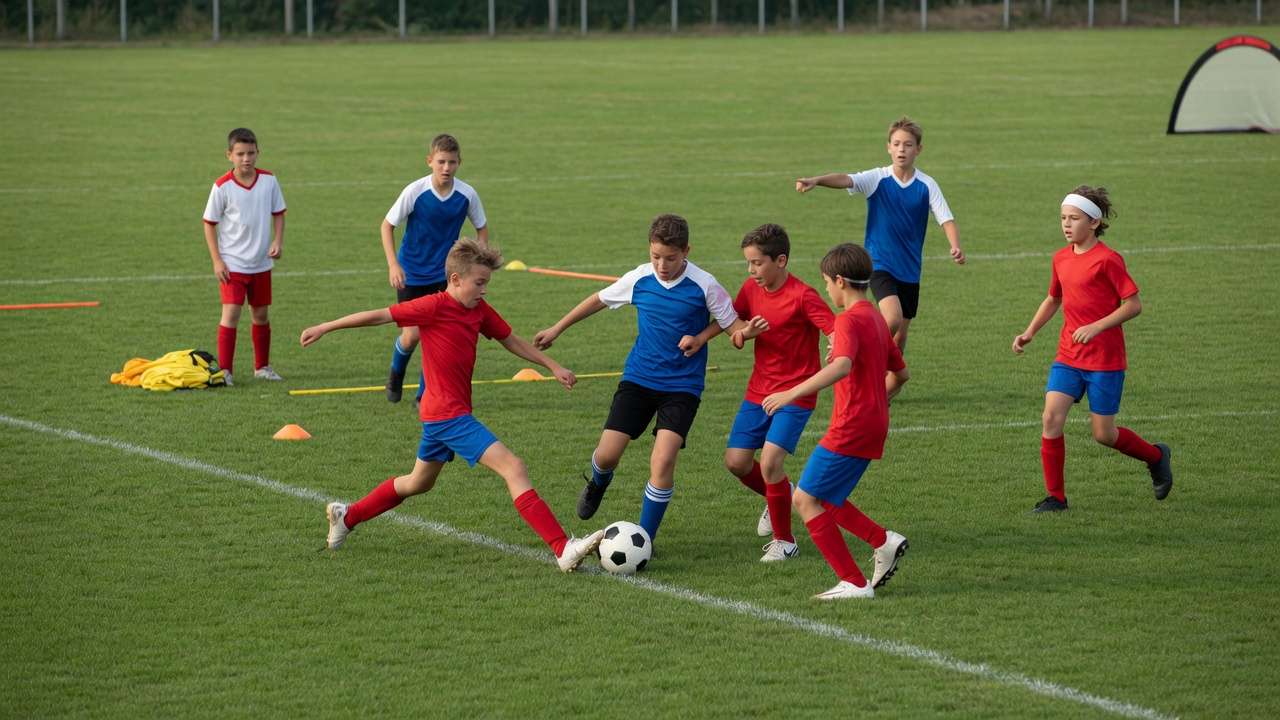
Pressing drills are essential training exercises designed to improve a soccer team’s ability to apply immediate pressure on their opponents when they have possession of the ball. In youth soccer training, these drills focus on teaching young players how to effectively close down space, disrupt the opponent’s play, and regain possession as quickly as possible. The concept of pressing is a vital component of soccer defense and is integral to modern team tactics, emphasizing collective effort rather than relying on individual defenders alone.
By engaging in pressing drills, youth players learn the importance of teamwork, communication, and positioning. These drills help develop quick decision-making skills, enhance fitness levels, and foster a proactive mindset. In pressing, the entire team works as a cohesive unit, coordinating their movements to trap opponents into mistakes or force them into less dangerous areas of the field. This not only elevates the defensive strength of a team but also often leads to scoring opportunities through turnovers.
Incorporating pressing drills into youth soccer training programs encourages players to understand defensive roles and responsibilities from an early age. It teaches them how to read the game, anticipate opponents’ actions, and respond collectively with urgency. As a result, young athletes develop a tactical awareness that benefits their overall game understanding and prepares them for more advanced levels of competition.
Moreover, pressing drills instill discipline and mental toughness in youth players. They learn that pressing requires high energy, persistence, and a positive attitude towards defensive work. Coaches can tailor these drills to different age groups and skill levels to ensure players are challenged appropriately, keeping practices engaging and effective. Ultimately, mastering pressing drills contributes significantly to building a strong soccer defense that can control the rhythm of the game and support successful team tactics.
Benefits of Pressing in Youth Soccer
Pressing in youth soccer offers numerous pressing benefits that contribute significantly to a young player’s overall development. Physically, pressing enhances stamina, agility, and speed as players are required to move quickly and consistently to close down opponents. This intense physical activity builds endurance, enabling young athletes to perform at higher levels throughout the game.
Tactically, pressing improves a player’s understanding of the game, especially in youth soccer defense. It teaches players how to anticipate opponents’ moves, organize defensive lines, and apply pressure effectively to regain possession. By practicing pressing, young players learn to read the game better and make quicker decisions under pressure, which are essential skills for advancing their tactical knowledge.
Moreover, pressing fosters excellent team coordination as it requires players to work in unison. Successful pressing depends on teammates communicating and synchronizing their movements to trap the opposition and force errors. This aspect of pressing promotes unity and encourages players to develop trust and support for one another on the field.
Overall, youth soccer pressing drills are instrumental in player development, combining physical fitness, tactical intelligence, and teamwork. These combined elements help young athletes become well-rounded players ready to compete at higher levels with confidence and skill.
Key Principles of Effective Pressing
Effective pressing in soccer hinges on several fundamental pressing principles that shape a team’s defensive strategy. Among these, timing is crucial; players must know precisely when to initiate pressure on the ball to disrupt the opponent’s play rhythm without leaving gaps behind. Proper timing ensures the pressing acts like a coordinated strike, maximizing its impact.
Positioning is another vital element in pressing tactics. Players need to maintain optimal spatial relationships to cover passing lanes and funnel the ball carrier into less dangerous areas. This strategic positioning limits the opponent’s options and increases the likelihood of regaining possession.
Coordination among teammates underpins the success of any pressing system. A synchronized approach ensures that pressure on the ball is supported by teammates covering potential outlets, creating traps through collective movement. Communication and understanding each player’s role within the defensive setup are key for seamless execution.
Ultimately, these pressing principles—timing, positioning, and coordination—combine to form an effective defensive strategy. When applied correctly, they enhance a team’s ability to apply intense pressure on ball carriers, disrupting opposition attacks and quickly transitioning to offense. Mastery of these fundamentals of youth soccer concepts is essential for developing a high-functioning pressing system.
Top Pressing Drills for Youth Teams
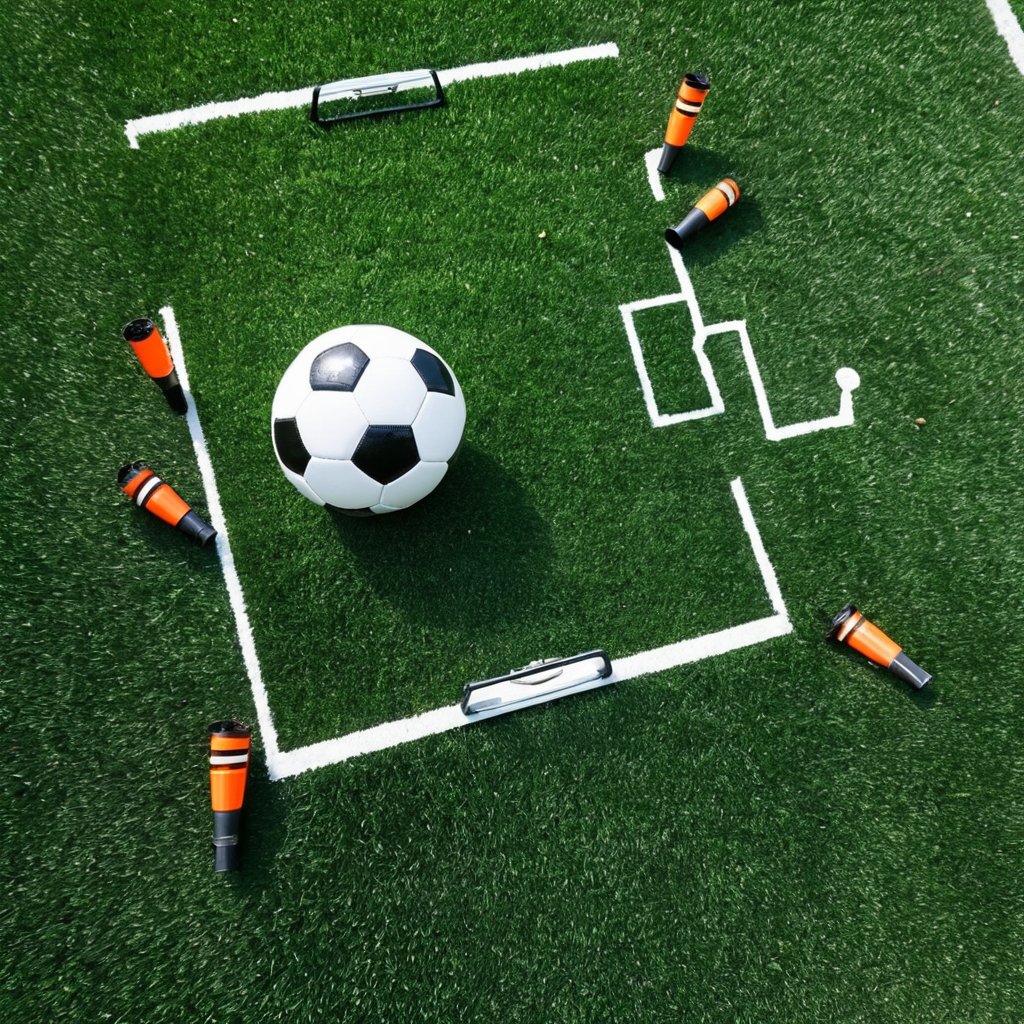
- 1. The 4v4 Press Trap Drill: This drill involves setting up a small grid where two teams of four players each compete in a possession game. The defending team practices coordinated pressing by quickly closing down space and trapping the ball carrier between teammates. This drill emphasizes teamwork and communication, essential components of effective pressing drills for youth soccer practice.
- 2. Press and Recover Exercise: In this drill, players work on immediate pressing after losing the ball. Upon losing possession, players quickly press the opponent to recover the ball within a few seconds. Incorporating defensive drills like this one helps young athletes develop quick reactions and positional awareness.
- 3. Zone Pressing Game: Divide the field into zones where players must maintain their pressing responsibilities within their designated area. The goal is to force the attacking team into making errors by applying consistent pressure. This team exercise teaches spatial awareness and enhances collective pressing tactics critical for youth teams.
- 4. Defensive Shadowing Drill: Pairing up players, one with the ball and one shadowing defensively, this drill focuses on staying close to the opponent and cutting off passing lanes. Youth soccer practice benefits from this defensive drill as it develops close marking skills and stamina required for effective pressing.
- 5. Pressing Relay Race: Combining fitness with pressing skills, this drill has players sprint to pressure a designated opponent and then quickly retreat. It fosters quick transitions from offense to defense and builds the physical conditioning needed for high-intensity pressing drills.
- 6. The Double Team Press: This drill teaches players how to work in pairs to press an opponent effectively. Two defenders coordinate to pressure the ball carrier, forcing mistakes or rushed passes. Practicing these pressing drills in pairs encourages teamwork and understanding of defensive support roles.
- 7. Full-Field Pressing Scrimmage: A game-style exercise where the entire team practices pressing as a unit all over the field. This holistic team exercise develops stamina, positioning, and the collective mindset necessary for successful pressing within youth soccer practice sessions.
1v1 Pressing Drill
The 1v1 drill is a fundamental pressing practice designed to significantly enhance individual defensive skills in youth soccer. This drill centers on creating realistic situations where a defender must apply immediate pressure on an attacker, encouraging quick decision-making and improving defensive agility.
To run this drill, set up a small grid approximately 10 by 15 yards. One player assumes the defender role, and the other plays as the attacker with the ball. The primary objective for the defender is to close down space swiftly, applying intense pressure while maintaining balance and positioning. Meanwhile, the attacker tries to evade the pressure by dribbling or passing out of the grid.
Coaches should emphasize proper defensive body posture, staying low with bent knees, and using their arms for balance without fouling. The defender must focus on timing their approach to intercept or force the attacker into mistakes. Rotating players frequently ensures all participants get equal practice opportunities in attacking and defending.
This 1v1 drill is an excellent addition to any youth soccer drills regimen, promoting aggression, anticipation, and resilience under pressure. Mastering this pressing practice equips young players with crucial defensive skills needed to disrupt opponents effectively and regain possession during matches.
Team Pressing Shape Drill
This drill is designed to teach the entire team how to maintain an effective pressing shape and work cohesively in defensive situations. Start by dividing players into two teams on a reduced playing area to encourage quick decision-making and movements. The attacking team aims to keep possession, while the defending team focuses on applying coordinated pressure.
The main objective is for players to understand the importance of their positions relative to each other, reinforcing the concept of positional play. Players must communicate constantly to ensure the pressing shape is maintained, closing down passing lanes and forcing the opposition into mistakes. Defenders should work as a unit, shifting their positions together based on the ball’s location on the pitch, which helps youth players develop spatial awareness and teamwork.
Coaches should emphasize staying compact and synchronized, highlighting how team pressing disrupts the opponent’s rhythm and creates turnover opportunities. With repetition, players learn not only to press aggressively but also to recover quickly if the ball is played past the first line of pressure. This drill builds both physical endurance and tactical understanding essential for successful youth soccer training focused on team pressing and defensive solidarity.
Pressing Triggers and Communication Drill
This drill is designed to help young soccer players identify pressing triggers on the field while improving their communication skills, both crucial for effective soccer teamwork. Begin with a small-sided game setup where players must recognize key moments to initiate pressing, such as an opponent receiving the ball under pressure or making a risky pass. Coaches should explain the common pressing triggers like a bad touch, a back pass, or a player facing away from teammates.
During the exercise, players are encouraged to loudly communicate pressing cues and coordinate movements with teammates. Emphasize verbal signals like “press,” “trap,” or “cover” to alert others of pressing opportunities and to organize defensive shape quickly. This communication drill fosters awareness and trust among players, allowing them to close down opponents cohesively and recover possession more efficiently.
Throughout the drill, rotate players through different roles to ensure everyone understands when and how to trigger pressing actions while staying connected through constant communication. By combining pressing triggers with effective on-field communication, youth training sessions can build foundational skills that boost overall team performance and tactical understanding.
Tips for Coaching Pressing Drills Effectively
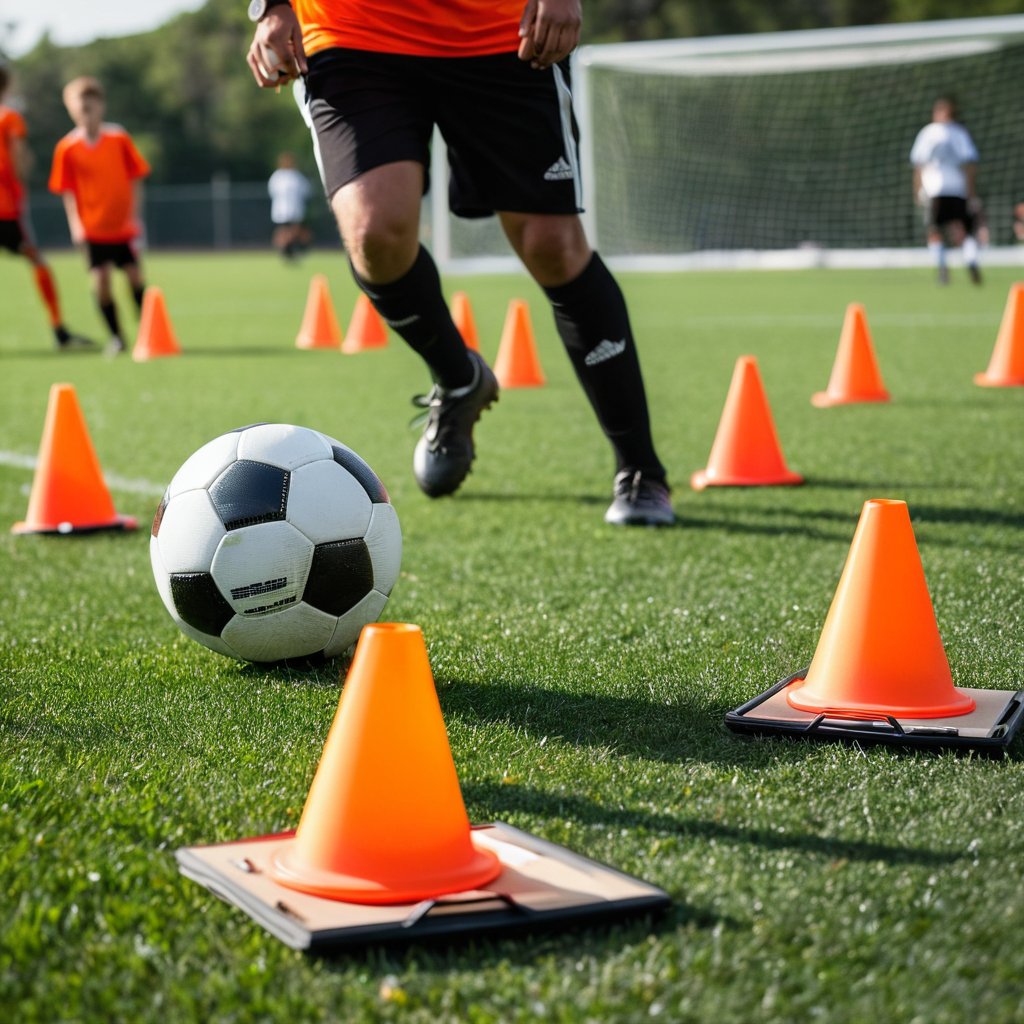
Coaching pressing drills effectively is essential for developing young players’ understanding and execution of high-pressure tactics in soccer. When organizing these drills, coaches should first focus on clear communication and set simple, achievable goals for the session. Explain to the players the purpose of pressing — to regain possession quickly and disrupt the opponent’s play. Using age-appropriate language and demonstrations will help youth players grasp the concept faster.
Start with basic training methods that emphasize positioning and teamwork. Create drills that encourage players to work together closely, emphasizing the importance of spatial awareness and coordinated movement. For example, small-sided games or rondos where players need to win the ball back quickly provide practical and engaging ways to practice pressing in a real-game context.
It is crucial to break down the pressing drill into manageable segments. Begin by focusing on the first defender’s role to apply immediate pressure on the opponent with the ball. Next, train the supporting defenders on how to cut passing lanes and anticipate the opponent’s moves. Gradually increase the drill’s complexity as players improve, reinforcing their understanding of when and how to press effectively.
Utilize positive reinforcement and timely feedback during drills. Praise players for effort and decision-making, and provide constructive criticism to guide improvement. Keep youth soccer tips in mind by making sessions fun and energetic to maintain high motivation levels. Adjust drills according to players’ progress, and always encourage a growth mindset.
Maintain consistency in your coaching approach while remaining flexible to individual player needs and team dynamics. Efficient warm-up activities, clear explanations, and repetition will help embed pressing principles effectively. By implementing these effective drills in your training regime, you can foster greater team cohesion and enhance the overall defensive capabilities of your young squad.
Adjusting Drill Intensity Based on Age and Skill
When designing pressing drills for youth players, it is crucial to modify the drill intensity to align with different age groups and youth skill levels. Younger players or beginners benefit most from age appropriate drills that focus on fundamental techniques and easier pressure scenarios, allowing them to build confidence and understanding without overwhelming pressure.
As players grow older and their skill level improves, drill intensity should progressively increase. This gradual escalation in pressing demands helps develop quicker decision-making, better positioning, and enhanced stamina, all essential traits for advanced play. Coaches can implement progressive training by increasing drill speed, adding more complex challenges, or introducing competitive elements.
For optimal development, tailoring pressing drills to match youth skill levels ensures players are neither underchallenged nor pushed too hard, which can lead to frustration or injury. Using a mix of lower and higher intensity drills suitable for each age bracket maintains engagement and encourages steady growth. Prioritizing drill intensity adjustments helps maximize training effectiveness and supports each player’s unique development journey.
Using Feedback and Video Analysis
Coaching feedback plays a crucial role in youth soccer training, especially when developing pressing drills. Constructive feedback helps young players understand their strengths and areas for improvement, fostering continuous growth in their pressing techniques. By clearly communicating specific adjustments and positive reinforcement, coaches can motivate players to focus on key aspects such as positioning, timing, and team coordination during pressing scenarios.
Video analysis complements coaching feedback by providing visual evidence of player performance. Reviewing footage enables both coaches and players to see pressing actions in real time, highlighting successful strategies and pinpointing mistakes. This method makes it easier to break down complex movements and tactical decisions, allowing players to internalize lessons more effectively. Video analysis also encourages self-assessment, where players become active participants in their own improvement process.
Incorporating video analysis into youth soccer training enhances player improvement by reinforcing the lessons delivered through coaching feedback. Together, these tools create a comprehensive learning environment where young athletes can develop a deeper understanding of pressing techniques. As a result, the synergy between coaching feedback and video analysis equips players with the skills and confidence needed to execute pressing strategies at a higher level during matches.

I’ve been playing soccer since I was a kid and love breaking down drills to help players improve. When I’m not on the pitch, I enjoy analyzing games and sharing practical tips with fellow enthusiasts.